Beyond the Surface: A 5-Year Financial Analysis of Veneer and Solid Wood Storage Benches
When furnishing a Singaporean home, especially in space-conscious HDB flats or condos, every purchase demands careful consideration. A storage bench is a common solution for maximizing utility in entryways, bedrooms, or living rooms. The choice between materials—specifically, veneer versus solid wood—extends beyond aesthetics; it is a long-term financial commitment. This analysis breaks down the actual costs of ownership over a five-year period, incorporating local factors like GST, delivery logistics within Singapore's unique corridors, and the value of longevity. We will move beyond marketing claims and examine the tangible numbers to help you make a truly informed decision.
Understanding the Materials: A Tale of Two Surfaces
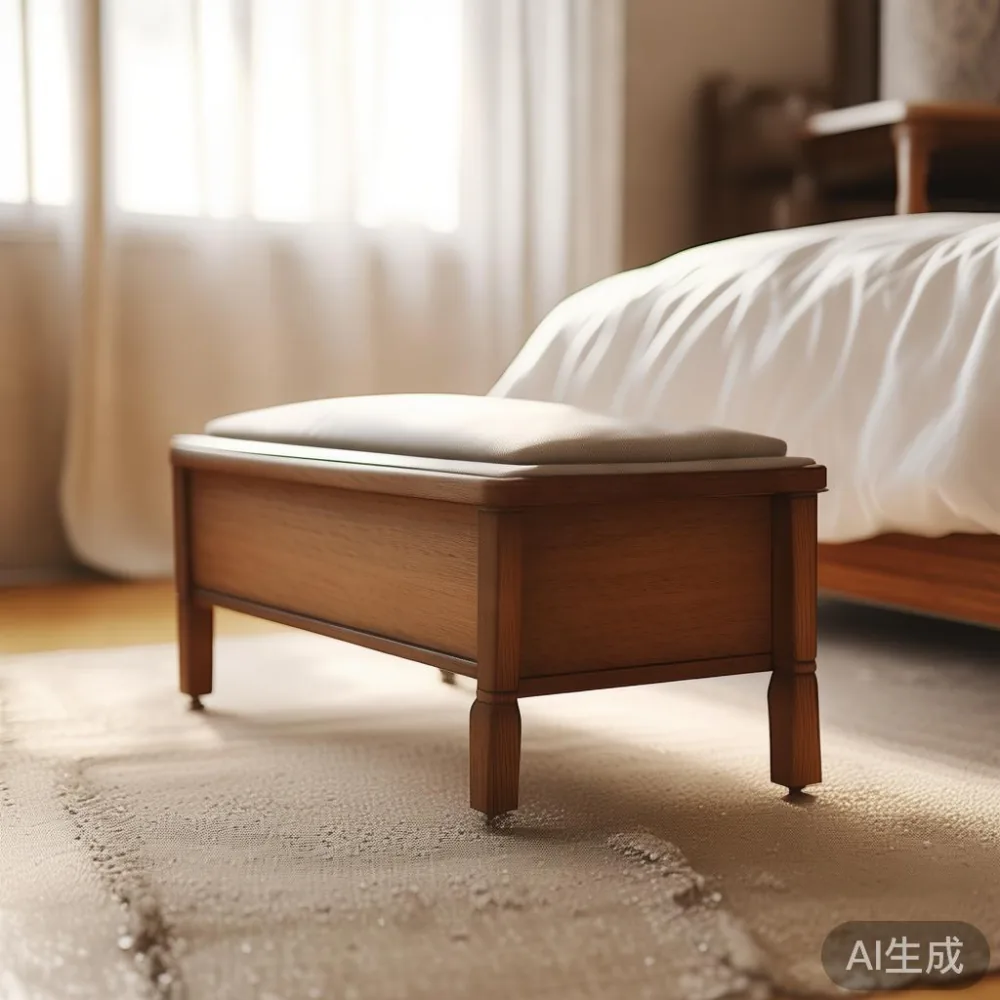
Before diving into costs, a clear distinction is necessary. Solid wood furniture, such as a storage bench, is crafted from a single piece of lumber or solid wood panels. A solid wood storage bench made from oak or mango wood, for instance, is constructed from solid timber throughout its frame and surfaces. This material is natural, durable, and can be sanded and refinished multiple times. Its weight is a proof of its substance; a typical solid wood storage bench might weigh between 25 and 40 kilograms, depending on the wood species and dimensions.
Veneer, on the other hand, is a thin layer of real wood (often just 0.6mm thick) applied over a core of engineered wood like MDF (Medium-Density Fiberboard) or particleboard. This engineered wood core is significantly lighter, with a veneered storage bench weighing around 15 to 25 kilograms. The veneer provides the look of solid wood at a lower initial price point. However, this core material is susceptible to damage from moisture and humidity, which can cause the layers to delaminate or warp over time. Understanding this fundamental difference in construction is key to understanding the divergent cost paths they represent.
The Initial Investment: Price Tags in Singapore Dollars
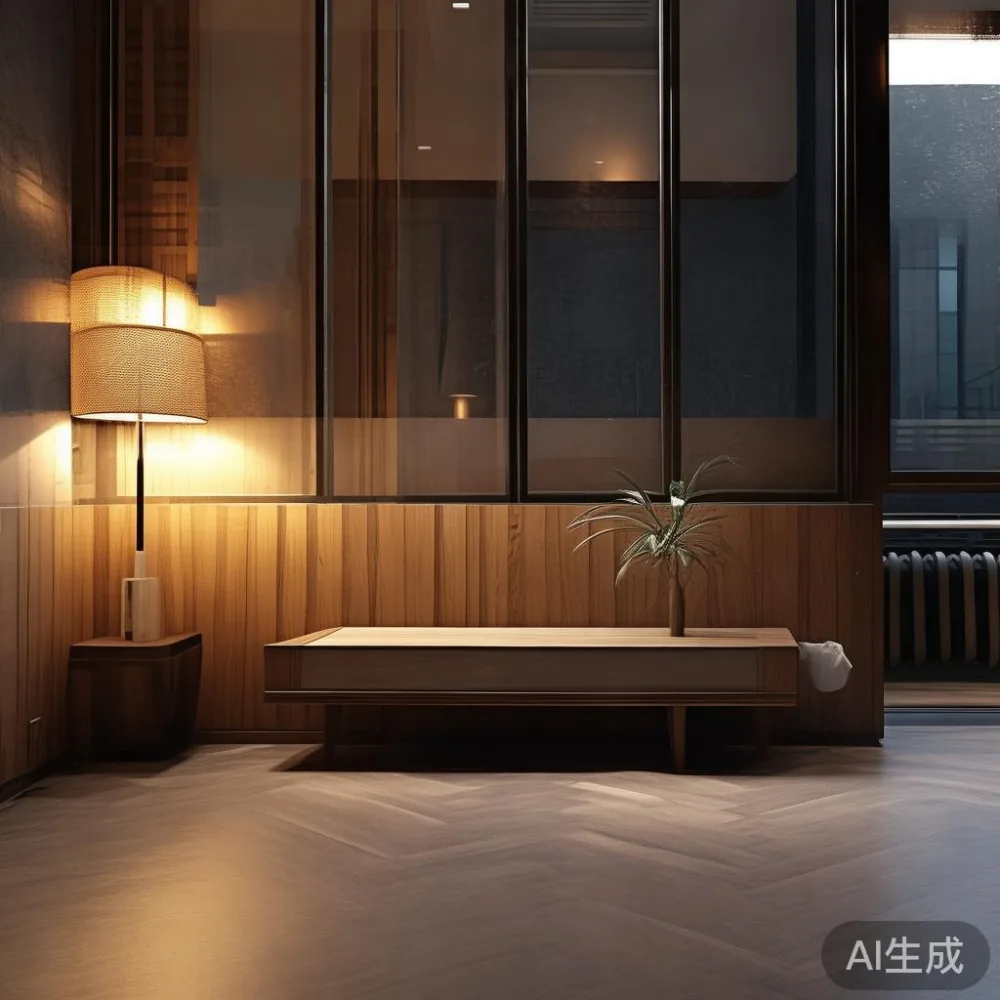
The most obvious difference between veneer and solid wood is the upfront cost. In the Singapore market, a veneer storage bench from a local retailer might be priced between SGD 350 and SGD 600. These benches are often flat-packed and designed for easy assembly. For example, a common size for an entryway storage bench is 120 cm long, 40 cm deep, and 50 cm high. A veneer option in this size range would likely fall within the lower end of that price spectrum.
A solid wood storage bench commands a significantly higher initial price. For a bench of similar dimensions (120cm L x 40cm D x 50cm H), made from a durable hardwood, one can expect to pay between SGD 1,200 and SGD 2,500. This price reflects the higher cost of raw materials, more complex craftsmanship, and the inherent value of a product built to last. The price difference is substantial, with solid wood costing roughly 3 to 5 times more than a veneer equivalent at the point of purchase. This initial gap is the starting point of our five-year comparison.
Hidden Costs of Ownership: Maintenance and Repairs
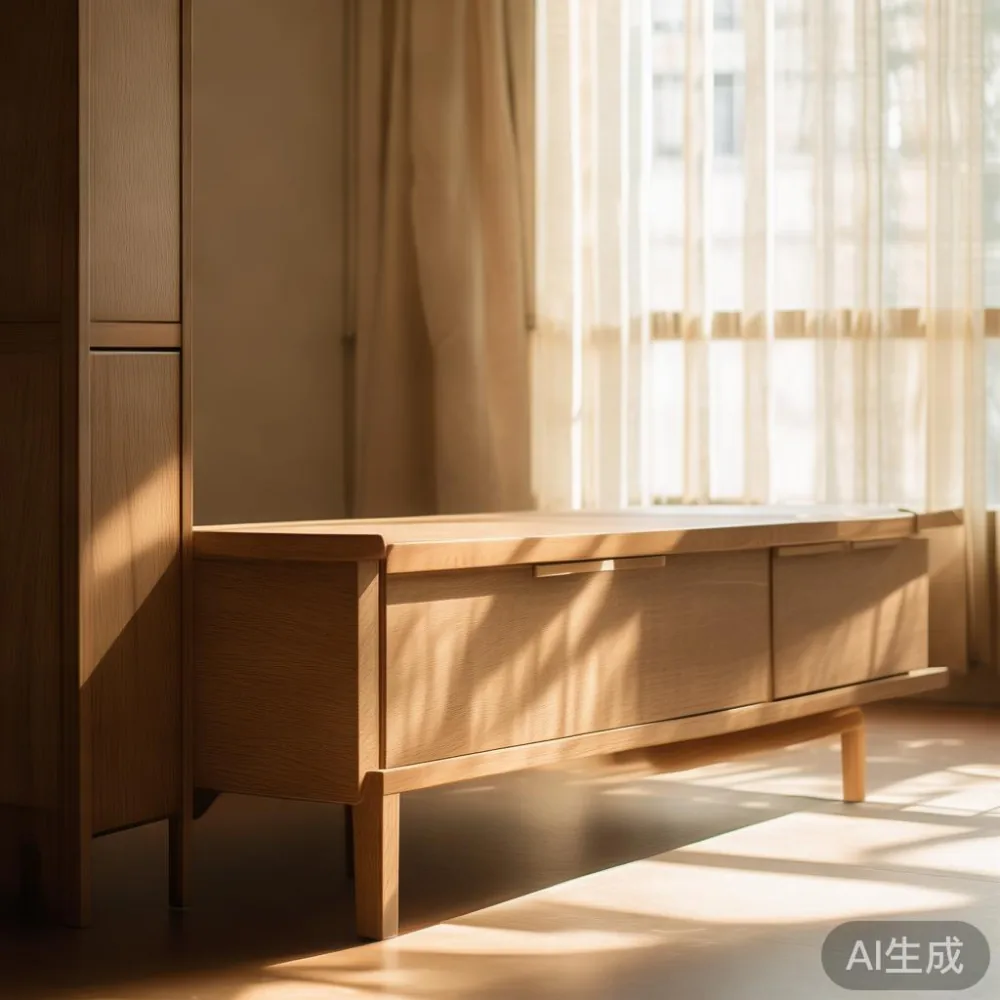
The initial price is only one part of the equation. The true cost of ownership includes maintenance, potential repairs, and eventual replacement. A solid wood storage bench requires minimal maintenance. To preserve its finish, one might need to apply a high-quality wood polish or wax once or twice a year. A 500ml bottle of premium wood polish costs approximately SGD 40 to SGD 60 and can last for several applications. Over five years, this maintenance cost is negligible, perhaps SGD 80 to SGD 120 in total.
Veneer furniture tells a different story. Its engineered wood core is vulnerable. In Singapore's humid climate, a veneer storage bench can suffer from swelling at the joints or peeling at the corners if exposed to moisture. Repairing this is not a simple DIY task. A professional furniture repair service in Singapore might charge SGD 150 to SGD 300 for a minor repair to re-glue a veneer layer. If the damage is extensive, the entire panel might need replacement, a service costing SGD 400 or more. Also, a damaged veneer surface cannot be sanded and refinished like solid wood. Once the thin layer is compromised, the only option is to repair the visible damage or replace the entire piece. This vulnerability adds a significant and unpredictable cost to veneer ownership over five years.
What About the Warranty and Longevity?
Warranty coverage is a critical factor that affects long-term value. Many veneer products come with a limited warranty, often covering manufacturing defects for one to two years. This warranty typically does not cover damage from humidity or normal wear and tear. After this period, the owner assumes all financial risk for repairs or replacement. A veneer storage bench with a two-year warranty might need to be replaced after four or five years due to cumulative damage, incurring a full replacement cost of SGD 500 or more.
Reputable manufacturers like MIDHILL offer a different proposition. A solid wood storage bench from a brand with a 10-year structural warranty provides immense peace of mind. This warranty covers the core integrity of the furniture, meaning if a leg or the frame breaks due to a structural defect, it will be repaired or replaced at no cost. This long-term protection is a significant financial safeguard. Also, the ability to refinish a solid wood piece extends its lifespan indefinitely. A storage bench that has lost its lustre after five years can be professionally refinished for a few hundred dollars, restoring it to its original condition and adding another decade or more to its life. This contrasts sharply with the veneer's single-use lifecycle.
Is a Solid Wood Storage Bench Really Worth the Higher Price?
This is the most common question from Singaporean homeowners weighing their options. The answer lies in the total cost of ownership. Let us model a five-year scenario for a veneer storage bench purchased for SGD 450. Year 1-2: No costs. Year 3: A minor repair due to humidity peeling costs SGD 200. Year 5: The joints have become loose, and a repair to stabilize the frame costs SGD 250. The total cost over five years is SGD 450 + SGD 200 + SGD 250 = SGD 900. If it needs replacement at the five-year mark, the cost jumps to SGD 1,350.
Now, consider a solid wood storage bench purchased for SGD 1,800. Year 1-5: The only cost is for maintenance. Two applications of polish over five years cost SGD 100. The total cost over five years is SGD 1,800 + SGD 100 = SGD 1,900. While the initial outlay is higher, the total cost is comparable or even less than the veneer option that required repairs. More importantly, the solid wood bench retains its value and has a lifespan of 20+ years, whereas the veneer bench is likely headed for the dump. When amortized over its full lifespan, the solid wood option proves to be the more economical and sustainable choice. For those who appreciate finer details, a solid wood piece can even become a cherished part of a home's story, much like finding a beautiful Vintage for guest room accent piece.
Logistics and Delivery in Singapore: A Practical Consideration
The physical aspects of ownership cannot be ignored. Solid wood furniture is heavier and bulkier. Delivering a 35 kg solid wood storage bench to a 5th-floor HDB flat in Tampines requires two delivery personnel and careful navigation of a standard 1.2m wide corridor. Delivery fees for such an item can range from SGD 50 to SGD 100. However, many reputable sellers offer free shipping for orders over SGD 350, which a solid wood piece would easily qualify for.
A veneer storage bench is lighter and easier to handle, potentially reducing delivery costs slightly. However, the convenience of delivery is often offset by the product's fragility. The thin veneer surface can be chipped or scratched during transit or maneuvering through narrow condo corridors in Punggol. A solid wood piece, while heavy, is far more resistant to such transit damage. My colleague last month visited a client in Bedok whose newly delivered veneer storage bench had a noticeable scratch on the top right corner, a defect that could not be easily fixed. This kind of issue adds to the hidden cost and frustration of owning a less durable product.
Style and Value Beyond the Price Tag
It is also worth considering the aesthetic and functional value. A solid wood storage bench possesses a timeless quality. It can fit into various design schemes, from a rustic farmhouse look to a more formal setting. For those exploring how to style French provincial wardrobe in room, a solid wood bench with clean lines can complement the style beautifully. The texture and grain of real wood add a warmth and character that engineered materials cannot replicate.
While veneer can mimic many styles, it often lacks the same depth and authenticity. It may serve a purpose, but it rarely becomes a statement piece. The investment in a solid wood storage bench is also an investment in the home's aesthetic cohesion. It pairs well with other solid wood pieces like a solid wood sofa or a dining table, creating a harmonious and high-quality feel throughout the living space. This sense of quality and permanence is a value that transcends the monetary cost. For those seeking a specific ambiance, a well-crafted piece can anchor a room's design, much like a carefully chosen marble table can define a dining area.
The Midhill Difference: A Commitment to Quality
When evaluating the solid wood option, the manufacturer's reputation and policies become paramount. A company that stands behind its products with a 10-year structural warranty and a lifetime refinishing policy is making a powerful statement about the quality of its craftsmanship. This level of confidence is not something one finds with mass-produced veneer furniture. For a homeowner in Singapore, this means decades of reliable use without the worry of unexpected failures or costs. This long-term support is a form of value that is difficult to quantify but is incredibly reassuring.
For example, a customer interested in a specific style might search for top 10 French provincial furniture options. Within that search, a brand like MIDHILL, known for its solid wood construction and comprehensive warranties, would stand out. The initial price is higher, but the total value proposition is clear. The same logic applies to someone wondering is Italian light luxury bed worth it; the answer often lies in the materials, construction, and the support offered by the manufacturer. A storage bench from such a brand is not just a piece of furniture; it is a long-term asset to the home. For those with a more modern taste, exploring american sofa set design principles might lead them to a post-modern light luxury storage bench that offers both form and function. For budget-conscious individuals, finding quality under 2000 Japanese furniture can be a challenge, but a well-made solid wood piece often provides the best long-term value in that range.
Making the Right Choice for Your Home
The decision between veneer and solid wood for a storage bench ultimately depends on your priorities. If your primary concern is the lowest possible initial cost and you are willing to accept a shorter lifespan and potential repair costs, a veneer product may suffice. However, for those who value durability, longevity, and timeless beauty, a solid wood storage bench is the superior investment.
Over a five-year period, the financial gap between the two options narrows considerably when maintenance and replacement costs are factored in. Beyond five years, the divergence becomes even more pronounced. A solid wood bench continues to serve its purpose, becoming a more valuable part of the home with each passing year, while a veneer bench is likely a distant memory. In the context of Singaporean living, where space is precious and quality is paramount, choosing a piece that will last for decades is a decision that pays dividends in both financial savings and personal satisfaction. For more information on their collections, one can contact the team directly at +86 188 2788 2512.