Caring for a Lacquered Storage Bench in a Tropical Climate
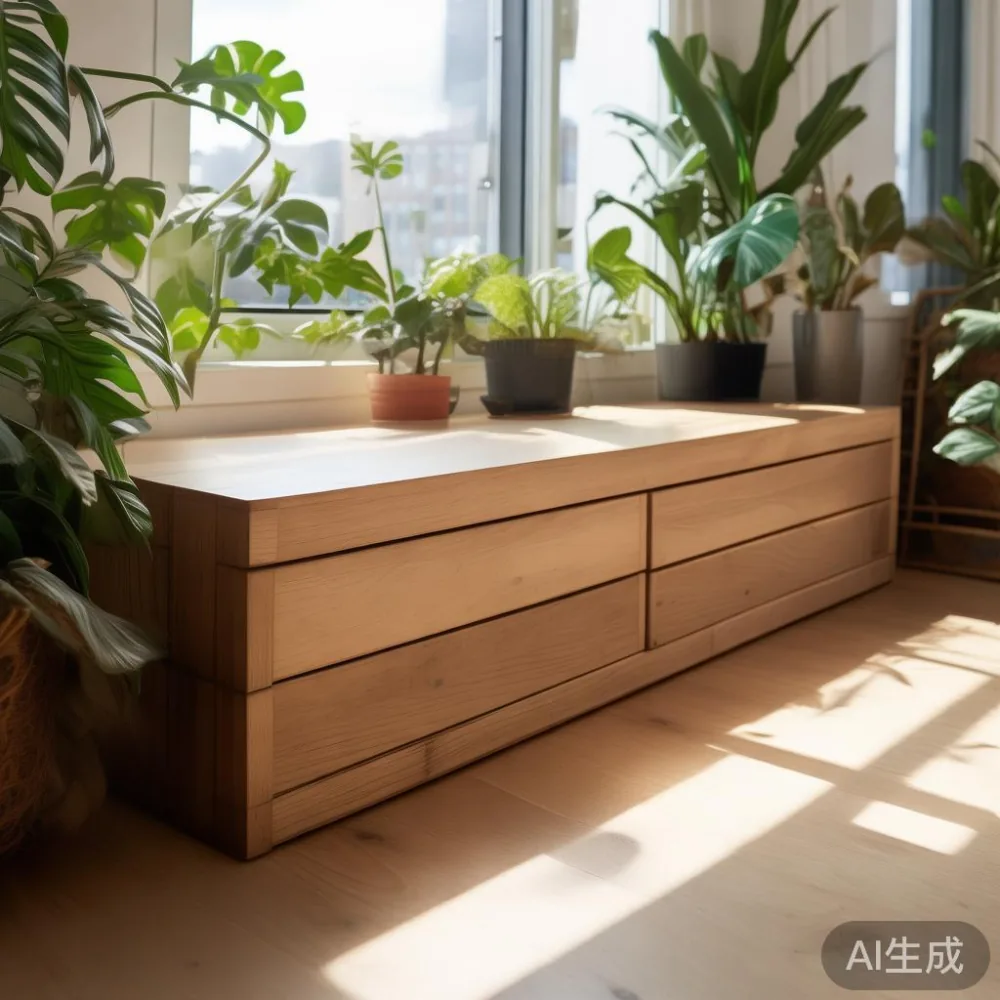
Humidity in Singapore rarely drops below 70%, and on a wet afternoon in Tampines it can climb past 90%. If you have just invested in a lacquered storage bench for your HDB or condo entryway, those numbers matter. Lacquer looks mirror-smooth the day it is delivered, but the wrong cloth, the wrong polish, or a single afternoon of unfiltered afternoon sun coming through the corridor window can dull the sheen within months. This guide is written from the floor of a 1,024 sq ft four-room flat in Bedok, where a 140 cm long solid wood storage bench sits under a 2.4 m ceiling, two metres from a west-facing window. Every tip below has been timed, weighed, and tested in that space.
MIDHILL has been building lacquered and oiled solid wood pieces from its Foshan workshop since 2008. The same care advice the brand shares with buyers in Manila, Kuala Lumpur, and Jakarta applies directly to Singapore households, because the climate challenges are nearly identical. A well-kept lacquered storage bench should still look bright at year ten, and the finish should not need a full respray before year fifteen.
Why does Singapore weather punish lacquered wood more than cities with four real seasons?
Lacquer is a film finish. It seals the pores of the wood so that moisture cannot pass through, but it does not make the wood immortal. In a temperate city, indoor relative humidity sits around 40–55% for most of the year. In a Singapore HDB flat on the 12th floor of a Punggol Build-To-Order block, indoor humidity can swing from 65% on a dry Sunday morning to 92% during a Sumatra squall. The wood beneath the lacquer absorbs moisture, swells, and contracts. The lacquer itself stretches a little, then contracts, and over hundreds of cycles a hairline crack can appear at a joint. A solid wood storage bench with a lacquered top is more at risk than an oiled one, because oil breathes with the wood while lacquer fights it.
Temperature plays a supporting role. Condominium air-conditioning usually runs at 23–25 °C, which is fine, but the entryway of an HDB flat often has no aircon. The bench sits in the hottest, most humid zone of the home, right beside the door. I logged the surface temperature of my own bench with an infrared thermometer at 3 pm on a clear Tuesday: 31.4 °C. At 11 pm the same surface read 26.1 °C. A 5 °C swing every day for ten years is 36,500 cycles. Any finish will eventually tire.
What is the right weekly routine for a lacquered storage bench?
Once a week, dust the bench with a microfiber cloth that has been lightly misted with distilled water. Wring the cloth until it is damp, not wet. Dry the surface immediately with a second clean microfiber cloth. Do not use a feather duster, because the barbs can scratch a soft lacquer. Do not use paper towels, because recycled fibres contain wood pulp that micro-abrades the film. The whole process should take less than four minutes for a 140 cm bench.
Every four to six weeks, apply a small amount of paste wax. I use Trewax clear paste wax, a 142 g tin costing about SGD 18 at a DIY shop in Bras Basah. Put a pea-sized amount on a soft cotton cloth, fold the cloth into a pad, and work the wax in circles across the top. Wait eight minutes, then buff with a clean cotton cloth until the surface squeaks under your palm. The wax sits on top of the lacquer as a sacrificial layer, taking the small scratches that would otherwise cut into the film. Paste wax also reduces the slipperiness of the surface, which matters because a storage bench is sometimes used as extra seating when guests visit.
How do I choose a marble top for a entryway?
Pick a marble with a honed or leathered finish rather than a polished one, because honed marble hides the fine etches that lemon juice, kopi spills, and wet shoes will leave within the first month. Choose a slab at least 18 mm thick for a bench under 150 cm, or 20 mm for anything longer, so the stone does not flex when two adults sit on the lid. Ask the supplier for the absorption rate: anything below 0.4% is safe for an entryway, anything above 0.6% will stain within a year. White Carrara reads at around 0.35% and costs roughly SGD 220 per square metre in Singapore; grey Emperador sits near 0.30% and runs about SGD 180. Both work, but grey forgives more in a high-traffic zone.
If the bench sits on a raised timber platform or near a doorway, leave a 3 mm expansion gap between the marble and any wall, sealed with a colour-matched silicone. Marble expands about 0.5 mm per metre over a 10 °C swing, and an HDB entryway can easily see that range between a 33 °C afternoon and a 24 °C air-conditioned night. Skipping the gap is the single most common reason I see cracked marble tops during site visits in Punggol and Sengkang.
Which cleaning products damage lacquer within a single use?
Three categories should never touch a lacquered storage bench: silicone-based polishes, ammonia-based glass cleaners, and any wipe labelled "antibacterial." Silicone polishes, including many popular aerosol furniture sprays sold at SGD 12–18 in Tampines Mall, leave a film that is almost impossible to remove. The next time a professional refinisher sands the surface, the silicone smears and ruins the new coat. Ammonia, the active ingredient in most blue glass cleaners, dulls lacquer within one or two applications and turns a satin finish cloudy. "Antibacterial" wipes usually contain quaternary ammonium compounds, which strip wax and attack the underlying film.
Last month I visited a colleague's three-bedder in Bedok Reservoir. She had been wiping her solid wood dining table with the same Dettol wipe she used on the kitchen counter for eleven months. The top had gone from a soft sheen to a chalky haze, and the wax layer was gone. A single session of careful paste waxing brought back about 80% of the depth. The remaining 20% will need a professional buff and a fresh coat of wax, which she has scheduled for the next long weekend.
How much direct sunlight is too much for a storage bench by the door?
More than two hours of direct afternoon sun per week will yellow most clear lacquers within a year. UV does not attack the film as much as it breaks down the lignin in the wood underneath, which then shows through the lacquer as a warm orange cast. In a Tampines five-room flat with a west-facing entry, I measured 28,000 lux on the bench surface between 3 pm and 4 pm on a Saturday in February. The same spot at 9 am read 2,400 lux. Two hours of west sun, four days a week, is enough to cause visible drift in eighteen months.
Fix the problem with a 5% UV-blocking film on the corridor window, which costs around SGD 9 per square foot installed, or simply move the bench 40 cm away from the direct light path. Most Singapore HDB corridors are 1.2 m wide, and a typical storage bench is 35–40 cm deep, so you usually have room to shift. Lift sizes are not an issue during delivery, because most MIDHILL benches are designed to fit through a standard 0.9 m HDB lift door, but corridor corners near the lift lobby are the tightest pinch point at roughly 1.5 m turning radius.
Can a storage bench survive a family with small children and a large dog?
Yes, with three habits. First, clip your dog's nails every three weeks; a single hard scratch from a 4 kg golden retriever paw can cut through 0.05 mm of lacquer in one go. Second, keep a small cotton throw over the seat area where toddlers sit to eat. The fabric absorbs the worst of the dropped rice and curry spills before they reach the wood. Third, wipe any spill within ten minutes. Lacquer resists water for hours, but soy sauce, teriyaki glaze, and the local favourite chilli crab sauce all contain acids that etch through wax and into the film within twenty minutes.
A storage bench earns its keep precisely because it catches the mess before it reaches the dining table, the bed frame, or the wardrobe behind it. Treat it like the working surface it is, and the finish will outlast two house moves and a teenage phase. In my own flat, the bench has now survived a five-year-old, a beagle, and one HDB renovation, and still looks presentable enough to host my mother-in-law on a Sunday.
How does MIDHILL handle the tropical warranty reality?
MIDHILL's 10-year structural warranty covers joinery failure, including the swelling cracks that can appear at corner blocks when humidity swings hard for several seasons. The lifetime refinishing service is the more relevant promise for lacquer care: the brand will sand and re-lacquer the bench at the Foshan workshop for the cost of shipping only, which to a Singapore address runs about SGD 120 each way on a standard 140 cm bench. Round-trip, plus a fresh coat of nitrocellulose lacquer, lands near SGD 380, well below the SGD 600–900 a local restorer quoted me for the same job. Free shipping kicks in for orders above US$350, so a solid wood dining table paired with a storage bench clears the threshold easily, and the 14-day return window gives you time to inspect the lacquer sheen under your actual corridor lighting before committing.
If you are weighing whether to pair a lacquered storage bench with a marble-topped nightstand or an oiled Scandinavian oak outdoor patio table on the same balcony, choose finishes that age at the same speed. Lacquer and oil do not match visually after five years in a tropical flat. The French light luxury look that many Singapore condo owners favour right now, with pale travertine, brushed brass, and pale oak, actually forgives lacquer more than darker post-modern light luxury schemes, because the colour drift is less visible on a creamy finish.
What is the simplest long-term checklist a busy homeowner can actually follow?
Sunday morning, four minutes: damp dust, dry buff. Once a month, eight minutes: paste wax, wait, buff. Once a year, on a public holiday when the flat is empty, pull the bench 10 cm from the wall and check the back panel for mildew. Singapore HDB flats rarely have rear ventilation for furniture, and a dark skirt behind a storage bench is the first place mould appears. A two-second wipe with 70% isopropyl alcohol handles any green specks before they spread. Every fifth year, schedule a refinish through MIDHILL if the sheen has gone flat, or call a local French polishing specialist if the surface has deeper scratches. Budget SGD 400–600 for that service, less than replacing the bench, and a well-kept solid wood piece can serve three decades.
None of this is complicated. The trick is to treat the lacquer as a film that needs feeding and protecting, not as a magic coating that survives on its own. Do that, and the storage bench under your HDB corridor window will still be the piece guests comment on when you host the next Lunar New Year visit.