In real rooms
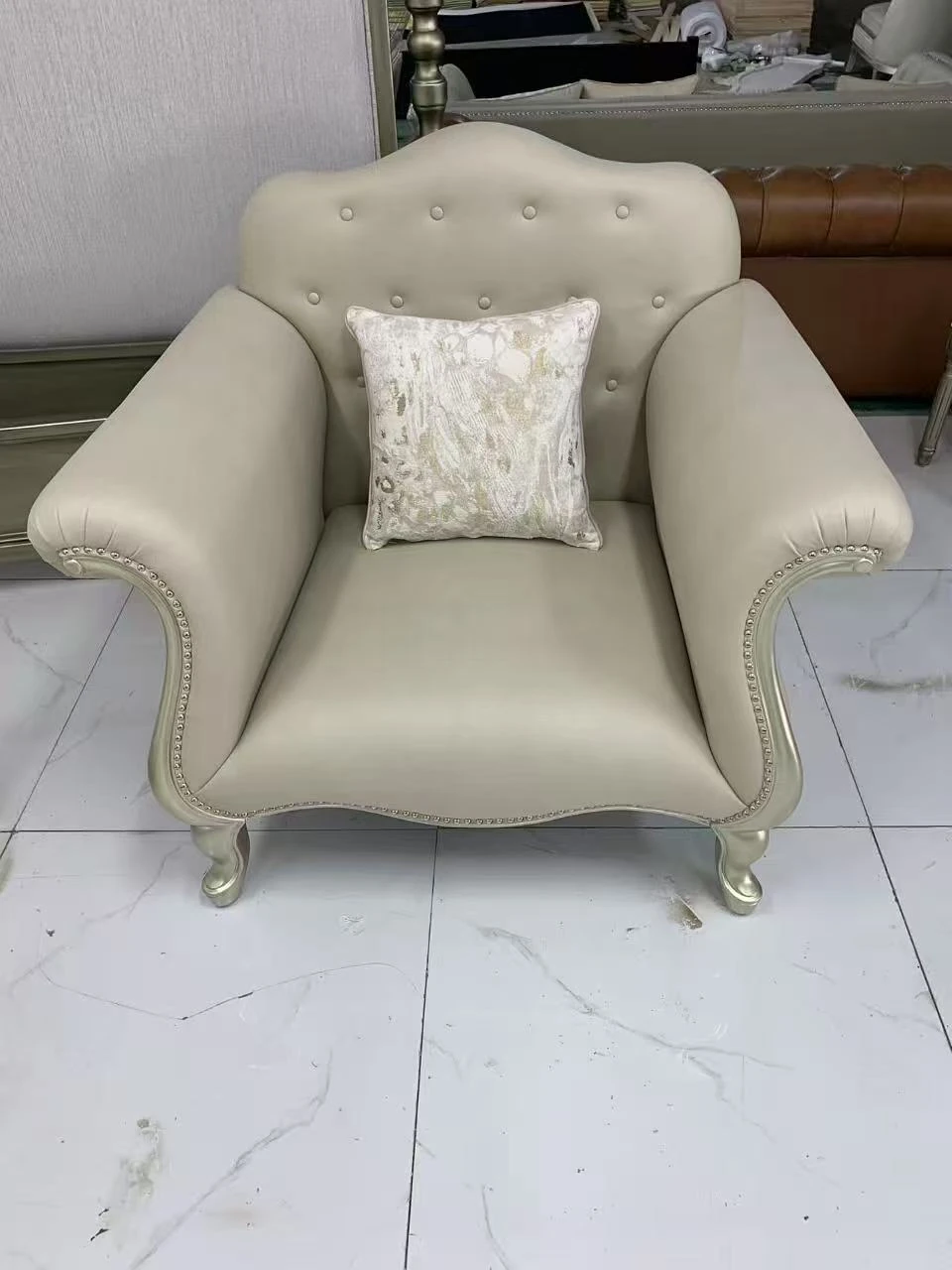
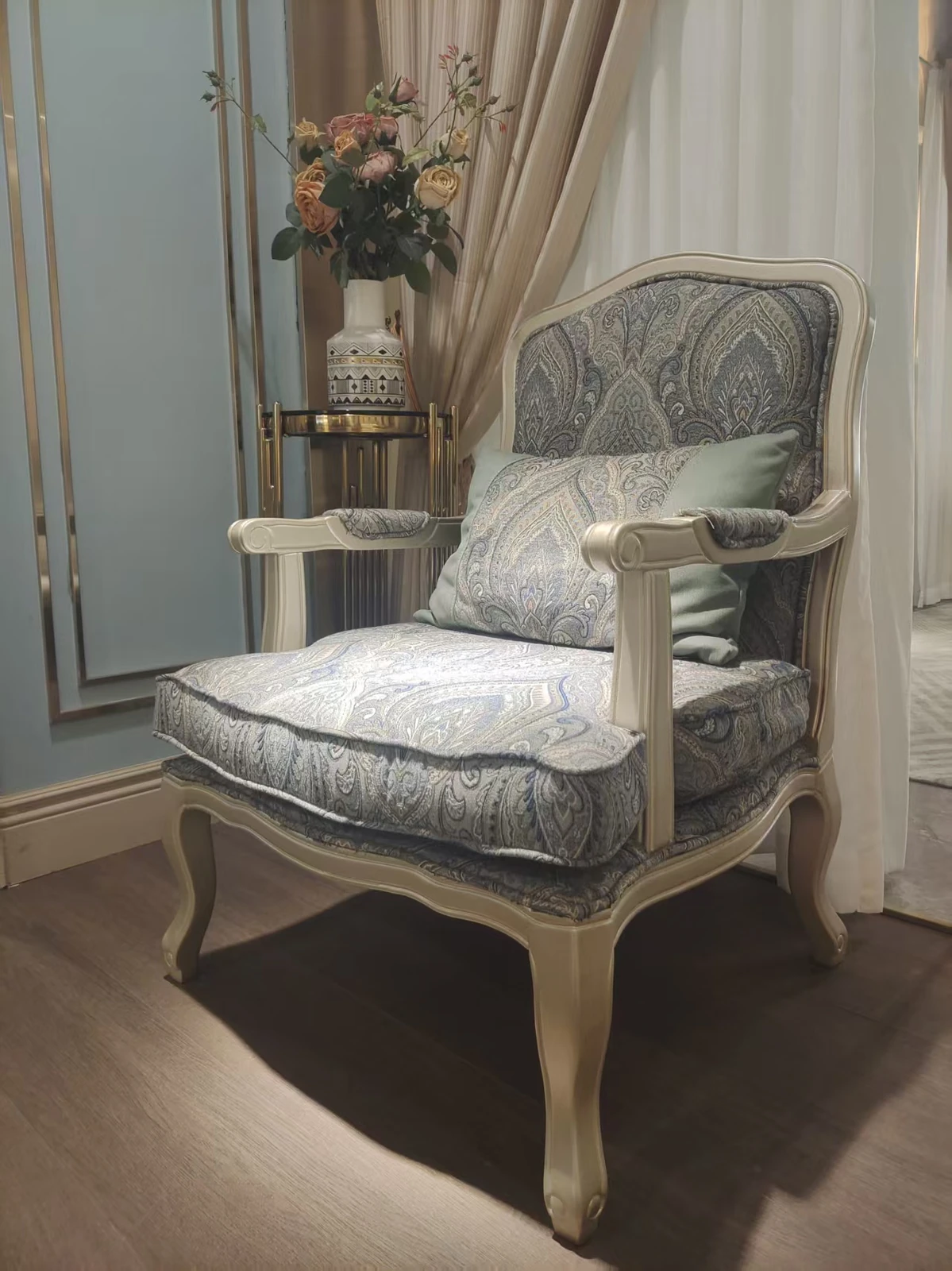
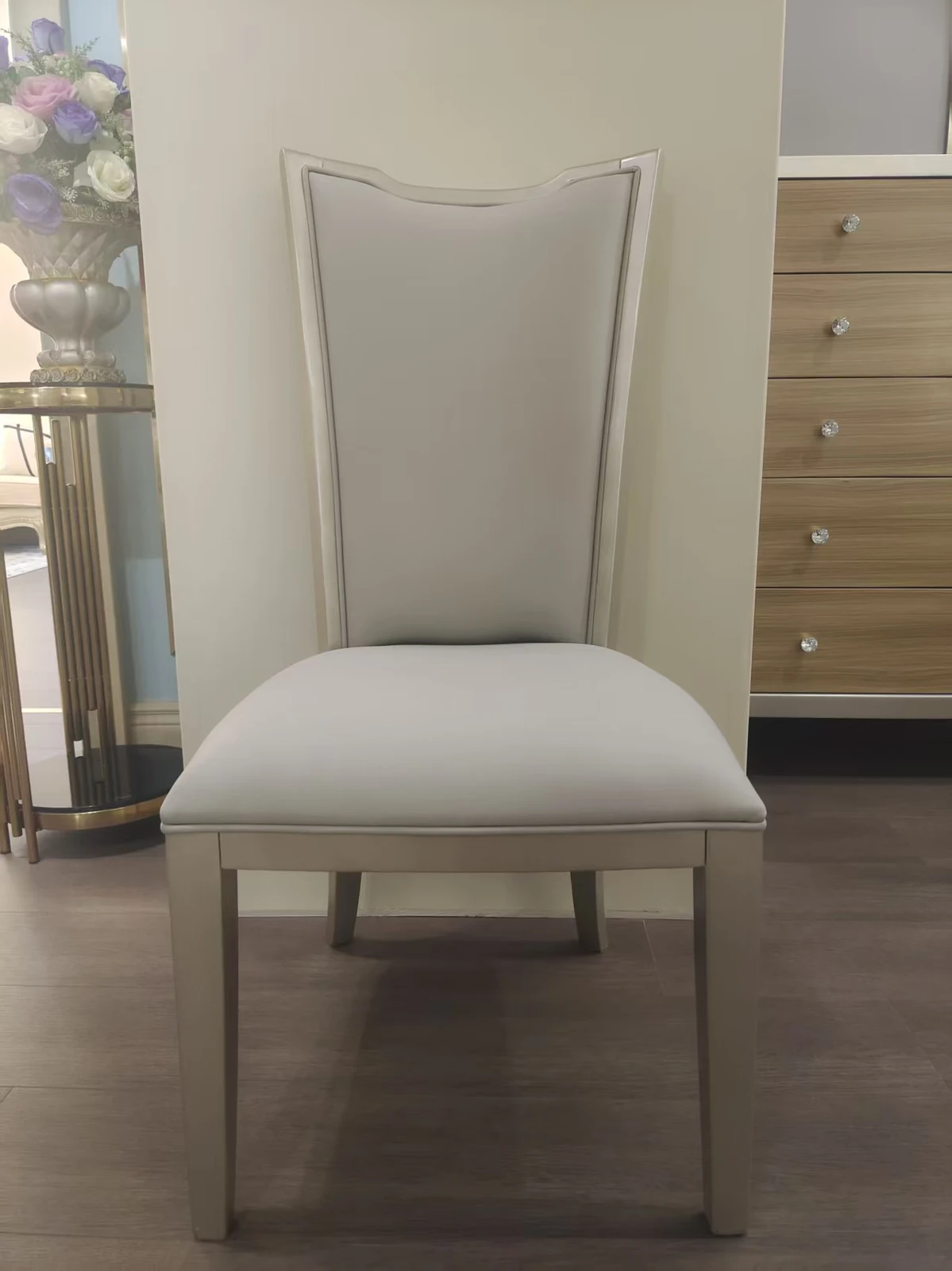
Navigating the world of storage benches can feel overwhelming — from choosing between lift-top and drawer designs to understanding which timber species withstands tropical humidity. Our curated guides walk you through every decision, so you can find the perfect bench that blends seating comfort with practical storage for your HDB living room, condo entryway, or bedroom corner.
Everything you need to know before buying your next storage bench in Singapore
Before you choose a storage bench, measure your space with precision. Record the width, depth, and height of the intended spot, then subtract at least 5 cm on each side for airflow and cleaning access. Note ceiling height in compact apartments—many units exceed standard 45 cm seat heights, blocking doors or corridors. Check floor load limits if placing on raised flooring or above underfloor ducts. Compare seat mechanism types: hydraulic lift lids suit heavier lids, while simple hinged tops may warp over time in humid climates like Singapore or Bangkok. Ask about internal materials—melamine-lined compartments resist moisture better than untreated particleboard in monsoon-prone regions. Verify lid weight capacity if stacking items inside.
Good storage benches come down to three things: material, construction, and honest warning signs. Solid hardwoods like teak, merbau, or oak resist warping in tropical humidity far better than engineered wood or MDF. Look for joinery—dowel and mortise-and-tenon joints beat staples or glue alone. Hardware matters: soft-close hinges and ball-bearing drawer slides from reputable manufacturers prevent premature failure. The base should be reinforced with corner blocks, not just nailed. Warning signs to avoid include visible gaps at joints, uneven surfaces, plastic-feeling components, and lids that sag or refuse to stay open. In humid climates across Southeast and East Asia, moisture resistance is non-negotiable; untreated plywood will swell and fail within months.
A storage bench that works in Singapore must resist humidity while fitting compact HDB layouts. In Malaysia, heavier rain means designs should protect contents from dampness during monsoon months. Japanese homes demand ultra-slim profiles and multi-function pieces that serve as seating, storage, and room dividers in minimal square footage. Korean apartments often feature heated floors (ondol), requiring benches with ventilation gaps to prevent moisture buildup underneath. Meanwhile, Thailand’s consistent heat and humidity call for breathable materials and elevated designs that discourage mould without sacrificing style.
The most frequent questions revolve around dimensions, lid mechanism, and material suitability for humid climates. Buyers want to know whether the bench fits their space—asking about exact length, width, height, and interior capacity in litres. Many wonder if the lid opens easily and stays open on its own, especially when juggling groceries or toddlers. Others ask whether the materials resist mould and warping in tropical weather, which matters across Singapore, Malaysia, and Thailand. In Japan and Korea, questions often focus on whether the bench can double as seating without creaking or sagging. A final common concern is assembly: is it ready to use out of the box, or does it require tools and patience? Plain answers to these build confidence faster than polished descriptions.
Answers to what Singapore buyers ask most