How to Choose the Right Storage Bench Size for a Singapore HDB Living Room
Last month I visited my colleague Priya in her 4-room HDB flat in Tampines North. She had just received a 150 cm solid wood storage bench she ordered online, and we spent twenty minutes trying to wrestle it through her 90 cm-wide corridor. It would not pivot around the lift landing. The courier ended up reversing back down to the ground floor, dismantling the lid panel (which was only 8 cm thick and weighed 14 kg), and rebuilding it inside her living room. The bench itself was perfect — the wrong size was on her, not the maker. That single afternoon is the reason I wrote this guide: HDB living rooms come with predictable constraints, and a storage bench is one of the few pieces of furniture where two centimetres can change whether it actually fits in your life.
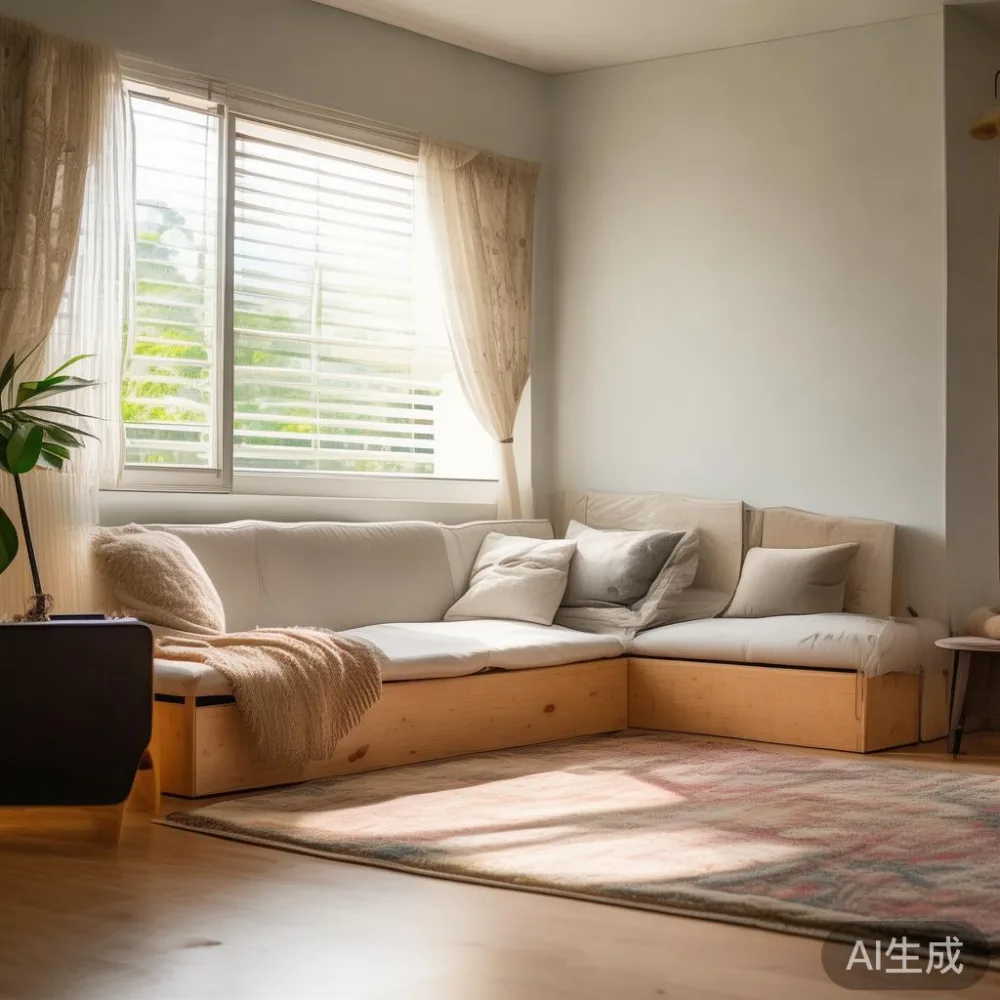
Sizing a storage bench for a small condo or HDB flat is less about aesthetics and more about three numbers: the bench footprint, the corridor it must travel through, and the door it eventually lives beside. Add Singapore-specific concerns — lift cabin depth, GST, delivery charges, and the tendency for HDB corridors to run 1.2 m to 1.5 m wide — and the math becomes very specific. I will walk you through how I now measure, what I recommend for typical 4-room and 5-room layouts in estates such as Bedok Reservoir, Punggol Waterway, and Toa Payoh Lorong 8, and how a well-chosen bench from a workshop like MIDHILL — which has shipped solid wood sofas, bed frames, dining tables, wardrobes, and nightstands since 2008 — tends to survive the realities of HDB living far better than a generic flat-pack import.
What HDB room dimensions actually look like in 2024–2025 BTO flats?
Before picking a bench, write down four numbers in centimetres: living room length, living room width, the internal width of your lift cabin, and the narrowest corner of your ground-floor corridor. For a standard 4-room BTO in Punggol, the living room typically runs 4.5 m by 3.2 m, leaving a usable wall zone of 3.5 m to 3.8 m after the air-conditioning ledge and switchboard allowance. A 5-room in Bedok gives you closer to 5.0 m by 3.6 m. The lift cabin in most HDB blocks sits at 1.1 m deep by 1.5 m wide, with a door opening of roughly 0.9 m. The corridor turning radius — the trickiest measurement — is usually between 1.1 m and 1.4 m at the lift landing.
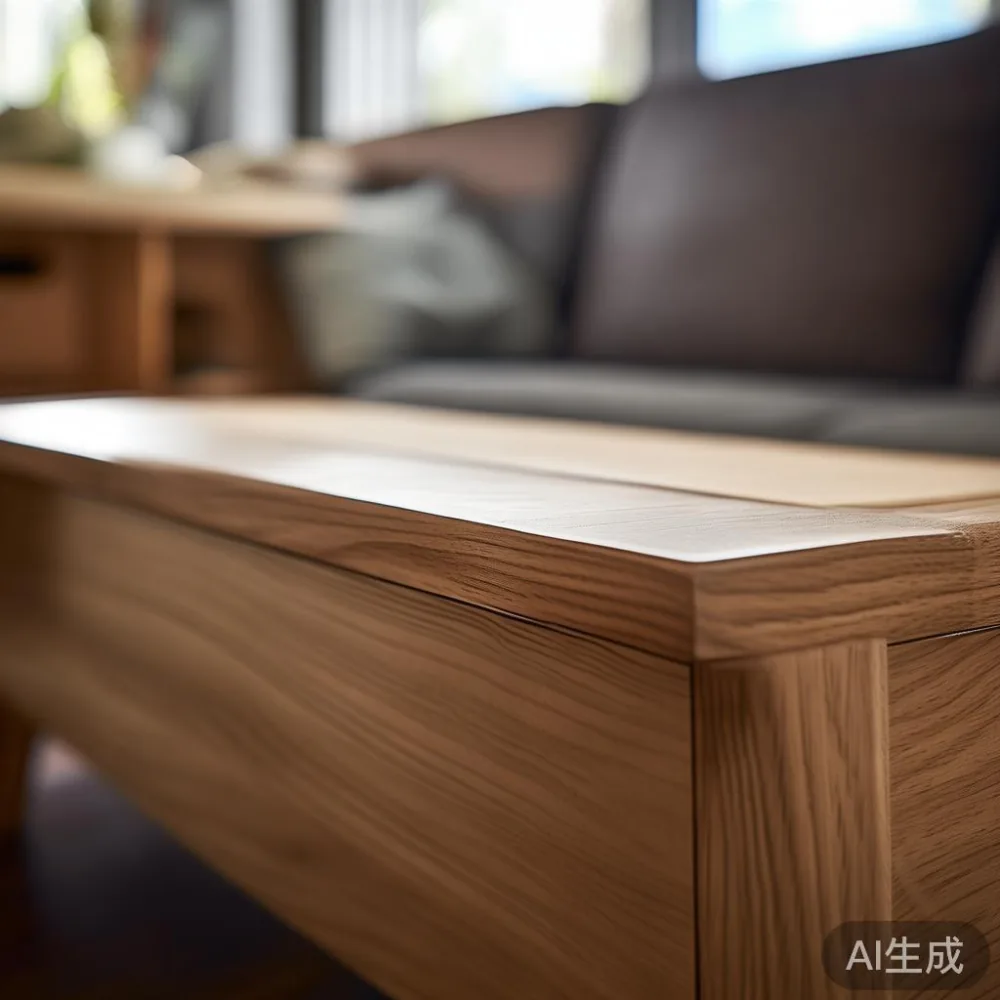
These numbers matter because a storage bench is wide. Even a compact 120 cm bench is a long object, and once it is fully assembled you cannot tilt a rectangle longer than 1.0 m past a corner narrower than 1.2 m without lifting one end. I keep a printed checklist taped inside my wardrobe door: lift depth, lift width, corridor width, doorway width, staircase turn. Priya skipped this list. Her new bench is now perfect, but the 45-minute delivery turned into a 2-hour episode.
How do I style a balcony furniture in a modern Singapore home?
Pick a single material story that already exists inside your living room — typically solid rubberwood or ash — and repeat it on the balcony in a smaller footprint, such as a 90 cm storage bench paired with two 45 cm nesting stools, so the eye reads one continuous surface rather than two competing zones.
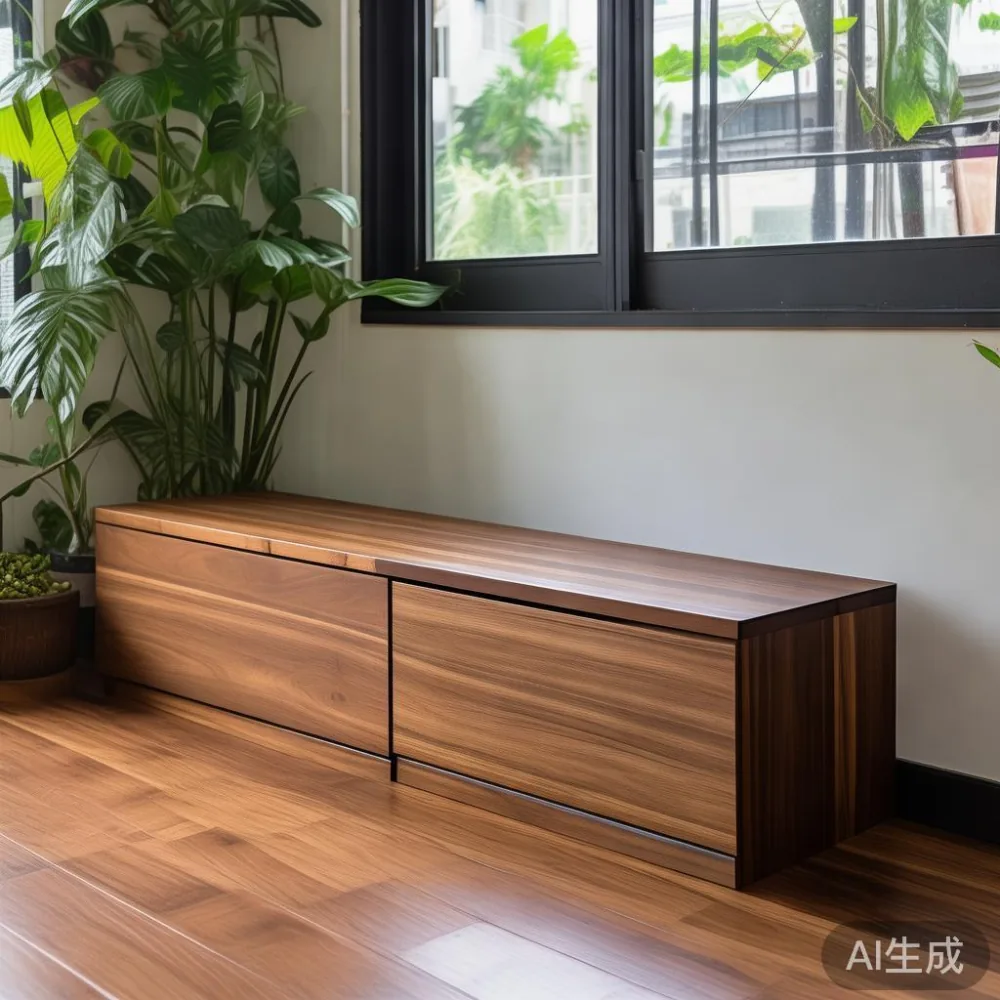
That compact balcony principle scales up directly into the living room. The storage bench you place beside your bay window, under your wall-mounted TV, or at the foot of your sofa should share its wood tone with your existing dining table and nightstand. In American light luxury interiors, the bench usually sits lower (38–42 cm seat height) with a slim 6–7 cm profile and brushed-brass legs. In French light luxury, the lines are softer — curved aprons, fluted drawer fronts, and a slightly taller 44 cm crown that reads as occasional furniture rather than utility seating. Post-modern light luxury blends both: an 80 cm bench with marble-topped side tables flanking it, walnut grain visible through a matte clear coat. The bench becomes a quiet anchor, not a statement piece.
What storage bench dimensions actually work in a 4-room HDB living room?
For a 4-room BTO with a 3.2 m-wide living room, the practical sweet spot for a storage bench is 120 cm to 150 cm long, 38 cm to 42 cm deep, and 44 cm to 48 cm tall. Anything under 110 cm begins to look like a stool; anything over 170 cm starts to dominate the wall and crowds the walkway between the bench and your sofa. Aim for 60–70 cm of clear walking space behind the bench so adults can pass without turning sideways.
Weight matters too. A solid wood storage bench in rubberwood or ash typically weighs 22 kg to 35 kg at 120 cm, and climbs to 40–55 kg at 160 cm. MIDHILL lists net weight on every product page in kilograms, and I have found that anything above 48 kg usually requires two delivery personnel — which most Singapore courier teams handle without surcharge inside the included delivery fee. Heavier benches are also more stable; a 32 kg bench will not walk across your floor the way a 14 kg particleboard unit does, especially on the HDB vinyl surfaces installed since 2018.
Which bench width survives a 90 cm HDB corridor without being dismantled?
If your corridor is 1.2 m wide, a fully assembled bench up to 145 cm long will clear the lift landing and the corridor turn in most HDB blocks. If your corridor narrows to 1.0 m — common in older blocks in Queenstown or Tiong Bahru — cap the bench at 120 cm. Above 150 cm, expect the delivery team to either tilt the bench vertically (which risks scratching the apron) or remove the lid panel and reattach it on site. Reputable workshops design their benches so the lid lifts off with four standard hex bolts in under eight minutes; cheaper flat-packs use glued joints that will not survive one disassembly.
I always measure the diagonal of my lift door, not just the door width. A 0.9 m door with a 1.4 m diagonal means the longest rigid object you can slide in is roughly 1.4 m on the diagonal, which works for a 130 cm bench tilted at 30 degrees. A storage bench for small condo buyers should treat 120 cm as the universally safe length, 140 cm as the comfortable maximum, and 160 cm as a bench that almost certainly needs partial disassembly. The lid, the side panels, and the back rail should each weigh under 18 kg so a single delivery person can lift them without help.
How much usable storage does a 120 cm vs 160 cm bench actually give you?
A 120 cm bench with a 38 cm depth and a 22 cm internal cavity holds roughly 100 litres — enough for three large shoebox boxes, two stacks of A4 magazines, and a folded throw blanket. A 160 cm bench at the same depth jumps to about 135 litres. The difference sounds modest, but in practice the wider bench lets you store long items: yoga mats, a standing fan cage, or a folded baby bouncer that the narrower bench cannot accommodate. Drawers, where present, typically add 15–25 litres of organized space but reduce the open cavity by a similar amount.
For most HDB households I now recommend starting at 130 cm. It clears every standard lift, fits along a 2.8 m wall with 75 cm of breathing room on each side, and offers roughly 110 litres of cavity — enough for daily-use items like remote controls, four pairs of indoor slippers, and a spare set of bedsheets. If you own a dining table that extends to 200 cm with two leaves, mirror that proportion: a 160 cm bench reads as a deliberate pair, while a 120 cm bench next to a 200 cm table looks like an afterthought.
What is a fair price for a solid wood storage bench in Singapore?
For solid rubberwood or ash construction with a smooth running soft-close hinge, expect S$650 to S$1,150 for a 120–140 cm bench in 2025. A 160 cm bench in the same material typically lands between S$1,050 and S$1,650. Marble-topped variants, walnut veneer, or French light luxury detailing push the range to S$1,400–S$2,400. Add 9% GST on top, which Singapore retailers must display inclusive-or-exclusive depending on their registration status; most cross-border furniture sites show the figure before GST and add it at checkout.
Delivery is where the real surprises hide. A standard HDB delivery with two men and a liftable trolley runs S$60–S$120 for ground floor, and S$120–S$200 if your unit is on the 10th floor or higher with no direct lift access. Some workshops — MIDHILL among them — absorb delivery above a certain order value, which is why the 14-day return window and free-shipping threshold matter as much as the headline price. A S$899 bench with S$180 delivery and 9% GST works out to S$1,174 all-in; a S$749 bench with S$60 delivery and GST works out to S$881. The cheaper sticker often loses once the surcharges land.
How long does delivery and what about the warranty paperwork?
For in-stock benches shipped from a regional warehouse, expect 7–14 working days to most Singapore addresses. Made-to-order pieces in custom finishes run 21–35 working days. Ask for the manufacturing date stamped on the warranty card and the batch number on the underside of the seat — these let the workshop trace the wood lot if a refinishing claim ever arises. A 10-year structural warranty on solid wood frames is generous for the category; lifetime refinishing on wear surfaces (the seat top, the drawer fronts, the visible apron) is rarer and worth several hundred dollars in deferred maintenance.
Keep the original foam wrap and the corner protectors. HDB corridors chew up furniture during move-in week, and a bench delivered in perfect condition can still pick up a dent during your own renovation. A refinishing service that sands back to bare wood, re-stains, and re-seals the surface typically costs S$120–S$280 per piece and resets the piece to a near-new state. That single benefit, over a 15-year ownership window, often outweighs a S$200 price difference between two competing benches.
Will a storage bench fit through my door and how do I measure?
Measure the narrowest opening between the door frame and the opposite wall, including the skirting board. Then subtract 4 cm for maneuvering tolerance. That is your maximum bench length. Measure the lift cabin depth and width, then measure the corridor turn by laying a tape at the inside corner and noting the diagonal. Anything longer than the diagonal of your lift door will require vertical tilting or partial disassembly. Photograph each measurement and share the photos with the seller before paying; a workshop that asks for these numbers up front will deliver a better experience than one that does not.
For ground-floor units without lift access, add 15 kg to the bench weight in your planning — two delivery personnel can manage 40 kg on flat ground, but staircases consume energy fast and most teams will refuse above 55 kg without an elevator. A storage bench for small condo living should be designed so that even a solo resident can slide it across the floor on its felt pads during a deep clean; a 25 kg bench in rubberwood with eight felt glides moves with one finger, which matters more than people expect over a decade of use.
Final checklist before you click pay
Confirm the external dimensions in centimetres, the internal cavity height in centimetres, the net weight in kilograms, the wood species with both the common name and the botanical name, the finish type (wax, oil, lacquer, or matte sealer), the hinge mechanism (butt hinge, soft-close, or finger-joint), and the warranty period in years on the structural frame. Confirm delivery cost, GST treatment, return window, and whether the lid is removable for access. Confirm that the workshop has shipped to Singapore before — a 2008 founding date and exports to 15+ countries is a reasonable proxy for familiarity with HDB access, but ask for one Singapore reference photo to be sure.
A storage bench is one of the most-used pieces of furniture in a small living room: it is a seat for guests, a tray table for morning coffee, a shoe drop, a blanket chest, and occasionally a luggage perch during a staycation. Choosing the right size means it disappears into the room rather than dominating it, slides through the corridor without drama, and lasts through the next two renovation cycles. Measure twice, order once, and keep the warranty card where you can find it in 2034.