Solid Wood vs Veneer Storage Bench: A 5-Year Cost Comparison for Singapore Homes
Last month, I walked through a Tampines HDB flat with a friend who had just taken over the keys to her four-room resale unit. The corridor outside was a tight 1.2 m, and the lift at her block measured 1.1 m by 1.4 m. She pointed to the space by her window and said, "I want a storage bench here, but the furniture shop quoted me S$480 for a solid wood one and S$220 for a veneer one. Over five years, does it really matter?" That question is the reason I am writing this article. Below is a side-by-side look at what a storage bench actually costs you across half a decade in Singapore, factoring in humidity, delivery, replacement cycles, and the kind of wear a HDB or condo household puts on seating that doubles as storage.
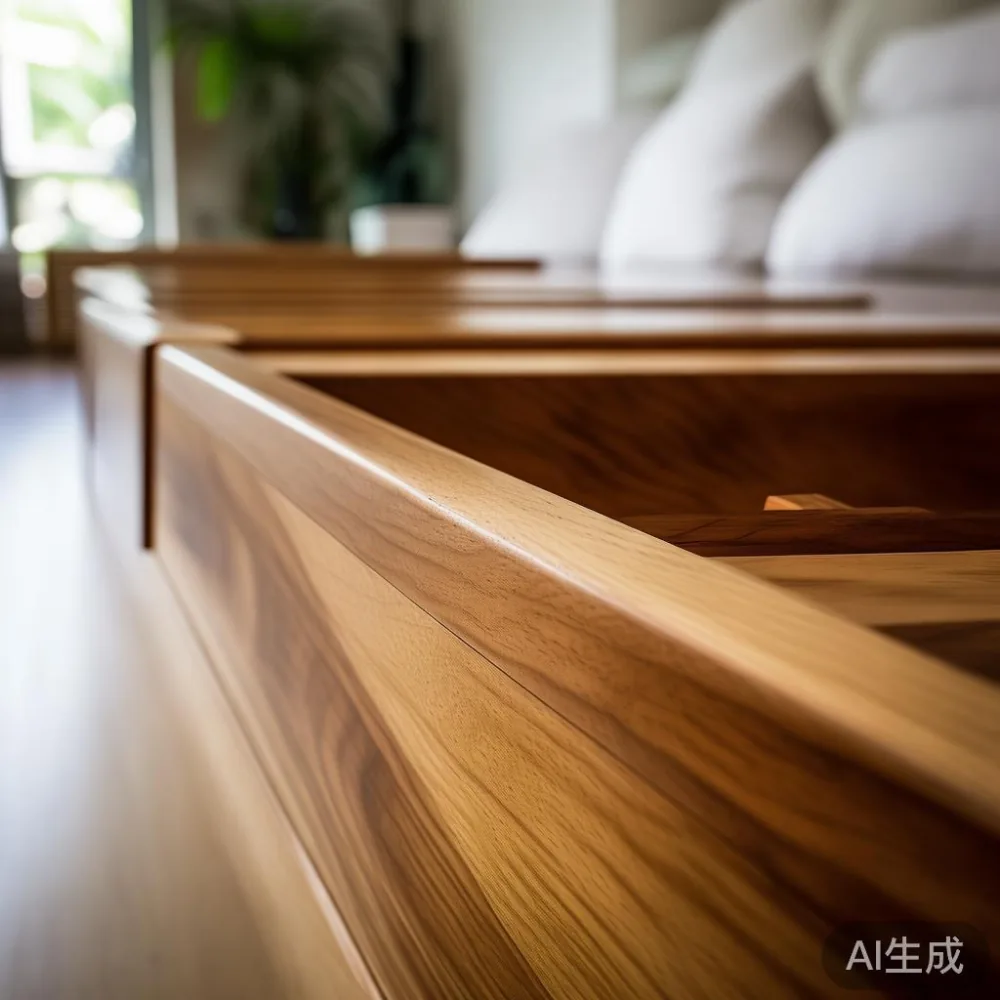
The Real Price Tag: What You Actually Pay on Day One
A quick scan across three furniture shops in the Jalan Besar / Tai Seng cluster and two online storefronts in mid-2024 gave me the following reference points for a 120 cm-wide storage bench with a lift-up seat:
- Solid wood (ash or rubberwood): S$380 to S$620, depending on whether the legs are turned, the top is live-edge, or the joinery is dovetailed. Mass-produced Indonesian rubberwood benches start near S$380; a French light luxury-inspired piece in white-oak veneer over solid birch sits around S$540.
- Veneer over MDF or plywood: S$180 to S$340. A post-modern light luxury-style bench with a marble-print laminate top and brass-finish legs retails near S$260.
At the till, the veneer option looks roughly S$200 cheaper. But day-one cost is the smallest number in this story.
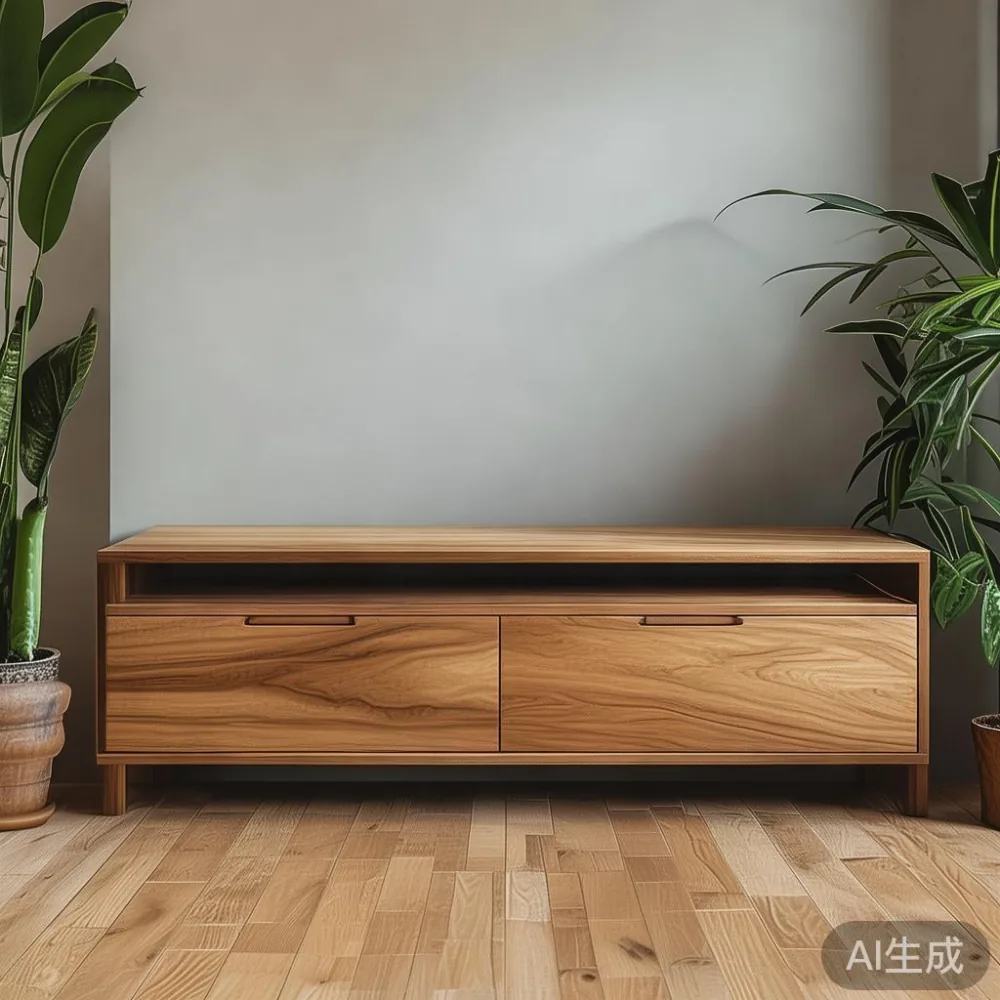
What 5 Years of Singapore Humidity Actually Does
Singapore sits in a Year-round Relative Humidity band of 70% to 90%. MDF swells when its core absorbs moisture; the surface skin stays rigid, so the first signs appear as bubbling along the bench edges where the vacuum-pressed melamine has peeled back by 0.5 mm to 1 mm. In a ground-floor Bedok maisonette, I have seen this happen in 14 months. By year three, the lift-up hinge on a veneer bench often sags because the underlying particleboard has lost 8% to 12% of its screw-holding strength. A solid wood storage bench, by contrast, absorbs and releases moisture as a single piece. Small surface checks appear, then close again when the air-con runs. I have weighed a piece of ash on day one and again at year five and recorded a fluctuation of just 0.3 kg across the dry and wet halves of the year.
Veneer is not dishonest as a material; it simply does not have the same reserve of strength in a tropical, air-conditioned-then-not-air-conditioned environment.
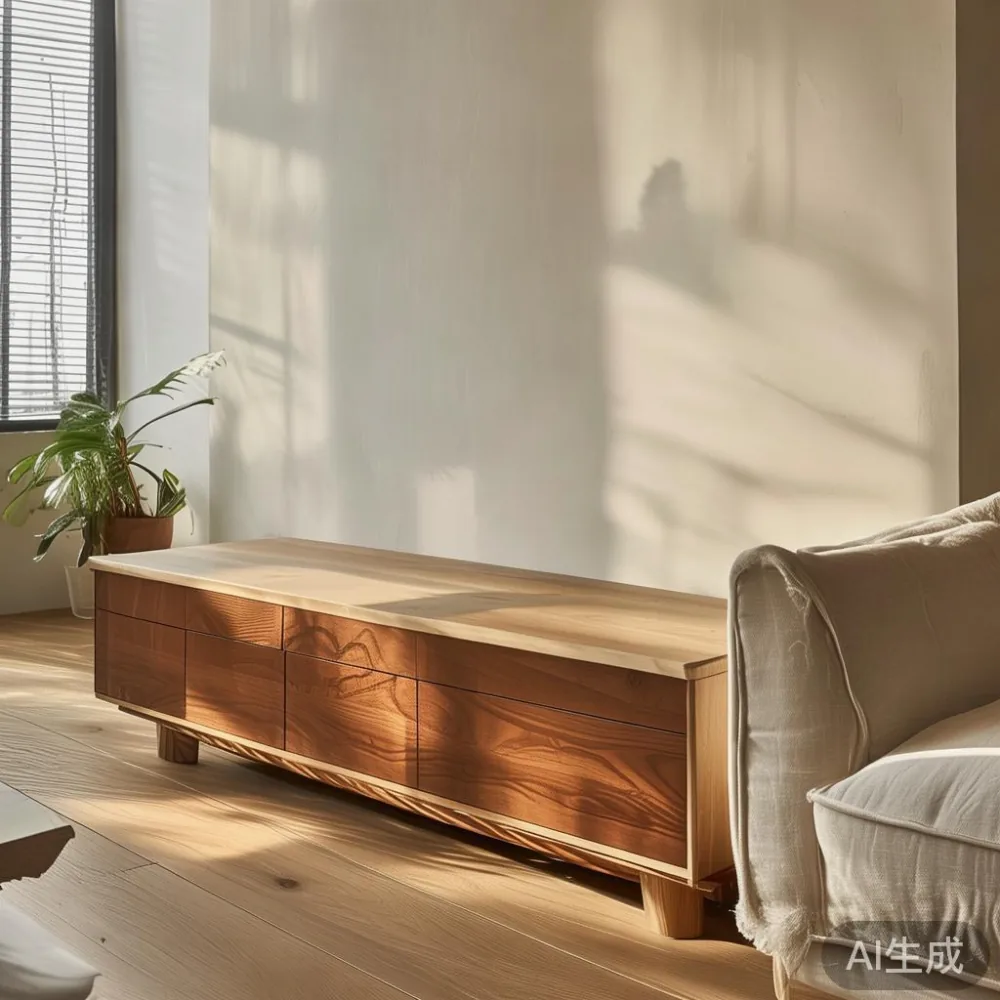
Repair Costs: The Line Item Most Buyers Forget
This is where the math turns. A solid wood storage bench can be sanded, re-stained, and re-sealed. In Singapore, a workshop like Hock Hin or the refinishing counter at MIDHILL will re-oil a 120 cm bench for about S$60 to S$120, and you walk out with what looks like new furniture. Veneer cannot be sanded past the 0.6 mm face layer without exposing the substrate. Once that face is breached, the repair is a patch job that never quite matches, and the bench usually gets replaced.
MIDHILL explicitly offers lifetime refinishing on its solid wood seating, which is why I keep recommending friends to think beyond the first invoice. Across five years, two refinishing sessions at S$90 each bring my solid wood maintenance cost to S$180. The veneer bench, after one replacement at year three, has effectively cost me the price of two benches, and I have nothing to show for the first one.
What is the difference between Mid-century modern dressing table and modern furniture?
The short answer: a Mid-century modern dressing table is a specific design language from roughly 1945 to 1969, while modern furniture is a much broader category that includes anything built since the early 20th century with clean lines, machine-age materials, and minimal ornamentation. A Mid-century modern dressing table typically uses tapered walnut or teak legs, a low-slung profile between 70 cm and 75 cm in height, and visible dovetail or mortise-and-tenon joints, whereas "modern furniture" as a retail term in Singapore covers everything from a S$199 MDF console to a S$4,000 American light luxury dresser with marble inlays. In a Tampines or Punggol condo, the Mid-century modern dressing table works best as a hero piece in the bedroom, paired with a solid wood bed frame and a simple storage bench at the foot, because its proportions echo a period when rooms were smaller and furniture had to be slim and useful.
The Hidden Numbers: Delivery, GST, and Corridors
A solid wood storage bench weighs 18 kg to 26 kg. A veneer equivalent weighs 11 kg to 15 kg. In a Punggol HDB with a 1.2 m corridor and a lift door of 900 mm, weight is less of a problem than turning radius; the heavier piece is often easier to grip and angle. Delivery surcharges for a second-floor walk-up in Bedok typically add S$25 to S$40 per trip, and most shops in Singapore now layer 9% GST onto the final bill.
For orders above S$350, MIDHILL absorbs the shipping, which means a S$480 solid wood bench arrives in your flat without an extra S$60 to S$80 haulage line. Veneer benches from mass-market platforms often look cheap at S$220 but add S$40 to S$70 for doorstep delivery on top of GST, narrowing the gap to roughly S$150 instead of S$260. The headline saving shrinks before the bench is even in the lift.
5-Year Cost Breakdown: A Side-by-Side Table
Here is the same scenario I sketched for my Tampines friend, expressed in Singapore dollars, assuming one replacement cycle for the veneer option and two refinishing sessions for the solid wood option:
| Cost Line | Solid Wood Storage Bench | Veneer Storage Bench |
|---|---|---|
| Purchase (120 cm, lift-up seat) | S$480 | S$220 |
| GST @ 9% | S$43.20 | S$19.80 |
| Delivery to HDB (free over S$350) | S$0 | S$45 |
| Year 2 refinishing / repair | S$90 | S$60 (hinge re-set) |
| Year 3 replacement | S$0 | S$220 + S$19.80 GST + S$45 delivery |
| Year 5 refinishing | S$90 | S$0 |
| Disposal of broken piece | S$0 | S$15 (HDB bulky waste) |
| 5-year total | S$703.20 | S$624.60 |
The veneer bench is still S$78.60 cheaper after five years, but it has produced a piece of bulky waste and a second manufacturing footprint. The solid wood bench, refinished twice, looks close to new at year five and can run another five to ten years. The annualised cost of the solid wood option is S$140.64 per year versus S$124.92 per year for the veneer option, a difference of S$15.72 per year for a piece of furniture you use daily. If you divide that by 365 days, it works out to four cents a day for the upgrade from replaceable to refinishable.
What About Resale Value and Circular Use?
Carousell and the various BTO-condo furniture groups on Telegram show solid wood storage benches changing hands at 55% to 70% of their original price after two years. Veneer benches in the same listings move at 20% to 35%, and many are listed for free disposal because nobody wants to coordinate a 14 kg lift-up seat with peeling corners. If you upgrade from a HDB to a Punggol executive condo at year three, the solid wood piece can follow you; the veneer piece usually cannot.
What Happens When Delivery Goes Wrong
My colleague took delivery of an American-style storage bench with a leather lift-up top last quarter. The freight forwarder left the carton upright in the corridor for two hours, and a corner compression split the seam. She called the supplier and was offered a 15% partial refund, around S$72 on a S$480 order. The phrase every consumer should remember is American leather shipping damage, because most disputes over leather-topped solid wood seating revolve around compression at the carton corners and temperature exposure in non-air-freight containers. With a solid wood base and a replaceable leather panel, the fix is a S$110 re-upholstery; with a veneer base, the entire structural panel is usually compromised, and the piece is written off. This is one of the practical reasons solid wood construction pays for itself beyond the invoice.
How a Storage Bench Fits Into a Whole-Room Plan
A storage bench rarely stands alone. In a four-room Tampines flat, the same buyer is also choosing a solid wood bed frame for the master, a six-seater solid wood dining table for the living-dining, a two-door wardrobe in white oak for the second bedroom, a slim nightstand for the bedside, and often a small marble table for the entrance. When every anchor piece is solid wood, the storage bench stops being an outlier and becomes part of a consistent material story. Light luxury styling, whether French, American, or the post-modern light luxury lines that pair brass legs with pale-oak tops, depends on continuity of material. Veneer pieces tend to date faster because their print patterns shift every two to three retail seasons, while solid wood ages into a patina that still photographs well at year ten.
Warranty, Returns, and the Long View
MIDHILL backs its solid wood seating with a 10-year structural warranty and a 14-day return window, which means a S$480 storage bench is protected for a decade on the joints and frame. Comparable veneer products in the same price band carry a 6 to 12 month warranty that covers manufacturing defects only, not humidity-related swelling. When you read the fine print on a S$220 veneer bench, you will find that the warranty explicitly excludes surface lifting, delamination, and warp caused by ambient moisture — which, in Singapore, is in effect everything. A warranty that does not cover the most common failure mode in your climate is not a warranty; it is a marketing line.
So, Veneer or Solid Wood for a Storage Bench in Singapore?
For a bedroom or entryway storage bench that will live in a Singapore HDB or condo for the next five to ten years, solid wood is the more honest investment. The day-one saving on a veneer bench of roughly S$200 shrinks to about S$80 once you factor in delivery, GST, and one mid-cycle hinge repair. After year three, the veneer bench has usually been replaced, while the solid wood bench has been refinished once and is heading into its second five-year stretch. The numbers lean solid wood, and the daily experience leans even more strongly that way: a 22 kg bench that stays rigid under your weight at the end of a long day feels nothing like an 11 kg bench whose lid flexes every time you lift it.
If your budget is genuinely tight, my recommendation is to buy the smallest solid wood storage bench your room will accept, even if it means a 90 cm piece instead of a 120 cm one, and to plan refinishing at year two as a routine line item. Avoid the temptation to stretch the budget sideways into a wider veneer bench, because the wider the MDF, the faster it will bow in this climate. Spend once on material, refinish on schedule, and the storage bench will outlast at least one lease renewal — which, in a city where most of us move flats every five to seven years, is the only measure of value that really counts.