What Actually Drives the Price of Solid Wood Furniture? A Singapore Guide to Solid Wood Storage Benches
Solid wood furniture is often sold as a simple combination of timber, design and workmanship, yet the final price can vary by several hundred or even several thousand Singapore dollars. For homeowners furnishing HDB flats and condos in Tampines, Bedok or Punggol, the difference matters: a storage bench may need to fit through a narrow lift, stop safely at a compact corridor and remain proportionate to a living room rather than overpowering it.
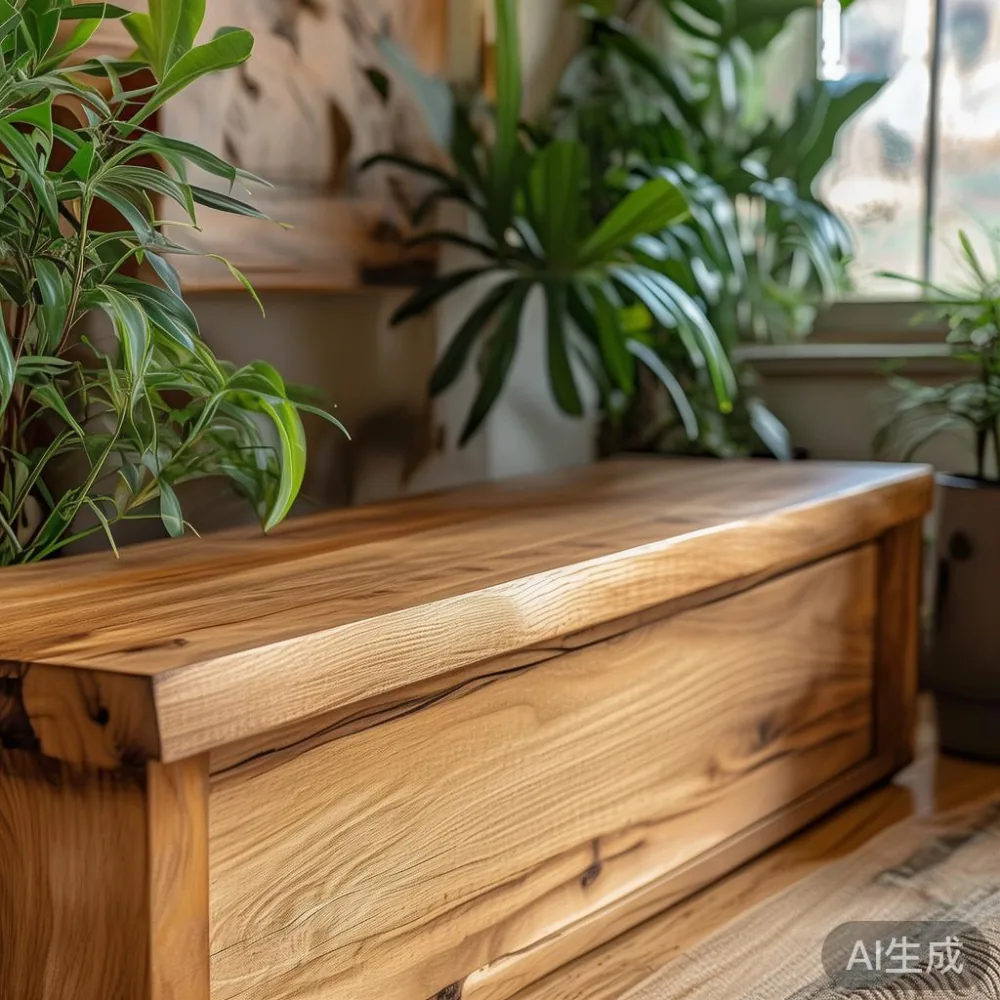
This guide examines the factors behind solid wood furniture pricing, using storage benches as the main example. It also considers how solid wood sofas, bed frames, dining tables, wardrobes, nightstands and marble tables are priced, without losing sight of the measurements, logistics and service terms that affect the amount paid at checkout.
What material really costs in a solid wood storage bench?
The first price driver is not simply the word “solid wood.” Different species have different densities, grain patterns, availability and processing costs. A storage bench made from rubberwood may be more economical, while oak, walnut, ash or other imported or locally sourced hardwoods can command a higher figure. Veneered wood and engineered boards may reduce material cost, but they behave differently at edges, joints and moisture-exposed areas.
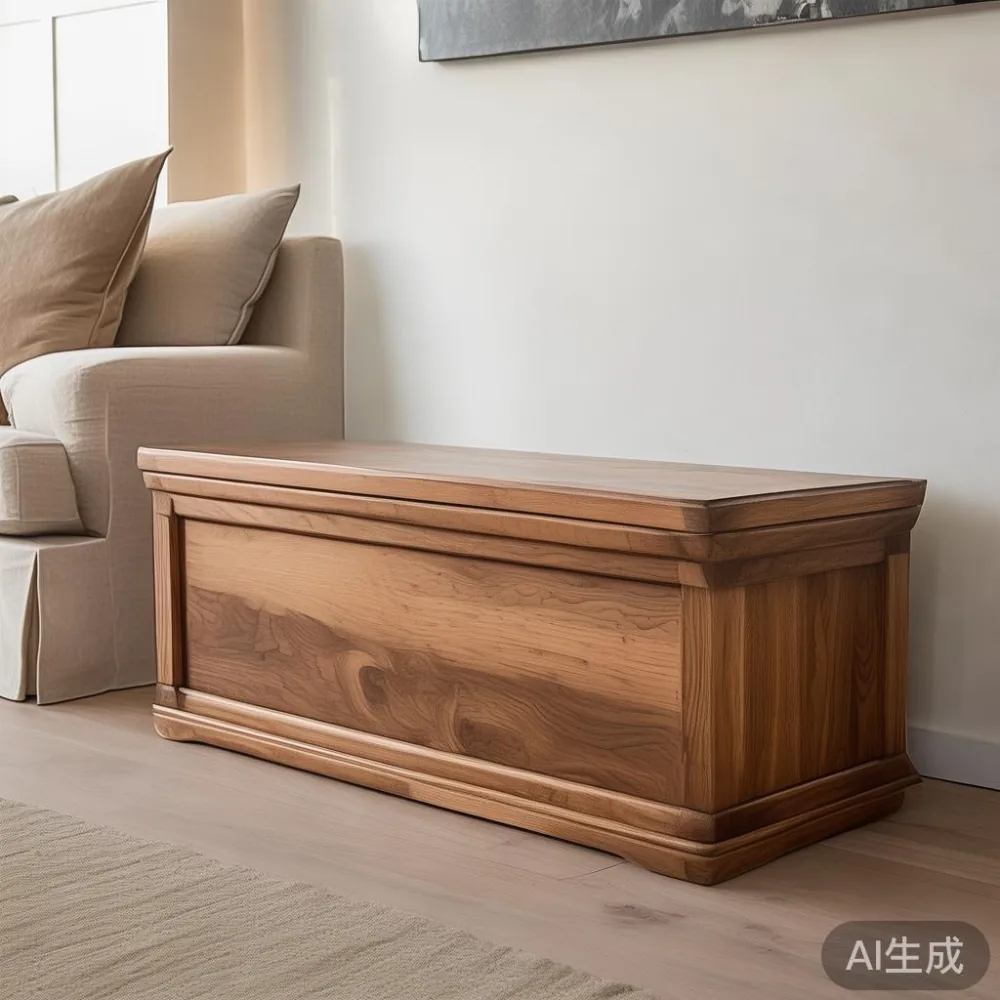
For a practical comparison, a storage bench using 18–25 mm solid wood panels may cost more than a similar unit using 12–16 mm engineered panels, because more timber must be dried, cut and finished. Dense hardwood can also require slower machining and more careful handling. Weight is another signal, although not a guarantee of quality: a 160 cm storage bench might weigh 35–55 kg, while a larger 180 cm bench with thick legs and a reinforced lid could weigh 60–85 kg.
The species and grade should be stated clearly on the quotation. Ask whether the visible surfaces are solid wood, whether the back panel and interior shelves use the same material, and how knots, sapwood and minor grain variation are treated. A supplier who explains these details in writing gives the buyer a fairer basis for comparison than a low headline price followed by unspecified “premium” wording.
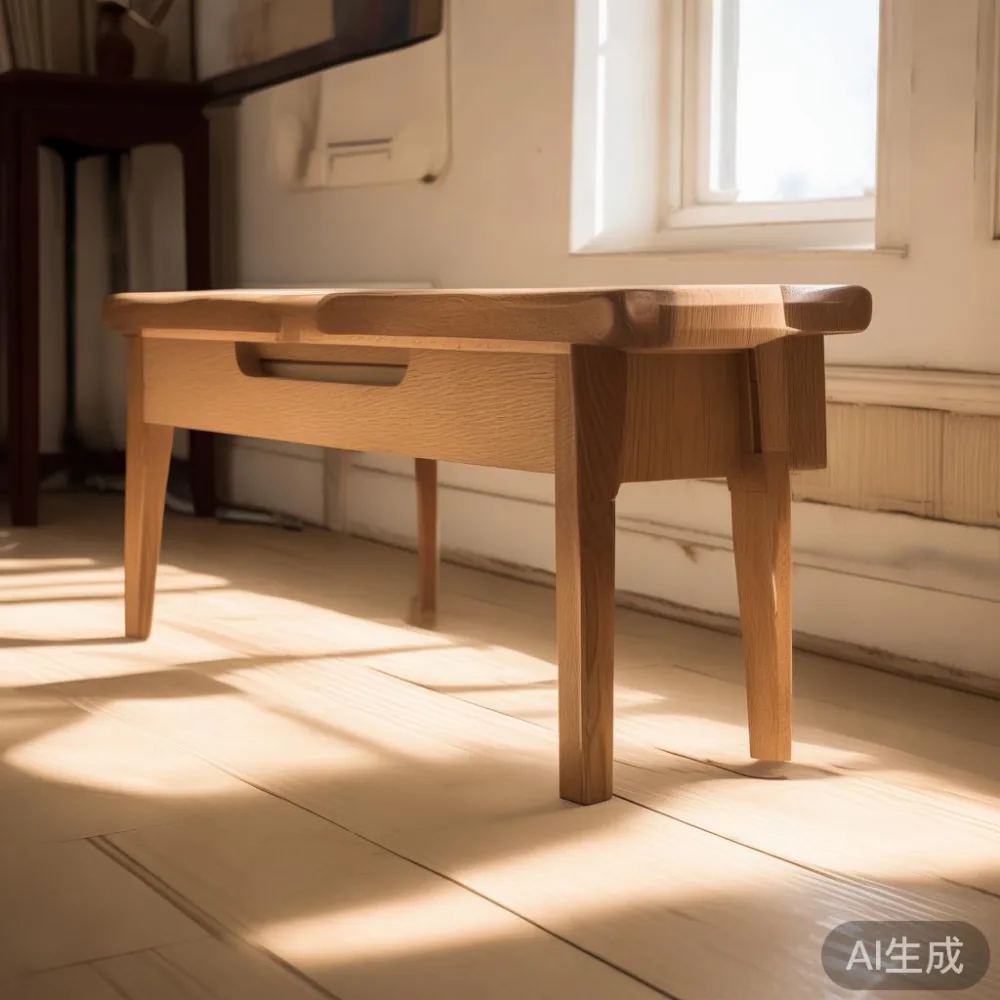
How do design, joinery and finish affect the price?
Design affects labour as much as material. A storage bench with a lift-up seat, concealed hinges, divided compartments and hand-finished edges requires more setup than a straightforward box with four legs. Soft-close hardware can add roughly SGD 25–120 per lid, while a thicker seat board, deeper drawer runners or a reinforced base may add another SGD 40–180, depending on the component.
Joinery is another price point. Dowels, screws, concealed metal fasteners and traditional mortise-and-tenon joints have different costs in both material and assembly time. The visible result matters, but so does long-term stability. A bench rated to support 80–120 kg is more useful for a household than one whose load capacity is unclear. For a bedroom bench, the lid should open without striking a wardrobe; for a living room unit, the seat should not sag after repeated use.
Finish also changes the invoice. Clear lacquer, matte lacquer, hardwax oil, stain and paint involve different preparation times and materials. A water-based finish may be selected for lower odour, while a harder-wearing coating may suit a busy family room. The finish should be described with a cleaning expectation: for example, wipe with a slightly damp cloth and avoid abrasive pads or standing water. A polished surface can look expensive, but maintenance and repairability should be part of the price decision.
Why do dimensions matter in Singapore homes?
Singapore access routes make measurement a purchasing skill rather than an afterthought. A new HDB lift may have an internal width around 100–120 cm and a depth of about 130–180 cm, but older blocks and renovated corridors vary. A condo service lift may be larger, although the turning space near the car park or lobby can still be restricted. Measure the door opening, lift door, lift car and the route into the unit before ordering a 200 cm storage bench.
Allow at least 5–10 cm of clearance when the packaging or door components need to angle through a tight opening. A 150 cm storage bench may be easier to move than a 180 cm bench, but a 150 cm model may also hold fewer shoes or blankets. Buyers should compare usable volume, not only external width. A 150 × 40 × 45 cm bench might offer less internal capacity than a 170 × 35 × 42 cm unit, because the larger width and deeper proportion create more practical storage.
Weight affects delivery more than many shoppers expect. A 60 kg bench may need two handlers, a stair carry or a lift reservation, while a 90 kg wardrobe or solid wood dining table can require more crew time and protective packing. Delivery to Singapore addresses commonly takes 3–10 working days after production, but custom pieces can take 4–8 weeks. Confirm whether the quoted service includes carrying to the doorstep, placing inside the room, assembly and removal of packaging.
What does “light luxury” mean for a solid wood storage bench?
Light luxury is not a fixed material category. In furniture, it generally refers to restrained proportions, refined surfaces, careful detailing and a sense of visual calm rather than excessive ornament. French light luxury often draws on balanced forms, gentle curves and layered textures. American light luxury tends to emphasize comfortable scale, practical upholstery and a relaxed finish. Post-modern light luxury can combine clean geometry with selective curves, without making every edge perfectly identical.
Applied to a storage bench, this positioning may mean a 180 cm oak seat with a 45 cm depth, slim legs, a softly radiused front edge and a stain that preserves the grain. It may also mean a compact 120 cm bench beside a dining table, using fewer visible fasteners and a lid that closes quietly. The premium comes from proportion, finish consistency and execution, not from adding expensive decoration that reduces function.
Buyers comparing styles should search for terms such as light luxury sofa vs Japandi sofa when assessing seating, but the same discipline applies to storage benches. Japandi usually favours simple lines, pale wood and functional restraint; light luxury may use a richer finish, a more generous profile or upholstered surfaces. Neither label replaces dimensions, wood species or hardware specifications.
How much should you budget for different furniture pieces?
Material and specification ranges provide a useful starting point. A solid wood storage bench in a basic finish might range from SGD 350 to SGD 900 for a small 100–130 cm unit, while a 150–180 cm bench with a lift seat and premium finish might range from SGD 700 to SGD 1,800. A custom wardrobe can range from SGD 1,200 to SGD 4,500 for a small bedroom, rising with taller doors, drawers, mirrors and internal fittings. These are broad planning ranges, not fixed offers.
A solid wood bed frame may cost SGD 700–2,500 depending on size, slat construction and finish. A dining table may range from SGD 600–2,800, with extension mechanisms, thicker tops and matched wood adding to the figure. A wardrobe with full-height doors can reach SGD 2,000–5,000, while a nightstand may fall between SGD 180–650. A marble table can range from SGD 900–3,500 because stone slab selection, edge profile, support and weight materially affect the cost.
For larger purchases, compare the quotation line by line. A dining table price may include the top, base, delivery and assembly, while another quotation may leave the protective floor covering or in-room placement outside the total. At Singapore checkout, GST is normally 9% on taxable domestic supplies, so a displayed SGD 1,600 before GST would become SGD 1,744 when tax applies. Confirm the tax treatment rather than assuming a website’s currency conversion is final.
MIDHILL’s role in this discussion is to show how the price can be connected to measurable product decisions: wood type, board thickness, hardware, dimensions, finish, packaging and after-sales support. A 10-year structural warranty and lifetime refinishing are service commitments that should be read alongside the furniture specification, because coverage terms, exclusions and applicable products vary.
What are the hidden costs that make a furniture quote hard to compare?
Delivery is often the first hidden cost. A low-priced solid wood bed frame may require a second delivery attempt if the lift dimensions were not checked. A dining table may need a scheduled crane or a window-removal arrangement, although a normal HDB route should be assessed before such measures are ordered. Ask for the delivery day, the team size, the floor charge and whether narrow-corridor handling is included.
Assembly can also change the total. Flat-pack pieces may reduce freight but leave more work for the customer; fully assembled furniture can be easier to receive but harder to move through a 90 cm doorway. A storage bench with removable legs may be a sensible compromise. A wardrobe may need its doors, plinth and interior fittings installed on site. The quotation should state whether assembly is included, not merely mention “free delivery.”
Service and return terms matter because furniture is not a small parcel. MIDHILL offers free shipping for orders over US$350 and a 14-day return policy, but buyers should still check the currency, destination, item condition and return freight rules for their Singapore order. A 14-day return period does not automatically cover a custom wardrobe with non-returnable bespoke panels. Confirm the exact terms before ordering.
How do you compare quotations without being misled by labels?
Ask for a written specification with six measurements: width, depth, height, internal storage dimensions, seat or load rating, and packaged dimensions. Add the wood species, finish, hardware brand or type, joinery method, expected weight, delivery lead time and warranty. A 160 cm bench that weighs 48 kg and arrives assembled may be more suitable for a lift than a visually similar 160 cm bench that weighs 32 kg but requires separate construction at home.
Compare equivalent products. A solid wood sofa with a timber frame and fabric upholstery should be judged against another solid wood sofa with the same frame construction, not against a cheaper model with engineered panels. The same applies to an American bed vs Mid-century modern bed comparison: the style name may describe the silhouette, but the wood, slat spacing, headboard construction and finish determine the price.
For a marble table, request slab thickness, whether the top is natural marble or engineered stone, edge treatment and support design. A 3 cm natural marble top on a metal or timber base may cost more than a thinner engineered top, even when both are called marble tables. For storage furniture, inspect the lid alignment, hinge movement, drawer travel and surface transitions before accepting delivery.
Can a Singapore buyer balance quality, style and delivery?
Yes, but the best value comes from matching the product to the route and the room. In a compact Tampines flat, a 150 cm storage bench with a 38–42 cm depth may provide more usable storage while preserving circulation than a 200 cm unit placed beside a wall. In a larger Bedok or Punggol condo, a 180 cm bench with a solid timber seat and lift-top storage may suit a bedroom or entrance without requiring a full wardrobe.
Style comparisons can be useful when they remain specific. A query for European light luxury for hotel may lead to upholstered seating, polished timber and layered surfaces, while a home storage bench needs easier-care materials and a lid that can survive daily use. If the search includes the best Modern light luxury sofa for 2026, check seat density, frame timber, fabric rub rating and dimensions rather than relying on the year or style label. Likewise, best Nordic sofa for 2026 and how to choose Japandi bed should lead back to measurements, wood species, comfort and maintenance.
One real experience illustrates the point. Last month I visited a client’s Tampines home to inspect a newly delivered storage bench. The first sample had looked suitable online, but its 185 cm carton could not turn inside the lift lobby. A 160 cm bench with detachable legs had already cleared the route, and its solid wood seat still provided storage for shoes and spare bedding. The lesson was simple: the quoted product was not wrong, but the access measurement was incomplete. A second visit confirmed that the revised package, 5 cm turning allowance and two-person carry worked without damaging the corridor.
A sensible buying process is to measure first, specify second and compare third. Record the lift and corridor, decide the maximum acceptable weight, choose the required internal storage volume, then request at least 2 quotations with equivalent materials and service terms. Include tax, delivery, assembly and returns in the comparison. For a solid wood sofa, bed frame, dining table, wardrobe, nightstand or marble table, the same method prevents an attractive style from becoming an expensive spatial compromise.