Storage Bench Sizing for Singapore HDB Living Rooms: A Practical Guide from a Furniture Specialist
Last month I visited a four-room HDB flat in Tampines with my colleague Lin, who was helping her sister pick a new storage bench for the living room. The lift opening at her block measured roughly 1.1 m wide by 2.1 m deep, and the corridor between the lift and the front door was about 1.2 m wide. We unpacked two candidate benches in the corridor before the one that actually fit through the door was even allowed inside. That afternoon taught me more about Singapore HDB sizing than any spec sheet I have read, and it is the reason I am writing this guide for anyone trying to choose the right size of storage bench for a compact HDB living room without guesswork, scratch marks on the door frame, or a bench that ends up dominating the whole space.
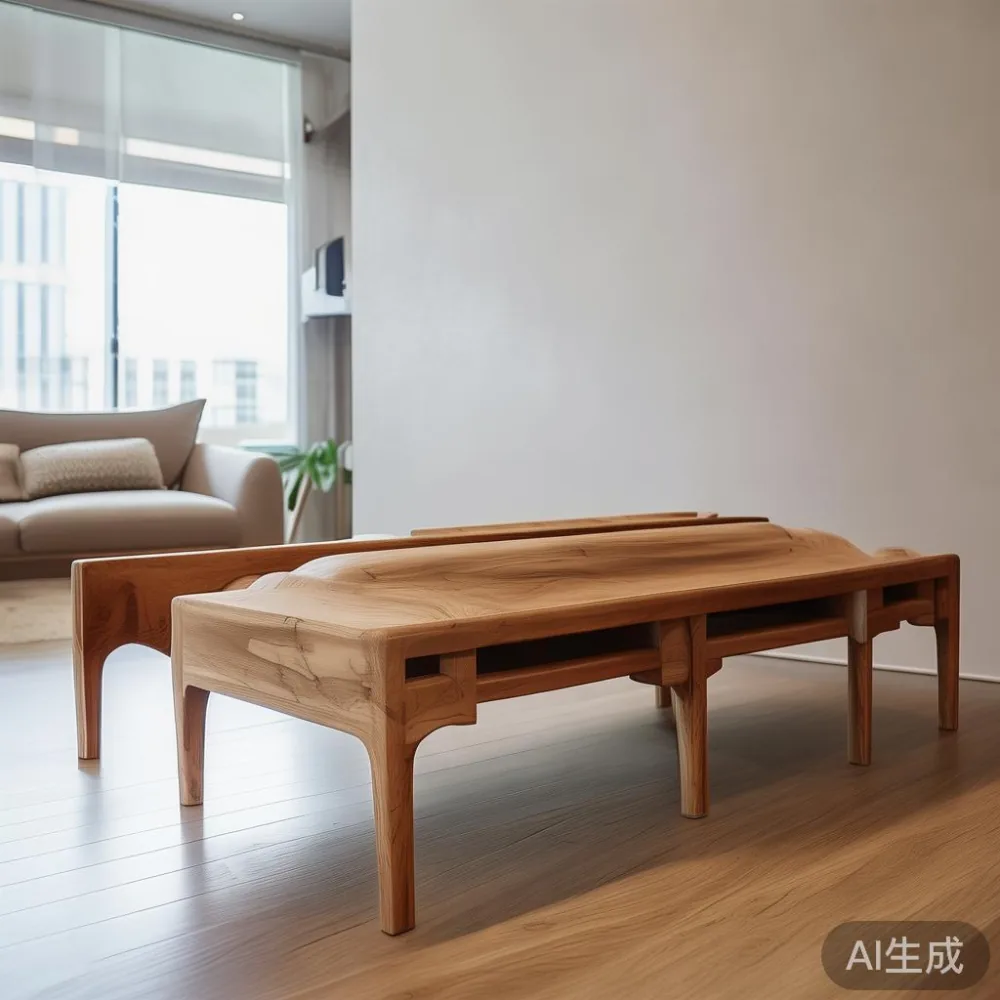
A storage bench is one of the most useful pieces you can add to a Singapore HDB living room. It sits where a sofa would feel too deep, holds the things a side table cannot, and gives you a place to perch when friends drop by. The tricky part is the size. Get it wrong by 10 cm and you lose a walking lane; get it wrong by 30 cm and you cannot get it past the corridor turn. Below I will walk you through the real measurements that matter, the lifestyle trade-offs, and how a piece from a maker such as MIDHILL tends to fit the local rhythm of compact, well-built flats from Bedok to Punggol.
What is the ideal length and depth of a storage bench for an HDB living room?
For most four-room HDB layouts in Singapore, the practical sweet spot for a storage bench length is between 120 cm and 160 cm, with a seat depth of 38 cm to 45 cm and a seat height of 42 cm to 45 cm. Anything longer than 180 cm starts to fight with a 3-seater solid wood sofa, and anything shorter than 100 cm loses the storage volume that makes the piece worthwhile in the first place.
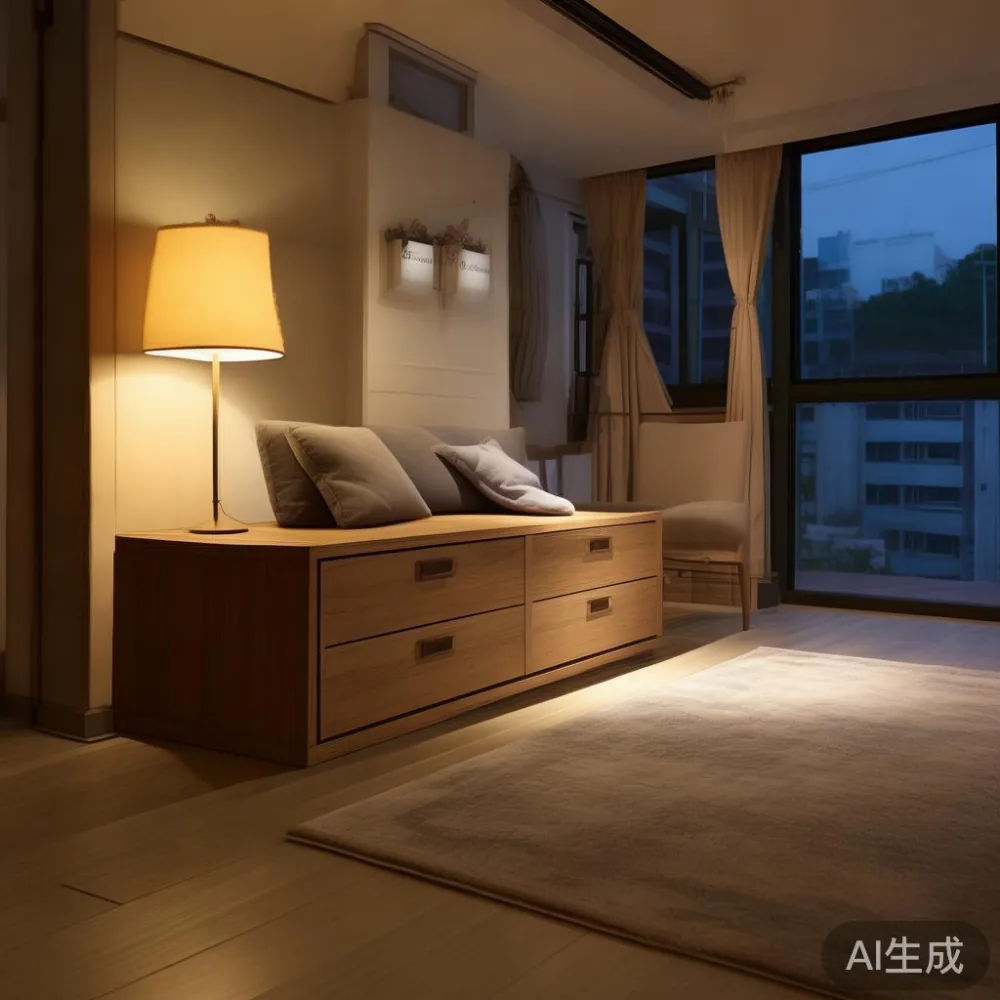
Think of the bench as the anchor along the long wall under your window or behind your sofa. If your living room wall runs 2.4 m to 3.2 m, a 140 cm bench leaves 50 cm to 90 cm of breathing room on each side, which is enough for a slim nightstand-style side table or a floor lamp without crowding the walkway. Depth matters more than most buyers expect: a 45 cm seat feels like a real perch, while a 35 cm seat reads more like a shelf with a cushion on top. If you plan to sit and tie shoelaces or help a child with socks, give yourself at least 40 cm of depth.
Weight is also a real constraint. A solid wood storage bench in oak or ash typically lands between 22 kg and 38 kg depending on length and joinery. Two people can usually maneuver one through an HDB door, but anything over 40 kg is worth a second pair of hands. Lin's sister ended up choosing a 140 cm bench in ash at about 26 kg, which her husband could tilt and slide through the 0.9 m front door without removing the door stop.
How do I make sure the storage bench actually fits through my HDB door and lift?
Measure three things before you order: the front door width (usually 0.85 m to 0.95 m for HDB flats), the lift door width (typically 0.9 m to 1.1 m for newer blocks, sometimes only 0.8 m in older blocks in Bedok and Toa Payoh), and the corridor turn radius at the lift lobby. The narrowest of those numbers, minus 5 cm of clearance, is the maximum dimension of the bench you can bring in fully assembled.
If your block has one of those older 0.8 m lift openings, plan for a bench under 75 cm in any single dimension unless the maker offers a flat-pack knock-down version that assembles inside your home. This is where a Foshan-based maker with export experience earns its keep: factories shipping to 15-plus countries tend to engineer knock-down joinery for exactly this reason, and the bench arrives in boxes that fit through any standard HDB opening. The trade-off is a small amount of assembly time, usually 20 to 40 minutes with an Allen key and a second person, and the structural warranty still holds because the joinery is factory-fit.
For reference, the bench Lin's sister chose came in two boxes, the heaviest being 18 kg, and the assembly took about 25 minutes on the living room floor with a Philips screwdriver. None of it had to come back out through the door.
How does a storage bench compare to buying a sideboard or a trunk in a small HDB?
A storage bench is in effect a low sideboard with a seat on top, and that dual function is exactly why it suits HDB living rooms better than a traditional sideboard or a chest. A standard sideboard runs 80 cm to 90 cm tall, which is great for storage but useless as seating; a storage trunk is portable but usually lacks internal organization. A 45 cm tall bench gives you both, and the height matches most dining chair seats, so it visually rhymes with a dining table on the other side of the room.
If your living room is on the smaller side, around 18 sqm to 22 sqm which is typical for a four-room HDB, a single storage bench along one wall replaces three pieces at once: a low cabinet, a shoe-changing perch, and an extra seat for guests. In Lin's sister's flat, the bench now holds board games, three sets of spare bedsheets, and the Dyson attachments, which used to live in a corner of the wardrobe. The visual line of a 140 cm bench with two cushion panels on top also reads more like a piece of French light luxury living-room furniture than a utilitarian cabinet, especially when paired with a slim marble side table and a brass floor lamp.
One thing to avoid: do not pick a bench so deep that it eats into the walkway between your solid wood sofa and the opposite wall. Standard HDB living rooms give you about 90 cm to 110 cm of walking lane after the sofa is placed, and a 50 cm deep bench behind the sofa will shave that down uncomfortably. Stick to 40 cm to 45 cm of seat depth when the bench goes behind the sofa.
How do I care for a wardrobe in humid weather?
Wipe the wardrobe down once a week with a dry microfiber cloth, run a dehumidifier set to 50 percent relative humidity, and leave the doors open for 20 minutes after any air-conditioning cycle so trapped moisture can escape.
Singapore's average humidity sits between 70 percent and 85 percent for most of the year, and that range is the enemy of any solid wood piece, whether it is a wardrobe, a dining table, a bed frame, or the storage bench you just sized for the living room. The same care routine applies across the board: keep the wood away from direct afternoon sun through west-facing windows, avoid placing wet items directly on the surface, and refresh the finish every 3 to 5 years with a hard wax oil. A factory-applied lacquer on a piece from MIDHILL will hold up to daily use for years, but lacquer is not a substitute for sensible humidity control, especially in a ground-floor unit near a lift well that tends to trap moisture.
If you notice a faint musty smell when you open the wardrobe, that is the wood telling you the room is too damp, not the wardrobe itself failing. A small bamboo charcoal bag inside each compartment absorbs a surprising amount of moisture and costs about SGD 8 to SGD 12 for a set of four. Replace or sun-dry the bags every two months.
How do I match a storage bench with the rest of my HDB living room set?
Pick a bench in the same wood species and finish as your largest wood piece, then let the smaller accessories carry the color contrast. In most HDB living rooms that means matching the bench to either your solid wood sofa frame, your dining table, or your TV console, depending on which piece is closest to the bench on the floor plan.
A few practical pairings that work in compact Singapore spaces:
- Ash bench with an oak dining table and a black-marble-top side table: the light tone opens up the room, and the marble adds a quiet American light luxury accent without crowding the space.
- Walnut bench with a beige linen solid wood sofa and a brass floor lamp: this leans toward French light luxury and reads warm rather than heavy.
- Two-tone bench with a white-oak bed frame in the adjoining bedroom, visible through an open plan: keep the bench top white and the base in the same walnut as the bedroom headboard for visual continuity.
- Post-modern light luxury styling: pair a slim 140 cm bench in smoked oak with a low-profile nightstand-style lamp and a single piece of abstract wall art above it; the bench becomes the sculptural anchor.
When you coordinate this way, the room reads as one composition instead of a list of purchases. The same rule applies to a wardrobe in the bedroom and a nightstand beside the bed: pick a wood family and stay inside it, then let one accent material (marble, brass, blackened steel) repeat twice across the apartment.
What should I budget for a solid wood storage bench in Singapore, and what about delivery?
For a solid wood storage bench in oak, ash, or walnut in Singapore, expect to budget between SGD 680 and SGD 1,950 in 2025 retail prices, depending on length, joinery, and whether the top is a cushion or a wood slab. A 120 cm ash bench with two soft-close hinges and a lift-up seat typically sits around SGD 780 to SGD 1,050. A 160 cm walnut bench with internal dividers and a high-density foam cushion top lands closer to SGD 1,400 to SGD 1,950.
Delivery within mainland Singapore is usually free above a threshold around SGD 350 to SGD 500, with installation fees between SGD 60 and SGD 120 if you do not want to do the assembly yourself. Standard delivery runs 7 to 14 working days from a Foshan-based maker with consolidated sea freight, and express air-freight options bring that down to 5 to 8 days for an extra SGD 180 to SGD 320 per piece. GST at 9 percent is added at checkout for goods imported and delivered locally.
Returns are worth checking carefully. A 14-day return window is common for sellers who hold regional stock, and lifetime refinishing is a quiet perk that pays off in year six or seven when the top of the bench starts to show daily use. A 10-year structural warranty on joinery is the baseline you should accept; anything shorter suggests the maker does not trust its own mortise-and-tenon work.
Will a storage bench survive a Singapore household with kids, pets, and frequent Monopoly nights?
Yes, as long as you pick a bench with a hardwood top, soft-close hinges, and a finish rated for daily wipe-downs. Solid ash, oak, and walnut all handle the knocks of a family HDB living room far better than MDF or plywood wrapped in veneer.
In homes with young children, the lift-up seat can pinch small fingers, so look for soft-close stays that prevent the lid from slamming. The same hardware that protects little fingers also protects the bench from the slow wear of being dropped open. In homes with cats, a fabric cushion top will attract claws; either skip the cushion or choose a tight-woven performance fabric with a martindale rating above 30,000 rubs. In homes where the bench doubles as a dining extension during festive seasons, leave at least 60 cm of clearance in front of it so a pulled-up stool does not collide with the opposite wall.
Finally, a note on the visual side. A storage bench with a Modern color mismatch japan accent on the cushion panel, say a charcoal seat paired with a natural ash base and a single indigo stitch line, can carry a small dose of post-modern light luxury without making the room feel busy. Used once, in one place, it adds character. Used twice, it becomes a theme, which is usually too much for a 20 sqm living room. Pick the one place, let the rest of the room breathe, and the bench will earn its square meters back many times over.