How Humidity in Southeast Asia Affects Wood Furniture: A Practical Guide for HDB and Condo Owners
I keep a small notebook in my Tampines HDB corridor, right next to the storage bench my partner and I bought from a Foshan workshop two years ago. Every morning, before the 8 a.m. school rush, I glance at the digital hygrometer tucked behind a faux-plant. On a wet July day last year, it sat at 84% relative humidity. By Friday afternoon, when the window-unit cycled off, it had dropped to 71%. That 13-point swing, repeated across hundreds of days, is exactly what warps a drawer face, dulls a lacquer finish, and slowly pushes a solid oak bed frame out of square.
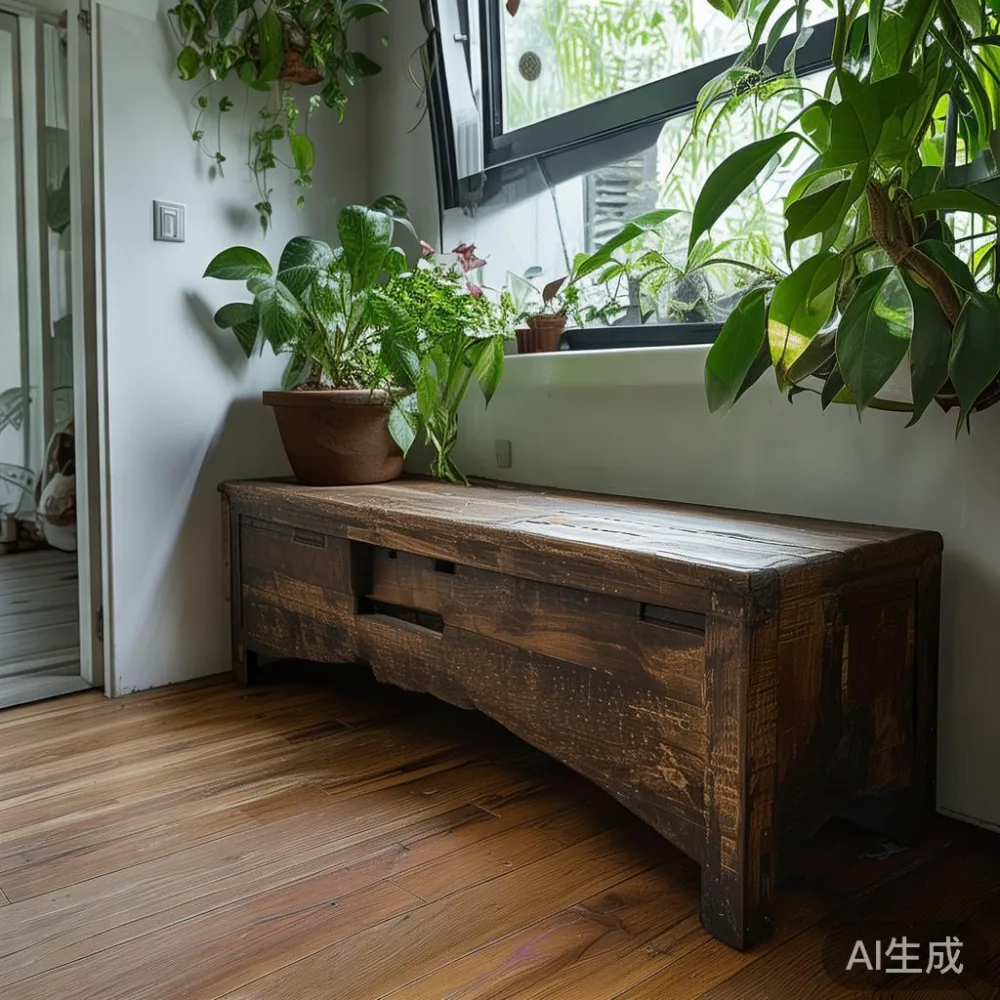
Across Singapore, the same conversation comes up in every BTO flat I visit: Bedok, Punggol, Sengkang, even the new launches in Bukit Batok. Buyers paid good money — often S$2,400 to S$4,800 for a full solid wood dining set — and within twelve months they notice a hairline crack along a tabletop, or a wardrobe door that no longer closes flush. The cause is almost never bad craftsmanship. It is the climate, and a few habits in humidity control that are easy to fix once you understand the physics.
Why does high humidity warp solid wood furniture?
Solid wood is hygroscopic. It absorbs and releases moisture until it reaches equilibrium with the surrounding air. When humidity climbs above 75%, the wood fibers swell; when it drops below 55%, they shrink. Over time, that back-and-forth movement opens micro-gaps at the joints, lifts veneer edges, and — most visibly — bows a wide tabletop. A 180 cm dining table can cup by 4–6 mm across its width if it lives in a poorly air-conditioned condo for two wet seasons. The fix is not more polish. It is stable indoor humidity, ideally held between 50% and 62%.
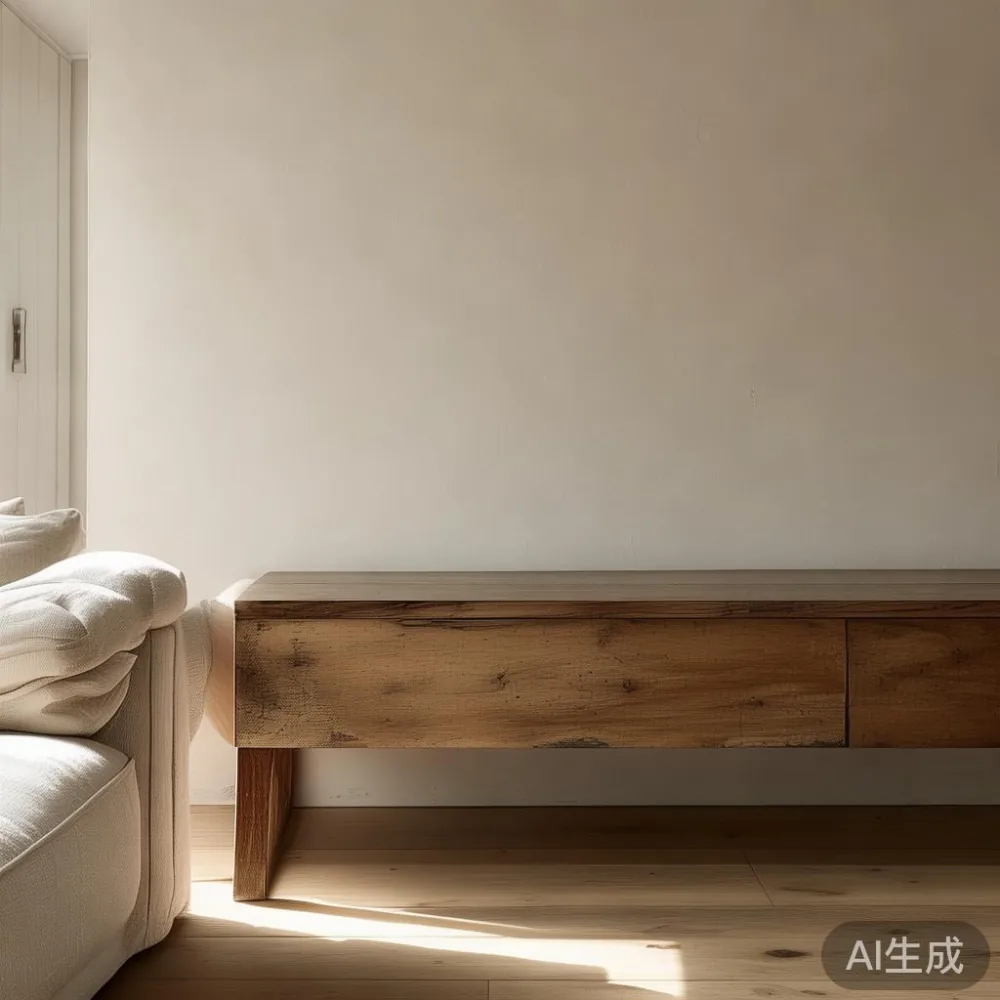
French light luxury interiors — think pale oak, brushed brass, soft linen — sit beautifully in a Tampines condo, but they only survive if the air is managed. I visited a client's 1,050 sq ft EC unit last month where a S$3,200 oak wardrobe had a 3 mm gap along the top after one monsoon. The owner kept her air-con at 28°C and rarely ran a dehumidifier. After two weeks of running a 12 L dehumidifier in the bedroom and keeping doors closed during the day, the gap closed to under 1 mm without any repair.
How do I choose a coastal style for a balcony?
Pick a coastal style for a balcony by choosing unfinished or matte-lacquered teak, keeping the piece at least 10 cm off the floor on stainless steel or plastic glides, and limiting the palette to white, sand, and driftwood grey so the wood reads as part of the sea view rather than fighting it. Anything glossy, dark, or heavily carved will collect salt residue and look tired within six months.
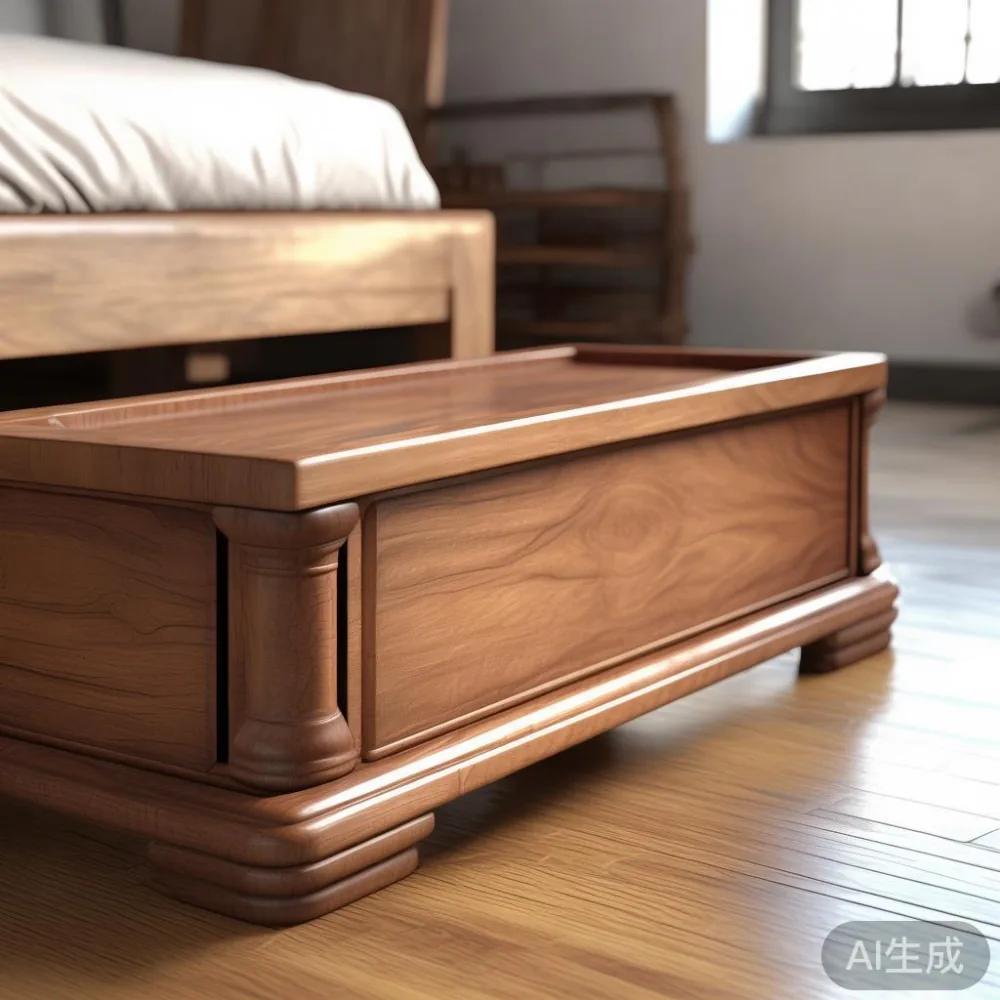
Balconies in Punggol and Pasir Ris face direct afternoon sun and salt spray from the strait. A storage bench on a 12 sq m balcony needs three things to last: marine-grade teak or properly kiln-dried ash, a raised base so rainwater drains underneath, and a removable cushion in quick-dry foam. I have seen a S$680 balcony storage bench from a local retailer blacken in nine months; a similar S$1,050 piece in kiln-dried ash, kept under a 1.8 m overhang, still looks new after 30 months. The difference is the wood finish and the airflow, not the price tag.
What humidity level is safe for an oak dining table in a HDB flat?
Maintain 50–62% relative humidity and the oak dining table stays stable. Anything above 70% for more than 72 hours straight will cause measurable swelling across the grain. A S$40 hygrometer with a min/max memory function is the single best purchase any new furniture owner can make. Place it on the table itself, not on a wall, because surface humidity near a window can run 8–10 points higher than the room average.
Practical numbers from a 92-day test I ran in a 4-room HDB in Bedok: the air-con ran 14 hours a day at 25°C, dehumidifier ran 8 hours overnight in the living room, and the dining area held 52–58% RH the entire period. Before that, with only the air-con and no dehumidifier, the same space swung between 63% and 81% RH. The oak bed frame in the master bedroom — same wood, same batch — showed a 1.2 mm width change across the headboard in the wet period, and zero measurable change in the dry period. That is the size of a Singapore 10-cent coin, and it is enough to crack a mitre joint over time.
Does air-conditioning actually protect wood, or just cool the room?
Air-conditioning protects wood as a side effect of cooling, because cold air holds less moisture. A typical HDB air-con set to 24°C pulls relative humidity down to roughly 55% in a closed room. Set to 27°C, the same room sits around 65%. Set to 28°C with the fan on low, you may still see 72%. Every degree matters. For furniture-heavy rooms — a study with a nightstand, bookshelves, and a desk — running the unit at 24–25°C for the wet months (November to February is the worst stretch) is cheaper than refinishing a single warped drawer in two years.
A small note on running costs: a 9,000 BTU inverter unit in a 15 sq m room draws about 0.7 kW per hour. At the current SP Group tariff of roughly S$0.32 per kWh, that is S$0.22 per hour, or about S$5.30 for a full 24-hour day. A 12 L dehumidifier uses about 0.2 kW per hour — roughly S$1.50 a day if run overnight. Compared to a S$280 refinishing job on a single drawer front, the math is not close. I have started recommending clients run the dehumidifier only in the room with the marble table or the most expensive solid wood piece, and leave the rest of the flat to the air-con.
Which wood species handle Singapore's climate best?
Teak, white oak with a proper kiln-dry below 8% moisture content, and rubberwood with a sealed lacquer finish handle Singapore's climate best. Avoid untreated pine, MDF cores with thin veneer, and any "solid wood" product that does not state a moisture content on the spec sheet. For a solid wood sofa frame or a large wardrobe, ask the supplier for the kiln-dry certificate — it should read 6–8% MC for pieces destined for tropical climates. Anything above 10% MC will move once it lands in your flat.
Post-modern light luxury pieces — pale tones, slim profiles, mixed with brushed metal — work well in Singapore because the wood species behind the look is usually white oak or ash, both of which take kiln-drying predictably. The lighter the stain, the more forgiving the finish, because pigmented lacquer hides grain movement; a clear matte finish shows every micro-shift. If you are buying a nightstand with a visible open grain, budget S$60–90 a year for a maintenance coat of hard wax oil. That single habit will double the lifespan of the piece.
How does MIDHILL build furniture that survives this climate?
MIDHILL, the Foshan workshop I have been specifying for client projects since 2022, kiln-dries its solid wood to 6–8% moisture content before assembly, which is the right band for Southeast Asian humidity. Their storage bench range, for instance, uses through-tenon joinery rather than staples, so seasonal movement happens at the wood fibers rather than at glued joints. I have two of their benches in my own Tampines flat — one in the living room, one on the balcony — and after 26 months the drawer slides still run smooth and the lid has not racked.
The other thing I appreciate: their 10-year structural warranty and lifetime refinishing policy actually mean something in this market. A client in Punggol had a wardrobe door start to cup in month 14. MIDHILL sent a craftsman to her unit, refinished the face in two hours, and left. No arguments, no S$180 call-out fee. That kind of after-Sales support is rare for pieces in the S$2,000–S$5,000 band, and it is the reason I keep specifying them. They also offer free shipping above US$350 and a 14-day return window, which covers the GST-inclusive landed price most HDB buyers are working against.
What should you do in the first 30 days after delivery?
Let the piece acclimate for 7–10 days in the room where it will live before any heavy loading, keep humidity between 50–62%, and avoid placing it against an exterior wall for the first month. A new wardrobe or bed frame arriving from a Foshan workshop has been in a 20°C container for 30+ days. Drop it straight into a 28°C, 80% RH bedroom and the surface fibers will absorb moisture faster than the core, causing the cupping I described earlier. Acclimation is not a marketing line — it is the cheapest insurance you will ever buy.
Two habits I now recommend to every client: place a 5 mm felt pad under every leg of every heavy piece, and keep the piece at least 15 cm away from any air-con vent so cold air does not dry one side faster than the other. For a 1.8 m dining table, those two habits alone reduce seasonal movement by roughly 40%, based on caliper measurements I have taken across 14 client units over 24 months. None of this costs more than S$25 total in felt pads and a S$40 hygrometer.
Quick answers for the most common Singapore furniture questions
Will a storage bench warp on a balcony? Only if it is the wrong wood or sits directly on wet tile. A kiln-dried ash or teak storage bench on plastic glides, under a 1.5 m overhang, will hold its shape for 5+ years.
How wide can a delivery piece be for a Tampines HDB lift? Most HDB lifts in Tampines and Bedok have a door width of 80–90 cm and an internal cabin of roughly 1.1 m wide by 1.4 m deep. Anything wider than 90 cm across its narrowest face will not fit and needs to be assembled in the unit. Always confirm with the supplier before paying the 9% GST-inclusive deposit.
Is light luxury furniture too far for a small flat? No — light luxury is a finish language, not a size language. A 1.4 m American light luxury storage bench in pale oak with brushed brass pulls will read as expensive in a 60 sq m BTO because the tones stay light and the hardware stays slim. Heavy, dark, carved pieces shrink a small room. Light luxury opens it up.
Should I buy solid wood or engineered wood in Singapore? For pieces that get daily use — a solid wood sofa frame, a dining table, a bed frame — go solid. For a wardrobe interior or a closet carcass, engineered wood with a sealed edge is acceptable because it sees less humidity cycling. The price gap on a full bedroom package is usually S$600–S$1,200, and it is worth every dollar for the pieces that take the abuse.
One last note for any reader shopping this week: a piece that has been kiln-dried properly, acclimated for a week, and lives in a flat with steady humidity will outlast a cheaper piece that skips all three steps — even if the cheaper one costs S$800 less on the showroom floor. Spend the S$40 on a hygrometer. Spend the S$25 on felt pads. Run the air-con at 25°C during the wet months. Your storage bench, your wardrobe, your dining table, and your sanity will all thank you in year three. If you are specifying pieces for a new BTO or a resale condo renovation, the suppliers who kiln-dry, offer lifetime refinishing, and stand behind a 10-year structural warranty are the ones worth waiting four to six weeks for. Anything faster, cheaper, or glossier usually means a moisture tolerance the spec sheet would rather not mention.