Veneer or Solid Wood? A 5-Year Storage Bench Cost Comparison for Singapore Homes
A storage bench has to earn its place in a compact Singapore home every day. It can provide a seat at the dining table, conceal shoes and toys, carry a laundry basket, or hold the extra bedding used during family visits. The material decision therefore affects more than appearance: it changes the purchase price, the expected maintenance, the likely repair bill, and the product’s resale value after 5 years.
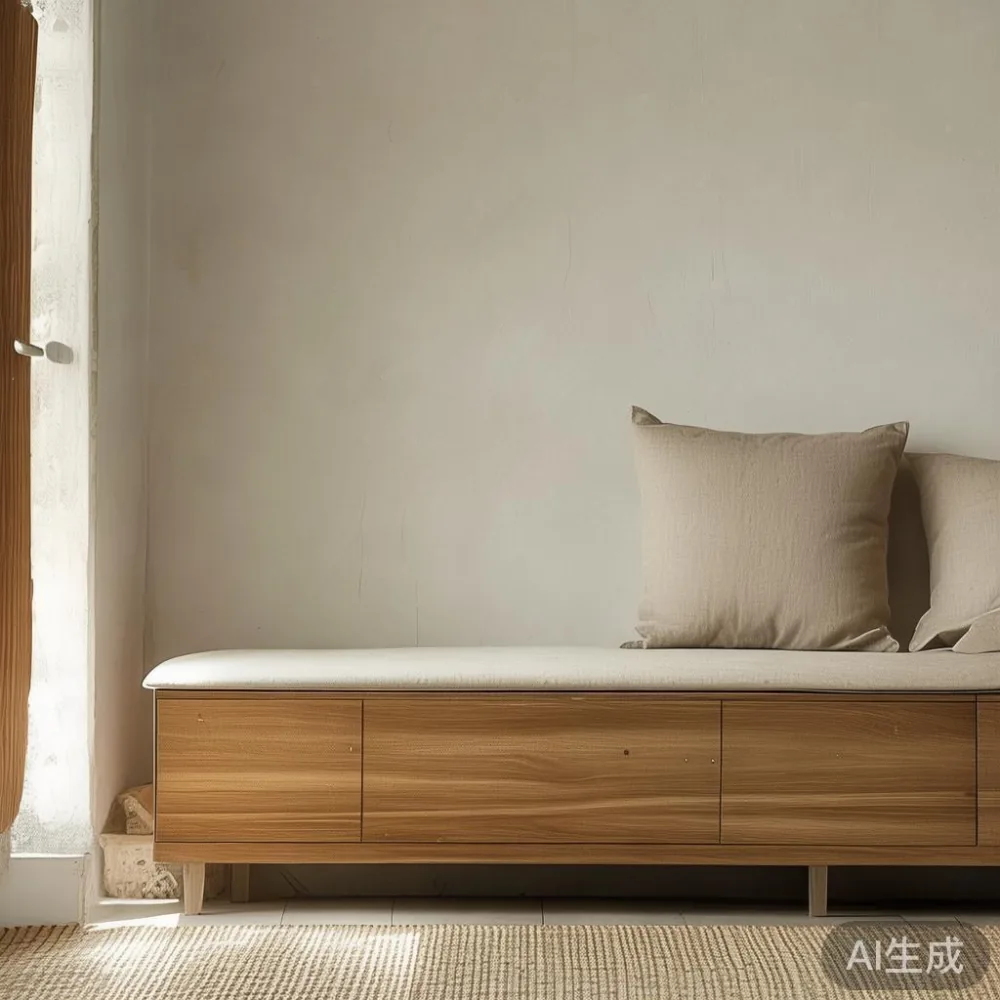
I compared an engineered veneer storage bench with a solid hardwood model for a Tampines HDB project last month. Both benches measured 120 cm wide, 40 cm deep and 48 cm high, with a lift-off lid, 2 storage compartments and a load capacity rated at 150 kg. The veneer version cost SGD 899 before GST, while the solid oak version cost SGD 1,899 before GST. At the time of delivery, the oak bench weighed 46 kg and the veneer bench weighed 34 kg. I moved both through a 90 cm HDB lift and along a 110 cm common corridor. The heavier solid wood bench needed two people and 6 minutes of turning; the lighter version required one person and about 3 minutes.
This comparison follows a 5-year ownership period in Singapore. It includes the initial cost, 9% GST, delivery, routine care, expected repairs and the estimated value remaining at year 5. It also accounts for local constraints such as HDB corridors, condo loading areas and humid weather near Bedok, Tampines and Punggol.
What is the 5-year cost difference between veneer and solid wood storage benches?
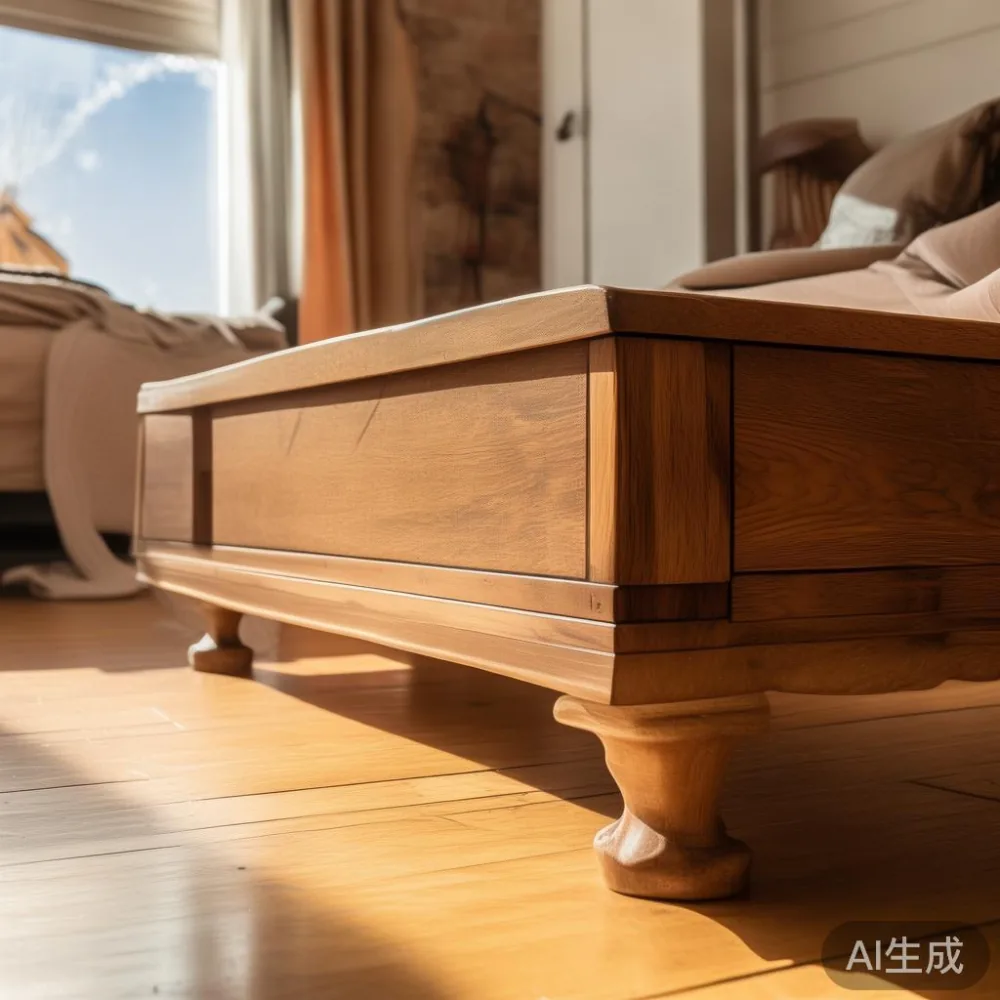
For the 120 cm bench used in my test, the veneer storage bench had a 5-year cost of about SGD 1,280 and an estimated resale value of SGD 200. The solid wood storage bench cost about SGD 2,568 over 5 years and retained an estimated value of SGD 700. In this example, solid wood costs SGD 1,288 more to own over the period. That gap can narrow or widen according to timber species, veneer quality, hardware, home conditions and the original selling price.
The calculation is intentionally practical rather than promotional:
Veneer example
Product price before GST: SGD 899
GST at 9%: SGD 80.91
Delivery: SGD 45
5 years of care materials: SGD 75
Estimated repairs and hardware replacement: SGD 180
Total cash cost: SGD 1,279.91
Estimated resale value at year 5: SGD 200
Net 5-year cost after resale: SGD 1,079.91
Solid wood example
Product price before GST: SGD 1,899
GST at 9%: SGD 170.91
Delivery: SGD 45
5 years of care materials: SGD 125
Estimated repairs and hardware replacement: SGD 328
Total cash cost: SGD 2,567.91
Estimated resale value at year 5: SGD 700
Net 5-year cost after resale: SGD 1,867.91
The difference in net cost is therefore about SGD 788. If the solid bench were kept for 10 years rather than 5, accumulated refinishing, repair and depreciation could make the comparison more favourable to hardwood. But a buyer who expects to replace the bench sooner should still examine the lower entry cost of veneer.
How do Singapore lift and corridor widths affect a storage bench?
Dimensions must be checked before ordering, especially for HDB flats in Tampines, Bedok and Punggol. A storage bench that fits the living room may still fail at the lift entrance, staircase or corridor turn. Measure the narrowest point rather than relying on the door width shown in the building plan.
For my comparison, the packed veneer bench was 122 × 42 × 50 cm and weighed 34 kg. The solid wood bench was 124 × 44 × 52 cm and weighed 46 kg. The extra 2 cm on each axis sounds small, but it becomes relevant in a 90 cm lift shared with residents carrying groceries or boxed deliveries. With the doors open, the usable lift depth was 136 cm. The solid bench fitted diagonally, while the veneer bench could sit flat on the trolley without scraping the door seals.
For a condo, check whether the loading bay requires a booking and whether the freight elevator has a protective panel or a minimum booking fee of SGD 20 to SGD 80. A narrower model under 42 cm deep is easier to manage, while a 120 cm width still provides useful seating for 2 people. A lid opening of at least 95° allows a person to reach inside without kneeling on the corridor floor.
These practical checks matter when comparing products in searches such as for sale Japandi furniture or under 2000 Modern furniture. A low-listed price is less useful if the item cannot be carried into the unit on delivery day. Measure the route, record the lift capacity and confirm whether the carrier provides in-home unpacking.
What does veneer cost over 5 years in a humid Singapore home?
Veneer is a thin layer of real timber, usually 0.3 mm to 2 mm depending on production, bonded to a plywood or engineered-wood core. A high-grade veneered storage bench can look convincing because the surface is genuine wood. Its core may be less expensive than solid timber, and the finished piece can weigh less, reducing delivery and moving costs.
The main 5-year risks are chipped edges, swelling, delamination, lifting around joints and failure of the lid hinge. These are not inevitable. They become more likely when moisture exposure, impact and poor-quality adhesive or core material are involved. Singapore’s outdoor humidity can reach roughly 80% during monsoon periods, while air-conditioned interiors may sit near 55% relative humidity. Sudden changes can stress panels that are not well sealed.
For the example bench, I budgeted SGD 15 per year for wood cleaner, cloth and small touch-up materials. I allowed SGD 180 for one hinge replacement and minor edge repairs during 5 years. If a low-grade bench has already lost its factory seal by year 2, a professional repair could add SGD 120 to SGD 250. Solid oak panels can also react to humidity, but they do not have glue lines across the visible face and minor marks can often be sanded and refinished.
Keep the storage bench away from a wet utility area and avoid standing water on the lid. Wipe spills within 10 minutes, keep a 10 cm gap from walls where ventilation is possible, and inspect the underside each year for bubbling or exposed edges. Good ventilation matters more than applying an expensive product too frequently.
What does solid wood cost to maintain over 5 years?
A solid wood storage bench uses timber across the visible panels, frame, seat and internal divisions. That makes local repair more practical. A scratch can be filled, sanded and refinished without replacing an entire panel. Veneer repairs are possible, but matching the grain and colour can be harder when a sheet has faded differently from the rest of the bench.
I budgeted SGD 25 per year for the solid oak bench, covering a mild cleaning product, microfibre cloths and one application of maintenance oil. I allowed SGD 328 over 5 years for a set of hinges, a handle and localized refinishing. The figures exclude major termite damage or flooding, which are not predictable through normal use.
Solid oak can expand and contract with humidity. In my sample, the solid wood storage bench received a 3 mm seasonal movement across its 120 cm width. It did not rack, but the lid needed adjustment after 14 months. The hinge replacement took a technician about 45 minutes and cost SGD 95. A comparable veneer hinge replacement took about 35 minutes and cost SGD 45 because the fittings were lighter.
Place a solid wood bench at least 5 cm from a floor or skirting surface, inspect fixings every 12 months and avoid direct air-conditioning vents. If the piece contains reclaimed or rustic timber, expect wider variation. Select a product with a clear warranty on cracking, joint separation and wood movement. MIDHILL offers a 10-year structural warranty, which is a useful reference when comparing joinery and load-bearing construction across different materials.
Which material suits HDB flats, condos and different lifestyles?
Veneer can suit a renter, a young family or a furnished condo where the storage bench will be replaced after 3 to 5 years. It also suits buyers who prioritise a lighter object and a lower initial payment. The example veneer model cost SGD 899 before GST, making the total after 9% GST and delivery SGD 1,024.91. That figure leaves more room in a renovation budget for curtains, lighting or a dining table.
Solid wood is more relevant when the storage bench will remain in use beyond 5 years, receive frequent handling or become part of a long-lived furnishing scheme. Its higher weight can also reduce accidental movement, although no bench should be treated as a safety restraint on a balcony or staircase.
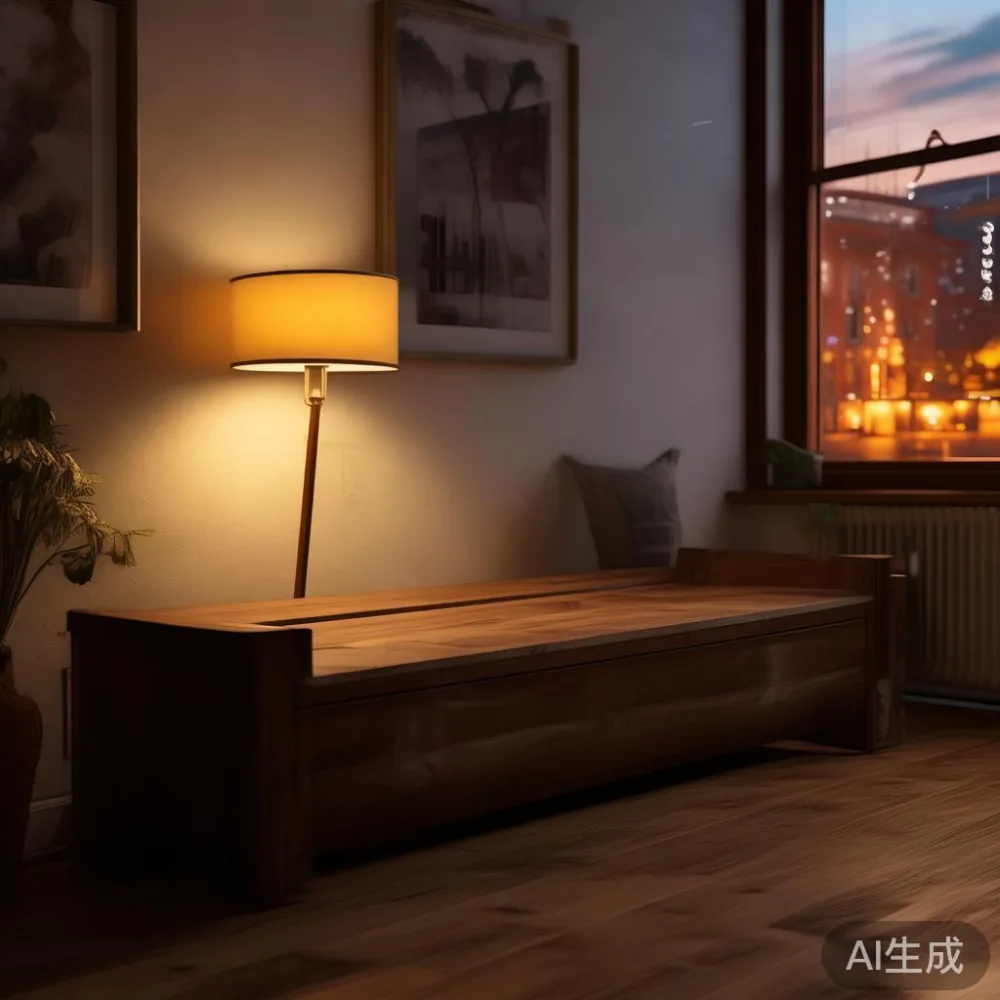
The visual language should match the home. A pale oak bench with tapered legs can work in a Punggol HDB flat with Scandinavian furniture. A turned-profile bench may suit French provincial coffee table styling, while a clean slab and aligned seams fit post-modern light luxury. If a matching French provincial coffee table is already in the room, confirm the bench finish under evening lighting rather than direct daylight.
Other product terms should not be confused with the storage bench category. A solid wood sofa may use hardwood frames but a different material specification. A bed frame, dining table, wardrobe, nightstand and marble table each have separate structural and maintenance requirements. Use the storage bench’s own dimensions, core information and warranty for comparison, not a generic timber claim.
How much should you budget for delivery, GST and ownership in Singapore?
GST adds 9% to the displayed product price. For a veneer storage bench priced at SGD 899, that is SGD 80.91. For a solid wood bench priced at SGD 1,899, GST is SGD 170.91. Delivery in Singapore may add SGD 45 for a normal doorstep service, while a two-person carry above a certain floor level may add SGD 30 to SGD 120.
MIDHILL provides free shipping for orders above US$350, but the currency threshold should be converted at checkout because card exchange rates and bank charges can affect the final SGD amount. Singapore orders are also subject to the stated 14-day returns policy. Check the product condition, assembly requirements and return freight terms before ordering.
Several long-term product searches can help establish realistic prices. Listings for the best Vintage sofa for 2026 provide a reference for aged timber finishes, while the best Post-modern wardrobe for 2026 and best Nordic wardrobe for 2026 show how joinery and finish consistency affect prices. These are references for material standards, not alternative names for a storage bench.
A sensible working budget for a 120 cm storage bench is as follows:
Veneer: SGD 700 to SGD 1,100 before GST; allow about SGD 1,000 to SGD 1,400 for 5 years of maintenance and repairs.
Solid wood: SGD 1,500 to SGD 2,500 before GST; allow about SGD 1,900 to SGD 3,000 for a comparable 5-year ownership period.
Delivery: usually SGD 0 to SGD 120 locally, depending on access and the carrier’s policy.
Those ranges use ordinary household conditions and a 120 cm model. A 160 cm bench, thicker timber, integrated power sockets or a marble table top can materially change the quotation.
What questions should you ask before choosing a storage bench?
Ask whether the storage bench has a solid wood frame, a plywood core or an MDF core, and confirm the veneer thickness. A thin decorative veneer over a weak particleboard core may have a lower price but different long-term performance from a stable plywood construction. Request photographs of the underside, lid rim, joints and storage floor. Look for factory-finished edges and hinges rated for at least 5,000 cycles.
For solid wood, ask which species are used and whether the listed price covers the seat, frame and internal panels. Oak, ash, beech, teak and rubberwood have different densities and price levels. A model at 46 kg may require 2 people to carry; the lighter veneer version at 34 kg may still exceed one person’s safe lifting limit depending on route.
Ask for the expected delivery time in days. Local production and stock can sometimes be delivered within 7 to 14 days, while a made-to-order finish may take 30 to 60 days. The carrier should provide a delivery window rather than an open-ended estimate.
Confirm the warranty exclusions. Structural coverage is not the same as coverage for moisture damage, chipped veneer, hinge misuse or finish wear. MIDHILL’s lifetime refinishing policy can support long-term care, but the customer must follow the maintenance instructions and retain proof of purchase.
How do you make the decision between veneer and solid wood?
Choose veneer when the storage bench has a shorter expected life, a lower budget matters now, or moving the piece frequently is likely. Choose solid wood when the bench will be used daily, the household values repairability, and the furniture is intended to stay for at least 8 to 10 years. Compare total ownership cost rather than purchase price alone.
In my Tampines test, the veneer route was easier and the initial invoice was about SGD 1,000 lower including GST and delivery. Five years later, however, the solid wood bench had fewer visible repair concerns, greater usable resale value and more options for local refinishing. The right choice depends on the home, not on a universal rule.
Before payment, record the packed dimensions, weight, delivery charge, GST, return terms and warranty in a spreadsheet. Add the likely care cost for each year. Revisit the estimate at year 3, when scratches, loose hinges and finish changes become easier to assess. That simple review can reveal whether the lower-cost veneer bench remains suitable or whether solid wood has become the more economical long-term option.