Lacquered Bench Maintenance in Singapore’s Climate
Living with a lacquered storage bench in Singapore means balancing humidity, heat, sunlight, and frequent family use. A bench can look beautifully restrained in a Tampines HDB flat or a bright Punggol condo, yet its finish still needs attentive care. Lacquer may be glossy, satin, or softly textured, but every type responds differently to moisture and abrasion. The useful question is not how often to wipe the surface; it is how to protect the finish without making the bench slippery, dull, or difficult to maintain.

At MIDHILL, we build lacquered storage furniture around the realities of humid homes. Our solid wood components are backed by a 10-year structural warranty, and lifetime refinishing gives owners a practical route back to an even finish. These services do not remove the need for daily care, but they do make a long-term relationship with the piece more reassuring.
What makes lacquered storage bench care different in Singapore?
A Singapore interior rarely stays in one environmental band. In Bedok, an east-facing balcony may receive sharp morning light. An air-conditioned living room can be dry in the afternoon, while the lift lobby and corridor may be humid. Inside a unit, relative humidity commonly moves between roughly 50% and 75%, and outdoor conditions can push higher. Temperature shifts of 8–12°C between a cool bedroom and a warm entrance are also ordinary.
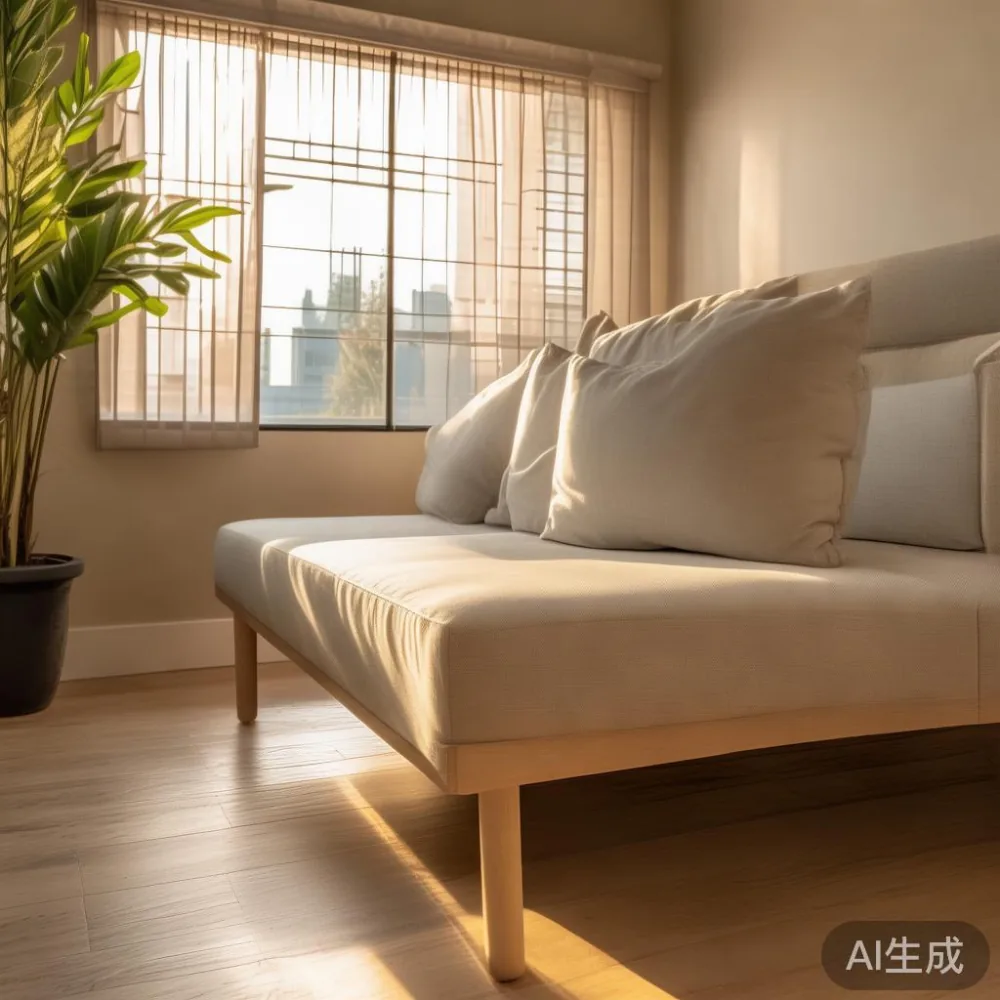
Wood naturally expands and contracts as relative humidity changes. For a solid timber component, dimensional movement of about 1–3 mm across a 100 cm width can occur over seasonal conditions. Lacquer reduces moisture exchange, but it is not an impermeable barrier against every scratch, chemical, or impact. The finish can develop fine marks from keys, belts, school bags, and the repeated sliding of feet along a corridor.
For a storage bench, care is more complicated than wiping a decorative panel because owners also touch the seat, lift lids, and place damp objects nearby. Keep at least 30 cm from windows with direct sun where possible, and at least 20 cm from air-conditioning vents. These distances limit heat and ultraviolet exposure without making the bench look banished to the corner of the room.
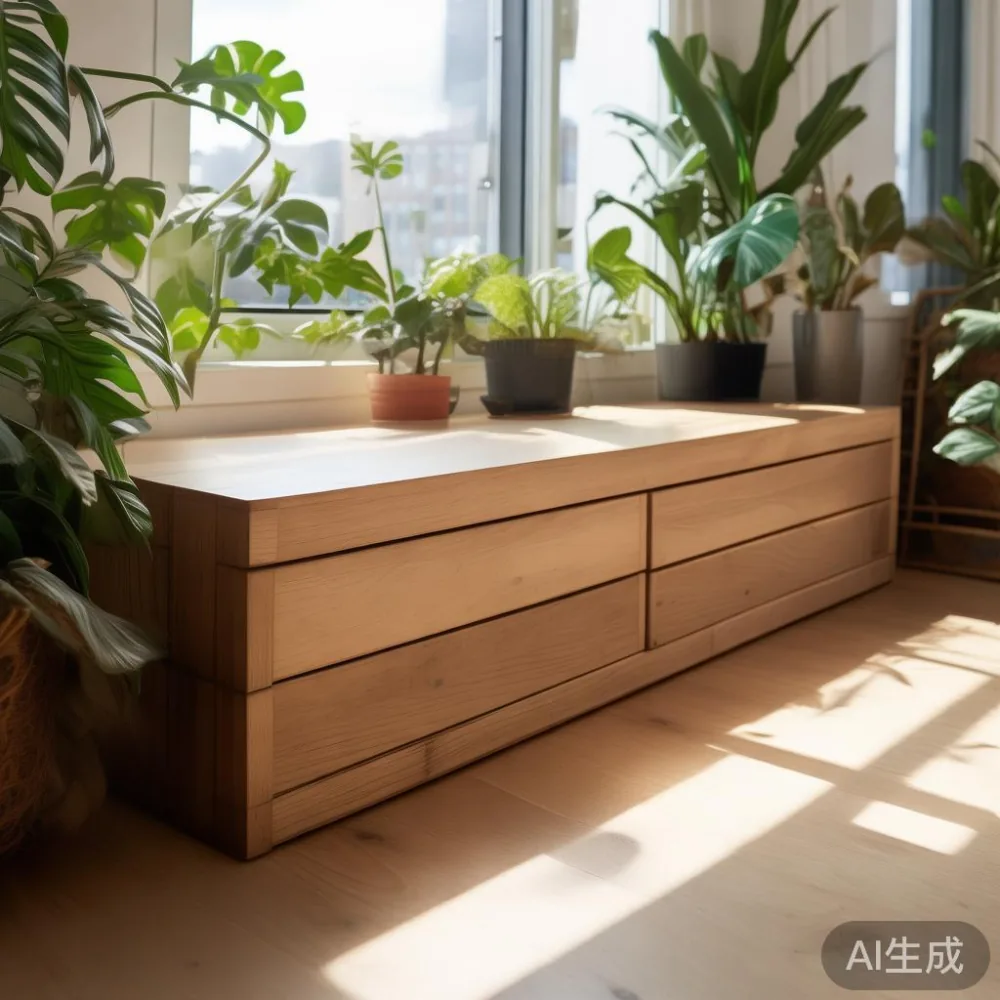
Place the bench away from bathroom doors and wet areas. If it stands in a ground-floor Bedok unit near a frequently travelled entrance, inspect the underside every 3 months for dampness or insects. Do not leave laundry, swimming costumes, or wet towels on the lacquer for more than a few minutes. A coaster under every cup still matters, especially with iced drinks that can leave condensation rings.
How should I clean a lacquered surface without damaging the finish?
Use a soft, clean microfibre cloth, a separate damp cloth, and mild dish soap diluted in water. A practical mix is 1 teaspoon of mild detergent in a bowl holding about 500 ml of water. Apply it to the cloth rather than the bench, then wipe the surface and remove residue with a second damp cloth. The cloth should be damp, not dripping. Test an inconspicuous area for 24 hours before cleaning the entire top.
For weekly care, dust with a dry microfibre cloth and pay attention to joints, the lower rail, and the narrow areas around storage lids. Clean more thoroughly every 2–4 weeks during humid periods. If someone has wiped the bench with an unknown household cleaner, clean it again rather than assuming the residue is harmless.
Avoid silicone furniture sprays, ammonia, bleach, alcohol-based cleaners, and abrasive pads. They can leave an oily film, soften some lacquers, or turn a satin finish patchy. Never use a scouring sponge, even on marks that appear superficial. One small scratch treated with a coarse pad can become a 10 cm dull patch.
Spills should be addressed within 5 minutes when possible. Blot liquids rather than rubbing them. For oily marks, use a tiny amount of diluted mild detergent on a clean cloth and work lightly around the affected area. Dry with another soft cloth and allow 30 minutes before sitting on the bench. If a mark remains, assess it under daylight before considering a refinishing product.
Does humidity cause lacquer to peel, bubble, or cloud?
Persistent moisture can cause problems, particularly when a lacquered storage bench is repeatedly exposed to wet hands, food residue, or damp air trapped beneath a lid. Early warning signs include a hazy appearance, small bubbles, lifting at an edge, or a finish that feels tacky. A large cloud-shaped area that does not wipe away may be moisture beneath the coating rather than simple dust.
Move the bench away from the source of wetness before trying to repair the appearance. Keep the storage compartment dry, remove damp items, and improve ventilation. Air-conditioning or a dehumidifier can help maintain a stable indoor range. A useful target is 50–65% relative humidity, measured with a small hygrometer placed 1–2 m above the floor. Singapore’s climate often makes 60% a more attainable daily target than an exact 50%.
Do not place a lacquered bench immediately beside a running air conditioner for the whole day. Strong airflow can dry exposed timber unevenly and may accelerate edge checking. A gap of 1–2 m is more comfortable for the finish and for users sitting near the bench.
When a lacquered panel shows lifting or bubbling, stop using solvents and DIY wax. Cover the area loosely with a clean cloth so it cannot be touched, but do not seal damp wood in plastic. Contact the furniture maker with photographs taken in daylight, plus a note about the room’s humidity range and the position of the bench. If the piece came from MIDHILL, the lifetime refinishing policy provides a route for assessing the finish.
How can I prevent scratches and preserve a gloss or satin finish?
Think of the bench as both seating and a hard-working table. Place felt pads beneath decorative objects and under the legs of portable stools, but avoid pads on the seat if they make it unstable. Do not use the bench as a step, lunch table during renovation, or temporary perch for tools. One metal ladder left on it for 10 minutes can leave a deep gouge that lacquer cannot disguise.
Use a tray for keys and stationery, a placemat for laptops, and a separate board for cutting food. Coasters should be at least 2 cm larger than the base of a glass. Wipe rings promptly, because repeated exposure can create a dull halo even when each individual mark is barely visible. For households with children, teach them that removable covers are acceptable on a storage bench only if the cover is washable and does not trap moisture against the lacquer.
Gloss finishes show fingerprints and fine scratches readily, so gentle cleaning matters. Satin finishes disguise some wear but can develop “polish lines” if uneven pressure is applied. Avoid circular scrubbing. Wipe with the grain in long, consistent strokes, then buff with a clean dry cloth for 30–60 seconds.
Direct sunlight can fade both lacquer and timber. In a west-facing Tampines flat, draw a light-filtering curtain when afternoon sun reaches the bench. UV-rated films can reduce exposure, but they do not replace sensible placement. If the bench sits beneath a window receiving 2–3 hours of direct sun, consider a low-profile screen at 60–90 cm away.
How often should a lacquered storage bench be inspected?
A light monthly inspection will reveal most issues before they become serious. Check for raised lacquer around the seat edge, movement in lid hardware, condensation marks, and areas where colour looks uneven. Use a flashlight held 20 cm above the surface; raking light makes hairline scratches visible. Note the location of each defect with a small piece of masking tape placed beside it, never on the finish.
Every 3 months, clean beneath any removable cushion and inspect the rear rail, legs, and storage interior. Tighten loose fittings only if the manufacturer’s instructions permit it. A typical bench might have 4–6 visible fixings, and overtightening can compress timber or distort a joint. If a lid sags by more than 5 mm, contact the maker rather than forcing it closed.
Every 12 months, examine the lacquer under daylight and compare it with photographs taken when the bench was new. A controlled room with stable lighting helps identify genuine fading. Small scuffs may be managed with a finish-safe repair kit, but colour restoration is not the same as polishing. Clear lacquer on colour can become visible over 5–10 years of use; a professional retouch can blend the surface more evenly.
For buyers comparing materials, a solid wood sofa, bed frame, dining table, wardrobe, nightstand, or marble table will each present different care demands. Lacquered storage requires attention to both coating and timber, particularly when it sits among those larger pieces in an open-plan home.
Can a storage bench fit safely into a Singapore HDB or condo?
Yes, with careful measurement and an eye on circulation. A 120 cm storage bench is visually substantial but can suit the foot of a bed or the wall of a living area. Check the lift dimensions before ordering. Older HDB lifts may provide only about 90 cm between the door and the rear wall, while some condo service lifts offer 110–140 cm. The bench may fit in the lift but still need to turn through a corridor narrower than 100 cm.
Measure the narrowest doorway, the corridor turn, and the lift entrance on the same route. Add 5–10 cm of working clearance rather than relying on an exact fit. For a curved or sculpted bench, check the widest point at both the seat and the base; a narrow waist does not guarantee easy passage.
Ask whether the piece can be separated into modules. A bench with two detachable storage boxes may be easier to move than a single 80 kg body. Professional delivery in Singapore commonly costs SGD 60–180 for a standard service lift, though a difficult stair, oversized access, or specialised crane can increase the charge. Confirm the full price before booking.
Local taxes should be clear at checkout. Singapore GST is 9%, so a SGD 1,800 item before tax becomes SGD 1,962 after GST. MIDHILL offers free shipping above US$350, but the threshold is stated in US dollars, so check the current Singapore-dollar equivalent at purchase rather than assuming it maps neatly to SGD 350.
Leave 5 cm behind a bench placed against a wall for ventilation and cleaning. Keep a route of at least 60 cm where someone needs to pass while another person is seated. In a compact HDB room, that allowance is the difference between a bench that looks generous and one that obstructs daily movement.
What should I do if the lacquer is already marked or damaged?
Start by identifying the mark. A dusty line usually wipes away; a ring usually needs mild detergent; a scratch cuts through the film; and a chip reaches the timber. Use the least aggressive treatment that works. A clean cloth and diluted detergent should be the limit of a routine household response. Metal polishes, baking soda, and coarse powder are unsuitable because they can scratch surrounding lacquer.
For an isolated scuff, a lacquer-safe touch-up pen may disguise the defect if the colour and sheen match. Apply less than 1 ml, feather the edge with a cotton swab, and allow 24–48 hours before testing. Several light applications are safer than one heavy coat. If the pen leaves a glossy dot on a satin surface, stop and seek professional advice.
Deep gouges, lifted edges, widespread hazing, and water damage need a closer assessment. Photograph the bench in daylight and at an angle, measure the affected zone, and record the humidity in the room. These details help a repairer distinguish a surface coating issue from movement in the underlying solid wood.
At MIDHILL, lifetime refinishing offers customers a path for restoring lacquered storage furniture and assessing worn components. A piece can also live well beyond a trend cycle. The phrase under 2000 Vintage furniture is useful when considering older, characterful pieces, but a valuable vintage bench should be restored by someone who understands its original finish.
Style matters too when a bench changes rooms. For compact Singapore interiors, under 2000 Scandinavian furniture can offer pale lines and practical proportions. The question of how to choose Italian light luxury sofa concerns upholstery and silhouette rather than lacquer care, but it shows how each material demands a different maintenance plan. Similarly, European light luxury for office usually relies on restrained timber, tactile finishes, and clear circulation. If storage nearby is part of that office arrangement, a lacquered bench can provide the same calm language without pretending to be a heavy architectural object.
How do I preserve the finish while keeping the bench useful?
Make maintenance part of the bench’s routine rather than a response to visible damage. Keep a microfibre cloth and diluted mild detergent accessible, remove clutter from the lid, and provide a tray for daily items. In a family home, these habits reduce scratches more effectively than applying a stronger polish every month. A disciplined wipe once a week, followed by a 5-minute inspection each month, is usually more sensible than an aggressive treatment every 7 days.
Rotate decorative objects every 3–6 months so one section does not fade disproportionately. Use the bench for sitting, light reading, and tidy storage, not as a bar, craft surface, or pantry. If it doubles as a dining table surface, protect it with a proper placemat and never place hot cookware directly on the lacquer. A steaming pot can leave a mark before any obvious bubbling appears.
For a coordinated home, the bench should complement rather than compete with a solid wood sofa, bed frame, dining table, wardrobe, nightstand, or marble table. Its lacquered surface can bridge pale walls and darker furniture while keeping the room visually light. That French light luxury approach, with proportion, texture, and controlled contrast, works well in a Punggol condo where clean geometry and reflective surfaces are common.
I tested a satin-lacquered sample panel last month during a humid afternoon in Singapore. I applied one teaspoon of mild detergent diluted in 500 ml of water, wiped it with a clean microfibre cloth, and dried it immediately. After 24 hours, there was no haze or tackiness. A nearby swatch treated with an alcohol-based cleaner developed a dull patch that remained visible under oblique light. The experience reinforced a simple rule: mild soap, low moisture, and a soft cloth are enough.
A lacquered storage bench can remain handsome for many years when its owner controls moisture, heat, abrasion, and spill habits. The immediate actions are modest: measure the room and lift route, keep 20–30 cm from harsh sunlight and vents, clean weekly, inspect monthly, and respond to marks in the first 5 minutes. With the right care and a maker that supports long-term restoration, the bench can remain useful, tactile, and visually calm through Singapore’s changing seasons.