Storage Bench: How to Read a Furniture Warranty Without Getting Caught Out
When furnishing your Singapore home, especially in compact HDB flats or condos across neighborhoods like Tampines, Bedok, and Punggol, every piece of furniture must serve multiple purposes. A storage bench, for example, not only provides seating but also offers valuable storage space in homes where square footage comes at a premium. With furniture purchases ranging from SGD 500 for a basic storage bench to over SGD 5,000 for a high-end solid wood sofa, understanding the warranty terms becomes important. Singapore's 9% GST adds another layer of consideration to these investments, making comprehensive protection even more important.
Last month, I visited a showroom in Tampines where a customer was frustrated with her 3-year-old storage bench that had developed structural issues. The warranty document she received was filled with technical jargon and exclusions she had overlooked during purchase. This experience highlighted the need for clearer understanding of warranty terms, especially for storage benches that bear daily use in Singapore's humid climate. The humidity levels in Singapore average around 80%, which can significantly affect wooden furniture over time, making a thorough warranty review a necessity rather than an option.
Common Warranty Traps That Catch Singapore Homeowners Unprepared
Many furniture warranties contain hidden clauses that can invalidate coverage when you need it most. In Singapore's high-density living environment, where furniture must work through narrow corridors (typically 80-120 cm wide) and sometimes tight elevator spaces (90 cm x 120 cm in older HDB blocks), delivery and placement can stress furniture beyond normal use. Warranties often exclude damage from "improper handling" during installation, leaving homeowners footing the bill for repairs. This exclusion is particularly relevant when moving a storage bench into an HDB flat in Bedok, where the corridor width might be exactly 100 cm, requiring careful maneuvering.
Another common pitfall is the distinction between structural and cosmetic coverage. A storage bench might have a 10-year structural warranty but only 1-year coverage for finish defects. Singapore's tropical climate, with average humidity levels of 80%, can accelerate wood movement and finish deterioration, making this distinction particularly important for solid wood furniture. A solid wood dining table might develop small cracks or finish discoloration after just two years in such conditions, which would fall under cosmetic damage and likely not be covered after the initial warranty period.
When considering luxury light luxury furniture, the warranty terms can be even more complex. French light luxury pieces often feature intricate details and premium materials that require specialized care. The warranty might cover the frame but exclude the hand-carved elements or special finishes, leaving homeowners with unexpected repair costs. For instance, a MIDHILL French provincial sofa might have a 10-year warranty on the solid wood frame but only a 2-year coverage on the hand-painted finish, which could be a significant consideration for homeowners who value both aesthetics and longevity.
What Should a Storage Bench Warranty Really Cover?
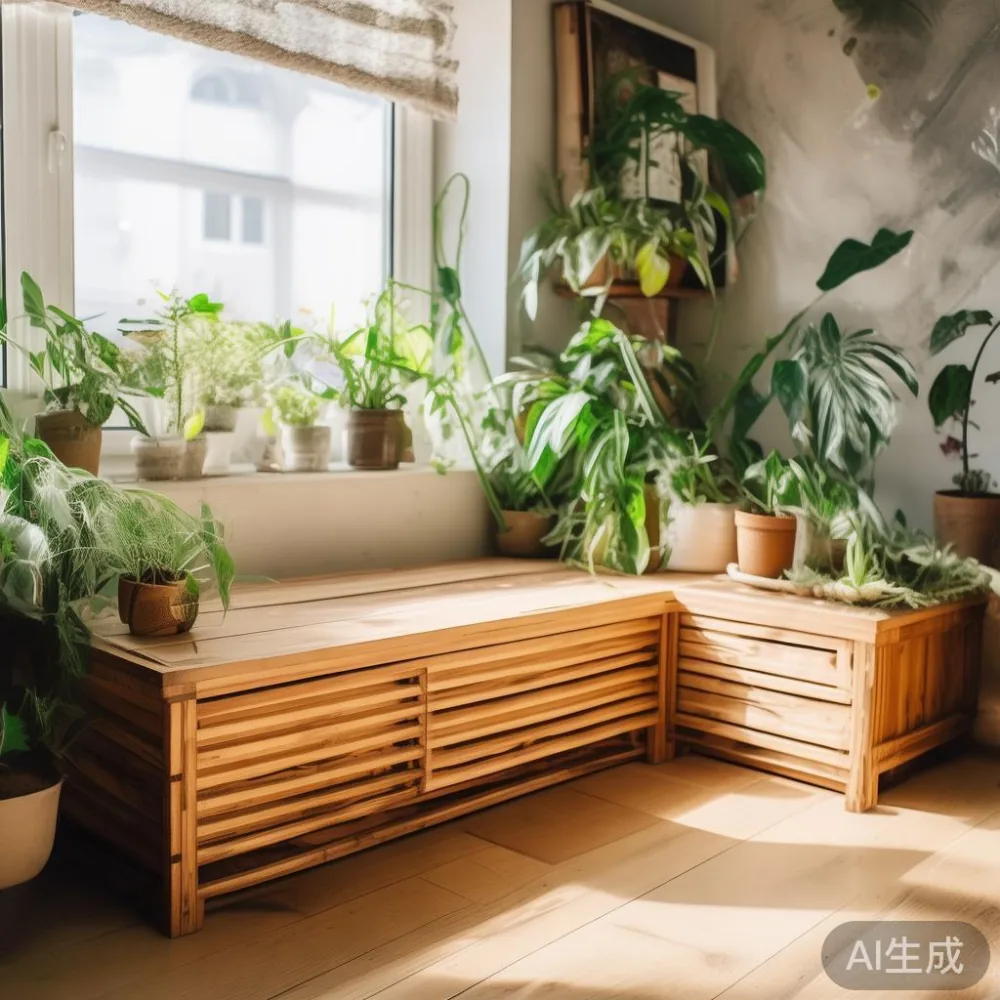
A comprehensive storage bench warranty should address both structural integrity and functional components. For Singapore homes where space is at a premium, the storage functionality is just as important as the seating. Look for warranties that cover the lift mechanism, hinges, and internal storage dividers for at least 3-5 years. The frame and legs should have coverage for 10 years, similar to what you'd expect from a quality bed frame. A storage bench with a hydraulic lift mechanism that fails after 18 months should be covered under warranty, as this is a critical functional component.
When comparing Japanese bed vs Mid-century modern bed warranties, you'll notice different approaches. Japanese bed warranties often emphasize longevity and minimalism, covering structural components for extended periods. Mid-century modern bed warranties might focus more on design elements and finishes. For storage benches, a balance between structural coverage and functional components is ideal. The warranty should clearly state whether it covers accidental damage, normal wear and tear, or only manufacturing defects, as these distinctions can significantly impact your coverage.
For those considering Modern light luxury for bedroom sets, the warranty should reflect the premium nature of the furniture. This includes coverage for specialized hardware, unique finishes, and custom components. However, be aware that some luxury warranties come with stricter maintenance requirements, which must be followed to maintain coverage. A nightstand with a special marble top might require specific cleaning products, and using the wrong one could void the warranty for surface damage.
Decoding the Fine Print: A Step-by-Step Guide to Reading Furniture Warranties
Begin by identifying the exact coverage period. A 10-year structural warranty sounds impressive, but what does it actually cover? For storage benches, this should include the frame, legs, and support systems. Singapore homeowners should verify if the warranty covers the entire product or just specific components. Many warranties exclude moving parts like hinges or drawer mechanisms, which are critical for storage benches with functional lids. A storage bench with a 10-year warranty that excludes the lift mechanism is only partially protected, which could be a significant issue given its primary function.
Next, examine the exclusions section carefully. This is where manufacturers limit their liability. Common exclusions include damage from environmental factors like Singapore's high humidity, improper assembly, or normal wear and tear. For storage benches specifically, check if the warranty covers the hinges and lift mechanism, which are often the first components to fail with regular use. The warranty document might state that "damage from humidity" is excluded, which in Singapore's climate could effectively nullify coverage for certain types of wood movement or finish issues.
When evaluating a warranty for a solid wood sofa or dining table, pay attention to the finish coverage. Many warranties offer only 1-2 years for finish defects, while the structural components might be covered for 10 years. In Singapore's climate, where wood expands and contracts with humidity changes, finish issues are common, making this an important consideration. A solid wood dining table might develop small cracks in the finish after 18 months due to humidity changes, which would only be covered if the warranty explicitly includes environmental factors.
Understanding Warranty Limitations in Singapore's Context
Singapore's unique living conditions introduce specific considerations for furniture warranties. The high humidity levels can affect wooden furniture, causing warping, cracking, or finish deterioration. A warranty that excludes "environmental damage" might not cover issues that arise naturally in Singapore's climate. For example, a wardrobe made of solid wood might develop slight warping in the doors after three years in a Punggol apartment, which could be excluded from coverage if the warranty doesn't account for local environmental conditions.
The size of Singapore homes also impacts furniture warranties. HDB flats and condos often have smaller rooms, requiring furniture that fits specific dimensions. A storage bench that is 120 cm long might be the perfect fit for a corridor, but if the warranty excludes damage from "tight spaces," you might have limited recourse if the bench gets scratched while being moved into position. Understanding these spatial limitations and how they interact with warranty terms is important for Singapore homeowners.
Also, Singapore's 9% GST is applied to furniture purchases, making the total cost higher than the listed price. A warranty that only covers a portion of the purchase price might not fully reimburse you if a defect occurs. For instance, if a storage bench costs SGD 1,000 plus 9% GST, and the warranty covers only the product price (excluding GST), your reimbursement would be less than what you actually paid. Always check whether the warranty coverage includes taxes or is based on the pre-tax price.
Real Experiences: When Storage Bench Warranties Go Wrong
My colleague Sarah recently purchased a storage bench from a local furniture store for her Bedok apartment. The warranty promised "10-year structural coverage," which she interpreted as comprehensive protection. After 18 months, the lift mechanism failed, and when she contacted the manufacturer, she discovered that "structural" specifically excluded moving parts. The repair cost SGD 280, which was 40% of what she paid for the bench initially. This experience taught her the importance of reading warranty exclusions carefully, especially for functional furniture pieces like storage benches where moving parts are important.
In another case, a customer in Punggol purchased a storage bench with a "lifetime refinishing" warranty. After 3 years, the finish showed signs of wear in Singapore's humid climate. When she requested refinishing under warranty, the manufacturer claimed the damage was due to "improper maintenance" because she hadn't applied a specific protective treatment every 6 months as required by the warranty. The fine print included a maintenance schedule that was easy to overlook, resulting in a SGD 450 refinishing bill that she had to cover herself.
A third example involves a customer who bought a storage bench online from a brand that offered "free shipping over SGD 350." The bench arrived with a cracked leg, but when she contacted customer service, they informed her that the warranty didn't cover "shipping damage" and that she would need to file a claim with the delivery company. The process took over two weeks, and she had to take a day off work to meet the delivery inspector, resulting in additional inconvenience and stress. This highlights the importance of understanding who is responsible for damage during transit and how the warranty process handles such scenarios.
How to Verify and Validate Your Furniture Warranty
After purchasing a storage bench or any piece of furniture, it's important to take steps to validate your warranty. Start by taking detailed photos of the product upon delivery, including any existing damage. This documentation can be important if you need to make a claim later. For example, if a storage bench has a small scratch on the leg that you notice upon delivery, photograph it and inform the seller immediately to avoid issues when the scratch worsens over time.
Keep all original documentation, including the warranty card, purchase receipt, and any communication with the seller or manufacturer. In Singapore, where many furniture purchases are made online or through showrooms, having organized records is important. A purchase receipt that includes the 9% GST is particularly important, as it proves the full amount you paid and ensures that any warranty reimbursement will be accurate.
Register your warranty with the manufacturer if required. Some brands, like those offering under 2000 light luxury furniture, require online registration to activate the warranty. This step is often overlooked but is necessary to ensure coverage. For instance, a Japanese for guest room storage bench might require registration within 30 days of purchase to activate the 5-year structural warranty, and failing to do so could result in limited coverage.
| Component | Typical Warranty Period | Common Exclusions | SGD Repair Cost if Not Covered |
|---|---|---|---|
| Storage Bench Frame | 10 years | Environmental damage, improper assembly | SGD 200-400 |
| Lift Mechanism | 1-3 years | Normal wear and tear, misuse | SGD 150-300 |
| Finish/Coating | 1-2 years | Humidity, scratches, fading | SGD 100-250 |
| Hinges/Latches | 2-5 years | Improper maintenance, overloading | SGD 80-180 |
Are Storage Bench Warranties Transferable if You Move Homes?
One question many Singapore homeowners have is whether their furniture warranty remains valid if they move homes, especially when transitioning from an HDB flat to a condo or vice versa. The answer varies by manufacturer and should be clearly stated in the warranty terms. Some warranties are tied to the original purchaser and location, while others are transferable. For example, a storage bench purchased for a Tampines HDB flat might have different warranty terms if moved to a Punggol condo, particularly if the new location has different environmental conditions like higher humidity or direct sunlight exposure.
When considering a top 10 Coastal furniture brand for your home, note that some brands offer transferable warranties, which can be beneficial if you plan to move or sell your home. However, transferable warranties often come with conditions, such as notifying the manufacturer of the change in ownership or location. For instance, a Wuhan Lingzhan storage bench might have a transferable warranty, but the new owner would need to provide proof of purchase and complete a transfer form within 30 days of the ownership change.
In Singapore's real estate market, where homeowners frequently upgrade or downsize their living spaces, understanding warranty transferability is important. If you're planning to move from a Bedok HDB flat to a condo in a newer development, check whether your furniture warranty will remain valid. Some manufacturers might require an inspection of the product at the new location to ensure that it hasn't been damaged during the move, which could be an additional consideration when planning your relocation.
For those who invest in high-end pieces like a best Post-modern sofa for 2026, the warranty terms might be more stringent and less likely to be transferable. Luxury furniture often comes with personalized warranties that are tied to the original purchaser, making it important to consider the long-term implications of such purchases, especially if you anticipate moving homes in the near future.