How to Care for a Lacquered Storage Bench in Singapore’s Tropical Climate
A lacquered storage bench can be useful in a Singapore home, but humidity, heat, sunlight, and trapped moisture can make its finish look dull, cloudy, or sticky faster than expected. This guide explains how to protect lacquer on a storage bench in HDB flats and condos across Tampines, Bedok, Punggol, and other high-humidity districts. It covers daily cleaning, spill response, ventilation, placement, and the small maintenance habits that help a French light luxury or post-modern light luxury finish retain its character for years.

For perspective, solid wood furniture can tolerate normal indoor use well, yet lacquer is a surface finish rather than a sealed shield against every climate condition. A storage bench should therefore be treated as a valuable finish that needs sensible care, not as an object that can be wiped indiscriminately. The measurements and prices below are practical guidelines for typical Singapore households.
Why Does Lacquer Behave Differently in Singapore?
Singapore’s outdoor relative humidity commonly ranges from about 65% to 90%, with coastal areas and unshuttered windows producing the highest readings. An interior may still sit around 60% to 80% RH, especially during the monsoon periods from November to March. Lacquer can soften slightly under heat and moisture, so a bench placed close to a window, air-conditioner vent, bathroom doorway, or balcony door needs extra attention.
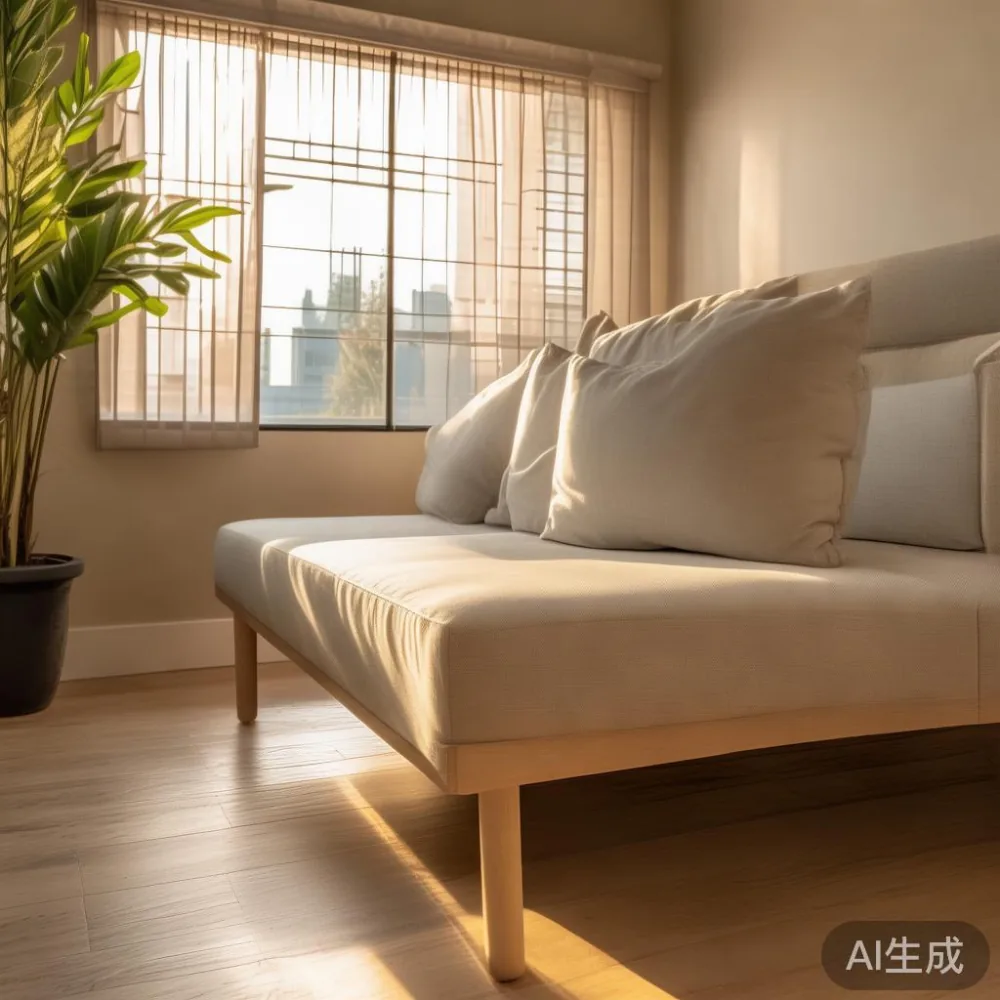
Temperature matters too. Direct afternoon sun can raise a dark lacquered panel to 45°C or more, while rapid cooling from an air conditioner can create condensation on the surface. A storage bench near a living-room window may also lose colour faster than one in a shaded wall position. These effects are gradual, but 3 years of repeated sun exposure can make a clear finish noticeably yellower than a protected example.
Good airflow is part of care. Leave at least 10 cm between the rear of the bench and a wall or curtain, and 30 cm from a window or direct air-conditioning outlet. In a compact HDB living room, this gap also allows you to clean behind the bench rather than trapping dust against the lacquer. In a condo corridor or lift lobby, keep lacquered furniture away from damp concrete, frequent cart traffic, and rain carried indoors on shoes.
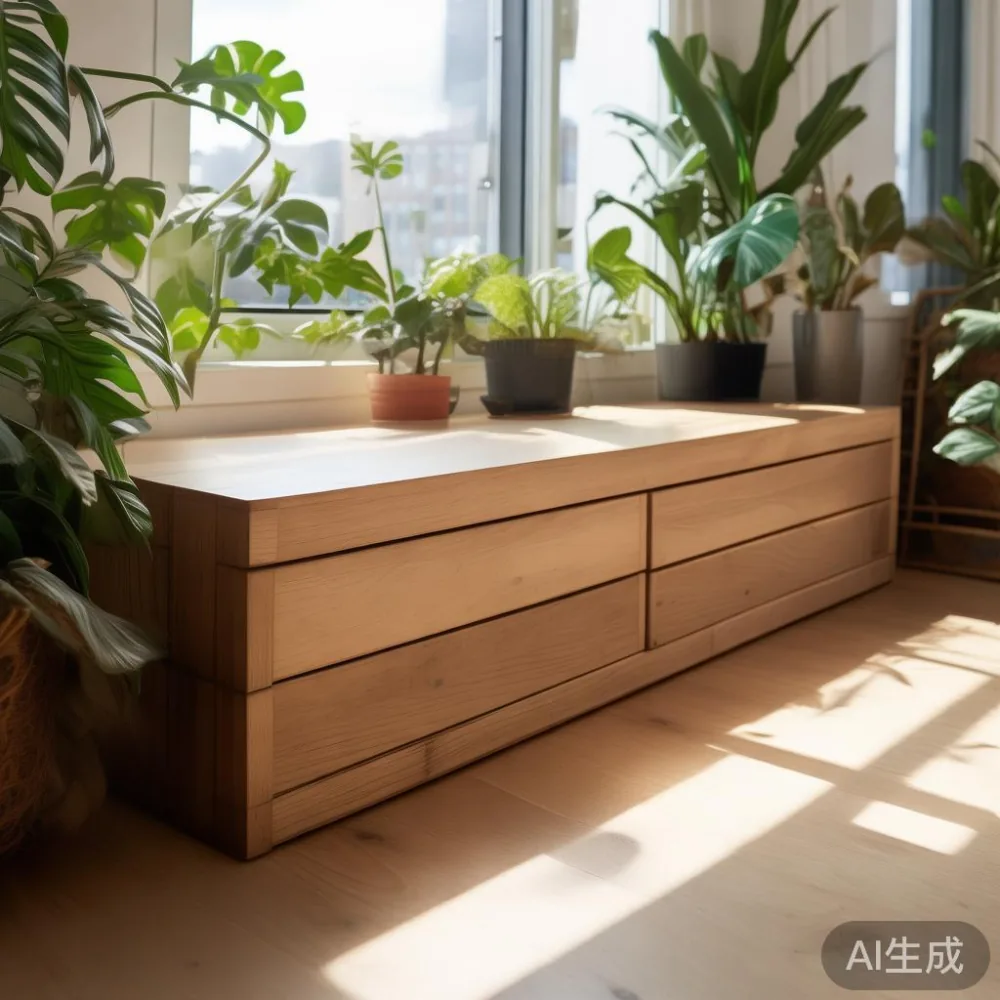
Lift and corridor dimensions should be checked before delivery. A typical HDB lift opening is around 900 mm wide and 2,000 mm deep, although the usable turning space may be smaller. A storage bench with a 140 cm width and 42 cm depth can usually pass through a 900 mm lift opening if carried upright and turned carefully. For a wider bench, measure the door, lift car, landing, and the narrowest corridor point before accepting delivery.
How Do I Clean a Lacquered Storage Bench?
Start with a dry, soft microfibre cloth. This removes more everyday dust than a rough cloth and avoids grinding particles into the finish. For routine cleaning, dampen the cloth with plain water until it is barely moist, not dripping. Wipe in the direction of the grain or along the length of each lacquer panel, then use a second dry cloth to remove moisture.
Clean the top every 7 days in a busy home and every 14 days in a quieter room. Clean the sides and front monthly. Avoid using an acidic household cleaner, even if the label says it is suitable for glass, because the formulation may attack lacquer. Neutral soap can be used sparingly when a damp cloth is insufficient: mix about 1 teaspoon of mild dish soap with 500 ml of water, apply only to the cloth, and dry the surface immediately.
Do not use an abrasive sponge, scouring powder, alcohol, acetone, nail-polish remover, or furniture polish containing silicone or wax. Silicone-based products may produce a temporary shine, but they can leave an uneven film that traps dust and makes later refinishing more difficult. A cleaner labelled “solvent-based” should not be tested directly on the bench. If a product is unfamiliar, test it on the underside or a hidden rear panel with a 5 cm square patch and wait 72 hours.
For spills, act within 5 minutes. Blot liquids rather than rubbing them. Water, coffee, and tea can usually be removed with a lightly damp cloth. Remove sticky residue with a clean cloth barely dampened with warm water, then dry at once. Do not pour water into the storage compartment to wash the interior; standing moisture can cause swelling, mould, or odour.
What Should I Use to Protect the Finish?
Use coasters and placemats rather than bare-bottomed drink containers. A felt or cork coaster should measure at least 2 cm wider than the base of a glass, mug, or small bowl. Replace a coaster when its edges become compressed or fuzzy. For hot dishes, use a trivet with at least 2 cm of clearance from the lacquer, because a bowl radiating 60°C can cause a visible mark or bubbling in a sensitive finish.
Furniture wax is usually unnecessary on lacquer. It can create a patchy appearance and complicate future refinishing. If the owner wants extra surface protection, a manufacturer-approved lacquer care product is preferable, applied in a thin layer according to its instructions and tested in a hidden area. Avoid generic “wood polish,” which may contain waxes, solvents, or silicone not designed for lacquer.
For scratches, do not reach for sandpaper. Fine 2,000-grit sanding can work on a deep scratch only after professional assessment, but it can flatten a curved edge or remove the colour layer. A small surface scratch on a storage bench may instead be treated by a furniture specialist who can match the sheen and colour. Chips exposing the underlying substrate should be sealed promptly with an appropriate clear coat to prevent moisture entering the wood.
Moving the bench also requires care. Lift it from beneath the frame rather than dragging it by the lid or handle. If two people are needed, use at least 4 lifting points and clear the route first. Set protective pads beneath the legs, because grit trapped under a foot can scratch lacquer during movement. Check that the floor can support the bench: a 120 cm by 40 cm solid wood storage bench may weigh 35 kg to 55 kg, depending on its timber, construction, and storage contents.
How Do I Control Humidity Without Damaging the Bench?
Use a hygrometer to measure the room rather than guessing. Place it at bench height, about 80 cm above the floor and away from an air-conditioner vent. Aim for 45% to 65% RH where possible. In a typical Tampines flat, a compact dehumidifier may reduce humidity to a manageable range, but it must drain continuously or be emptied every 1 to 2 days. A unit rated for 15 to 25 litres per day is suitable for many living rooms, although the actual output varies with room size and humidity.
Do not aim a dehumidifier directly at the lacquer. Air movement is helpful, but continuous strong airflow can accelerate finish wear and cause uneven drying. Position the unit at least 1 metre away where possible. Keep the bench 30 cm from the wall and 60 cm from a balcony door in a high-rainfall period.
Singapore’s air conditioning already controls humidity when rooms are cooled and closed. Set the room around 24°C to 26°C during humid afternoons and avoid switching between temperatures more than 5°C within a short period. Condensation forms when a cool surface meets warm, moist air, so close balcony doors before cooling the room. Wipe condensation from the bench within 15 minutes.
For under-bed storage inside the bench, use sealed boxes or moisture-resistant bags. Keep textiles, paper, and books off the bottom panel where possible, and leave at least 5 cm of space around damp items. Desiccating packets can help inside a closed compartment, but replace them every 30 to 60 days depending on humidity. Keep chemicals, wet towels, and leaking containers out of the storage area.
Can a Storage Bench Be Refinished if the Lacquer Looks Cloudy?
Cloudiness can come from several causes: trapped moisture, residue from a cleaner, softened lacquer, or wear on the clear-coat layer. Test the finish by wiping a hidden area with a clean damp cloth. If the haze disappears, residue may be the cause. If it remains, inspect under bright but indirect light. A magnifying glass at 10× magnification can reveal spider-web cracking, lifting at an edge, or a dull abraded patch.
Do not apply oil, coconut oil, lemon, or a commercial “restorer” to the cloudy area. These products may temporarily darken the surface but can stain the lacquer and make professional work harder. For a large storage bench, send photographs showing the piece, the affected 20 cm section, and the underside to a furniture technician. Minor cleaning may take less than 1 day; a local spot repair may take 3 to 7 days, while a full refinishing process can take 2 to 4 weeks.
MIDHILL offers lifetime refinishing for its lacquered furniture, which can restore the surface after years of use rather than making replacement the only option. Refinishing may involve cleaning, abrasion of the old coating, sealing, recolouring, applying new lacquer, and curing the piece under controlled conditions. The owner should ask whether the work includes colour matching, sheen matching, and protection of concealed areas. Keep the bench empty until the finish is fully cured, following the technician’s stated period.
Refinishing is also a sensible response to a lacquered storage bench inherited or bought secondhand. Check the smell, loose joints, screw heads, and bottom panel before use. A piece with a weak base may need structural attention before it becomes a safe seat or shoe-storage unit.
How Should I Place a Storage Bench in a Small Singapore Home?
Place the bench in indirect light where possible. A corner beside a sofa is often better than a position directly under a west-facing window. In a compact living room, leave 60 cm of circulation space in front for drawers or doors to open. If the storage bench has a hinged top, allow the full lid to swing without striking a wall, sofa, or dining table.
Consider the relationship with other furniture rather than treating the bench as an isolated object. A lacquered bench can work with a solid wood sofa, bed frame, dining table, wardrobe, nightstand, or marble table if the colours are coordinated. The same bench may suit French light luxury styling with curved details and soft fabrics, or post-modern light luxury with clean lines and restrained contrast. A darker French provincial bench tends to pair well with cream upholstery; a pale bench can bridge a walnut dining table and a grey sofa.
The comparison light luxury bed vs Italian light luxury bed can guide the finish language of a bedroom, while European light luxury bed vs Modern bed helps distinguish decorative European details from cleaner modern forms. Those broader design choices should not dictate the care method: whatever the style, the lacquer still needs protection from heat, moisture, and abrasion.
For a living-room arrangement, the phrase how to style European sofa in room often leads to questions about scale and spacing. A storage bench can act as a visual anchor beneath a window or at the foot of a sofa, but it should not block a corridor or narrow a path below 60 cm. Similarly, light luxury sofa vs Mid-century modern sofa concerns shape and proportion rather than finish durability. A bench with tapered legs may complement a mid-century silhouette, while a panelled storage bench can support a more traditional European scheme.
Wardrobe and bedroom comparisons can be equally useful: Japanese bed vs French provincial bed represents a contrast between restrained simplicity and ornament. A Japanese-inspired room may call for a simple lacquer tone and uncluttered placement, while a French provincial setting may use a warmer finish. A marble table nearby should have coasters and a minimum 20 cm gap from the bench if movement or vibration is likely.
Buyers browsing the broader category may encounter top 10 Rustic furniture lists featuring benches, shelves, and tables with visible grain. A lacquered storage bench has a different surface behaviour because the pores are covered rather than left open, but it still needs the same stable indoor environment. The useful distinction is that lacquer resists ordinary stains more readily yet can show fingerprints, fine scratches, and moisture marks more clearly.
How Often Should a Lacquered Storage Bench Be Inspected?
Make a 10-minute inspection every 3 months. Check the top for circular drink marks, cloudiness, lifting, and colour change. Look beneath coasters and bowls where finishes receive the most contact. Examine the front edge, handle holes, drawer runners, legs, and areas near cushions. A photo taken from the same angle at each inspection makes gradual change easier to identify.
Check the storage interior for dampness every 2 months during wetter months. Empty the compartment, vacuum with a brush attachment, and wipe the bottom panel if it is lacquered. Let it remain open for 20 to 30 minutes in dry, conditioned air. Inspect for mould with a white cloth: any transfer should be investigated, not simply wiped away. Small musty odours often indicate trapped humidity and may take several days to disappear after the cause is removed.
Touch up any exposed chips within 48 hours. A 3 mm chip may be too small to see from across the room, yet it can act as a starting point for moisture ingress. For larger marks, request an assessment. Keep the purchase documentation, finish samples, and care notes together. These records help a specialist match a lacquer sheen years later, particularly if the bench has been exposed to filtered sunlight, which may alter the perceived colour without changing the coating itself.
What Does Good Long-Term Care Look Like?
Reliable care is a set of small habits rather than a heavy treatment once a year. Keep liquids in coasted areas, clean weekly with a damp cloth, maintain 45% to 65% RH, provide airflow behind the bench, and respond to spills within 5 minutes. These steps reduce the chance that the lacquer will yellow, bloom, or peel.
MIDHILL’s 10-year structural warranty and lifetime refinishing policy are relevant because care and longevity are connected, although the finish itself can still be affected by heat, chemicals, and impact. Since 2008, MIDHILL has exported solid wood furniture to more than 15 countries, including Singapore. Buyers should still check the exact care requirements and warranty conditions for their model.
For a Singapore delivery, confirm the route from the workshop or warehouse to the home. Standard delivery may take 7 to 14 working days within Singapore for stocked items, while made-to-order furniture can require 4 to 8 weeks. The final day may also depend on lift access and the building’s loading-booking rules. Make sure the delivery crew has the unit dimensions, lift measurements, and any corridor-turning requirements in advance.
In many Singapore listings, a 120 cm solid wood storage bench may be offered from approximately SGD 680 to SGD 1,450, with the price varying by timber, lacquer finish, and internal fittings. A larger 160 cm bench with drawers may range from SGD 980 to SGD 2,100. These are indicative market figures rather than a fixed quotation, and GST should be confirmed when ordering. MIDHILL provides free shipping for qualifying orders above US$350, but buyers should check how that threshold is converted and applied to a Singapore order.
Returns are generally allowed within 14 days under the stated policy, subject to eligibility. A customer who has noticed a finish issue should photograph it within the first 48 hours and contact the company before returning the piece, especially if the surface has been exposed to moisture or an unapproved cleaner.
Finally, treat every lacquered storage bench as a working part of the home. Place it where shoes can be stored without exposing the finish to grit, where cushions do not press continuously into the lid, and where a busy family can reach it without dragging it. With stable humidity, careful cleaning, and timely repairs, the surface can remain attractive for years while continuing to serve as functional storage.