How to Choose the Right Storage Bench Size for a Singapore HDB Living Room
A storage bench earns its place in a Singapore home when its dimensions suit the room, the lift, and the daily routine. The number of people matters, but so do the width of your HDB corridor, the turning radius inside your front door, and the clear floor area left around your solid wood sofa. A bench that looks generous in a show room can feel crowded in a Tampines living room; a compact model can feel practical in Bedok if it still provides enough luggage space.
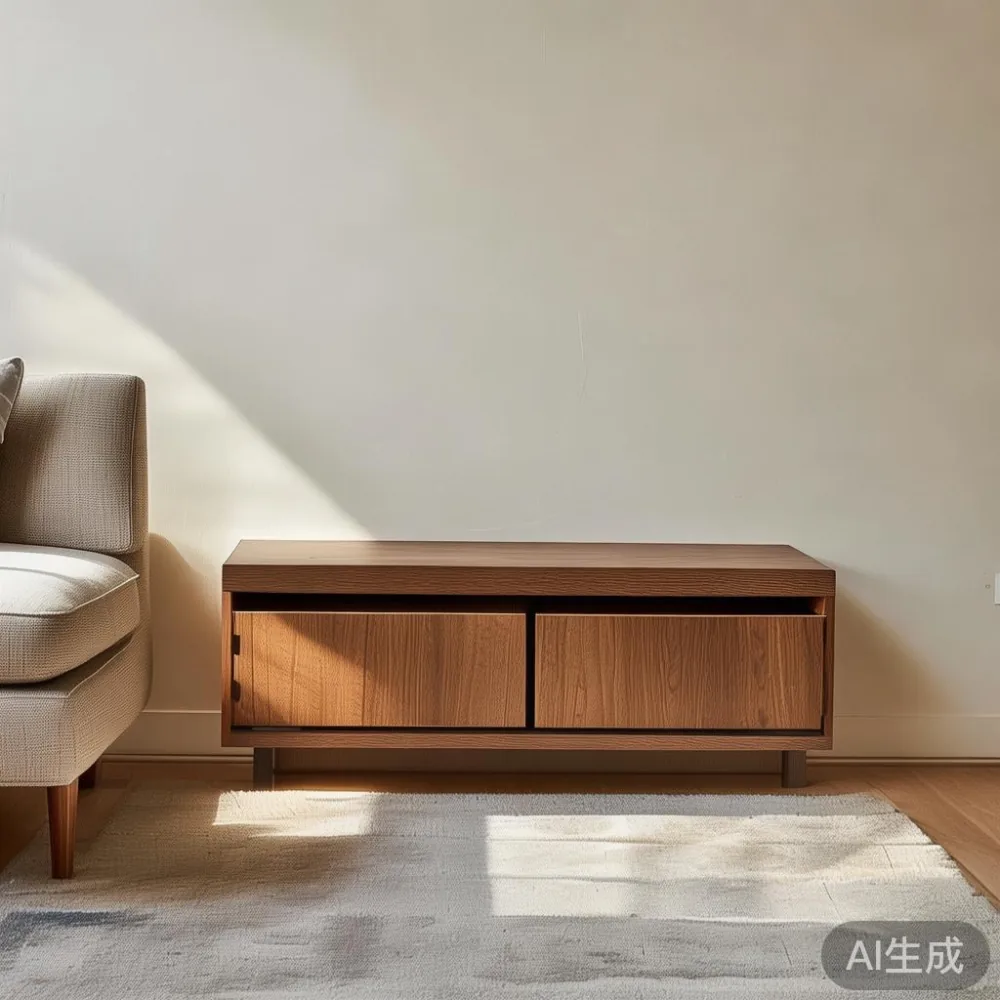
This guide explains how to measure, compare, and select a storage bench for HDB flats and condos in Tampines, Bedok, and Punggol. Prices below use SGD, while GST of 9% is included for comparison. For a showroom consultation or product questions, call +86 188 2788 2512.
What size should a storage bench be for a typical HDB living room?
For most Singapore HDB living rooms, a storage bench measuring 120–150 cm wide, 35–45 cm deep, and 40–45 cm high gives the most useful balance. A 120 cm bench suits a compact room or a narrow sofa; a 150 cm bench fits a larger sofa and provides more storage for blankets, shoes, or delivery parcels. The bench should be at least 10 cm narrower than the sofa for visual balance, or approximately the same width if you want it to read as a continuous piece.
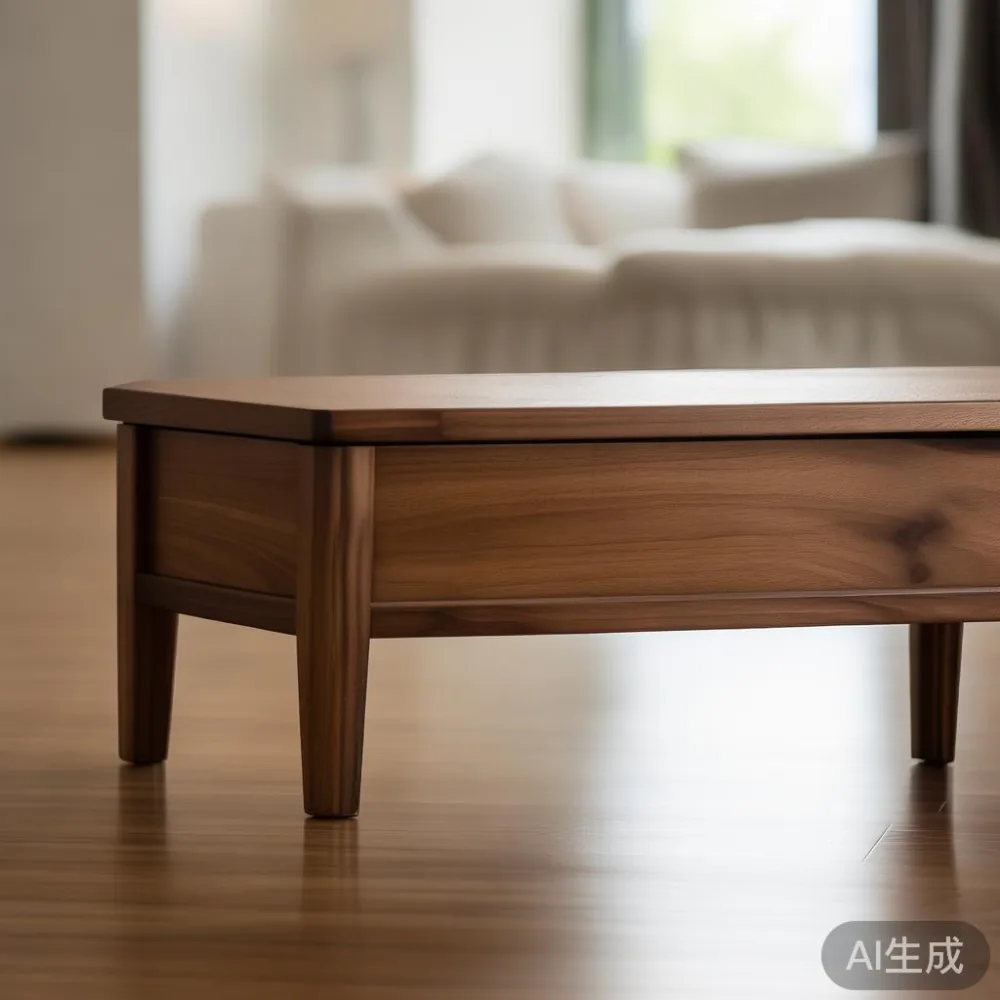
Depth needs special attention. A 35 cm model preserves circulation beside a sofa, while a 40–45 cm bench provides more capacity and a more generous seat. In a 3.5 × 4.2 m living room, leave at least 80 cm between the bench and the main circulation route. In a 4.5 × 5.5 m space, a 150–180 cm bench may work if the rest of the layout remains open.
The intended use should determine internal capacity. A bench intended for one person’s weekly belongings needs about 40–60 litres. A family bench for shoes, toys, linen, and occasional luggage may need 80–120 litres. Lift the lid before buying: useful internal dimensions should be written down, rather than estimated from exterior volume.
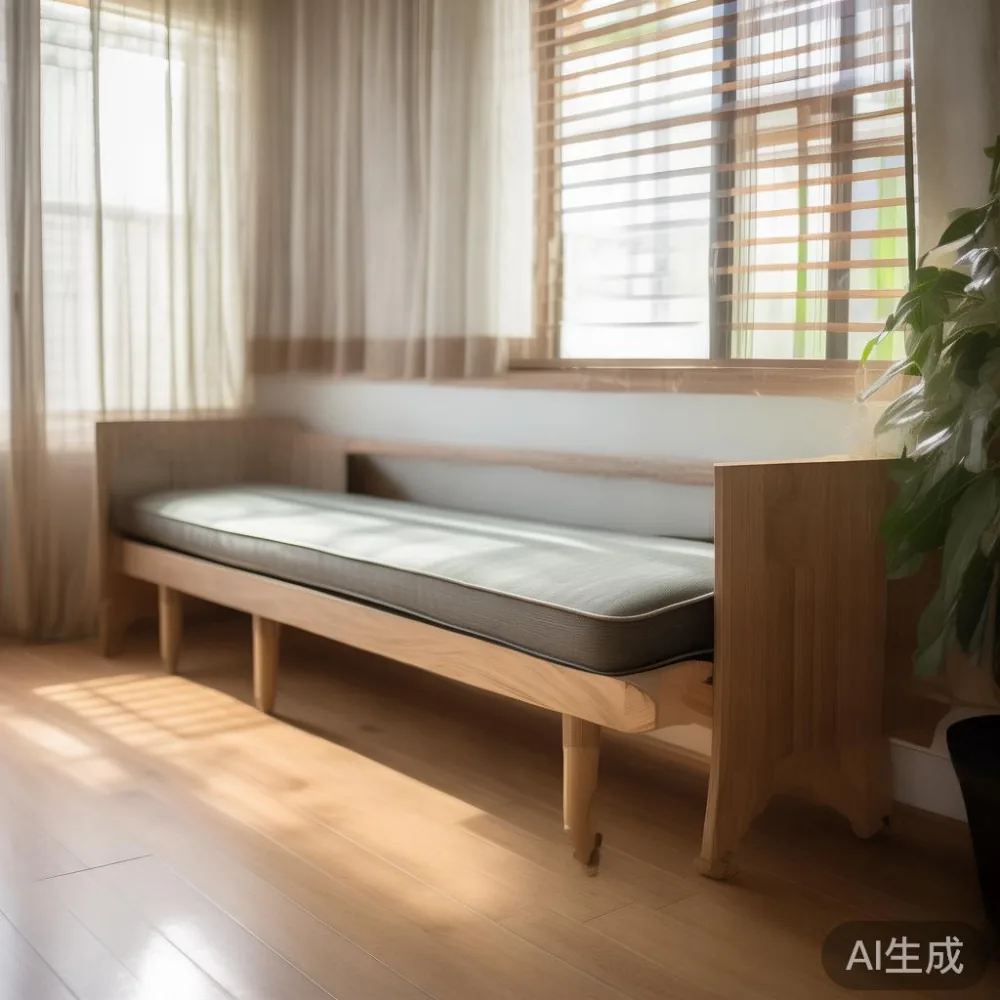
How do I measure my living room and delivery route correctly?
Begin with a tape measure and a floor plan. Record the sofa width, the available wall length, the television cabinet, the coffee table, and at least 90 cm of walking space. A bench placed opposite a dining table should leave enough room to pull chairs out and pass behind seated guests. For a compact HDB dining area, allow 100–120 cm between the table edge and the opposite wall when chairs are in use.
Next, measure the route from the street or service lobby. The critical figures are the lift door width, lift cabin width and depth, corridor width, HDB landing, and apartment entrance. A 160 cm bench may fit through a 90 cm doorway diagonally, but carrying it around a tight landing can still be difficult. Whenever possible, order a model that can enter the lift with its lid and drawers protected rather than requiring assembly in the corridor.
Last month I visited a renovated HDB flat in Punggol and tested a 150 cm oak-toned storage bench on the actual delivery route. It fitted into the 110 cm lift, but the turning space at the fourth-floor landing was tight. The family later chose a 135 cm version with a shallower 38 cm body. Their experience confirmed that the shortest route measurement is not always the decisive one: corners, door handles, and the route from the lift to the living room all need checking.
MIDHILL can advise on packed dimensions, carton weight, and delivery timing before purchase. A typical solid wood bench may weigh 35–65 kg, so delivery by two people is sensible. Ask for a delivery appointment that matches the building’s access rules and avoid assuming that a standard courier can carry the carton upstairs.
Should I choose a 120 cm, 150 cm, or 180 cm storage bench?
A 120 cm bench is usually the practical starting point for an HDB living room measuring around 3 × 4 m. It can provide a 1–2 person perch and 40–70 litres of storage without taking over the wall. Look for a 35–40 cm depth and a height close to the sofa seat at 40–45 cm. This size also tends to be easier to move through common apartment corridors.
A 150 cm bench is the most adaptable choice for many homes. It suits a 160–200 cm sofa, provides approximately 70–100 litres, and can hold two adults comfortably for short periods. If the lid is hinged at the back, check that it opens without striking a curtain, wall-mounted television, or open window. A 150 cm bench usually requires 25–35 kg of lifting access in its finished form, depending on the timber and internal construction.
A 180 cm bench makes sense in a larger HDB living room or a condo with a 3.5 m sofa and an uninterrupted wall. It can serve 2–3 people and offer 100–140 litres, but it demands more visual space. Keep at least 15 cm on either side of the bench where possible, and avoid squeezing it between a sofa and a narrow dining table.
Seat comfort should be checked with a simple load test. Sit for 10 minutes with a 75 kg adult and confirm that the top does not visibly sag. For a solid wood sofa, solid wood bed frame, solid wood dining table, solid wood wardrobe, or solid wood nightstand nearby, a bench with a lightly padded top can add a useful perch without competing with the main seating. A marble table is a different material and should not be placed directly against the bench if movement could scratch either finish.
How much space should remain around the storage bench?
Leave 75–90 cm in front of a bench that opens toward the main circulation route. This allows a person to kneel, open the lid, and retrieve an item without blocking the room. If the bench has side-opening drawers, allow 35–50 cm at each side and make sure the drawer extension does not overlap a doorway.
For a compact flat, place the bench along the longest uninterrupted wall rather than directly behind the television. A gap of 30–45 cm behind a back-hinged bench provides finger access, while a wall-mounted television should have suitable ventilation and service clearance. Do not cover ventilation grilles with the bench or adjacent furniture.
For a dining room, keep the clear zone between the bench and the dining table at 90–110 cm. A bench tucked under the table can work when the tabletop clears the seated knees by at least 25–30 cm, but check the table’s apron and drawer positions. If the bench is used mainly for shoes in the dining room, a shallower 30–35 cm model can preserve elbow room.
Light-luxury styling can make a correctly sized bench appear more spacious. French light luxury favours pale upholstery, curved profiles, and warm cream walls. American light luxury uses clean lines and restrained contrast. Post-modern light luxury works with simple geometry, tactile timber, and one deliberate material contrast. In a small room, choose 2–3 principal colours and avoid placing the bench between too many competing focal points.
Will the storage bench fit through my HDB lift and corridor?
It may fit physically without fitting comfortably, so request packed dimensions and compare them with every restriction. For a hinged-lid bench, include the open lid angle in your corridor check. For a drawer model, confirm whether drawers can be removed to reduce the packed width. Any diagonal measurement should be based on the actual carton, not the bare furniture.
Typical delivery steps take 7–14 business days for ready-stock items in Singapore, while made-to-order pieces may require 30–60 days. Longer lead times can affect a renovation handover, so order before the flooring is completed and before the main furniture delivery date. Building management may require a delivery booking, protection mats, or a service-lift fee.
Ask the retailer whether the bench is delivered assembled or in sections. A knock-down storage bench with bolted joints can reduce the carton size, but assembly may take 20–45 minutes and usually requires 2 people. Check that the floor is level and that the bench can be moved into position before its final fixings are tightened.
MIDHILL offers delivery arrangements linked to the order and destination, with free shipping over US$350 for qualifying orders. Since this guide uses SGD, confirm the Singapore quotation, GST treatment, and access charges directly before payment. Delivery insurance should cover transit damage, and the received pieces should be checked before the courier leaves.
What internal storage features should I compare?
Exterior size tells only part of the story. A removable divider can make a 90 cm compartment usable for both shoes and cushions. Soft-close hinges reduce finger-pinching risk and prevent a lid from dropping against children’s hands. A ventilated section helps stored clothing remain fresher, while sealed compartments suit shoes, cables, and damp items that should be separated.
Check the maximum load stated for the lid and each shelf. A useful bench for temporary seating should support at least 100 kg on the seat, while a shelf intended for books may need a higher stated rating. For a family with 3 people, plan about 25–35 litres per person for mixed household storage, depending on whether the bench is the only storage point.
Oak, ash, walnut, and other solid wood finishes each have different visual weight and care requirements. Walnut may make a 120 cm bench look richer, while pale oak can suit a 150 cm model in a smaller flat. Ask for the timber species, finish type, board thickness, and care instructions rather than relying on a photograph. A clear matte finish may be easier to maintain in a humid environment than a high-gloss coating.
How do I style a storage bench without making the room feel crowded?
Begin with the sofa width. A bench 10–20 cm narrower creates a calm composition; an equal-width bench can align with the sofa’s outer edges. Repeat one material elsewhere rather than adding many accessories. For example, pair the bench with a solid wood dining table in a related timber tone, then introduce a cream cushion and one muted textile.
Keep the surface lightly edited: a 35 cm tray, a 20–25 cm vase, or 2 books grouped on one side. Leave roughly half the lid clear so the bench remains usable. Avoid tall objects above 30 cm in front of a window, where they may block light. In a compact HDB living room, a slim floor lamp beside the bench can provide light without taking up another broad surface.
Search language can be useful when building a coordinated scheme. A page about how to style Japandi wardrobe in bedroom may help define the light timber and low-profile proportions; another reference on how to style Japandi wardrobe in room can guide restraint and concealed storage. A storage bench complements that visual language, but it must remain a functional seat and storage unit rather than becoming decorative furniture that blocks movement.
For contrasting schemes, European for dining room references can provide a calm direction using pale timber, linen textures, and uncluttered forms. A separate design question about the best European wardrobe for 2026 is less relevant to this bench, yet the same principles of proportion and accurate measurement apply. For a bedroom-inspired sitting corner, the MIDHILL French provincial bed may offer a reference for curved profiles and soft upholstery, but avoid reproducing a full bedroom style in the living room.
Office references should also remain subordinate. Italian light luxury for office interiors often uses precise lines, pale stone, and disciplined spacing; a light-luxury living room can borrow that order without becoming formal. By comparison, a marble table introduces a cool, reflective surface, so the bench should use warmer timber and simple detailing to create balance.
What should I check before ordering and after delivery?
Before ordering, confirm 8 measurable points: the room wall length, sofa width, bench depth, circulation clearance, lift door width, lift cabin depth, corridor turns, and packed carton dimensions. Also check the delivery date, assembly requirement, weight, warranty, and return collection method.
Solid wood furniture should be inspected for movement, splits, joint alignment, finish consistency, and door or drawer operation. A storage bench may have seasonal wood movement, so confirm the maker’s care guidance for Singapore’s humidity. Keep packaging until the bench has been checked, then retain it for 7 days if the retailer requires photographic evidence of transit damage.
MIDHILL provides a 10-year structural warranty and lifetime refinishing for qualifying products. Returns are accepted within 14 days under the applicable policy, and a custom-finished or made-to-order piece may carry specific conditions. The lifetime refinishing service is valuable when a bench is moved between the living room and bedroom, although it does not replace careful moving or surface protection.
The right storage bench is not simply the largest model that fits. In many HDB homes, 135–150 cm wide, 38–42 cm deep, and 42–45 cm high offers the strongest balance of seating, storage, delivery access, and visual calm. Measure the room, measure the route, test the lid, and leave 80–100 cm of usable space around the bench. Those checks will help you select a piece that feels generous without making the living room feel crowded.