How to Choose the Right-Sized Storage Bench for a Singapore HDB Living Room
A storage bench can earn its place in a Singapore HDB living room, but only when its dimensions suit the room, the lift, and the route from the car park. The right width preserves a clear walking path; the right depth allows shoes, cushions, toys, or table linens to fit without turning the bench into a visual obstruction. In compact flats in Tampines, Bedok, and Punggol, a bench measuring 120 cm wide may work better than a 160 cm model, even if the larger piece appears more useful on a product page.
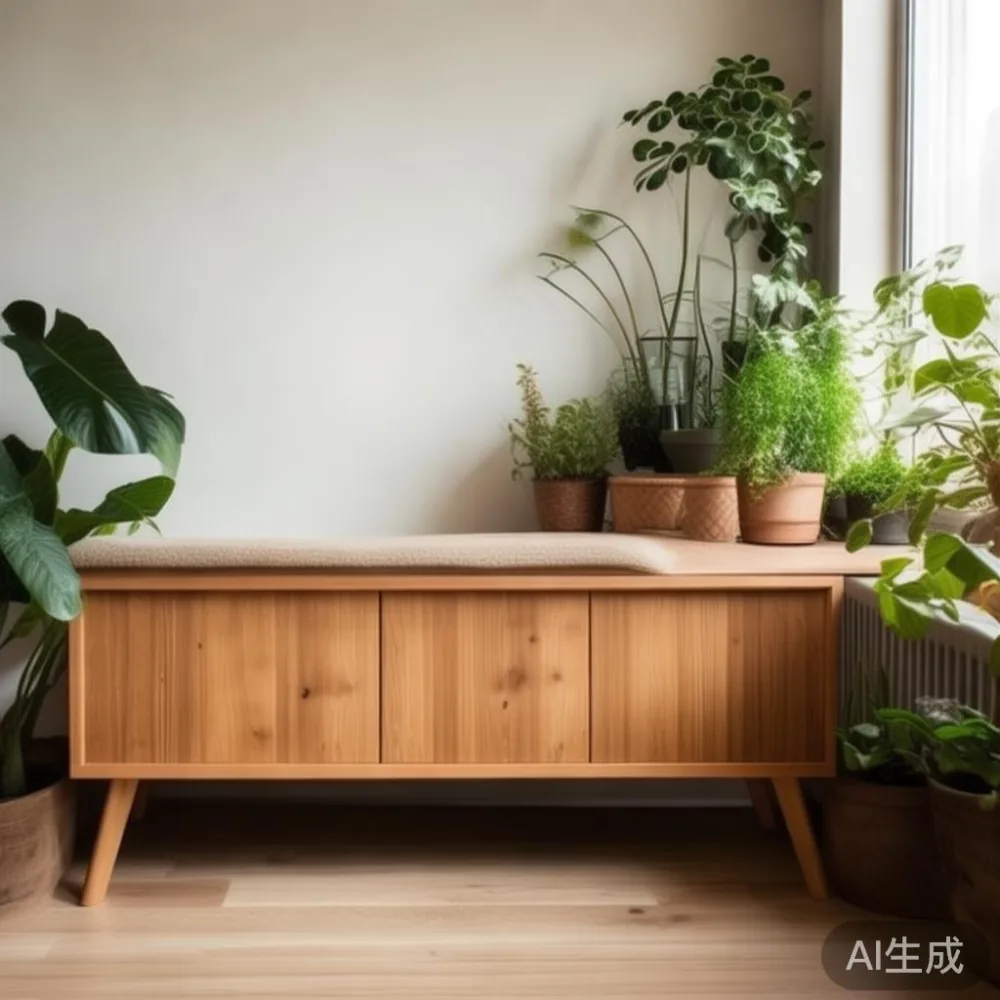
This guide explains how to measure your space, compare practical sizes, and select a storage bench that fits both everyday life and Singapore access conditions. Prices are shown in SGD and include the 9% GST that applies to consumer purchases in Singapore.
What size storage bench fits a typical HDB living room?
Most HDB living rooms offer enough wall or furniture-zone space for a 100–140 cm storage bench. A 100 cm bench suits a narrow living area, while 120–140 cm provides more capacity without requiring a large freestanding footprint. A depth of 35–40 cm is usually enough for shoes and everyday clutter; 45–50 cm is more appropriate when the bench also serves as a seat beside a dining table or near an entry.
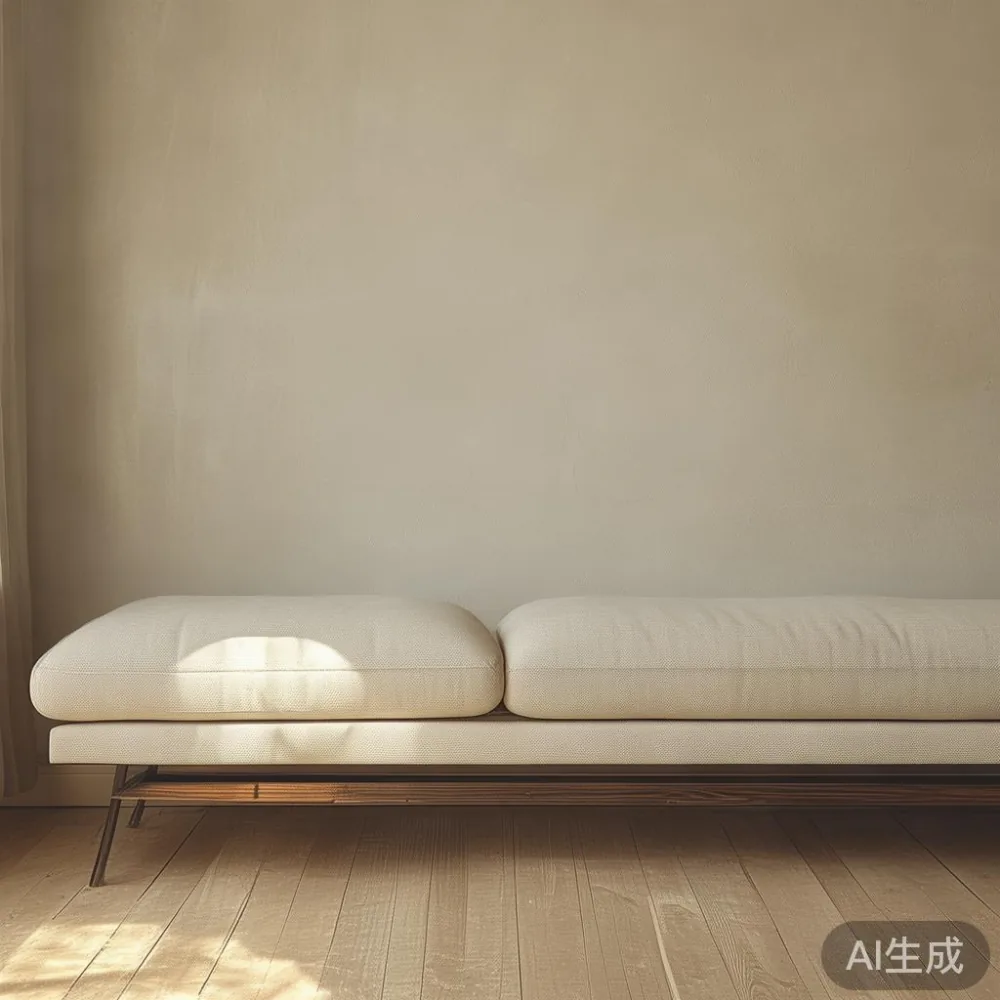
Allow at least 75–90 cm of clear circulation space in front of the bench. In a high-traffic route between the entrance and kitchen, aim for 90 cm where possible. The bench itself should normally be no more than 45 cm deep, allowing people to pass behind a seated person without squeezing past.
A useful rule is to divide the available wall length by 1.2. For example, a 3.6 m wall can accommodate a 120 cm bench with approximately 60 cm remaining on either side when centred. That leftover space can accommodate a slim nightstand, a table lamp, or framed artwork. It also prevents the bench from looking cramped against the wall.
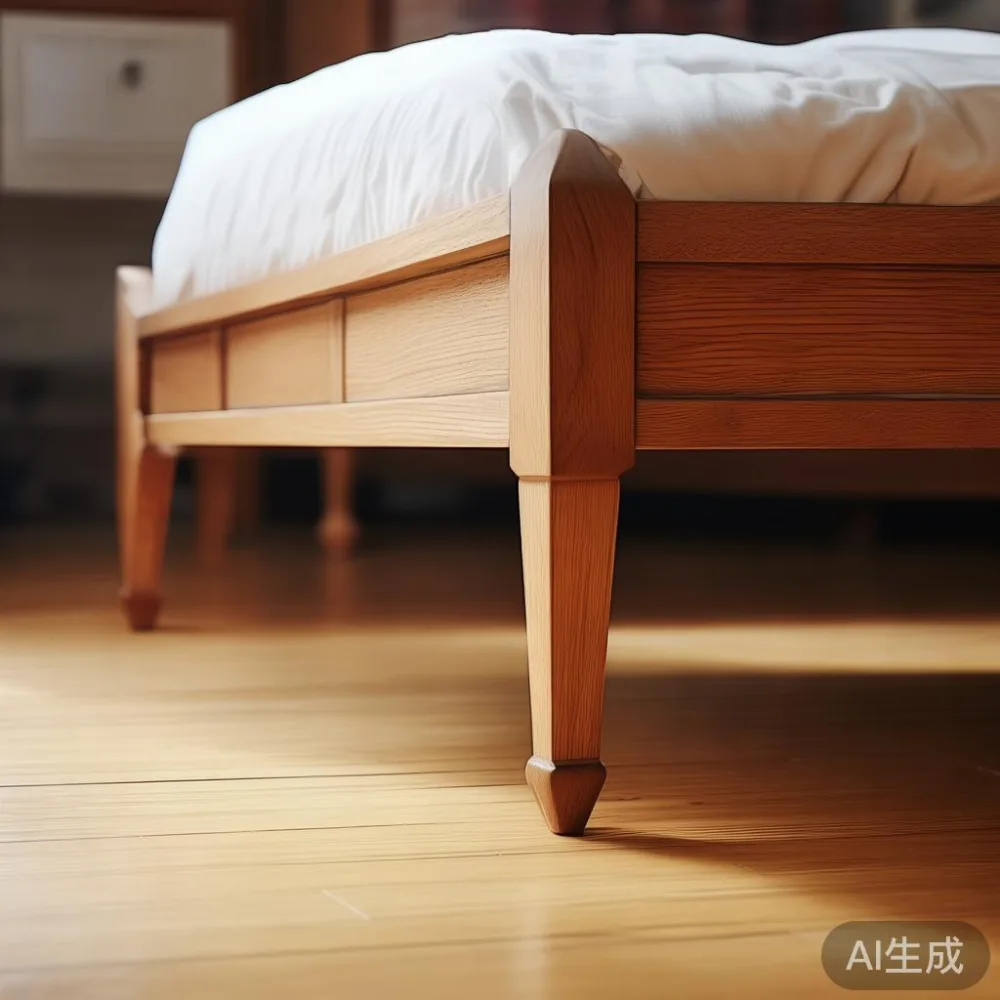
Do not measure only the visible floor area. Check the sofa, dining table, television console, air purifier, and the swing of any doors. If the bench is placed opposite a dining table, leave roughly 90 cm between the table edge and the bench seat so that seated users and passing household members do not conflict.
How do I measure a Singapore HDB flat before ordering?
Begin with a tape measure, pencil, and the actual floor plan. Measure the longest uninterrupted wall, noting skirting boards and power outlets. A standard socket sits around 30 cm above the floor, so a low bench may partly cover it. Leave 10–15 cm of access if you need to plug in or clean behind the furniture.
Next, measure the delivery route. A 100 cm wide storage bench may pass through a 90 cm doorway but can still be difficult to turn in a landing. Record the narrowest corridor width, the lift door opening, the lift car dimensions, and any corners. Many HDB blocks have lift doors around 80–90 cm wide, while corridor clearances can vary considerably. A piece measuring 120 × 40 × 45 cm may fit the lift but become awkward when manoeuvred around a 100 cm corner.
Compare the packaged dimensions with the lift interior rather than relying only on the assembled size. Check whether the storage bench can be delivered assembled or requires the seat and base to be separated. A knock-down design may measure 80 × 40 × 20 cm per package, making it easier to transport but requiring assembly and more packaging material.
Singapore’s hot, humid weather also calls for sensible material choices. Solid wood furniture may expand or contract slightly as humidity changes. Look for a finish that has been properly applied to all faces, including the underside and internal dividers. Allow ventilation inside closed compartments and avoid placing damp laundry directly against unfinished timber.
Should I choose a 100 cm, 120 cm, or 140 cm storage bench?
A 100 cm storage bench generally suits smaller HDB living rooms, compact dining zones, and entry corners. It can hold approximately 12–18 pairs of everyday shoes when fitted with two shelves, depending on shoe height and divider layout. Keep at least 80 cm of clear movement space in front. This size is often easier for delivery teams to carry through lifts and corridors.
A 120 cm storage bench is the practical middle option for many Singapore flats. It usually accommodates around 18–24 pairs of shoes and gives two adults reasonable seating. The dimensions remain manageable for most HDB access routes when the package can be separated. A configuration with a lift-up seat and 2–3 internal compartments is more useful than one large undivided cavity.
A 140 cm bench provides 30–36 pairs of storage capacity and seats two adults comfortably. It works in a wider living room or along the long side of a dining area. However, check that the available wall can hold it without reducing the passage to an awkward pinch point. A 140 cm bench can also weigh 35–50 kg, so confirm that the lift threshold and floor route can support the delivery.
For narrow HDB layouts, a 90–110 cm bench with a 32–38 cm depth is often sensible. For a medium room, a 120 cm bench with a 38–40 cm depth offers a balanced capacity-to-footprint ratio. Larger homes with wider corridors can consider 150–180 cm lengths, although these should be measured and approved before ordering.
How much clearance should remain around a storage bench?
Treat the bench as part of the circulation system rather than an isolated object. Maintain 75 cm of clear space where people pass frequently and 90 cm in a route connected to the kitchen or dining area. If a bench sits behind a dining chair, the chair itself may need 55–70 cm of pull-out space. A gap of only 40 cm between furniture can make a modest dining zone feel difficult to use.
Check the seating relationship too. A bench with a 40–45 cm seat height suits an average dining table of 73–76 cm. For a living room used mainly for shoe storage, a lower bench at 38–42 cm can look lighter. Cushions add 4–6 cm, so lower the underlying frame by that amount if children or older adults will use the bench regularly.
Leave 5–8 cm between the bench and a wall when air circulates around the room. This small gap prevents the back from trapping moisture and makes cleaning easier. Near sliding wardrobe doors, add at least 10 cm for the door panel and track. Near a television, avoid placing the bench directly under the screen unless the lid opens safely and the total height cannot block remote-control infrared signals.
Which materials and mechanisms suit Singapore conditions?
Solid wood gives a storage bench stability and a tactile quality that suits French light luxury, American light luxury, and post-modern light luxury interiors. Oak, ash, beech, and walnut are common choices. Dense hardwood may weigh 40–60 kg, while lighter solid-wood constructions can range from 25–45 kg. Compare the listed product weight with what your lift crew and household can handle.
For a light-luxury appearance, look for restrained profiles, gentle curves, and visible timber grain rather than excessive decoration. A softly upholstered lid can make the piece function as a solid wood sofa alternative at the foot of a room, although a fixed bench should not be treated as a substitute for a sofa with proper back support.
Hardware matters as much as timber. Choose hinges rated for at least 5,000 cycles if the lid opens frequently, and runners tested for the compartment load. A hydraulic stay can prevent the lid from dropping quickly, but it adds cost and creates a part that may need replacement. Simpler wooden runners may be easier to maintain in a compact home.
Consider the home’s other pieces as a coordinated system. A solid wood dining table, bed frame, wardrobe, nightstand, or marble table can share similar tones, yet each has different clearance needs. If you are researching 2026 European light luxury furniture or the top 10 Modern furniture categories, use the bench as part of a broader scale study rather than judging it in isolation.
How much does a solid wood storage bench cost in Singapore?
Entry-level models in smaller sizes commonly fall around SGD 480–800. A 120–140 cm solid wood storage bench with a lift-up seat, drawers, or more refined joinery may cost SGD 900–1,600. A larger 160–180 cm piece with premium timber, upholstered padding, or marble-style surfaces can reach SGD 1,800–2,800. These retail ranges include Singapore’s 9% GST.
Do not compare prices without checking what is included. Ask whether the quotation includes GST, delivery to the HDB block, carrying to the door, and installation. A piece quoted at SGD 1,200 before GST becomes SGD 1,308 with tax. A smaller SGD 900 bench plus a SGD 150 delivery charge may cost more than a SGD 1,080 product offered with free doorstep delivery.
MIDHILL furniture includes solid wood storage benches and related living-room pieces with a 10-year structural warranty and lifetime refinishing service. For Singapore purchases over US$350, the brand also provides free shipping, although the threshold is converted according to the payment or order terms shown at checkout. Returns are generally accepted within 14 days under the applicable product and condition rules.
Confirm the actual production time in days rather than assuming every item is stocked. Allow around 20–45 days for standard solid wood furniture and 45–75 days for specialised sizes or finishes. Add roughly 5–10 days for delivery to Singapore and another 1–3 days for HDB block delivery, depending on the workshop, port schedule, and access date.
What should I check before placing a Singapore order?
Request the external dimensions, internal compartment measurements, packaged dimensions, product weight, finish details, and delivery plan. Internal depth is often overlooked. A bench listed as 40 cm deep may provide only 31–34 cm inside because of the base, back panel, and shelf thickness. Measure the tallest shoes, handbags, helmets, or storage baskets you plan to keep.
Ask for a sample finish image in daylight, along with close-ups of the joints, underside, and interior. If the piece has a marble table top or marble-look surface, verify its thickness and weight because marble adds 35–60 kg. If it has a soft seat, check foam density, removable covers, and the cleaning instructions.
Delivery access needs written confirmation. Include the block number, floor, lift dimensions, and any parking-restriction details. Some buildings require a delivery booking through the property office. Ensure the bench can be brought in without removing door panels that the building does not permit you to alter.
Last month I visited a friend’s three-room HDB flat in Tampines to assess a proposed 140 cm storage bench. The living room looked generous, but the old lift measured only 82 cm at the door and turned sharply into a 95 cm corridor. A 120 cm knock-down bench with two packages fitted comfortably; the 140 cm version had to be abandoned because the turning space was insufficient. That visit reinforced a simple point: internal room dimensions alone do not guarantee that furniture can reach its destination.
How can a storage bench work with the rest of the room?
Use the bench as a defined zone rather than an extra piece squeezed into a leftover gap. In an entry area, place it beneath a mirror or artwork, allowing 15 cm above the lid for styling. In the dining room, align its height with the dining table and keep 90 cm between the seat and the table edge. In the living room, position it opposite a solid wood sofa while preserving 90–110 cm of clear space.
Storage planning should reflect actual routines. Allocate 40% of the interior to frequently used shoes, 25% to seasonal footwear, 20% to cushions or linens, and 15% to occasional items. Leave one shelf partly empty so the bench does not become difficult to maintain.
If the home includes a large wardrobe, coordinate the bench finish with its timber tone and handle style. A narrow nightstand can sit beside the bench without competing with it, while a marble table can provide contrast through pale stone. This is also useful when comparing American sofa vs Japandi sofa choices: the sofa establishes the room’s visual character, and the bench should support that direction without copying every detail.
For bedrooms, a storage bench can replace a separate luggage stool, but avoid placing it where a wardrobe door cannot open fully. If you are working through how to choose European wardrobe dimensions, remember that the bench is secondary; its lid-opening direction should not interfere with wardrobe access.
Which questions should I ask before ordering?
Ask whether the quoted size is the assembled size, whether the internal shelf can be removed, and whether the lid opens towards the room or the wall. Confirm the maximum supported load per shelf, which should be stated in kilograms. Also ask if replacement hardware is available and whether the finish can be maintained or renewed.
For a bedroom project, comparing the best Minimalist wardrobe for 2026 can help define the preferred timber and finish. If you are searching for the best Modern light luxury bed for 2026, treat its low-profile lines as a visual reference for the storage bench rather than assuming every element should use the same colour.
The final sizing decision is a comparison between three numbers: the product, the room, and the access route. The storage bench should fit its intended shoes and cushions, leave comfortable circulation, and reach the flat safely. Once those three figures agree, an SGD 900–1,600 solid wood model can be a sensible long-term addition rather than a bulky obstacle.