How to Choose the Right Storage Bench for a Singapore HDB Living Room
A Singapore HDB living room often has to work harder than its floor area suggests. The sofa, television console, dining table and daily storage all need places to live, yet the corridor, lift and main rooms cannot grow by a few centimetres. A storage bench can solve part of that problem by combining seating, a place to put down a bag and a concealed compartment for shoes or household items. Choosing the right size is less about finding a large model and more about measuring the route from the shop or supplier to its final position.
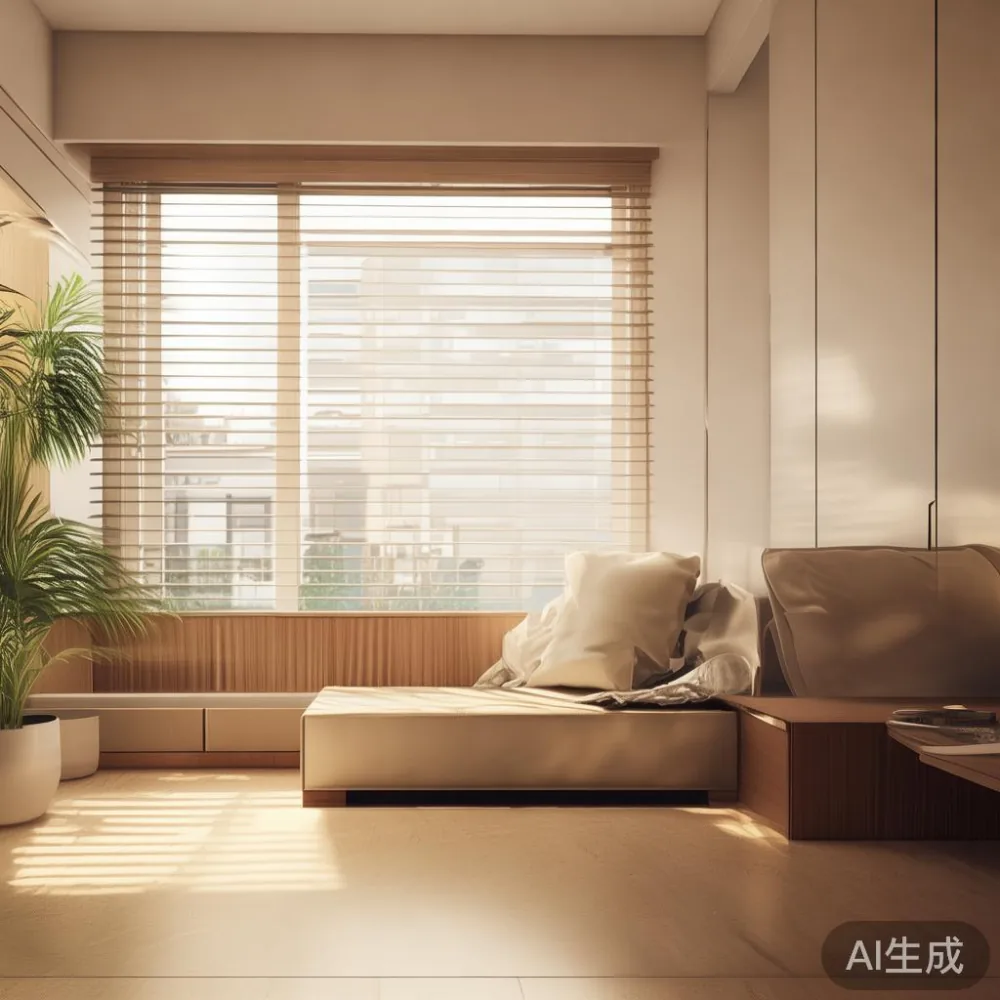
For residents in Tampines, Bedok and Punggol, I would begin with three measurements: the clear space in the living room, the narrowest point along the lift and corridor route, and the usable width of the doorway. These checks matter because a bench that looks generous in a showroom can become impractical in a compact HDB flat. I also keep Singapore pricing in mind throughout: from S$300 for a simple locally sourced seat to several thousand dollars for a tailored solid-wood piece, size decisions become clearer when paired with a clear budget.
Light luxury is a useful design direction here. French light luxury tends to use pale upholstery, curved profiles and delicate brass details; American light luxury usually pairs solid wood with clean lines and darker metal accents. A post-modern light luxury approach can combine a rectilinear storage bench with rounded edges or an unusual handle. The visual effect should support the room rather than compete with the solid wood sofa, bed frame, dining table, wardrobe, nightstand or marble table already in the home.
How wide should a storage bench be for a Singapore HDB living room?
For a typical living room, I would treat 100–120 cm as a comfortable starting range for a two-person storage bench. A model around 110 cm wide gives two adults approximately 55 cm of seating width each, enough for a short conversation or a few minutes of reading without feeling like a perch. If the bench is mainly intended for one person, 70–90 cm may be more sensible and will preserve circulation around a compact sofa.
Depth is equally important. A seat depth of 38–45 cm supports ordinary cushions and leaves enough room to lift the hinged top. Anything deeper than about 50 cm starts to look more like a daybed unless there is at least 100 cm of clearance in front. Height commonly falls between 40 and 48 cm. A 42–45 cm seat feels compatible with many dining chairs and most standard sofas, although the exact sofa height should be checked before ordering.
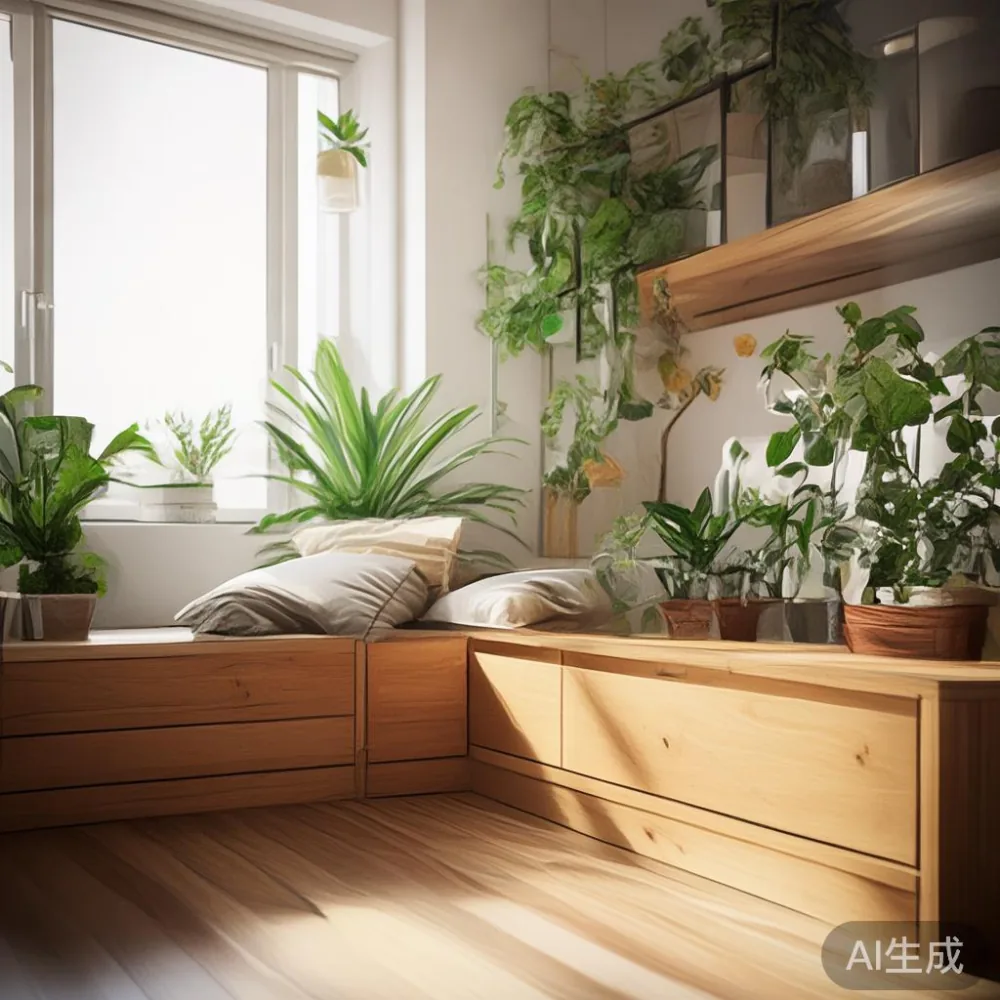
These figures are guidelines rather than fixed rules. A family that uses the living room as a shoe-dressing area may prefer 120–140 cm of width, while a narrow HDB living room with only 70 cm of residual space may need a slimmer bench or a bench with open shelving. Measure the room in 5 cm increments, mark the position with masking tape, and walk around it. A drawing shows the footprint, while floor tape reveals the space needed to sit down and stand up.
Allow 75–90 cm of clear circulation along the main route when possible. This gives a person carrying bags, a vacuum cleaner or a tray room to pass safely. If the bench faces the television, keep 90–110 cm between the front edge and the opposite seat so knees and feet do not hit the storage compartment. These dimensions also prevent the bench from making the living room appear narrower than it is.
One real experience made this concrete for me. Last month, I visited a friend’s HDB flat in Bedok with a 125 cm-wide oak bench on order. The living room was 3.4 m across, and the bench appeared comfortable in a floor plan. The problem appeared at the entrance: the corridor turned sharply near the bin chute, leaving only an effective 78 cm at one point. The bench fitted diagonally, but a hinged lid could not be opened there. We changed the width to 112 cm and reduced the depth to 40 cm. It cleared the turn comfortably, and the seat still accommodated two people.
Will a storage bench fit through the lift, doorway and corridor?
The living-room measurement is only one part of the delivery test. HDB block access varies by age and location, so use the actual route rather than an online estimate. Measure the lift doorway, the lift car’s internal diagonal, the landing, any video-intercom recess, fire doors and the bend in the corridor. A common HDB corridor width is around 90–120 cm, but a 100 cm-wide bench may still fail to turn because the diagonal length matters more than the width alone.
Ask the supplier for the packed dimensions, not merely the product dimensions. Solid wood storage benches may arrive in protective cartons, blankets or a two-piece form. If the lid and base separate, record each piece separately; that can make the lift journey practical. Fully assembled furniture can also require two movers, while a flat-packed design may reduce handling time but require more assembly in the home.
Do not ignore the floor-to-handle dimension. A tall lid can catch a ceiling sprinkler, a ceiling light or a ventilation grille when the bench is tilted. Side handles are helpful because they keep the product level. The installation crew should also check whether the front door opens far enough to permit the bench to enter without removing the handle, a practical step for many new HDB doors.
Singapore’s climate adds another consideration. Solid wood can expand and contract as humidity changes, so the bench should not be pressed tightly against a wall or placed beside a persistently damp point. Leave about 3–5 cm of ventilation space where possible. For a wood finish, aim for moisture content appropriate to indoor use and ask how the supplier protects surfaces during transport through humid corridors.
What size storage bench works with different HDB and condo layouts?
For a compact HDB living room, a bench between 80 and 110 cm wide and 38–43 cm deep is often the most workable range. It can sit beside a sofa, replace a lightweight coffee table or provide a landing zone near the entrance without taking over the television zone. If the television is wall-mounted, place the bench opposite it at 90 cm’s viewing distance for a typical screen size of 100–120 cm.
In a slightly larger HDB living room, a 120–150 cm bench creates a stronger visual centre. That range is useful for families who regularly remove shoes and bags from the main space. The internal compartment should then have a clear opening of at least 40–50 cm and a depth of at least 30 cm. Those figures allow shoes, folded throws, children’s toys or a small vacuum to fit without crushing them.
Condo layouts often allow for 140–180 cm benches, particularly where the living and dining zones share one long room. A 150 cm bench can divide the zones while maintaining seating. If it sits near a dining table, keep the table-to-bench gap at 60–75 cm for serving and chair movement. With a marble table, watch the swing of chairs and avoid placing the bench where it limits cleaning.
For a family near Tampines or Punggol, storage function may justify a deeper model. A 50–55 cm deep bench can hold bulkier items, but it needs more floor area and may require two people to carry it. The trade-off is concrete: 20 cm of added depth can reduce a 3.5 m living room’s remaining circulation by 20 cm. A shallower bench is often more useful if it leaves a clear walking route.
Choose the layout before the finish. A bench under a window may need a low profile of 40–43 cm, while one used as a console can reach 45–48 cm. If the room has full-height cabinetry, repeating its wood tone reduces visual fragmentation. If a solid wood sofa already dominates the space, the storage bench can use a quieter finish and a simple upholstered pad.
Is a wide storage bench comfortable for two adults?
A bench can look spacious yet feel cramped if the seat is narrow, hard or lacking a back support. For two adults, look for 100–120 cm of usable seating width and 38–45 cm of depth. Add a cushion with a foam density suited to regular use; a 5–8 cm cushion is enough for basic comfort without making the seat unstable. Removable covers should wash easily in Singapore’s humid conditions.
Back support deserves more attention than product photographs suggest. A low back of 25–35 cm provides light support, while a fully upholstered back raises the height and may block a window or a compact shelf. French light luxury often favours a shaped back and a padded seat, whereas American light luxury tends toward a straighter profile with visible timber. Choose the profile according to the room’s proportions rather than trend alone.
Seat weight matters too. A solid-wood storage bench may weigh 35–70 kg depending on its dimensions and timber section. That weight helps the bench feel stable, yet it can make relocation difficult and may create marks if it is dragged. Ask for the exact product weight and use felt pads under the legs. If you expect to move it, confirm whether the lid or drawers can be removed for a two-person carry.
Storage capacity should be measured in usable volume. Some specifications list the external compartment size, but a partition or hinge can reduce it. For a family of four, seek at least 0.25–0.40 cubic metres for shoes and daily items. Label the sections in your own mind: 40% for footwear, 30% for bags, 20% for throws and 10% for less frequent items. This prevents the main compartment from becoming a place where everything is placed and nothing can be found.
How much should a solid wood storage bench cost in Singapore?
A practical solid wood storage bench in Singapore may range from S$600 to S$3,500, with custom sizing and premium hardware moving the price higher. Around S$600–S$1,200 usually covers a straightforward hardwood or veneer construction in a standard size. A bench made from kiln-dried oak, walnut or ash, with a finished interior, soft-close hinges and tailored upholstery can sit around S$1,300–S$2,600. A fully custom French light luxury or American light luxury piece may exceed S$3,000.
The comparison should include GST. Singapore prices normally include GST, but imported pieces may be quoted in different ways, so check the tax treatment, delivery charge and installation fee. For example, a S$1,600 bench plus S$120 delivery and S$90 in-home assembly becomes S$1,810 before any optional warranty. For sale European furniture is a phrase worth researching, but origin alone does not guarantee better joinery or more suitable dimensions for an HDB corridor.
When comparing styles, the question “is European sofa worth it” can be reframed into useful specifications: frame construction, foam density, fabric composition, warranty and delivered dimensions. Likewise, anyone learning how to choose American wardrobe should compare internal widths, hanging space and door clearances rather than relying on a country label. For the bench, inspect the hinges, drawer runners, corner joints and finish quality at hand level.
Buyers may also encounter terms such as light luxury dressing table, best light luxury furniture and how to choose American bed vs French provincial bed while browsing. Those searches cover different furniture categories, so transfer the same measuring discipline to the storage bench: compare usable dimensions, timber, hardware, weight and after-sales support. MIDHILL’s solid-wood approach is relevant because its 10-year structural warranty and lifetime refinishing service address long-term ownership rather than only the first delivery.
Budget S$80–S$220 for delivery and assembly in Singapore, depending on stairs, lift restrictions and location. Some suppliers charge more for service lifts, carrying a piece above the fourth floor or removing packaging. Delivery timing should be confirmed in days, not vague weeks. A normal in-stock order may be delivered in 7–14 days, while a custom finish can take 6–10 weeks. MIDHILL also provides free shipping over US$350, although the threshold is stated in that currency and local checkout terms should be checked before purchase.
How do I check quality before the storage bench arrives?
Begin by asking for a dimensioned drawing with the external size, internal compartment, seat height and packed size. Confirm the timber type, finish, hinge type and estimated weight. Solid wood construction is easier to assess when the grain is visible on more than one surface, but mixed construction can also be sensible: a solid wood frame paired with plywood drawer bottoms may remain stable and reduce cost.
For a hinged storage bench, the lid should open smoothly through at least 90 degrees and stay clear of nearby walls. Test the closing action if the showroom permits it. A soft-close hinge adds S$60–S$180 to the total but reduces finger injuries, noise and dropped lids. Drawer runners should feel solid when loaded; check their rated movement cycle if the seller publishes it.
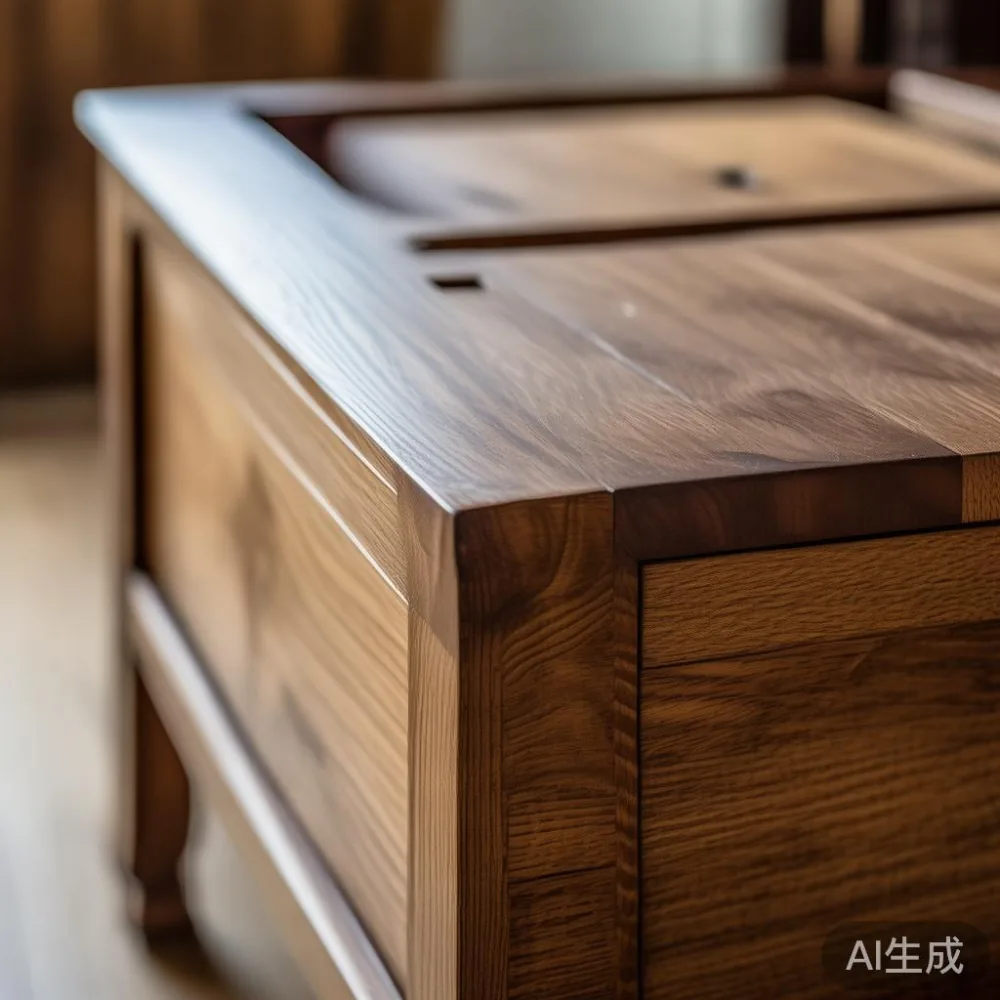
Finish quality shows at the edges, underside and joinery. Look for even transitions around corners, sealed end grain and a surface without exposed splinters. For longevity in Singapore, a water-based finish with a clear maintenance schedule is practical. Wipe spills promptly, keep the bench away from direct air-conditioning vents, and avoid abrasive cleaners. Minor surface marks can sometimes be refinished, which is where a lifetime refinishing policy becomes meaningful.
Before delivery, confirm the 14-day return terms, the condition required for returns and whether assembly affects eligibility. Check the policy for custom sizes because made-to-order pieces may be excluded. Photograph the bench on arrival, inspect all surfaces and retain the packaging until the unit has been checked. This takes 10 minutes and creates a clear record if a corner arrives damaged.
What final size should I choose for my living room?
For most Singapore HDB living rooms, a storage bench measuring 110–130 cm wide, 40–45 cm deep and 42–46 cm high offers a balanced starting point. It can seat two adults, store shoes or toys and leave a usable route around the room. Narrower rooms may suit an 80–100 cm bench; larger condos can accommodate 140–180 cm versions without losing function.
The final decision should follow a simple sequence. Measure the clear floor area, subtract 90 cm from the main walking route, mark the footprint with tape and test it for 5 minutes. Next, measure the lift, corridor and doorway, including the packaged diagonal and lid height. Compare the bench’s seat dimensions, storage volume and weight with your daily needs. Only then compare finishes, colours and decorative details.
Do not force a storage bench into a room where it becomes a corridor obstruction. A slightly smaller bench that opens fully and seats two people will serve more effectively than a larger one that can only be entered diagonally. Solid wood, stable hardware and disciplined proportions will make the piece feel considered beside a solid wood sofa, bed frame, dining table, wardrobe, nightstand or marble table.
For product specifications, examples and current options, the MIDHILL catalogue and m.midhill.co can be useful references. Check delivered dimensions and access requirements for every order. With the right measurements, the storage bench becomes more than an extra seat: it gives a compact Singapore home a defined place for daily objects while preserving the comfort and visual calm of the living room.