Finding the Right Fit: A Practical Guide to Storage Bench Sizes for Singapore HDB Living Rooms
Selecting furniture for a Singapore Housing and Development Board (HDB) flat requires a careful balance of style, function, and spatial awareness. The living room, often the heart of the home, must serve multiple purposes—from family gatherings to quiet evenings. A storage bench can be an incredibly versatile solution, offering a place to sit, store items, and enhance the room's aesthetic. However, choosing the right size is not a matter of personal preference alone; it is a practical decision influenced by the unique dimensions of HDB living spaces, standard door and corridor widths, and the need for multi-functional furniture. This guide will walk you through the process of measuring your space, understanding the standard sizes available, and selecting a storage bench that integrates smoothly into your Singaporean home.
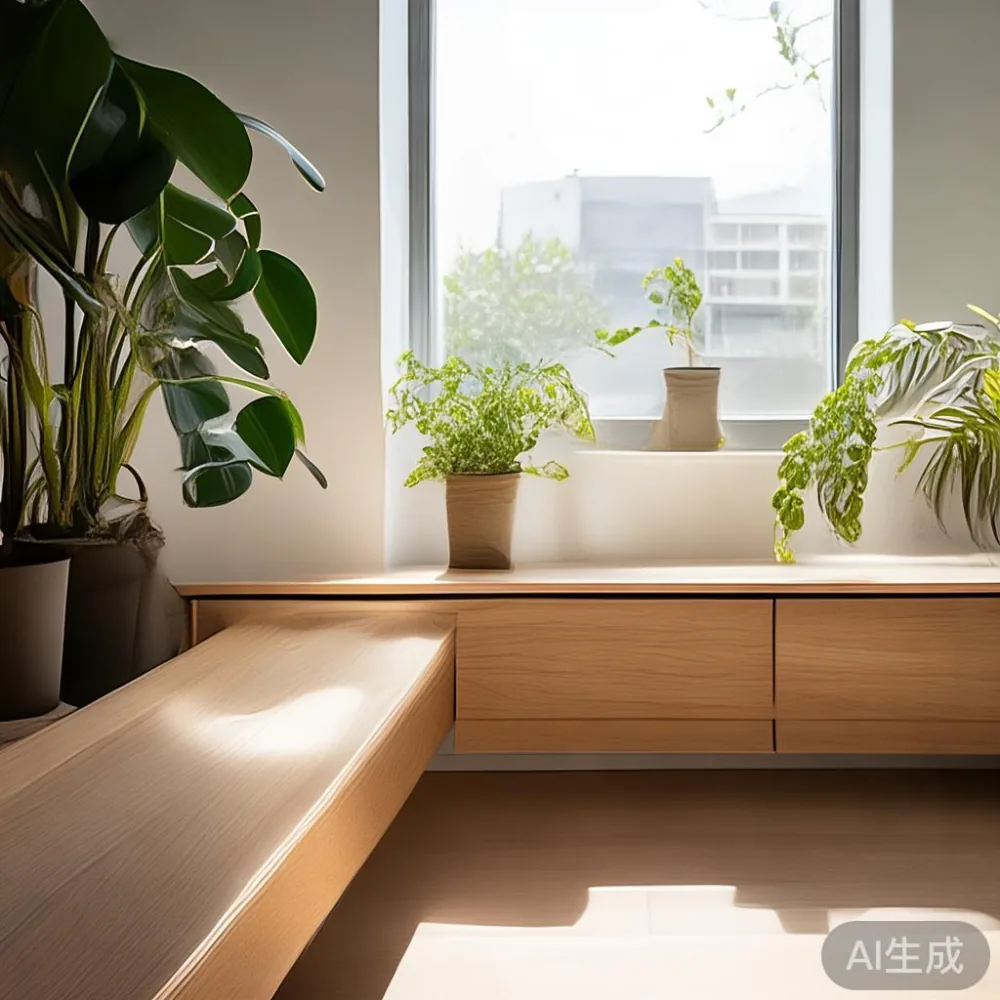
Understanding Your HDB Living Room Dimensions
The first step in choosing the right storage bench is to understand the physical constraints of your living room. Most HDB flats in Singapore, whether in mature estates like Tampines and Bedok or newer developments in Punggol, have standardised room layouts. A typical 4-room HDB living room has a width of approximately 4.2 metres and a depth of around 4.5 metres. This space must accommodate a sofa, a television unit, a dining table or console, and circulation paths for movement.
When measuring, it is critical to account for more than just the floor area. You must also consider the width of your main door and the corridor leading to your lift landing. The standard door width for an HDB flat is about 80-90 cm. The corridor width in most HDB blocks is approximately 1.2 metres. This is a important detail because a large storage bench will need to be manoeuvred through these tight spaces during delivery. Last month, I visited a colleague's new apartment in Bedok to help him arrange his furniture. We had to disassemble the legs of his new solid wood sofa just to get it through the 85 cm doorframe. A storage bench, even a disassembled one, needs to fit within these logistical realities.
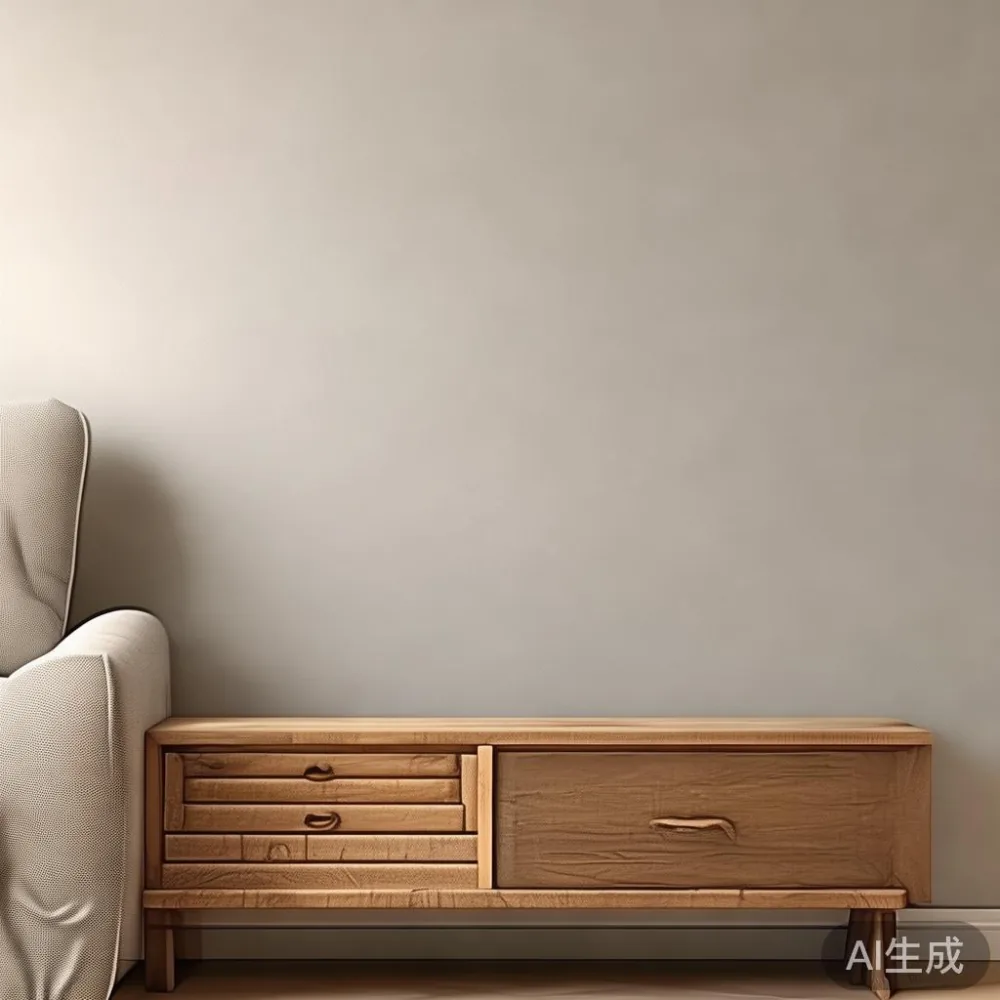
Another factor is the placement of the storage bench. It could sit at the foot of the sofa, act as a window seat, or serve as a console table behind it. Each location has different spatial requirements. For instance, a bench behind the sofa should not protrude too far into the walkway, which should ideally be at least 80 cm wide to allow comfortable passage. A good practice is to measure the area where you intend to place the bench, marking the exact dimensions with painter's tape on the floor. This visual aid helps you see the furniture's footprint before making a purchase.
What Are the Standard Storage Bench Sizes Available?
Storage benches come in a variety of sizes, but for Singapore HDB living rooms, certain dimensions are more practical than others. The most common width for a storage bench ranges from 100 cm to 150 cm. This size is ideal for seating two to three people and fits neatly against most walls or at the foot of a standard 3-seater sofa. A bench that is too narrow, say under 80 cm, may look disproportionate, while one wider than 180 cm can dominate a small living room and block pathways.
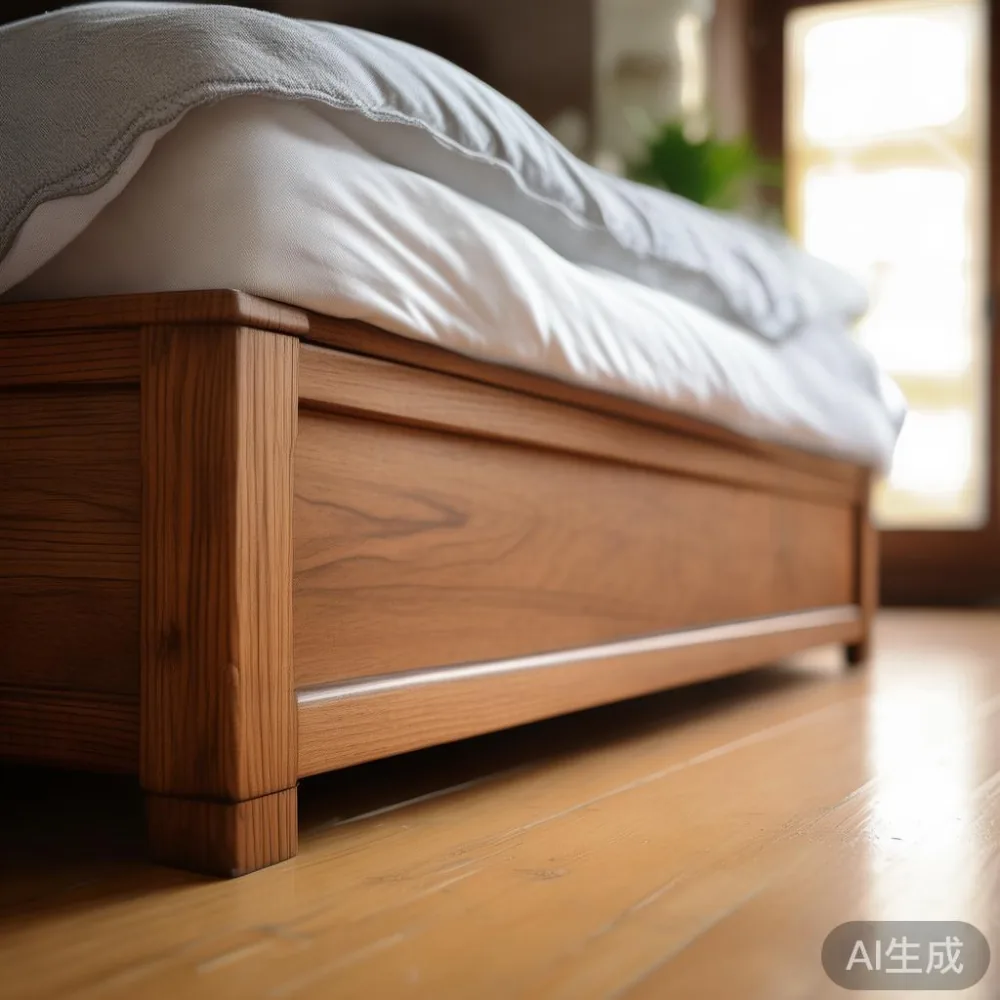
The depth of the bench is equally important. A typical storage bench has a depth between 40 cm and 55 cm. This depth provides ample storage space for items like blankets, books, or children's toys without making the bench too deep to be used as seating. A depth of less than 35 cm might limit storage capacity, while a depth exceeding 60 cm can make the bench feel bulky and may encroach too much on the living space. The height of the bench should also be considered. Standard seating height is between 45 cm and 50 cm, which aligns well with the height of most sofas, creating a cohesive and comfortable seating arrangement.
For those with a smaller living room, a more compact option is available. A narrow storage bench, measuring around 80 cm in width and 40 cm in depth, can fit into tighter spaces, such as a hallway or beside a window. This smaller scale is perfect for apartments where every centimetre counts. On the other hand, for larger living rooms in condominiums or executive flats, a longer bench, perhaps 160 cm wide, can serve as a statement piece, anchoring the room and providing significant storage. The key is to match the bench's scale to the room's proportions to maintain a balanced and harmonious look.
How Do You Measure for a Storage Bench in a Narrow Corridor Flat?
Living in a Singapore HDB flat often means dealing with narrow corridors and tight corners, especially in older estates. If your apartment has a long, narrow layout, choosing a storage bench requires even more precise planning. The primary challenge is ensuring the bench can be delivered and placed in the desired location without getting stuck.
Start by measuring the narrowest point of your corridor and the turning radius around corners. A standard 5-seater sofa in Singapore is about 220 cm wide, but it often has to be angled to fit through doorways. The same principle applies to a storage bench. If your corridor is only 120 cm wide, a bench wider than that will not fit through straight. You may need to opt for a bench that is no wider than 100 cm to allow for easy manoeuvring. My colleague in Punggol learned this the hard way when he tried to bring a 150 cm bench into his flat; it got wedged in the corner of the living room, and he had to wait for two friends to help him lift and pivot it into place.
Another consideration is the weight of the bench. Solid wood furniture, while durable, can be heavy. A typical storage bench made of solid oak or walnut can weigh between 25 kg and 40 kg. When you factor in the weight of the items stored inside, moving it becomes a significant task. If you live on a higher floor without a lift, delivery can be an issue. Most furniture companies in Singapore charge an additional fee for deliveries above the fourth floor, and some may not deliver at all without a service lift. Always confirm the delivery details, including the weight and dimensions of the package, with the seller before placing your order.
What Material and Style Complement a Storage Bench for HDB Living?
Once you have the size figured out, the next step is to consider the material and style of the storage bench. The choice of material not only affects the bench's aesthetic but also its durability and suitability for the Singaporean climate. Solid wood is a popular choice for its timeless appeal and longevity. A solid wood storage bench, such as one from a brand like midhill, can withstand the humid conditions in Singapore better than particleboard or MDF, which are prone to warping.
For a light luxury feel, you might consider a French light luxury style, which features elegant lines, soft curves, and a combination of wood and upholstery. This style adds a touch of sophistication and comfort to the living room. Alternatively, an American light luxury style might incorporate more solid, statement-making pieces, such as a storage bench with a marble tabletop or intricate carvings. A post-modern light luxury approach could involve a bench with clean, geometric shapes and a mix of materials like metal, glass, and wood, creating a contemporary and chic look.
The finish of the bench should also be considered. Light-coloured woods like ash or maple can make a small living room feel more open and airy, while darker woods like walnut or teak can add a sense of warmth and intimacy. The upholstery on the seat cushion should be durable and easy to clean, especially if you have children or pets. Leatherette or high-quality fabric with a stain-resistant treatment are practical options. Remember that the storage bench should complement other pieces in your living room, such as your solid wood sofa and dining table, creating a cohesive and harmonious design scheme.
How Does a Storage Bench Enhance Functionality in a Multi-Purpose Living Room?
In many Singapore HDB flats, the living room serves multiple functions—it's a space for relaxing, entertaining, and even working from home. A storage bench is a multi-functional piece of furniture that can enhance the room's utility in several ways. First, it provides hidden storage for items that you don't want to leave out in the open, helping to keep the living room tidy and clutter-free. This is particularly useful in smaller homes where storage space is limited.
Second, a storage bench can serve as additional seating. When guests come over, the bench can be pulled up to the dining table or used as extra seating in the living area. This flexibility is invaluable in Singaporean homes where space is at a premium. For example, a storage bench placed at the foot of the sofa can be used as a footrest, while also storing blankets and pillows for easy access.
Thirdly, a storage bench can double as a console table. By placing a decorative tray or a few books on top, it can create a stylish surface for displaying items or holding a lamp. This is a great way to add personality to the room without taking up extra space. The key is to choose a bench with a flat, sturdy top that can support the weight of your decorative items. A well-chosen storage bench can thus be a centrepiece of the living room, combining storage, seating, and display in one elegant piece.
Are There Specific Storage Bench Styles for Different HDB Room Layouts?
The style of the storage bench you choose should be tailored to the specific layout of your HDB living room. For instance, if you have an open-plan living and dining area, a storage bench that can bridge the two spaces would be ideal. A long, narrow bench placed behind the sofa can separate the living area from the dining area while providing storage. This is a common layout in many modern HDB flats in Punggol and other new towns.
In a more traditional HDB layout where the living room is a separate space, a storage bench can be used to define the area. For example, a bench placed under a window can create a cozy reading nook. This is particularly effective in older flats where the living room has a distinct window bay. The bench can be paired with a small side table and a mid-century modern accent chair to create a perfect little corner for relaxation.
For those who prefer a minimalist aesthetic, a storage bench with clean lines and a simple design would be more appropriate. This style complements a modern living room with a neutral colour palette. On the other hand, if your living room has a more eclectic or bohemian vibe, a storage bench with a more unique design, perhaps with a patterned fabric or a rustic finish, would fit right in. The important thing is to ensure that the bench's style aligns with the decor of the room, creating a unified and visually appealing space.
What Are the Key Features to Look for in a High-Quality Storage Bench?
When investing in a storage bench, especially one made of solid wood, it is important to look for certain features that ensure quality and durability. One of the most important features is the construction. A well-made storage bench should have a sturdy frame, preferably made of solid wood, with reinforced joints. Mortise and tenon joints or dovetail joints are signs of high-quality construction, as they provide strength and stability.
The hinges on the storage bench are another critical component. Look for soft-close hinges that prevent the lid from slamming shut, which can be a nuisance and can damage the bench over time. The hinges should also be made of durable materials, such as brass or stainless steel, to prevent rust and corrosion. The interior of the bench should be finished as well, with smooth edges to prevent snagging on items stored inside.
The upholstery on the seat cushion should also be of high quality. Look for high-density foam that provides comfortable seating and retains its shape over time. The fabric should be durable and easy to clean, with options such as microfiber or leatherette being practical choices for Singapore's humid climate. Also, consider the warranty offered by the manufacturer. A reputable brand will offer a structural warranty, often lasting 10 years or more, which gives you peace of mind that your investment is protected. Some brands also offer a lifetime refinishing service, ensuring that your bench can be restored to its original condition if it gets scratched or damaged over time.
How Do You Budget for a Storage Bench in Singapore?
The price of a storage bench in Singapore can vary widely depending on the size, material, and brand. A basic storage bench made of engineered wood or rubberwood might cost around SGD 200 to SGD 400. However, a high-quality storage bench made of solid wood, such as oak or walnut, can range from SGD 600 to over SGD 1,500. It is important to set a realistic budget based on your needs and the quality you are looking for.
p>When budgeting, don't forget to factor in additional costs such as delivery and assembly. Many furniture stores in Singapore offer free shipping for orders over SGD 350, which can help save on delivery fees. However, if you live in a location that is difficult to access, such as a flat with no lift or in a remote area, there may be an additional delivery charge. Assembly costs can also add up, especially if you opt for professional assembly services. Some brands, like midhill, include assembly in their delivery service, which can be a convenient option.It is also worth considering the long-term value of a storage bench. While a cheaper bench might seem like a good deal initially, it may not last as long as a more expensive, higher-quality piece. Investing in a well-made storage bench can save you money in the long run, as you won't have to replace it as often. Also, a high-quality bench can add value to your home, making it more attractive to potential buyers if you decide to sell your flat in the future.
What Are the Delivery and Return Policies for Storage Benches?
Purchasing a storage bench online or from a furniture store comes with the consideration of delivery and return policies. In Singapore, most furniture stores offer delivery services, but the specifics can vary. It is important to check the delivery time, which can range from 7 to 21 days depending on the brand and your location. For example, a delivery to Tampines might take 10 days, while a delivery to a more remote area like Punggol could take up to 14 days.
Return policies are also an important consideration. Most reputable stores offer a 14-day return policy, allowing you to return the bench if it is damaged or if you are not satisfied with it. However, it is important to check the terms and conditions of the return policy, as some stores may charge a restocking fee or require the item to be in its original packaging. Also, some stores may not accept returns for custom-made or made-to-order items, so it is important to be sure of your choice before placing an order.
When the delivery arrives, it is important to inspect the bench carefully for any damage before the delivery personnel leave. Check for scratches, dents, or any other defects. If you notice any issues, report them to the store immediately and take photos as evidence. This will ensure that you can get a replacement or a refund without any hassle. It is also a good idea to keep the original packaging for a few weeks in case you need to return the item.
How Can You Maintain a Solid Wood Storage Bench in Singapore's Humid Climate?
Maintaining a solid wood storage bench in Singapore's humid climate requires some extra care to prevent damage from moisture. Wood can expand and contract with changes in humidity, which can lead to warping or cracking if not properly cared for. To keep your bench in good condition, it is important to maintain a stable humidity level in your home. Using a dehumidifier, especially during the rainy season, can help prevent excessive moisture from affecting the wood.
Regular cleaning is also important. Dust the bench regularly with a soft, dry cloth to prevent dust from building up and scratching the surface. For deeper cleaning, use a mild wood cleaner and a damp cloth, but be sure to wipe the dry immediately afterward. Avoid using harsh chemicals or abrasive cleaners, as they can damage the wood's finish. It is also a good idea to polish the bench every few months with a high-quality wood polish to protect the finish and keep the wood looking its best.
p>If the bench has an upholstered seat, it is important to clean the fabric according to the manufacturer's instructions. Most fabrics can be vacuumed regularly to remove dust and dirt. For spills, it is important to act quickly and blot the stain with a clean, damp cloth. Avoid rubbing the stain, as this can push it deeper into the fabric. For stubborn stains, a fabric cleaner may be necessary, but be sure to test it on a small, inconspicuous area first to ensure it does not damage the fabric.What Are the Common Mistakes to Avoid When Choosing a Storage Bench?
When choosing a storage bench for your HDB living room, there are several common mistakes that you should avoid to ensure you make the right choice. One of the most common mistakes is choosing a bench that is too large for the space. A bench that is too wide or deep can make the living room feel cramped and can block pathways, making it difficult to move around. To avoid this, always measure your space carefully and choose a bench that fits comfortably within the available area.
Another mistake is ignoring the style of the existing furniture in the living room. A storage bench should complement the other pieces in the room, such as the sofa, dining table, and nightstand. Choosing a bench that clashes with the existing decor can create a disjointed look. To avoid this, consider the style and colour of your existing furniture and choose a bench that matches or complements them.
Finally, many people make the mistake of not considering the practical aspects of the bench, such as the weight, ease of assembly, and delivery logistics. A bench that is too heavy or difficult to assemble can be a hassle to set up, and one that is too large to fit through your door can be impossible to deliver. To avoid these issues, always check the dimensions and weight of the bench before purchasing it, and confirm the delivery and assembly options with the seller.