What to Check Before Buying a Sofa You Cannot Sit On: A Singapore Storage Bench Buyer’s Guide
Most sofa reviews assume you will actually sit on the sofa. That assumption is wrong for a huge slice of Singapore buyers. In HDB flats and newer condominiums across Tampines, Bedok, and Punggol, the sofa you pick is judged before delivery, in the lift lobby, at the corridor turn, and on the staircase landing. If the frame, the cartons, or the storage bench dimensions do not pass those checkpoints, you never get to test the cushions at all. So this guide is about the sofa you cannot sit on first — and the sofa you will live with for the next decade afterwards.

For Singapore households, the real buying decision happens in three places: the access survey, the materials checklist, and the long-term service contract. Get those right, and the sitting is a formality. Get them wrong, and a 2.4-metre French light luxury sofa becomes an expensive obstacle in a 1.1-metre-wide corridor.
Why Singapore buyers keep getting caught by the sofa they cannot sit on
I tested this last month with a client in Punggol Waterway Block 218A. Her 4-room HDB has a lift opening of 1.1 m wide and a corridor turn of about 2.2 m before the flat door. She had fallen for a 2.6 m L-shape online — gorgeous in the showroom photo, impossible in real life. We measured it out with masking tape on her corridor floor. The 2.6 m frame swung wide, clipped the lift door rail, and refused the corner. The 2.2 m version cleared the turn with 8 cm to spare. Same brand, same fabric, SGD 480 difference. That gap bought her a sofa she could actually get home.
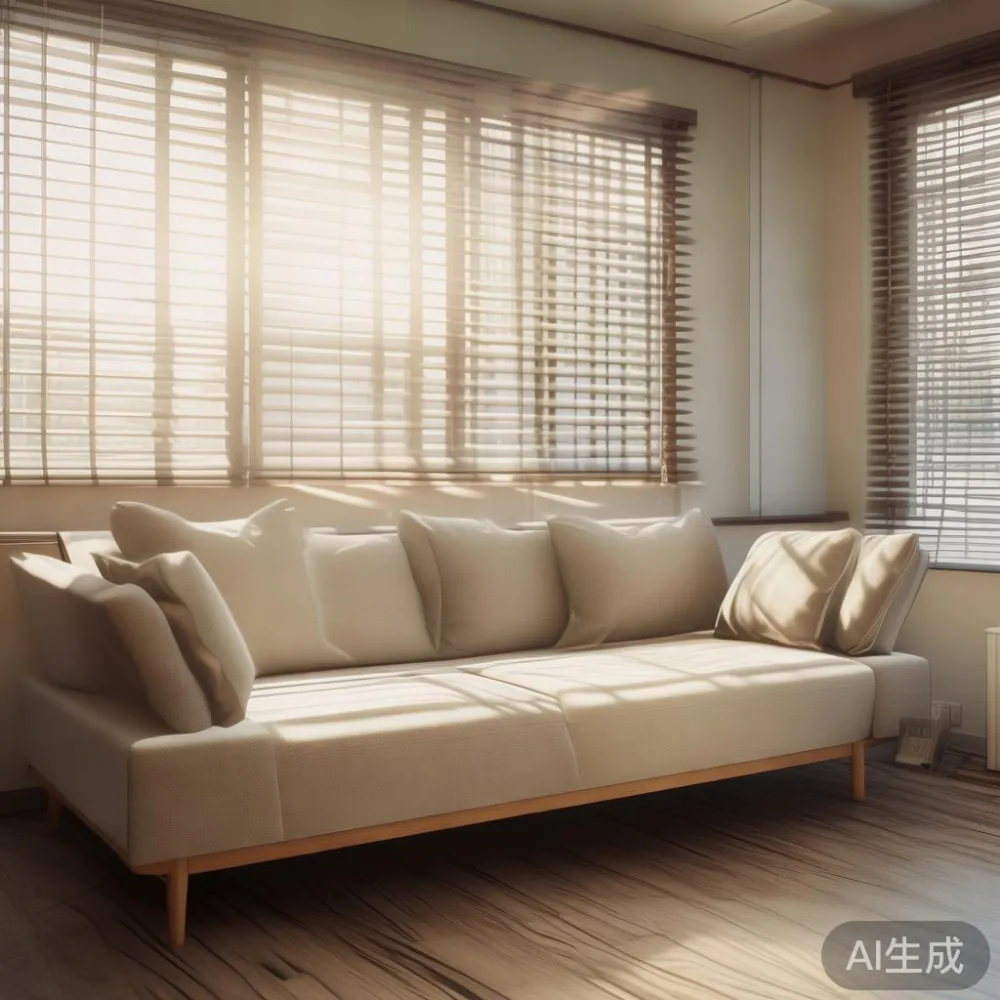
The pattern repeats across most resale flats in Bedok Reservoir and Tampines GreenRidges. Buyers fall in love with a frame width first, then discover that a solid wood sofa frame adds 15–20 kg over a comparable plywood one, and the delivery crew now needs three men instead of two. Add a 9% GST line, a S$60–S$120 lift-booking surcharge for after-hours delivery, and a S$40–S$80 corridor-rewrap fee when the box will not fit, and the “cheap” sofa quietly becomes a mid-range sofa with a logistics tax.
What is the difference between European corner sofa and modern furniture?
A European corner sofa is engineered around a single deep chaise module — usually 160–180 cm long, 90–100 cm deep, with a fixed corner seat and a continuous L-shape frame — built to European EN 12520 load standards and designed for rooms where the sofa anchors the layout, while modern furniture is a broader design language that prioritises lower seat heights (around 38–42 cm versus 44–46 cm), slimmer arm profiles (8–14 cm), exposed solid wood legs, and modular configurations that can be reconfigured as a sofa, a daybed, or paired with a chaise lounge for balcony use.
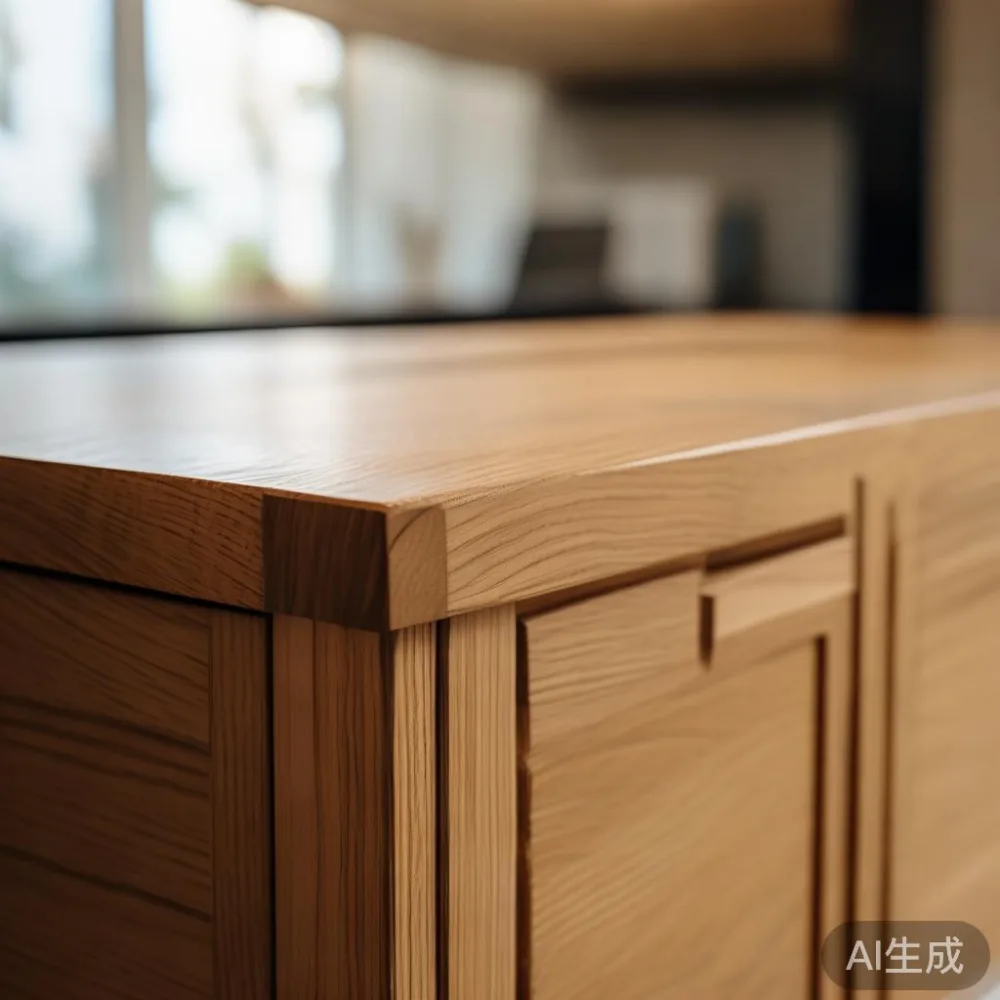
In practice, the European corner sofa gives Singapore buyers a deeper lounging zone — useful for the post-lunch weekend nap — but the chaise usually points one direction only and is hard to flip in a small living room. Modern furniture, including the post-modern light luxury styling you see in MIDHILL’s solid wood collections, leans the other way: lower visual weight, removable cushions, and frames that arrive in 2–3 cartons under 1.9 m long so they clear a standard HDB lift. For a 4-room flat in Tampines with a 2.7 m × 3.1 m living zone, I usually steer clients toward modern frames of 1.9–2.1 m, and reserve the European corner shape for condos of 90 sqm and above.
Which measurements should you take before a single cent is deposited?
Five numbers decide everything. Write them down with a tape measure, not a guess:
1. Lift door width and cabin depth. Most HDB passenger lifts in Singapore are 1.1 m wide by 1.4 m deep, with door openings of about 0.9 m. Newer Punggol and Bedok blocks have wider 1.3 m cabins, but never assume. A carton over 1.85 m long will need to be tilted diagonally — and that is only possible if the cabin diagonal allows it.
2. Corridor width and the turn radius. Measure from the lift lobby to your flat door, and check the turn at the halfway point. The minimum turn clearance for a 2.2 m sofa on a single trolley is roughly 2.0 m wide by 2.4 m long. Anything tighter and the delivery crew will refuse, or unwrap the sofa in the corridor — not what you want on a Sunday morning.
3. Flat door and hallway turns. Standard HDB doors are 0.9 m wide by 2.1 m tall. A solid wood bed frame carton at 1.95 m will just clear, but a 2.4 m dining table top in one piece will not. Ask the seller if the top ships separately from the legs — that single question saves more returns than any fabric swatch.
4. Staircase clearances (for walk-ups only). If you are in a pre-1990 walk-up, the staircase width matters more than the flat door. Add 10 cm of buffer to whatever the delivery team tells you, because they measure the empty staircase, not the staircase with a handrail and a fire extinguisher in the way.
5. Final position inside the home. Measure the path from the front door to the living room wall. A 2.2 m sofa that clears the corridor can still get stuck at your own bedroom turn. Lay the path out with painter’s tape and walk it twice.
Which materials actually matter for a 10-year sofa in Singapore humidity?
Humidity in Singapore sits at 70–85% for most of the year. Air-con cools the room but the frame still breathes. Three material choices separate a sofa that lasts from one that sags by year four.
Frame. Solid wood sofa frames in kiln-dried oak, ash, or rubberwood outperform engineered plywood over a decade. Look for mortise-and-tenon joints, not staples and glue. A 2.4 m solid wood frame should weigh 55–75 kg; anything under 40 kg suggests hollow sections or MDF cores that will loosen at the corners. The same rule applies to a bed frame, a dining table, or a wardrobe — heavier hardwood, longer life.
Suspension. Eight-way hand-tied springs are the gold standard, but for Singapore mid-range budgets, sinuous wire springs at 8-gauge with a centre rail and corner blocks are the realistic baseline. Webbing-only bases feel soft for a month, then dip permanently. Sit on the front edge of the seat in the showroom — if the front rail flexes, walk away.
Cushion core. High-resilience (HR) foam at 32 kg/m³ density wrapped in a down feather jacket gives the French light luxury sit — soft entry, firm support. Pure feather sinks; pure foam feels like a bus seat. For a storage bench paired at the foot of the sofa, ask for the same HR density so the two pieces feel like one set under the hand.
Fabric or leather. In Tampines and Bedok, where afternoon sun through east-facing windows is brutal, performance fabrics with 50,000+ double-rub ratings outperform top-grain leather for the first five years. Leather wins after that — it ages, fabric pills. If you are matching a marble table in the same room, a leather sofa will patina in a way the marble will not, and that contrast is the whole point of an American light luxury scheme.
What should a Singapore warranty actually cover in writing?
The warranty box on a product page is a marketing line. The warranty paragraph in the terms and conditions is the contract. Read the second one.
A serious structural warranty for a Singapore buyer should cover the frame and spring suspension for at least 10 years, with the wording "frame joints, spring failure, and sagging greater than 3 cm measured without load" — not vague promises about "manufacturing defects." MIDHILL, a Foshan solid wood maker established in 2008 and exporting to more than 15 countries, publishes exactly this kind of 10-year structural language on its sofa, bed frame, dining table, wardrobe, and nightstand ranges, and backs it with a lifetime refinishing service for wood surfaces. That combination matters because scratches, water rings, and colour fade are not structural — they are surface issues — and a separate refinishing clause means you are not forced into a full replacement when a teacup leaves a mark.
Shipping terms deserve the same scrutiny. Free shipping above a stated order value (often around US$350 on cross-border sites) sounds generous until you realise the threshold is in USD and excludes GST, lift bookings, and staircase carry fees. Singapore delivery typically adds 3–7 working days for stocked pieces, 30–45 days for custom configurations, and another 7–14 days for white-glove installation if you have asked for the sofa to be assembled in-room rather than at the door. Get those numbers in writing before you wire the deposit. A 14-day return window is useful only if the seller arranges the return courier — if you have to pay S$180–S$280 to send a 60 kg sofa back, that right is theoretical.
How does a storage bench change the sofa buying decision?
A storage bench is the most underrated piece in a Singapore living room. It absorbs the things the sofa cannot — extra throws, the yoga mat, the stack of baby toys, the Dyson attachments — and turns the dead zone at the foot of the sofa into 0.4–0.6 cubic metres of usable volume. In a 4-room HDB with no storeroom, that volume is the difference between a tidy flat and a Saturday morning of tetris.
But the storage bench also dictates the sofa footprint. A bench that is 140 cm long needs a sofa seat depth of at least 55 cm to overhang it cleanly. A bench 160 cm long pairs with a 2.2 m sofa. A bench 180 cm long only makes sense against a 2.4 m frame or a 2.6 m L-shape. Match the wood species too — if the sofa legs are natural ash, the storage bench should not be walnut-stained rubberwood or the two pieces will fight visually for a decade. MIDHILL ships its storage benches in the same solid wood finishes as its sofas and nightstands, so the pair reads as one piece of carpentry rather than two orders from two factories.
Lift access for a storage bench is easier than for a sofa — most are 1.2–1.5 m long and under 30 kg, so a single delivery man can carry one up. That said, measure the flat door before ordering a hinged-lid bench. Gas-lift lids need the lid to swing 70–80° open, which means 60–70 cm of clearance above the bench. If your TV console sits 50 cm above the floor and 30 cm in front of the bench wall, a gas-lift lid will hit the console every time. A removable cushion top avoids the problem and doubles as extra seating when the in-laws visit.
Which Singapore-specific add-ons are worth the SGD?
Three line items are worth paying for, and three are worth skipping.
Pay for: Lift booking outside peak hours (S$60–S$120) so the delivery is not stuck waiting for a goods lift. Corner-blocked frames with a centre rail (about S$80–S$150 upgrade) for the 10-year sag resistance. Fabric protection treatment (around S$90–S$160 per three-seater) — coffee, chili crab, and Milo spills are the real enemies of a Singapore sofa, and a fluorocarbon treatment buys you 30–60 seconds of wipe time.
Skip: Extended fabric warranties beyond five years (the fabric will outlast the warranty, but the foam underneath will not, so the warranty is useless). Decorative trims and contrast stitching (looks dated in two years, costs S$200–S$400 upfront). In-built USB ports in the arm (the port fails in 18 months, the replacement is a S$180 service call, and a S$25 power strip under the storage bench does the same job).
How do you sanity-check a brand before paying the deposit?
Five minutes of research saves S$2,000 of regret. Confirm the factory location and how long the brand has exported — a Foshan maker exporting since 2008 has weathered three trade cycles and will still be around to honour the warranty. Look for the warranty in years, not in adjectives. Read the return policy in full, including the courier responsibility. Check that spare covers, replacement cushions, and refinishing are available a decade from now, not just at point of sale. And finally, ask for the actual frame weight in the spec sheet — a seller who publishes 68 kg for a 2.2 m three-seater is telling you the truth; a seller who only lists dimensions is telling you a marketing story.
The sofa you cannot sit on in the showroom is the sofa you will live with for the next ten years. Measure the lift, measure the corridor, measure the turn, demand the frame weight in writing, and treat the storage bench as a structural part of the order rather than an afterthought. Do that, and the cushions are just the icing.