Lacquered Storage Bench Care in Singapore's Tropical Climate: A Practical Guide from a Furniture Specialist
I have spent the better part of fourteen years around a cabinet workshop in Foshan, watching lacquer cures, hearing timber breathe, and learning what finishes survive the humidity of places like Bangkok, Manila, and of course Singapore. Last month I visited a five-room HDB flat in Tampines GreenRidges with my colleague Daniel, where the owner had just unboxed a 145 cm solid-wood storage bench with a high-gloss cream lacquer top. She looked genuinely worried because the bench felt tacky to the touch after a week of afternoon thunderstorms. That single afternoon inspired this guide: caring for a lacquered surface in a tropical climate is not a complicated ritual, but it is a specific one, and once you understand what the finish is doing for you, the routine writes itself.
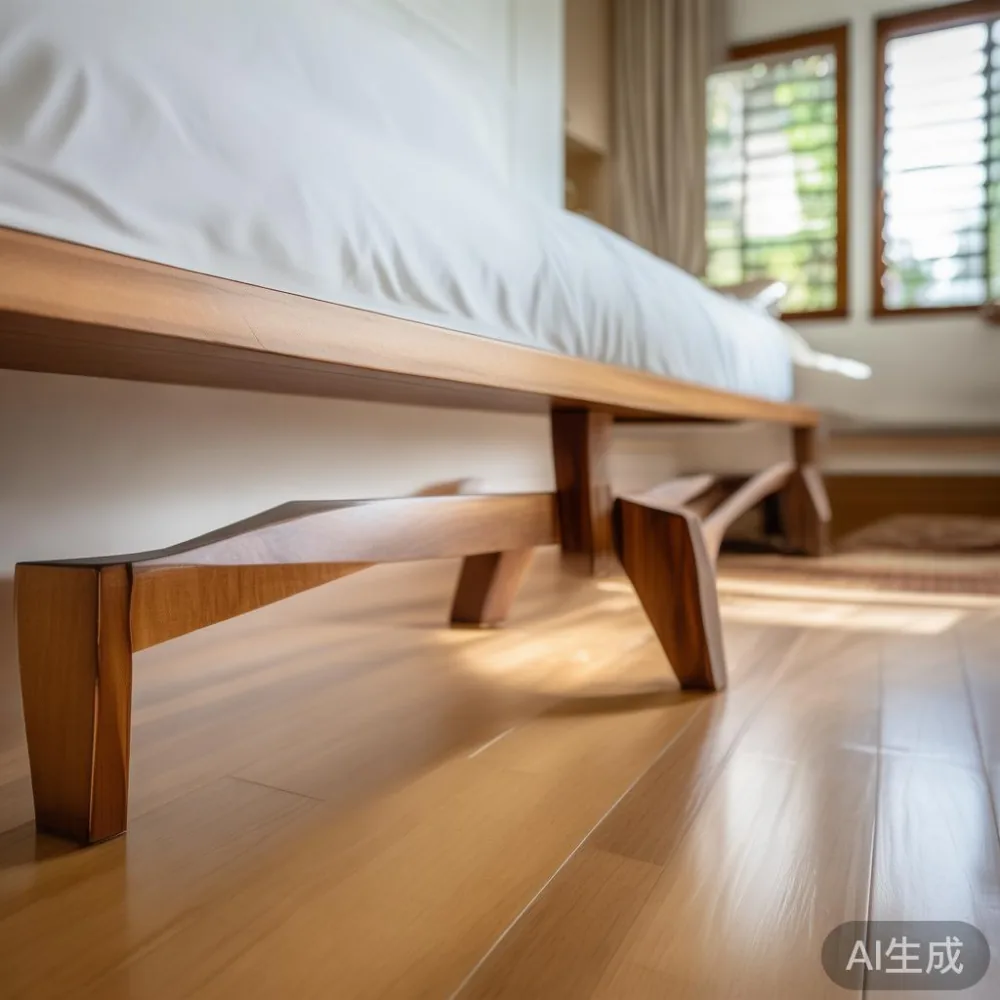
Why Singapore's Weather is a Lacquer Finish's Toughest Assignment
Lacquer, whether a traditional nitrocellulose build-up or a modern pre-catalyzed polyester, behaves like a thin, semi-permeable skin stretched across the solid wood beneath. Relative humidity in Singapore hovers between 70 and 85 percent for most of the year, and afternoon temperatures cross 32 °C with ease. Under those conditions, a lacquered surface does two things at once: it expands and contracts with the moisture in the air, and it slowly absorbs micro-doses of water vapour through its surface film. On a 150 cm rectangular top, that movement adds up to a measurable shift across the width of the board.
I have seen the symptoms often. A dining table ordered at US$2,150 landed at a condo in Punggol Waterway: within four weeks the owner sent a photo showing a faint white haze near the heat-duct above the air-conditioner. That haze was moisture trapped beneath the lacquer layer, and it had nothing to do with the brand or the build quality. It had everything to do with placement. The fix involved relocating the dining table 30 cm away from the diffuser, running the AC in dry mode for a fortnight, and buffing with a chamois at room temperature (around 24 °C).
Homeowners also ask whether GST of 9 percent applies to imported lacquered pieces. It does, on the landed cost including shipping, which is something to remember when you compare a US$1,500 quote that excludes GST to one that includes door-to-door delivery up six floors in a Bedok Reservoir HDB block.
What Kind of "Lacquer" Are You Actually Sitting On?
The word lacquer gets used loosely. Knowing which finish you have changes everything about how you care for it.
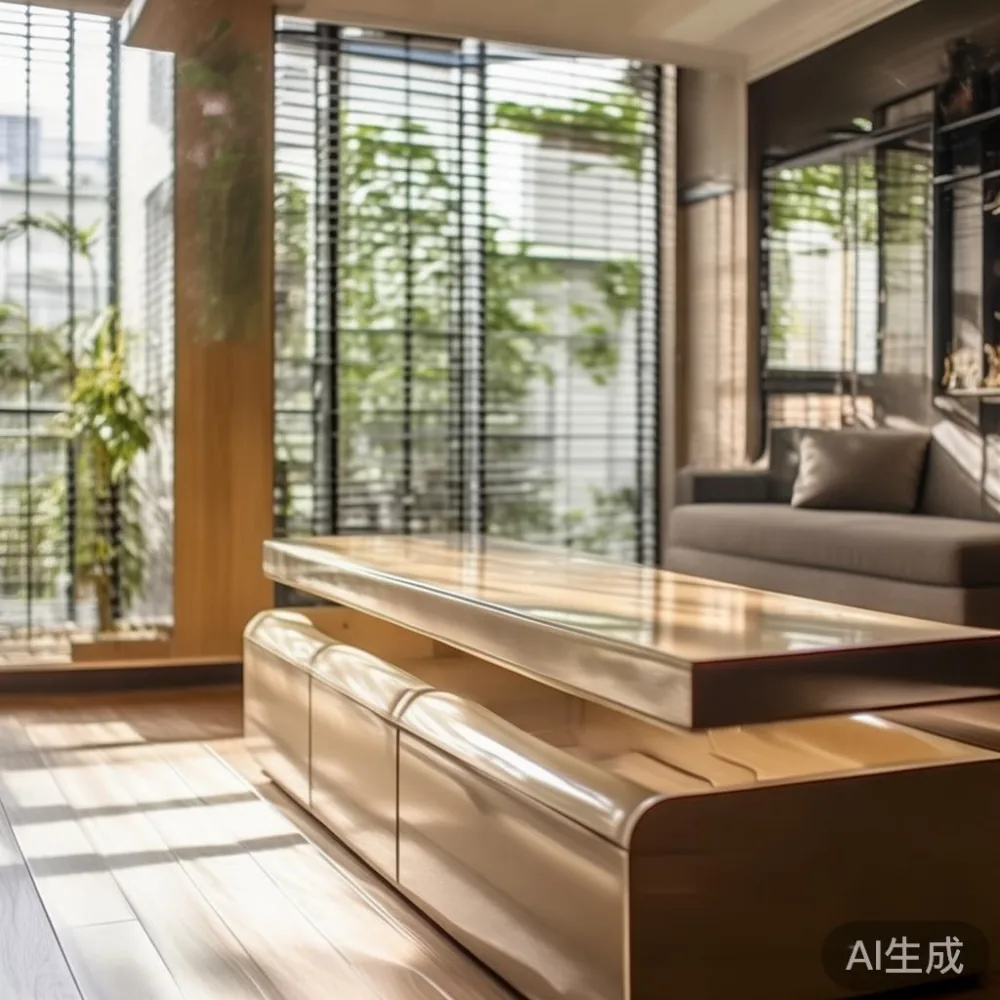
Open-pore matte lacquer is the finish you will typically find on a European light luxury wardrobe or on a refined storage bench where the grain is meant to read through the surface. It feels slightly dry, almost chalky, when you run a finger across it. It is forgiving, but it also absorbs spills faster, so a wet glass must come off in under 60 seconds.
Closed-pore piano lacquer is the mirror finish on a post-modern light luxury marble table or a high-end lacquered nightstand. It is harder, more brittle, and it can spider-crack if struck near a corner, often at a temperature differential of more than 10 °C.
Conversion varnish, common on American light luxury dining tables with a satin sheen, sits between the two. It resists household stains well but hates ammonia-based glass cleaners.
When a customer asks me which is easiest to maintain, I answer the matte open-pore finish every time for a family with small children. When a customer wants the showpiece look for a marble table in a dry-and-AC condo, I recommend the piano lacquer with the explanation that it requires strict coaster use.
My Monday-to-Sunday Routine for a Lacquered Storage Bench
My colleague Daniel swears by a 90-second routine. After watching him work for twelve years, I have narrowed his method down to seven steps that any Singaporean homeowner can keep up.
- Dust with a clean microfiber cloth, dry, at the start of the week. Microfiber holds dust away from the surface; a feather duster drags particles across the lacquer and slowly etches it.
- If there is a sticky patch, wipe with a cloth barely dampened with water at room temperature. Never spray directly onto the bench.
- Dry the surface within 20 seconds using a second clean cloth, because standing water leaves tide marks even on the best post-catalyzed lacquer.
- Twice a month, apply a thin line of paste wax (a pea-sized amount, around 2 g) on a soft pad and buff in straight lines, never circles.
- Rotate any decorative tray on the bench every two weeks so the UV exposure stays even across the top, including on a 130 cm bench where the sun reaches the corridor-side end at the start of the afternoon.
- Keep the bench at least 25 cm from any open window during sustained rain. Even a closed window can leak during a Sumatra squall.
- Check the rubber feet every quarter. A 12 mm felt pad under each leg will absorb the vibration from a closed door and prevents micro-abrasions under the bench body.
Can a Lacquered Storage Bench Survive Daily Use Without Ruining the Finish?
Yes, and thousands of them do. The trick is matching the finish to the room and being honest about your habits. For a family in a four-room HDB at Bedok South, I would propose an open-pore matte lacquer storage bench rather than a piano lacquer, simply because the matte layer hides the small scratches that an active home will leave. For a young couple in a Punggol condo with underfloor storage and a love of magazine flatlays, the satin conversion varnish gives the right compromise between sheen and durability.
Storage benches are a particular piece of furniture: they carry weight they are not always designed for. A 145 cm bench rated at 120 kg distributed load should not be used as a permanent single-seat by a 90 kg adult three hours a day. Used as a hallway catchall, a shoe bench, or an end-of-bed perch, the piece will serve a household for 10 to 15 years without showing meaningful wear on the lacquer.
For households searching for a sense of direction on the style question, the same lacquer logic applies whether you are choosing a French provincial bed frame for a master room or comparing a Japanese bed vs French provincial bed for a smaller apartment. Lighter finishes with open pores match Scandinavian and Japanese interiors; deeper satin finishes lift American light luxury dining rooms and coastal for guest room settings where the bench sits under a window catching sea breeze.
The Real Enemy: What Damages Lacquer Faster Than Humidity
In my workshop, we maintain a "do not sell near" list of solvents and habits. Most homeowners do not realize which of their daily items are lacquer killers.
- Aerosol air freshener. The propellant in a 250 ml can is often a hydrocarbon solvent that dulls high-gloss lacquer within a single stray spray.
- Citrex-based citrus cleaners. They smell gentle and they strip finish in three passes.
- Furniture polish that contains silicone. It builds up, then refracts light unevenly, leaving the surface looking mildewed within six months.
- Rubber or latex mats. They leave black halos where plasticizer migrates into the lacquer. Use felt or woven cotton only.
- Drinking glasses without coasters on a piano-lacquer marble table. Condensation forms a ring in 18 minutes.
If a stain does happen, do not scrub. Place a barely damp microfiber cloth over the mark for 30 seconds, then lift. Repeat three times. The mark will usually soften and leave with the cloth. If it persists across two seasons, the lacquer needs a professional re-coat, which any workshop can perform for between S$180 and S$280 per square metre in Singapore.
How Do You Deal with Heat, Light, and the Layout of a Lift in an HDB?
Delivery is harder than care. A 150 cm storage bench will not fit into a standard HDB service lift that measures roughly 1.4 m by 2.1 m with the door open, especially when the box itself adds 8 cm of protective wrapping on every side. Most workshops will deliver assembled if the corridor on the receiving floor is at least 1.1 m wide and the unit weight does not exceed 60 kg per carton. A heavier 78 kg two-piece unit ships flat-pack and reassembles inside the home with an Allen key, a mallet, and about 35 minutes of labour.
Heat and light are predictable in Singapore. Direct afternoon sun through a west-facing window will yellow an off-white lacquer within two years. Keep the bench 1.5 m back from the glass or install a 30 percent UV-filtering film on the pane, which runs about S$14 to S$22 per square foot installed.
For households wanting showpiece nightstands to match the bench, the same UV rule applies: a S$280 nightstand placed in the path of a 2 pm sunbeam will age at four times the rate of the same piece on a shaded side of the bed.
What the First 30 Days After Delivery Should Look Like
Most lacquer problems show up in the first 30 days, which is exactly why a real warranty matters. A 10-year structural warranty on a lacquered storage bench should cover joint integrity, frame stability, and lacquer adhesion, but you have to register the piece within 14 days of delivery to keep the warranty in force. A 14-day return window lets you spot transport damage and any finish flaws you may not have noticed in a quick showroom glance.
During the first month, treat the bench gently. Do not place hot cookware, even through a trivet, directly on the lacquer. Room-temperature items only. Keep the ambient humidity between 45 and 65 percent using a dehumidifier if your HDB bathroom lacks an extraction fan, because moisture migrating through the corridor under the HDB door is one of the leading causes of lacquer haze I see in resale flats.
Refinishing is a service worth weighing. A lifetime refinishing offer means a workshop will strip the existing lacquer, sand to a fresh wood surface, and reapply four to seven coats over a 21-day cycle. For a solid wood bench priced at the S$1,150 to S$1,650 band, refinishing once per decade is reasonable and keeps the piece serviceable for 25 to 35 years in a tropical climate.
Where the Bench Belongs in the Broader Room Plan
Lacquered storage benches read as quiet furniture, which is exactly why they finish a room rather than start one. Placed at the foot of a 1.8 m lacquered bed frame, a 145 cm bench covers the visual base of the bed without crowding the 60 cm walkways expected in compact Singapore apartments. Flanking a 220 cm solid wood sofa, two 110 cm benches replace the usual coffee table and add 80 litres of closed storage each, useful for keeping board games out of sight in a family living-dining.
For clients looking to learn how to style French provincial bed in apartment settings, I usually propose a bench in a matching but slightly more neutral finish, because the bed is already doing decorative work and the bench should support, not compete. In a coastal for guest room where the brief is rattan, linen, and bleached oak, an open-pore lacquer bench in the same tone as the wardrobe frame keeps the palette unified.
Where budgets stretch, a high-gloss lacquer wardrobes set – bench, wardrobe, and a marble table top reading console – reads as a considered suite. A shopper evaluating under 2000 Modern light luxury furniture options can usually fit a lacquered bench, a small solid wood sofa, and a slim dining table within that ceiling if they order directly through a factory such as midhillco, where the export supply chain keeps retail mark-ups modest. On the heavier storage side, a buyer comparing the best Rustic wardrobe for 2026 will notice that rustic finishes pair well with matte lacquer benches because the light reflection stays low, hiding dust between cleanings, which matters in the bedroom.
Quick Answers to the Questions Buyers Ask Me Most
Does a lacquered storage bench feel sticky in Singapore? It can, if humidity sits above 80 percent for weeks and the bench has an open-pore finish. Wipe with a barely damp microfiber, run a dehumidifier, and the tackiness should clear within 20 minutes.
Is paste wax overkill for the tropics? No. A 50 g tin of paste wax costs around S$28 and protects a bench for six months. It is the cheapest insurance you can buy.
Can I use the bench outdoors on a sheltered balcony? I would avoid it. The microclimate on a covered balcony in a 38-storey block still sees 90 percent humidity at night. Keep the bench inside.
How long should a lacquer finish last before refinishing? With care, eight to twelve years. A piece ordered from a workshop that offers lifetime refinishing can be renewed several times across a single household ownership.
Caring for lacquer in the tropics is a measured habit rather than a chore. The bench I visited in Tampines last month will outlast the warranty on the box, provided its owner keeps a coaster under every cup and runs a dehumidifier during the December monsoon surge. Most of the answers you need sit within those small actions, repeated with a little care across the seasons.