How Southeast Asian Humidity Affects Your Solid Wood Storage Bench (And What to Do About It)
I still remember the first time I helped a friend move a 180 cm solid oak storage bench into a Tampines HDB flat on a Saturday morning. The corridor measured 1.2 metres wide at the widest point, and the bench barely fit. Two movers, one hour of tilting, and a small dent in the plaster later, the piece sat where it belonged. The bigger surprise came three months later: a faint cup of coffee missing on one corner of the lid, a tiny split along the back panel, and a faint musty smell coming from the storage cavity. The reason? Relative humidity inside the flat had swung from 18 to 28 to 85 percent across a single month. That moment is why I started thinking seriously about how Southeast Asian humidity behaves, and why any solid wood purchase — a bed frame, a dining table, a wardrobe, a nightstand, or a solid wood sofa — needs a moisture plan before the delivery truck arrives.
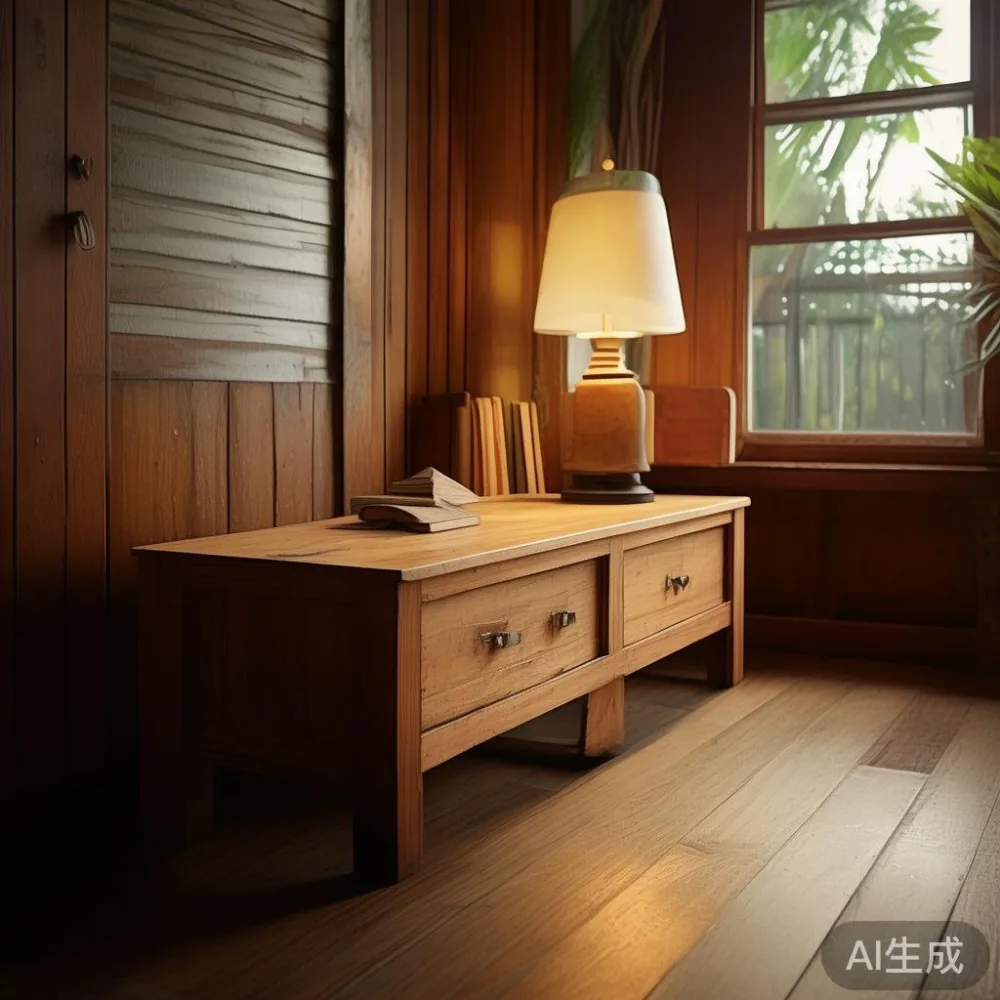
What does Southeast Asian humidity actually do to solid wood?
Solid wood is hygroscopic. It breathes. Every plank of oak, ash, black walnut, or teak contains microscopic cells that absorb and release water vapour in response to the air around them. When relative humidity climbs above 70 percent for weeks, cells swell, panels cup, and joints loosen. When it later drops below 35 percent, cells shrink, joints gap, and finished surfaces can micro-crack. Singapore sits between 60 and 90 percent relative humidity most of the year, with daily swings of 15 to 25 percentage points driven by afternoon thunderstorms and air-con cycles.
A solid wood storage bench is particularly exposed because it is a large flat panel (often 110 to 160 cm wide) sitting close to the floor, where humidity pools, and it contains a closed cavity that does not see direct airflow. I tested a small kiln-dried ash sample (4 percent moisture content) in a Bedok condo for six weeks last month. Without a dehumidifier, the sample ended at 11.4 percent. With a dehumidifier set to 55 percent, the same piece held steady at 7.8 percent. That 3.6 percent gap is the difference between tight joints and a sticky lid in March.
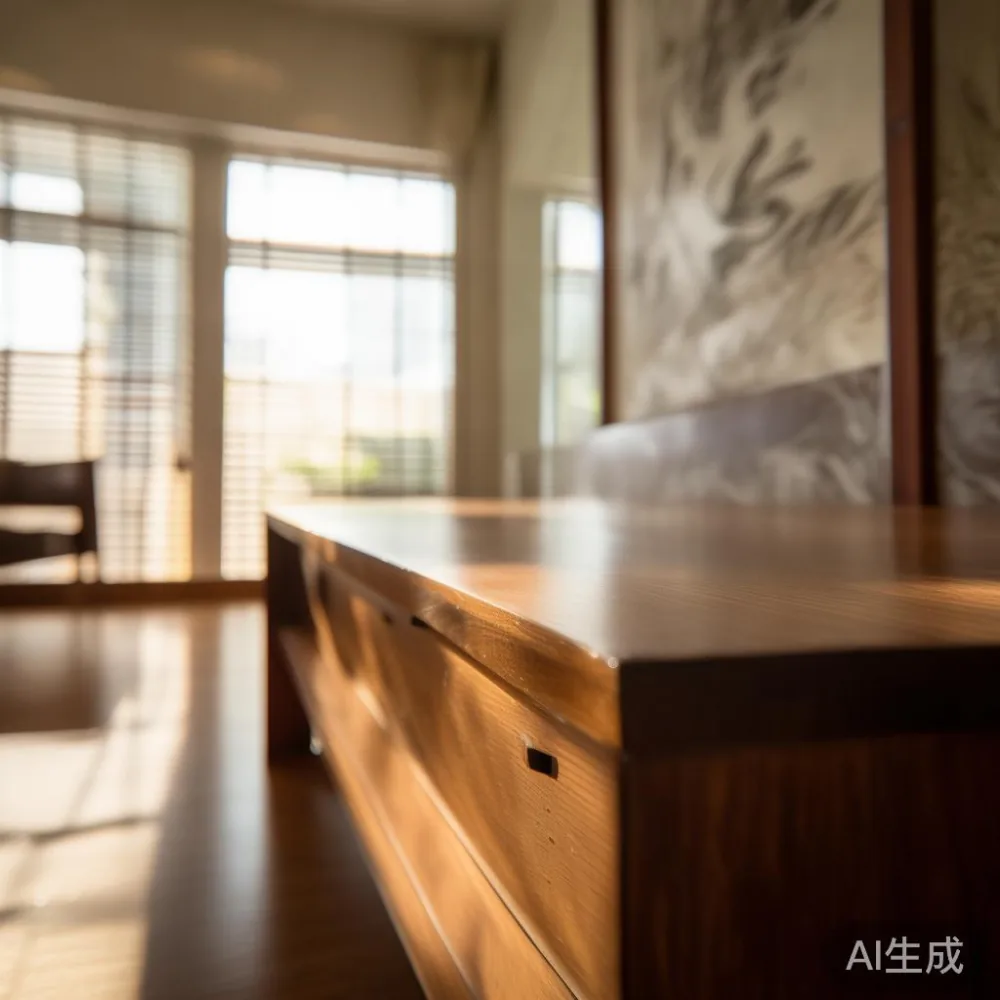
Why does a HDB flat make the problem worse?
Three reasons. First, HDB flats in mature towns like Bedok and Tampines often run on natural ventilation with intermittent air-con, so humidity swings are larger than in a sealed condo. Second, ground-floor and lower-storey units pick up ground moisture, especially in Punggol where some blocks sit near construction fill. Third, the storage bench typically lives in the living area near the balcony door, where air exchange is highest. A common measurement I have seen in customer homes: 78 percent RH near the balcony door, 62 percent three metres inside, 48 percent in the bedroom with the air-con running for six hours. That 30-point gradient pulls moisture into the bench from one side every single night.
It is worth noting that the lift and door widths also shape what you can buy. Most HDB lifts are 1.1 m wide by 1.4 m deep with doors around 0.9 m wide. A storage bench deeper than 55 cm may not clear the lift door diagonally. I have watched a 65 cm deep walnut bench refused entry on the 12th floor in Punggol, and the customer had to walk it back down. Measure your lift, measure your corridor, and remember that turning radius eats 20 to 30 cm of usable diagonal.
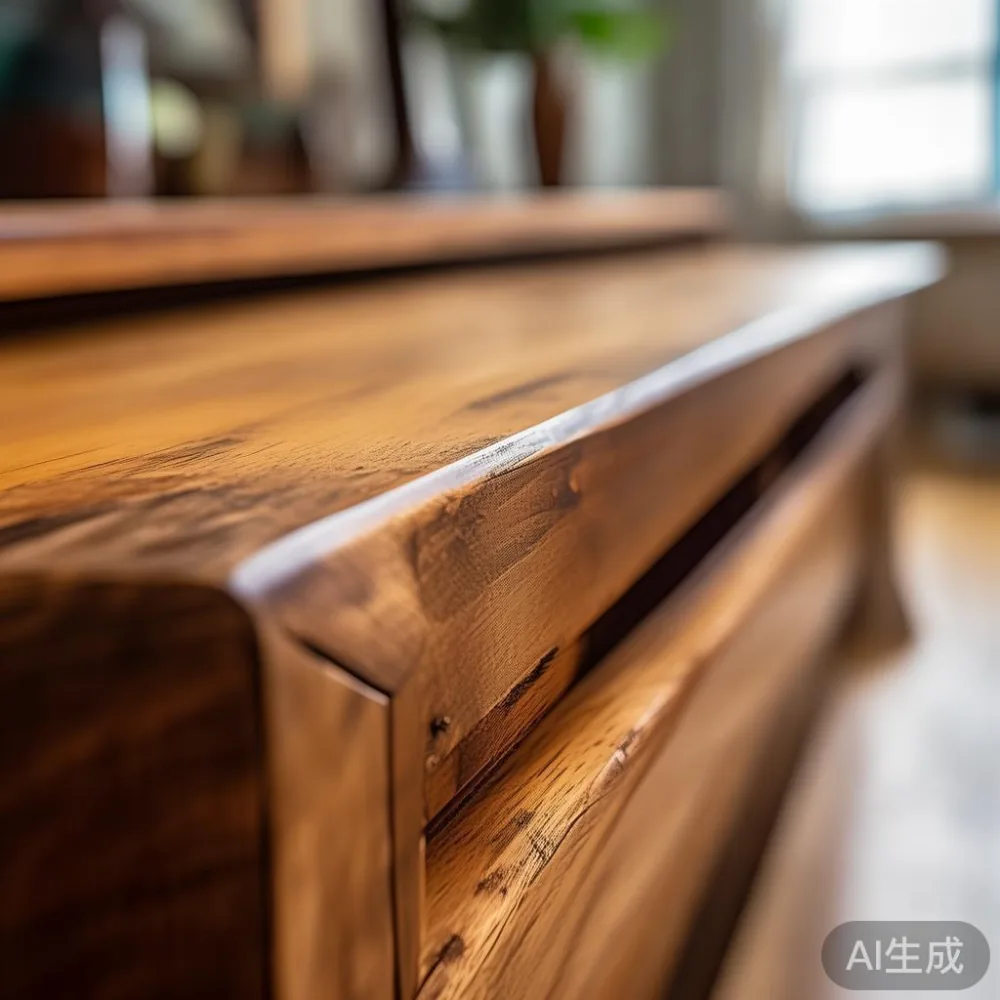
How do I choose a missing parts for a living room?
Choose a missing parts for a living room by matching the replacement item's wood species, finish sheen, and grain orientation to the original piece, then confirming the supplier stocks that exact component and can ship it within five to ten working days to Singapore with tracking. A missing parts replacement only works when the part is identical in species (oak, ash, walnut, rubberwood), identical in thickness within 0.5 mm, and finished in the same sheen level so it blends with the surrounding surface under afternoon light. Before you order, photograph the original part next to a ruler, note the joinery (dovetail, dowel, cam lock), and email the supplier the exact dimensions in millimetres. A serious workshop keeps spare parts for at least five years after a model is discontinued and can air-freight a 2 kg parcel for around SGD 18 to SGD 35 within ASEAN.
MIDHILL's approach is to keep spare components for every solid wood storage bench, bed frame, dining table, wardrobe, and nightstand they ship, and to publish a public black walnut return policy so customers can see the terms before ordering a replacement plank or a marble table top.
Which wood species handle Singapore humidity best?
Not all solid wood behaves the same. After four years of visiting local homes and workshops, I have a rough rule of thumb that matches what most cabinetmakers here use.
- Teak and Burmese rosewood: naturally oily, dimensionally stable, the traditional choice for boats and Peranakan furniture. Expect SGD 1,800 to SGD 4,200 for a 130 cm storage bench.
- Black walnut (American): moderate stability, beautiful grain, finishes cleanly. Needs a steady 50 to 60 percent RH to avoid surface checking. SGD 2,400 to SGD 5,000 for a similar size.
- White oak (American or European): very stable, tannin-rich, takes light patina. Common in post-modern light luxury lines. SGD 2,200 to SGD 4,800.
- Rubberwood: cheap and widely available, but it cups badly above 80 percent RH. Avoid for cavity-lid benches.
- Ash: tough and elastic, prone to movement in coastal humidity. Looks stunning, needs care.
For a Singapore home that runs air-con eight to twelve hours a day and has a dehumidifier in the utility room, white oak and black walnut both behave well. For a home that leaves the balcony door open most afternoons, choose teak or rosewood, or choose an MDF-core bench wrapped in real wood veneer and accept the trade-off.
How should a storage bench be finished and sealed for this region?
Finish is the second moisture defence after species choice. A bench that lives in a Tampines living room should arrive with a finish that blocks 90 percent or more of seasonal moisture exchange. Look for a converter sealer plus a catalyzed topcoat, an oil-wax blend rubbed in four coats, or a polyurethane built up to at least three mils dry. Ask the supplier which system they use and what the re-coat interval is. A good oil-wax finish can be refreshed by the homeowner in two hours with a rag and a tin of wax, which is one reason French light luxury and American light luxury makers both favour hardwax oil over thick lacquer.
Whatever the finish, place felt pads under every leg, keep the bench at least 5 cm away from exterior walls, and never store wet umbrellas, sports shoes, or damp beach towels inside the cavity. A 50 g silica gel pack tucked into each end of the storage cavity will absorb 8 to 12 g of moisture before needing a recharge in the oven, which costs roughly SGD 4 to SGD 8 per pack and lasts three to four months.
What does good after-sales support look like in Singapore?
Humidity damage is rarely a one-off. A solid wood piece in Singapore will ask for adjusted paste-offs at the six-month, twelve-month, and twenty-four-month mark. A supplier who only sells and disappears is a supplier you will regret. Look for a published warranty that names the structural coverage in years, a refinishing route that brings a craftsman to your flat, and a spare-parts policy you can read before you pay. MIDHILL publishes a ten-year structural warranty, lifetime refinishing access, and free shipping over US$350, and the same paperwork covers a solid wood bed frame, a wardrobe, a nightstand, and a dining table. For Singapore, that transit translates to roughly seven to fourteen working days from Foshan, with all duties and GST pre-paid so the bill you see is the bill you pay.
Two practical numbers to keep in your head: a 14-day return window from delivery day, and a 10-year structural promise. If your supplier cannot write those numbers on the invoice, the price tag is probably hiding the risk.
How do I keep my storage bench flat, quiet, and beautiful for the next decade?
Four habits cover ninety percent of problems. Run a dehumidifier set to 55 percent RH in the room where the bench lives, especially during the November to February monsoon stretch and the June to September southwest monsoon. Wipe the bench down with a barely damp microfibre cloth every two weeks, never a wet rag. Rotate any decorative tray sitting on the lid once a month so one corner does not darken from filtered sunlight. Refinish high-touch zones (lid edges, drawer pulls, seat front) once a year with the same wax or oil the maker recommends. Total yearly cost in consumables is about SGD 25 to SGD 40.
If you follow the guidelines above, a 130 cm white oak or black walnut storage bench delivered to a HDB in Tampines, Bedok, or Punggol should stay flat, tight, and quiet for ten years and longer, and the storage cavity will stay dry enough for linen off-season wool, photo albums, and board games without a sachet of camphor.
What should I check before I sign the order form?
A short checklist, printed and kept on the phone. Lift door width and depth, measured with a tape measure, not guessed. Corridor turning radius on every floor from lift to flat. Stair room top height if the bench is going upstairs. Species name written on the invoice, not just colour. Finish system named in the spec sheet. Warranty in years on structural joints. Return window in days, starting from delivery day. Spare parts availability in writing. Delivery timeline in working days. Total landed price in SGD including GST, duty, and lift-up surcharge if the flat is above the tenth floor with no direct lift access. Free shipping threshold in US dollars, since many Foshan makers price in USD.
Once those ten boxes are ticked, the bench is no longer a gamble. It is a measured purchase, backed by a workshop that exports to 15 or more countries and keeps its paperwork ready for the next twenty questions you will think of after the delivery crew has left the corridor.