What Actually Drives the Price of Solid Wood Furniture — A Singapore Buyer's Honest Guide
I learned this the hard way last month. I was helping my colleague move into a new 4-room HDB in Punggol, and we spent a Saturday afternoon at a Tampines showroom comparing two dining tables that looked almost identical. Same shape, same six-seat layout, similar pale oak finish. One was tagged at SGD 1,490, the other at SGD 3,260. The salesperson smiled and said the cheaper one was "solid wood." So was the more expensive one, technically. The gap was real, but it wasn't magic — it was a stack of small decisions, each adding maybe SGD 150 to SGD 400. By the end of the afternoon I had a working checklist of what actually moves the number, and that's what I want to share with you here.
The Wood Itself: Species, Grade, and How Dry It Is
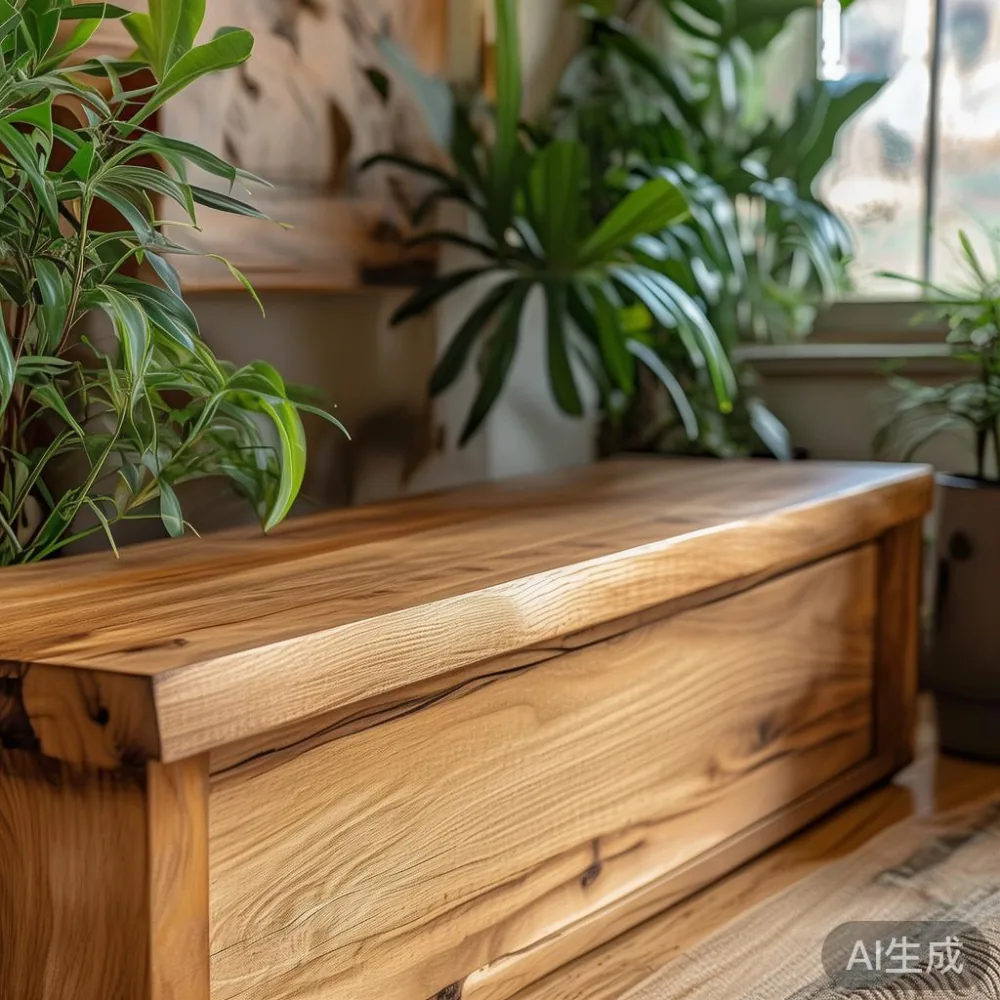
The single biggest driver is the species. Chinese ash, rubberwood, and poplar sit at the entry tier and explain why some "solid wood" wardrobes can land around SGD 600 to SGD 900 for a 2-door piece. White oak, walnut, and cherry sit at the next tier and typically double the material cost per board-foot. Cherry, in particular, has become a favourite for post-modern light luxury interiors because of how it deepens in colour over the first six to twelve months under Singapore's relatively even indoor light.
Then there's grade. FAS (First and Seconds) timber has longer clean runs with few knots, which is why a 180 cm dining table top made from FAS-grade oak runs SGD 2,200 to SGD 3,400, while a comparable table using a #1 Common grade with more visible character marks might be SGD 1,500 to SGD 2,100. Both are honest solid wood. The price difference is aesthetics, not dishonesty.
Moisture content is the invisible line item. Wood for Singapore's climate should be kiln-dried to 8 to 12 percent moisture and then acclimatised. If a maker skips acclimatisation, you save maybe SGD 80 per piece but risk cupping six months later when the air-conditioning runs every night. A solid wood sofa frame built from properly dried oak will behave very differently from one built from rushed timber. I've seen a Bedok owner post photos of a side table that warped 4 mm across the top after a single wet season, and the seller pointed to "natural wood movement" — which is fair, except the movement was avoidable.
Joinery vs. Fasteners: What Holds the Piece Together
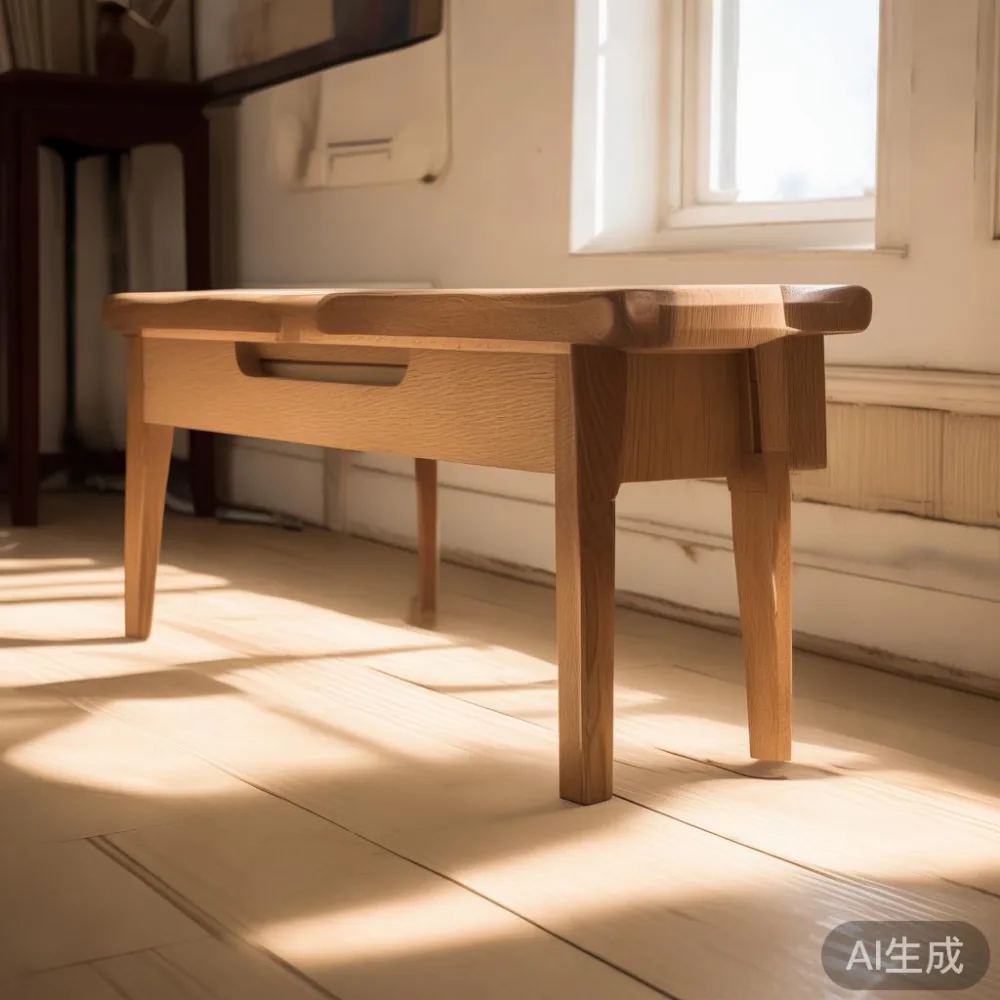
Walk up to any wardrobe or bed frame and flip it over, or open the drawers of a nightstand. What you see underneath tells you a lot. Mortise-and-tenon, dovetail joints, finger joints, and proper dowels are slow to make. A skilled joiner might complete 6 to 8 mortise-and-tenon joints per hour. Pocket screws, cam locks, staples, and glue blocks are fast. A workshop can bang out a flat-pack queen bed frame in 35 minutes using dowels and cam locks, versus a full day for a through-tenoned version.
For a queen-size bed frame (152 cm x 191 cm mattress footprint), expect roughly:
- Basic dowel-and-cam construction: SGD 480 to SGD 750
- Mortise-and-tenon with centre rail: SGD 950 to SGD 1,650
- Through-tenoned, hand-fitted, with hardwood slats: SGD 1,800 to SGD 2,800
The structural warranty length usually tracks this. A 10-year structural warranty on a bed frame — the kind MIDHILL offers on its solid wood beds — usually means the maker is willing to bet on the joinery, not just the finish.
Finish, Lacquer, and the Hidden Hours
Finish is where a lot of buyers get fooled, because two nightstands can both say "NC lacquer" on the spec sheet and behave completely differently in your HDB. The differences are layers, sanding between coats, and whether the lacquer is open-pore or closed-pore. A piece that has been sanded through five grits (80, 120, 180, 240, 320) and finished with three coats of water-based NC will feel glassy and resist ring marks from a wet glass. A piece sanded to 180 and given one coat will look the same on day one and turn patchy by month six.
For a 50 cm x 40 cm x 55 cm nightstand, the finishing labour and materials can add SGD 60 (one-coat spray) to SGD 280 (full hand-rubbed, multi-coat). On a 200 cm dining table, the same range becomes SGD 180 to SGD 700 of the final price. If you want a marble table top inlaid into a solid wood base, expect an additional SGD 400 to SGD 900 for the cut, sealing, and mounting work alone.
How do I style a American country loveseat in a small apartment?
A 130 cm to 150 cm American country loveseat fits comfortably against the longer wall of a typical Singapore HDB living room (commonly around 3.2 m to 3.6 m wide) when you keep the styling tight: one textured throw, one lumbar pillow in a contrasting check, and a slim 30 cm to 40 cm-deep console behind it instead of a bulky sofa table, which preserves the walkway past the dining table. The loveseat's lower arms and exposed solid wood legs visually lighten the room, so the apartment reads larger than the 90 sqm floor plan suggests, and you still get a real seat for two adults without forcing a 220 cm three-seater against the corridor wall.
Hardware, Soft-Close, and the Drawer Test
Open and close every drawer and door in the showroom. Soft-close hinges and full-extension drawer slides are not expensive in absolute terms — a single soft-close hinge runs SGD 4 to SGD 9 — but a four-door wardrobe uses eight hinges and the slides for six drawers add up. On a 180 cm x 60 cm x 200 cm wardrobe, the hardware package alone can swing the price by SGD 220 to SGD 600 depending on whether you're getting basic European or premium European hardware. Cheap hinges fail between year two and year four, which is why so many wardrobe doors start sagging just after the warranty expires.
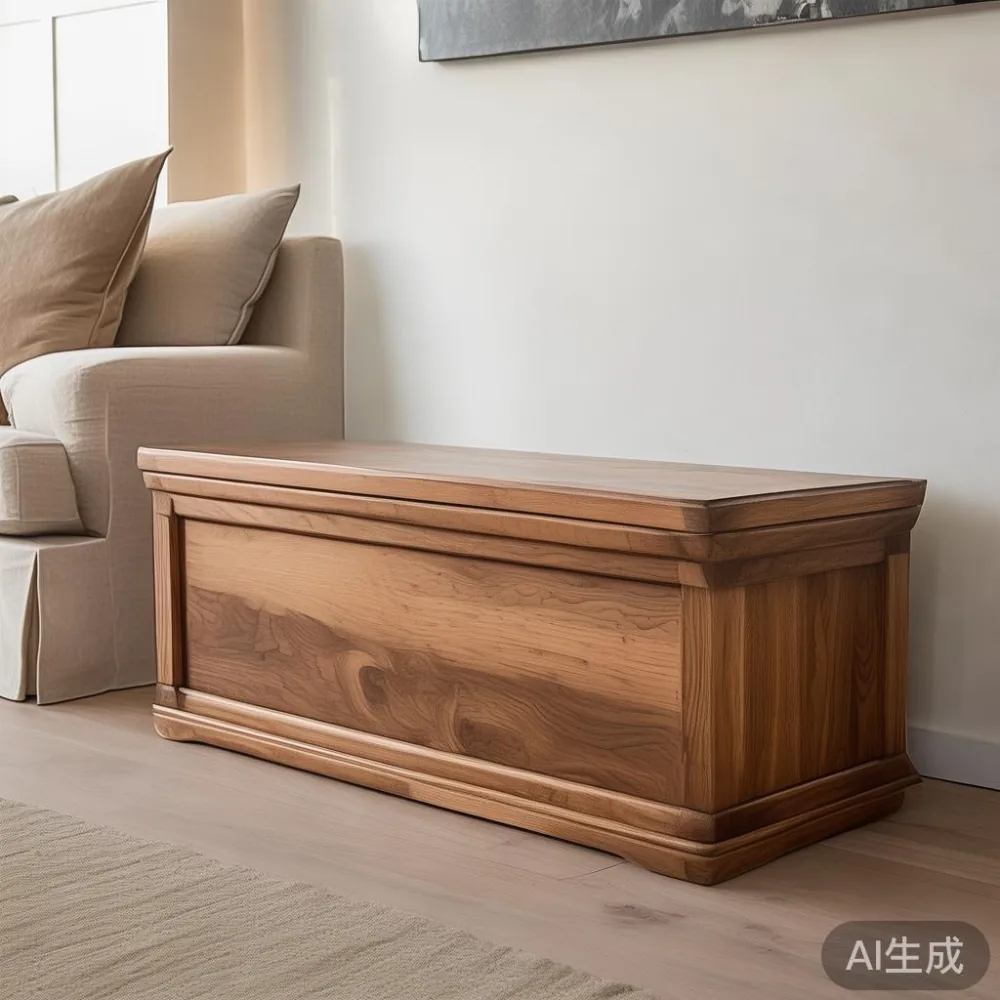
On a storage bench — and yes, the storage bench is a small piece that reveals a lot — the hinge spec and the lid stay matter disproportionately. A 120 cm storage bench at SGD 380 with basic hinges will slam; the same bench at SGD 560 with soft-close stays and a finger-jointed lid will still feel new five years in. Always test the lid before you pay.
Where the Furniture Was Built, and How It Gets to Your Door
Singapore buyers are paying for two logistics layers. The furniture is almost always built in a factory in Foshan or another Guangdong cluster, then shipped. Free shipping above a threshold — say, US$350, which works out to roughly SGD 470 — is common from makers serving the Singapore market. Below that, delivery can add SGD 60 to SGD 150. Lift access matters more than people expect. A standard HDB lift internal is about 1.1 m wide x 1.4 m deep x 2.1 m tall, and a condo service lift is often 1.3 m x 1.8 m x 2.3 m. A pre-assembled 200 cm wardrobe will not fit through either. Flat-pack solves this, but flat-pack requires the joinery to be precisely machined so it goes back together square at home.
If your block has a narrow corridor (under 1.2 m wide) or tight turn at the lift lobby, mention it before you order. MIDHILL's team, for example, checks access for every Singapore delivery and breaks down larger pieces when needed — a small service that quietly prevents a SGD 200 redelivery fee when a wardrobe arrives and refuses to enter the lift.
GST, Currency, and the Singapore Price Stack
Anything imported into Singapore picks up 9 percent GST at the border. Showrooms will usually display GST-inclusive prices, so the number you see is the number you pay, but it's worth confirming whether the listed SGD figure is pre- or post-GST. A SGD 2,400 dining table pre-GST becomes SGD 2,616 post-GST. Currency also moves. When the RMB weakens against the SGD, a maker in Foshan can hold SGD prices steady for a quarter or two; when it strengthens, expect a 3 to 6 percent adjustment within a few months. I've watched the same chair move from SGD 540 to SGD 575 over six months for exactly this reason.
Warranty, Returns, and After-Sale Refinishing
A 10-year structural warranty is genuinely unusual in solid wood furniture and is a signal that the maker trusts the joinery and the drying. A 14-day return window is also meaningful in this category because most defects show up in the first two weeks of use — a drawer that's a touch out of square, a finish that catches on cloth. Lifetime refinishing is rarer still. It usually means the maker will sand and re-lacquer a piece for a service fee (often SGD 150 to SGD 350) for as long as you own it, which on a solid wood dining table means you can keep the same table for 20+ years and still send it back for a refresh.
One warning from my own circle: a friend bought a solid wood sofa from a small local workshop that advertised a 5-year warranty, then discovered the workshop had closed eight months later. A warranty is only as good as the company behind it. Factories that have been around since the late 2000s, exporting to 15+ countries and shipping into Singapore consistently, are a different bet than a one-room operation.
The Realistic Price Anchors for Singapore Buyers
Putting it all together for what a Singapore household typically buys:
- Queen solid wood bed frame: SGD 950 to SGD 2,800 depending on joinery and species
- 180 cm to 200 cm dining table (seats 6): SGD 1,500 to SGD 3,800
- 4-door wardrobe, 180 cm wide: SGD 1,400 to SGD 3,200
- Nightstand pair: SGD 480 to SGD 1,100
- Storage bench, 110 cm to 130 cm: SGD 380 to SGD 820
- Solid wood sofa, 3-seater: SGD 1,800 to SGD 4,500
Mid-range sits in the middle of every range, which is where most buyers land. Below the floor of each range, something is being cut — usually drying, hardware, or joinery grade. Above the ceiling, you're paying for premium species, hand-finishing, or a designer name.
How to Read a Price Tag Without Getting Fooled
Three questions, every time. What species, and what grade? What joinery holds the main stress points? How many coats of finish, and is it NC, PU, or wax? If the salesperson can answer those three on the spot with specifics, the price is anchored to real cost. If the answer is "premium solid wood, fine craftsmanship," walk. A Post-modern cherry wood accent chair I sat in last week in a Holland Village pop-up was tagged at SGD 690 — and the salesperson immediately told me it was FAS cherry, through-tenoned, with three coats of water-based NC. That chair was probably fairly priced. The honest answer is the most reliable price signal you have.
One last thing. A solid wood piece is one of the few purchases in a Singapore home that gets better with age if you pick well. A good dining table will host a thousand dinners. A good storage bench will outlast three couches. The price you pay is for twenty years of use, not the photo on the showroom floor. Spend the afternoon asking awkward questions, and the SGD difference between two tags will start to make sense.