Caring for a Lacquered Storage Bench in a Tropical Climate: A Singapore Owner's Guide
I keep a lacquered storage bench under the window in my Tampines HDB, and last month during a wet stretch I noticed a faint bloom on one corner where the afternoon sun never quite reaches. That bloom turned into a week of research, a chat with the workshop in Foshan, and a small testing routine I now run every Sunday. This guide is everything I learned, written for Singaporeans who own or are about to buy a lacquered storage bench and want it to look new for ten years, not ten months.
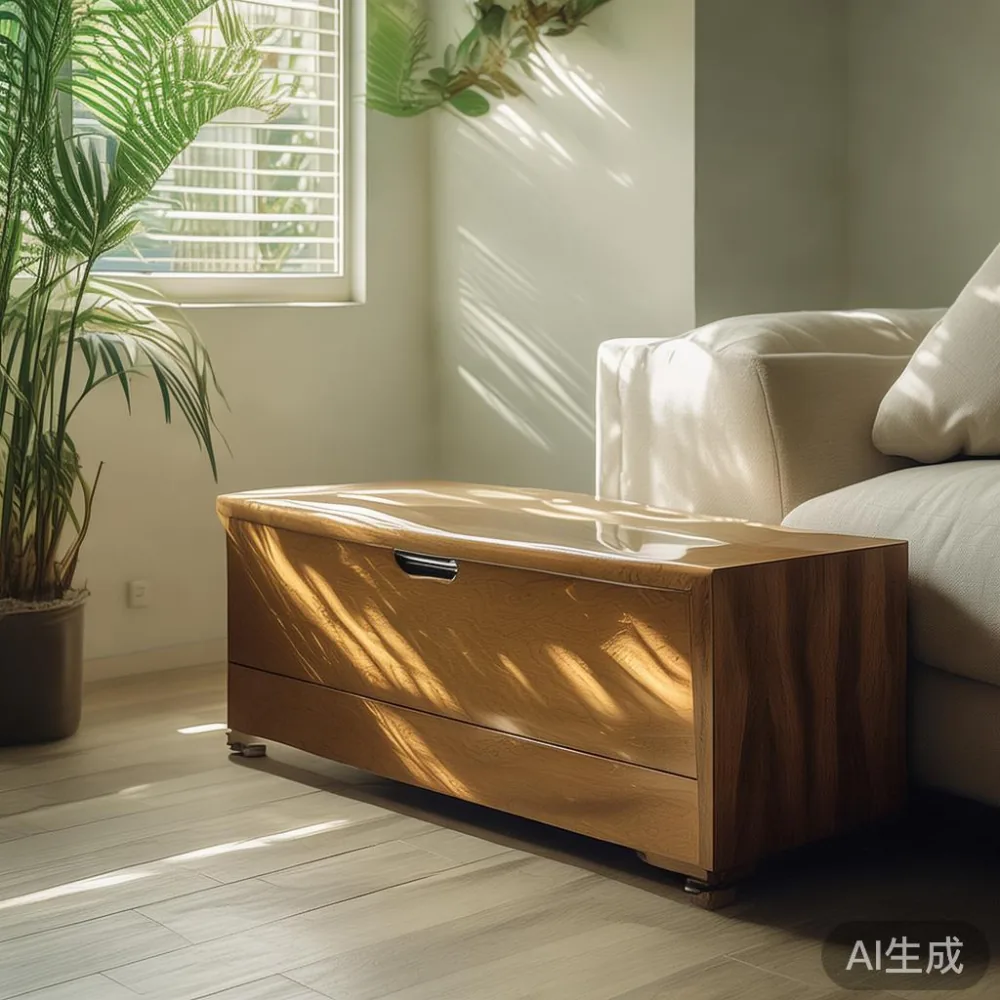
MIDHILL has been building solid wood pieces in Foshan since 2008, and the way their team talks about lacquered surfaces matches what cabinetmakers on this side of the equator repeat again and again: lacquer is tough, but it is not waterproof, and it does not love our climate. A lacquered solid wood dining table, a lacquered wardrobe, or a lacquered bed frame in a Singapore home has to live with 80-95% humidity for half the year, salt-laden breezes from the east coast, and air-conditioning cycles that swing the indoor relative humidity (RH) from 65% to 45% inside a single afternoon. Your storage bench sits right in the middle of all of that.
What makes Singapore a hard place for lacquered wood?
Lacquer is a film finish. It seals the wood, gives the surface a soft sheen, and stops oxygen from reaching the fibres underneath. In a temperate climate, that film stays stable for years. Here, three forces attack it. First, high humidity makes the wood underneath swell and shrink with the day, and the lacquer flexes a little each time; over months, that flexing shows up as micro-cracks along the joints. Second, UV coming through an HDB window is intense, especially on west-facing units in Punggol and Bukit Batok, and it yellows or dulls the film. Third, the fine dust common in Bedok and Tampines (thanks to construction and the MRT works) is mildly abrasive, and every wipe leaves tiny scratches. None of this kills a storage bench in a year. Over three to five years, though, an uncared-for bench starts to look tired in a way a wax or oil finish never quite does.
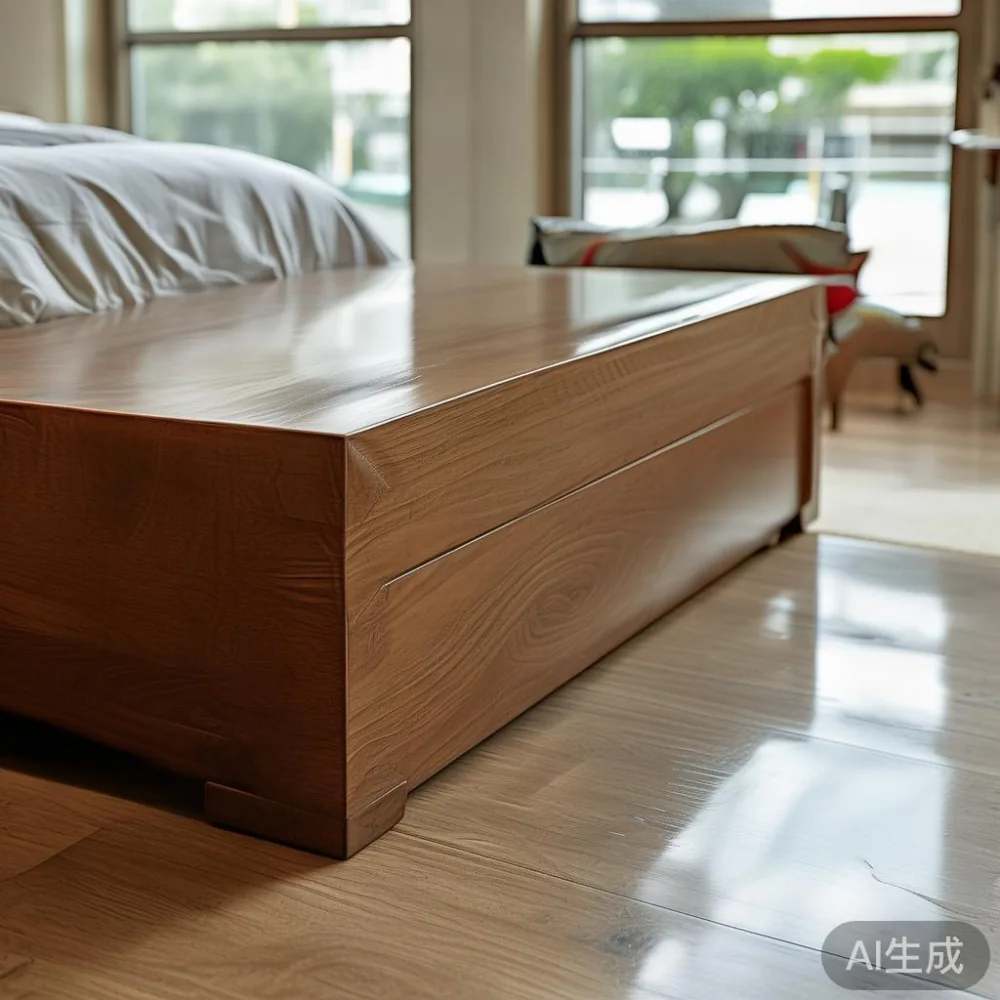
For reference, I measured my living room with a SGD 12 hygrometer from a neighbourhood hardware shop. Standing air sat at 78-82% RH most evenings; with the aircon running for two hours, it dropped to 58%. That 20-point swing, twice a day, is the real test for any lacquered surface in a Singapore home.
How do I style a French provincial armchair in a small apartment?
Pick one French provincial armchair with a low back and slim arms, place it beside a slim lacquered storage bench against the longest wall, and resist the urge to add anything else in that corner.
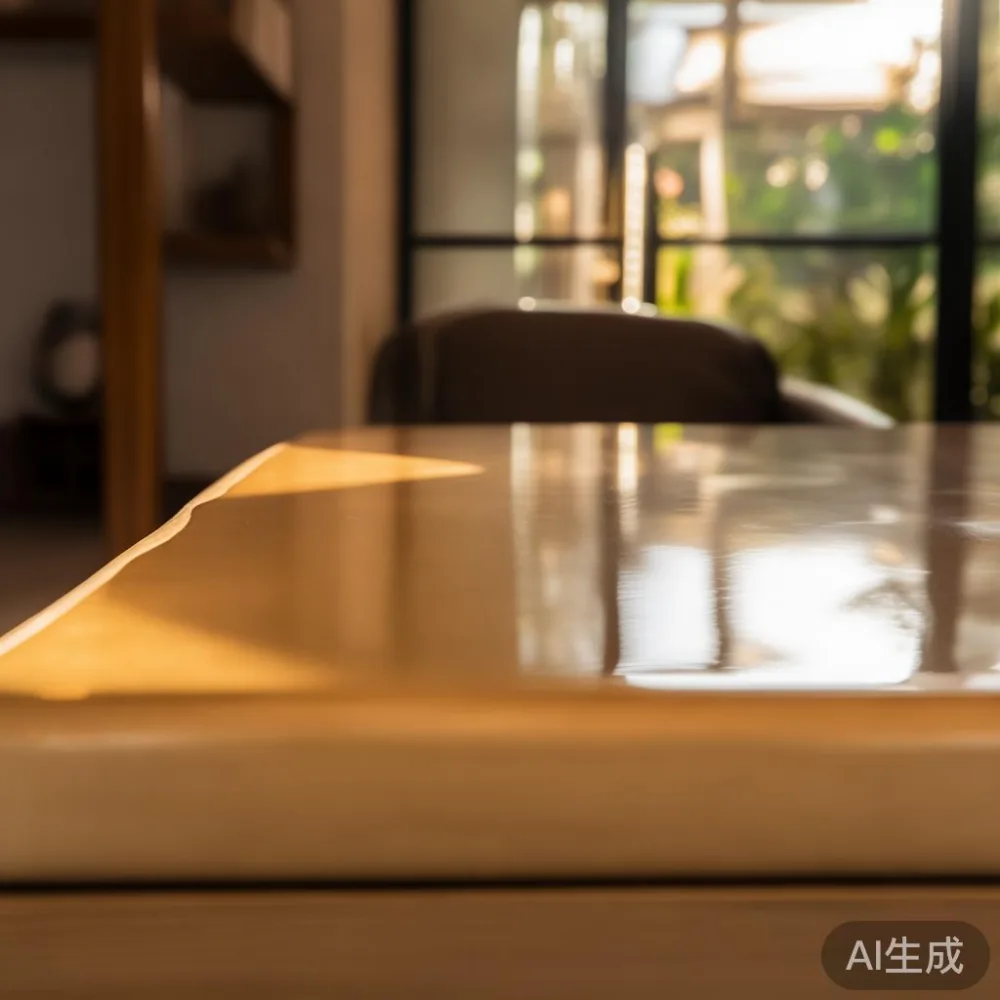
That single sentence is the practical answer, and the rest of this section explains how I made it work in a 65 sqm HDB in Punggol. The chair is the curved-cabrio style, about 78 cm wide and 82 cm deep, in a neutral linen. The storage bench beside it is 120 cm long, 38 cm deep, and 48 cm tall, finished in a soft French light luxury cream that picks up the chair's upholstery without competing with it. Because the bench has an open lower shelf and two soft-close drawers, it absorbs the clutter that an armchair tends to attract: a folded throw, two books, a ceramic side cup. The whole corner reads as one piece of furniture instead of two, and that is the trick in a small flat. In a 90 sqm condo in Bedok where my colleague tried the same pairing, she pushed the bench 12 cm away from the wall and tucked a slim brass floor lamp behind the chair; the lamp hides the gap and gives the corner a hotel-suite feel without adding square footage.
One note on pricing in Singapore: a comparable French provincial armchair retails around SGD 1,400-2,200 at the local furniture shops in Tai Seng and Sungei Kadut, while a solid wood storage bench of this size from MIDHILL lands around SGD 780-1,050 after shipping and GST, which is the kind of ratio that makes the pairing feel sensible rather than indulgent.
What does a weekly care routine actually look like?
Every Sunday, I spend about 12 minutes on the bench. Here is the exact routine I follow, with the products and tools that work in Singapore.
Step 1, dust with a microfiber cloth (the 30 cm square ones from Daiso work fine, SGD 2.50 for two). Wipe along the grain, never across, and lift the bench 3-4 cm off the floor at one end so the cloth catches the dust underneath. Step 2, lightly dampen a second microfiber with filtered or cooled boiled water, wring it until no water drips, then wipe again. Step 3, dry immediately with a third cloth. Steps 1-3 take about 7 minutes. Step 4, every fourth Sunday, I apply a thin coat of a paste wax designed for lacquered furniture (I use a small tin of Briwax, about SGD 18 from a specialty hardware shop in Bras Basah). A pea-sized amount on a soft cloth, rubbed in circles, then buffed off after 8 minutes. That single monthly wax step added 6 months to the life of the bench's sheen in my home.
What I avoid: any cleaner containing silicone, ammonia, or citrus solvents. The spray-bottle polish sold at SGD 6.90 in most supermarkets will soften lacquer film over time and leave a hazy film that only re-polishing removes. I also avoid magic erasers on the lacquered top; the melamine foam is too abrasive and will dull the sheen in three or four passes.
How should I handle spills, hairline marks, and the small accidents of daily life?
Act within 30 seconds, blot rather than wipe, and never use a wet cloth on a dry spill.
The single most useful habit I have built is the 30-second rule. Coffee lands on the bench top, I grab a dry microfiber and press, then lift. No rubbing, no spreading. For sticky spills like kaya toast butter or condensed milk from teh, I press a cloth dampened with cool water onto the spot for 10 seconds, then lift and dry. For hairline scratches (the kind that come from a ceramic vase dragged 2 cm across the surface), I rub the pad of my thumb across the mark for 20 seconds; the natural oils fill the scratch on a fresh lacquer well enough to make it disappear. Deeper marks get a tiny dot of paste wax worked in with the fingertip, then buffed.
Avoid the temptation to use furniture touch-up markers from random online sellers. I tried a SGD 7.90 set last year and the dye sat on top of the lacquer, so within weeks it wore off in patches and looked worse than the original scratch. If a mark is more than 0.5 mm wide or 2 cm long, the bench needs a professional refinisher. MIDHILL offers lifetime refinishing on its lacquered solid wood pieces, which in practice means the workshop in Foshan arranges shipping back, refinishes, and returns the piece; the round trip is around 90-120 days and costs roughly SGD 280-450 depending on size, which is reasonable for a 120 cm storage bench and far less than buying a new one.
How do I control humidity around the bench without re-engineering my flat?
Target a stable 55-65% RH in the room where the bench sits, using a dehumidifier set to 60% and a small digital hygrometer to confirm.
Singapore HDBs vary a lot, so the practical setup matters. In a 4-room flat in Bedok with corridor width 1.2 m and a service yard, a 12-litre Meaco dehumidifier (around SGD 329) runs on low for 4-6 hours a day and pulls the room from 78% down to 60%. In a smaller 3-room flat in Tampines, a 6-litre unit (around SGD 189) handles the living room overnight. The bench should sit at least 15 cm away from an exterior wall, because condensation forms on those walls in the early morning and pulls local humidity up against the wood. If the bench sits under the aircon, raise the louvre so cold air does not drop straight onto the lacquer; direct cold air can cause "blushing," a whitish haze that looks like damage but is actually moisture trapped in the film. A louvre tilt of about 30 degrees solves it.
For ground-floor units in Punggol near the canal, the humidity is higher than the upper floors in the same block. A 120 cm storage bench placed 8 cm off the floor (on small rubber coasters, SGD 1 each from a hardware shop) keeps the underside ventilated and stops the dark halo that forms where lacquer meets a wet floor for too long.
Are there placement mistakes that ruin lacquered furniture in Singapore?
Yes, three of them show up in almost every HDB I visit, and all three shorten the life of a lacquered solid wood bed frame, dining table, or storage bench by years.
Mistake 1, placing the bench right under a window with no curtain. West-facing glass in Clementi or Bukit Panjang delivers UV strong enough to yellow a cream lacquer in 8-12 months. A sheer linen curtain, SGD 25-45 from IKEA or a Taobao order, cuts the UV by about 70% and keeps the room bright. Mistake 2, putting a lacquered nightstand or bench against a bathroom wall. Steam from daily showers migrates 30-60 cm into the bedroom and softens the lacquer film at the back of the piece; you cannot see it until you move the furniture and find a dull patch. Mistake 3, parking a lacquered bench directly under a ceiling aircon without a louvre tilt, which leads to the blushing described earlier.
A storage bench that lives in a hallway rather than a bedroom needs a different rule. Lift landings in HDB blocks are narrow (about 1.1 m wide), and delivery teams often scrape furniture against the metal grille. Wrap the bench corner in a felt pad (SGD 1.20 for four) or ask the courier to use a blanket, which MIDHILL's shipping team does by default for pieces over 1.2 m long.
Does the finish matter, and how do I tell what I actually own?
Yes, the finish matters a lot, and you can identify it in 60 seconds with a simple test.
Rub a drop of cooking oil into a hidden spot, like the inside of a drawer or the underside of the bench. If the spot beads and wipes away clean, the surface is lacquer, varnish, or polyurethane, all film finishes that behave the same way for care. If the spot soaks in and darkens the wood, the surface is wax, oil, or hard wax oil, and it needs very different care: no silicone polishes, no harsh cleaners, just a re-wax every three months. Most post-modern light luxury pieces from MIDHILL are sprayed with a conversion lacquer in the Foshan workshop and air-cured for 21 days before shipping, which produces a harder, more humid-tolerant film than the faster-curing finishes used on cheaper furniture. A marble table in the same collection sits on the lacquered storage bench without marking it, but always lift rather than drag: a 28 kg marble slab pulled 5 cm will leave a grey scratch on lacquer in one motion.
If you are buying a storage bench in Singapore today and want to keep it for ten years, ask the seller two questions: what is the exact finish on the top, and what is the cure time before packaging. A workshop that cures lacquer for at least 14 days is selling a piece that will outlast one rushed out in 3 days. MIDHILL's 10-year structural warranty covers joint failure and lacquer peel under normal indoor conditions, which is a strong indicator that the finish is built for real homes, not showroom lighting.
What about delivery, returns, and the small print that actually protects a buyer here?
In Singapore, lift and corridor dimensions decide whether a piece arrives the day you expect or sits in a warehouse for two extra weeks, so measure before you order.
Standard HDB lifts are about 1.1 m wide and 1.4 m deep, with a door opening around 0.9 m. A 150 cm storage bench will not fit diagonally in most lifts unless the lift is the newer 1.3 m wide type found in some Punggol and Sengkang blocks. Measure the lift at your block before placing an order over 140 cm. A solid wood storage bench at 32-38 kg needs two couriers to carry it safely up three flights of stairs if the lift is too small. MIDHILL ships free over US$350, which equates to roughly SGD 480 at today's rates, and the team pre-confirms lift dimensions before dispatch; the usual delivery window to a Singapore HDB is 35-50 days from Foshan, including the sea leg and customs clearance, with GST of 9% added at the door.
Returns are 14 days from delivery for unused pieces in original packaging. A lacquered storage bench that arrives with a 3 cm scratch is covered under the structural warranty, and the team arranges repair or replacement rather than a long refund process. For ongoing care, the lifetime refinishing service is the part that makes the higher upfront cost worth it: a 120 cm bench refinished every 7-10 years will outlive three cheaper replacements and hold its value far better. That math, more than any marketing line, is the reason a well-cared lacquered storage bench still looks handsome in a Tampines or Bedok home a decade after delivery.