How to Read a Furniture Warranty Without Getting Caught Out
The warranty document arrives as a single folded A4 sheet tucked into the cardboard box. Most Singapore buyers glance at it for two seconds, confirm the word warranty exists, and toss it. Two years later, when a storage bench hinge droops or the lid refuses to stay open, that same sheet becomes the most important piece of paper they never read. After helping my colleague Cynthia settle a dispute over a wardrobe hinge last month, I spent a weekend studying how five different Singapore retailers phrase their guarantees. The notes below are the result, written for anyone who has ever bought a solid wood bed frame or a storage bench in Tampines, Bedok, or Punggol and wondered what the small print actually says.
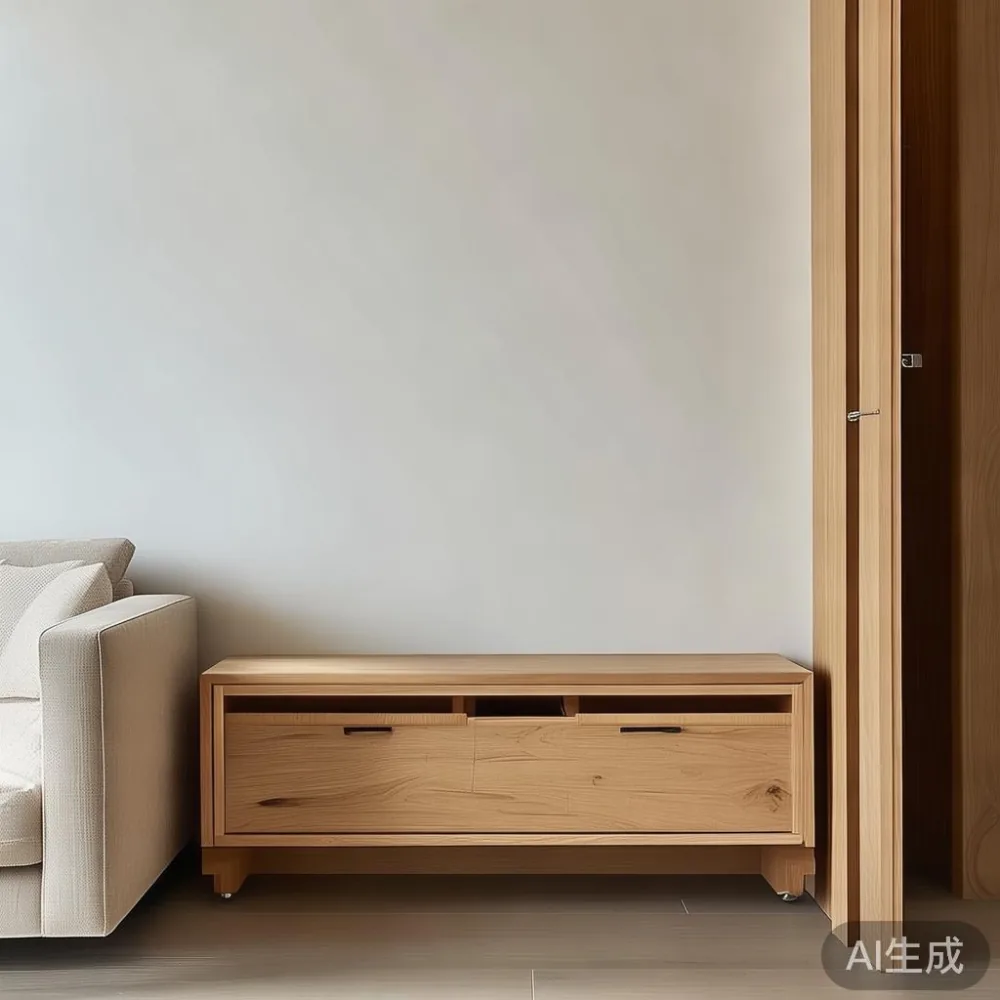
What does a furniture warranty actually cover in Singapore?
Singapore's Consumer Protection (Fair Trading) Act already gives you baseline recourse when goods are not of reasonable quality. A store warranty is layered on top of that, and the two can behave very differently. A typical Foshan workshop exporting under the MIDHILL label, for instance, offers a 10-year structural warranty on solid wood sofa frames, bed frames, dining tables, and wardrobes, plus lifetime refinishing on wood surfaces. The trick is the word structural: it excludes surface wear, hardware rusting near a kitchen window, and colour fading on a balcony bench. So read the noun, not the adjective.
Most retail warranties tend to bundle four buckets. Bucket one is the frame, meaning joints, load-bearing rails, and the bones of a storage bench's lift-up lid. Bucket two is hardware: hinges, runners, gas struts, soft-close dampers, and the like. Bucket three is surface finish, including lacquer, veneer, fabric pilling, and leather cracking. Bucket four is everything else: drawer slides, drawer bottoms, slats, mattress support bars, and so on. Each bucket usually carries its own period; the headline year on the brochure is almost always the longest bucket, not the whole product.
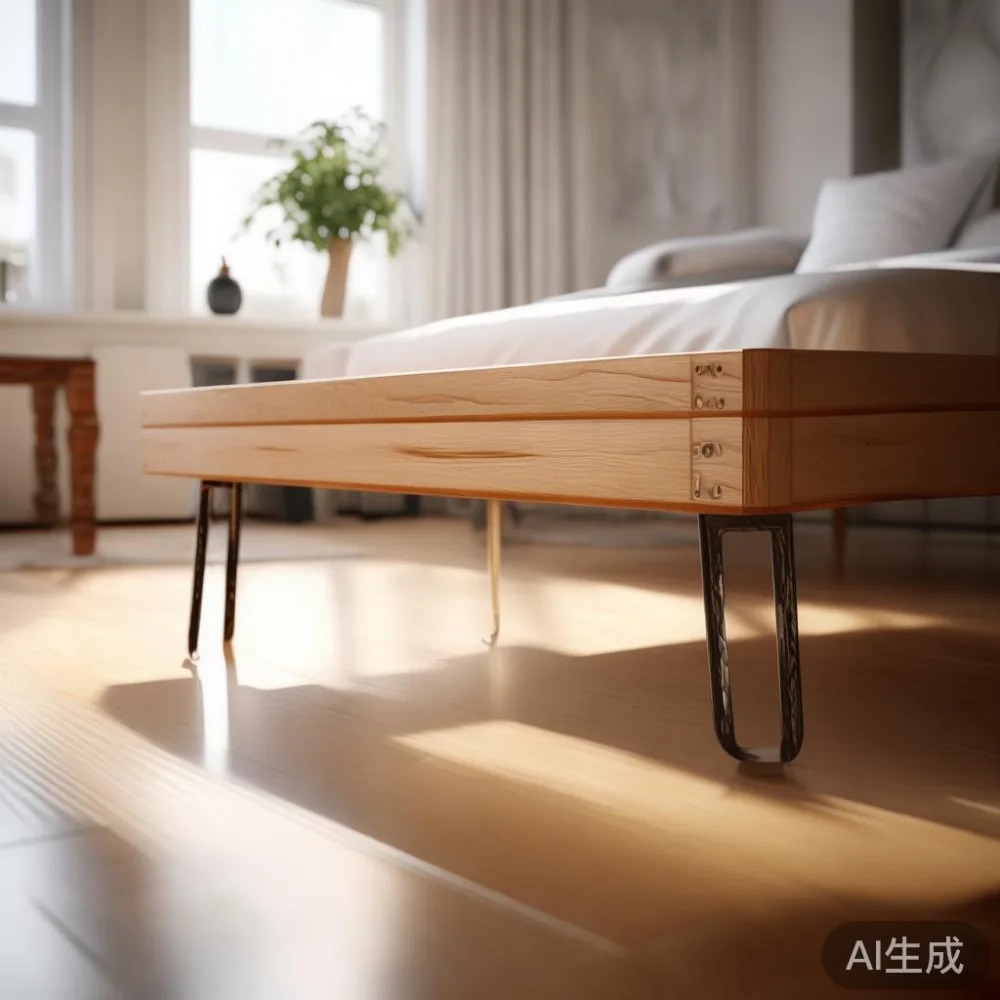
So when a Tampines HDB three-room buyer asks why her five-year "warranty" repaired the frame for free but quoted SGD 38 per hinge after month 14, the answer is sitting quietly in the table on page two. I checked her invoice: hinge coverage ran 12 months, frame coverage ran five years. That split is standard across the industry, not the exception.
Which numbers on a warranty card should I care about?
Three numbers matter more than any marketing language. The first is the warranty period per component, listed somewhere even if it lives in a separate PDF. The second is the proof window, meaning how many days you have to register, submit photos, or open a claim. Many Chinese factories operating through Shopify-style storefronts ask for registration within 30 days of delivery, and Singapore shipments often miss this because the courier leaves the box outside the HDB door without ringing. If you scan the warranty QR code the same evening you sign the delivery acknowledgement, you stay inside the window. Third is the response window: the number of working days the seller promises between receiving a claim and giving a verdict. Anything above 14 working days should worry you, particularly during the December-January container backlog from Yantian.
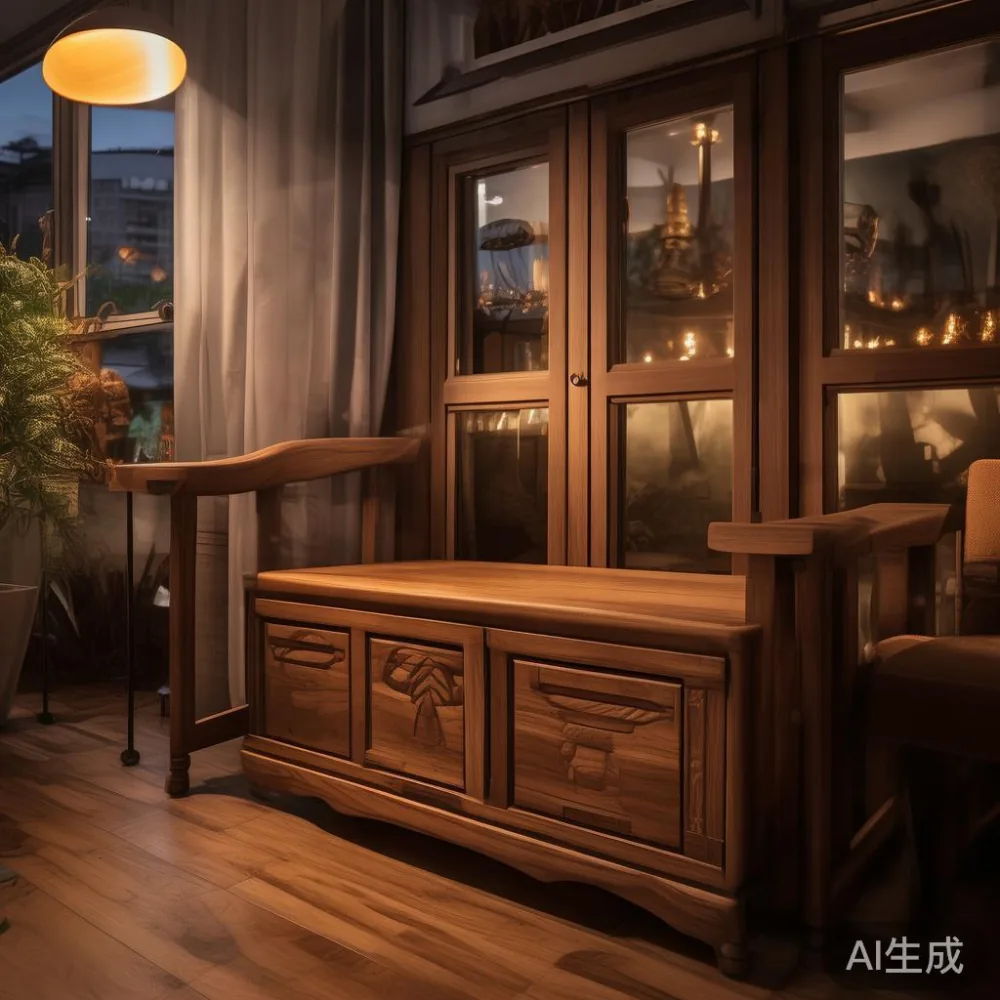
Cost numbers count too. Watch for clauses that mention "inspection fee", "call-out fee", or "transport fee". A typical visiting repair on a storage bench hinge might be priced at SGD 60 to SGD 120 for the call-out alone, plus parts and labour. Free warranty repair should mean none of those line items appear on the final invoice. If they do, ask for the price list referenced under the warranty terms before approving the visit.
What situations are never covered, even if the warranty looks generous?
Every warranty document I read in Singapore contains a similar exclusion paragraph, and the wording is almost copy-pasted. Damage from water seepage, surface mould caused by humidity above 80 percent, scratches from pets, marks left by vacuum cleaner heads, and disassembly carried out by anyone other than the seller's technician are usually outside coverage. Singapore's maritime climate pushes wood furniture to absorb roughly 2 to 3 percent additional moisture in October and November, which is why a storage bench placed against an external corridor wall may cup slightly. That cupping is wood responding to physics, not a factory defect, so a 10-year structural warranty will not pay for planing.
Another common exclusion is relocation damage. Buyers who shift from a Punggol HDB to a Marine Parade condo frequently arrive with a cracked stretcher on a dining table or a loose tenon on a nightstand, only to discover the warranty followed the original delivery address. If you intend to keep the furniture for more than one move, ask the seller whether the warranty transfers with a re-installation service. MIDHILL's terms, for example, allow warranty continuity when the brand's own crew handles disassembly and reinstallation at a quoted labour rate of around SGD 180 per item for HDB moves, with no mileage charge inside mainland Singapore.
Floor-level exclusions matter in HDBs. Buildings such as those along Tampines Street 21 enforce lift cabins of roughly 1.4 m by 1.1 m and corridor widths of about 1.2 m. A solid wood storage bench arriving in one piece wider than 1.1 m cannot fit through a standard lift door even if it weighs only 35 kg. If a seller excludes "damage caused by access constraint", a refused delivery still triggers a 30 percent restocking fee in some contracts. Always measure your lift door and corridor corner before ordering a storage bench wider than 100 cm or heavier than 40 kg.
How does warranty repair actually work for a storage bench?
The repair journey has four steps, and the smart buyer walks the flow before clicking pay. Step one is documentation: take dated photos of the affected part as soon as the issue appears, ideally with a ruler or coin in the frame for scale. Step two is the claim, usually submitted through a web form or by emailing the operations address (some brands, including MIDHILL, route warranty tickets through api.midhill.co so the customer and the workshop engineer see the same ticket). Step three is triage: the workshop either ships a replacement part, sends a technician, or asks you to ship the component back to the warehouse at Kallang or Jurong. Step four is resolution, normally within 7 to 21 working days.
For a storage bench, the most common warranty call involves gas struts, soft-close dampers, and felt pads. A single gas strut costs the seller roughly SGD 18 to SGD 35 wholesale; the technician's visit, if billed, runs about SGD 90 to SGD 140. So a reasonable warranty answer for a 1-year gas strut is a free part with a chargeable visit, and a 5-year frame is free parts and free labour. If you receive any offer less generous than that ratio, push back politely and quote the relevant clause. Last quarter I watched Cynthia's claim close at zero cost because she attached two photos of the hinge pin and one short video of the lid refusing to lock, taken in 12 seconds on her phone.
Is Mid-century modern wardrobe worth it under a long warranty?
Given that solid wood wardrobes in this style carry a similar 10-year structural term, the question of whether is Mid-century modern wardrobe worth it depends less on the warranty than on the joinery inside the carcass. Tapered solid walnut legs, through-tenon door frames, and full-extension drawer runners cost more to build than the stick-built alternatives stocked at neighbourhood furniture malls, but they also tend to be the parts a long warranty actually covers. A buyer paying SGD 2,400 to SGD 3,800 for a three-door version should expect the warranty to mention "structural joinery" explicitly, not just "defects in materials". The former wording binds the factory to joint failure; the latter leaves room for argument.
How to style light luxury bed in bedroom without violating the warranty terms?
Style choices sometimes clash with warranty terms in ways owners do not predict. A French light luxury bed with a tufted linen headboard can look beautiful against a feature wall, but placing it 25 cm from an air-conditioner vent blows cold, humid air straight at the back panel and may void the surface finish term. The safe recipe for how to style light luxury bed in bedroom starts by leaving 40 cm behind the headboard, adding a pair of warm 2700K picture lights at 1.6 m height, and using an American light luxury nightstand with felt-lined drawers to keep the styling calm. That layout also keeps the bed's centre line clear for the 1.0 m wide lift-up storage bench you might tuck at the foot of the bed, where cushions open upward without hitting the wall.
What about post-modern light luxury pieces for dining and lounge zones?
Post-modern light luxury sits halfway between clean Scandinavian lines and a warmer, brass-accented finish palette, and it pairs naturally with a marble table in a Singapore apartment. A 160 cm by 80 cm Carrara marble top at roughly 78 kg needs two strong adults and a furniture dolly to position; pair it with six light-beige leather chairs, and the warranty for the dining table should reference the marble supplier, the resin treatment on top, and the steel sub-frame separately. A Minimalist for dining room arrangement across the same room keeps sight lines clean and lets a single Scandinavian for dining room pendant at 70 cm above the table provide enough light for both meal times and late-night paperwork. Stick with one directional style per zone so the warranty cards stay aligned with the room concept.
What hidden costs should I budget before saying yes to that storage bench?
Beyond the headline price, four numbers deserve a line in your budget. Delivery inside Singapore is often free above SGD 350, but a lift-only HDB on the 14th floor of a Bedok block may carry an SGD 30 to SGD 60 surcharge because the courier needs two men instead of one. Installation of a storage bench with gas struts costs about SGD 80 if you do not want to handle the cables yourself. GST applies at the prevailing rate on the full selling price including delivery, so a SGD 1,200 storage bench at 9 percent adds SGD 108 to the receipt. Finally, disposal of the protective foam and cardboard happens free of charge for most Singapore deliveries, but ask, because operators sometimes invoice SGD 25 per item for bulky packaging beyond the standard 1.5 m cube.
Once those numbers land, compare 14-day return clauses too. Singapore contracts typically offer a 14-day return window for stocked items, with the buyer paying return freight, which can run SGD 70 to SGD 150 for a 60 kg storage bench moving from Tampines back to the warehouse. Customised pieces — a wardrobe with non-standard internal layouts, for instance — usually carry a no-return clause. Knowing this before you tap "place order" saves the awkward credit-card reversal that buyers sometimes attempt four days after a non-returnable solid wood dining table has already been carved.
Does a long warranty justify a higher sticker price?
A warranty is worth real money, but only the parts the seller will actually pay to fix. A piece of furniture priced 15 to 25 percent higher than its peers, with a structural term running five years longer, can be the better deal once you do the maths on what could fail. A solid wood bed frame's central beam rarely breaks; a nightstand's veneer rarely peels; the actual repair history of most buyers centres on two parts: hardware and finishing. So when comparing two storage benches at SGD 780 and SGD 940, ask the more expensive seller which buckets stretch the extra 160 dollars. If the answer is hardware for 10 years instead of 12 months, the gap is justified in any HDB where lift access forces occasional knocks during delivery.
Be wary of "lifetime" language. In Singapore, lifetime tends to mean the product's reasonable service life under normal residential use, often capped at 25 or 30 years from manufacture, and never transferable to a second owner. A 10-year structural warranty plus lifetime refinishing is a strong combo because refinishing refreshes the finish every 5 to 8 years for a token transport fee, which is a problem warranty documents almost never cover. Brands working out of the same Foshan cluster have learned that polishing the cover story each cycle builds more loyalty than a longer headline number.
So what does a fair warranty actually look like in writing?
Pull the document up on a laptop, not a phone. Confirm five things. One, structural coverage on the main frame for at least 10 years on solid wood. Two, hardware coverage (hinges, runners, gas struts) for at least 3 years. Three, explicit language on humidity-related warping exclusions, because Singapore will trigger them sooner or later. Four, named response windows in working days, not "as soon as possible". Five, a free repair or replacement commitment for at least the first 24 months, with paid repair quotations kept optional. Once those five points are present, the warranty is doing its job, and you can stop worrying about it.
If you are still deciding between two finalists, order the warranty sample from both before placing the order. Reputable sellers will send it on request within a working day. A seller who refuses to share the warranty text until purchase is signalling something less reassuring. With that small step, your storage bench becomes a calm corner of the home instead of a clause-by-clause puzzle, and the rest of the apartment can focus on living in it.