What to Check Before You Buy a Sofa You Cannot Sit On — A Storage Bench Guide for Singapore Homes
I learned this the hard way. Last month I visited a friend's new BTO in Punggol and watched two delivery men try to wrestle a 240 cm three-seater through a 90 cm corridor wall. They got the sofa in, eventually, but they had to remove the door stopper, gouge the plaster, and stand the frame on its end for six minutes. The sofa still sits there today. The wall does not look the same. That single afternoon changed how I think about every upholstered piece I specify for a Singapore home — and it is the reason I now treat a storage bench as the unsung hero of HDB living rooms. A storage bench earns its footprint by doing the work a sofa cannot: storing shoes, blankets, luggage, even a Dyson, while still giving you a place to sit, tie your shoelaces, or rest a tray.
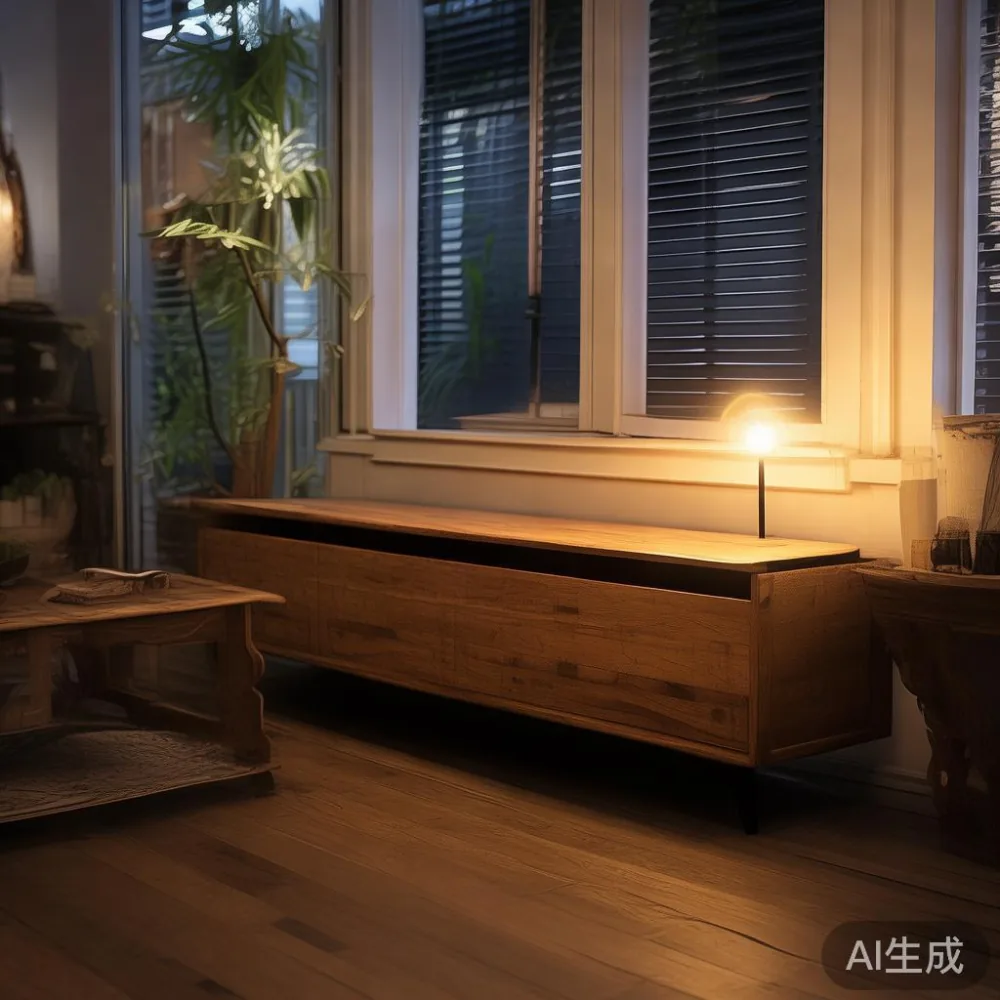
So what exactly should you check before you buy a sofa you cannot sit on? Read on, because the answer involves lift dimensions, foam density, hinge cycles, wood species, and an honest look at what light-luxury design actually delivers in a 93 sqm HDB flat in Tampines, Bedok, or Punggol.
Why a Storage Bench Often Outperforms a Sofa in a Singapore HDB Flat
Space is the obvious answer, but it is not the only one. A standard three-seater sofa is roughly 200–240 cm wide, 85–95 cm deep, and 85 cm tall. A storage bench is typically 120–160 cm long, 40–45 cm deep, and 45 cm tall. The bench uses about half the footprint and half the visual weight, which matters when your living room is also your dining spillover and your Peloton drop zone. More importantly, a solid wood storage bench with a lift-up lid or two drawers gives you 80–140 litres of hidden storage — roughly the volume of two 28-inch suitcases — without forcing you to bolt a wardrobe to the wall.
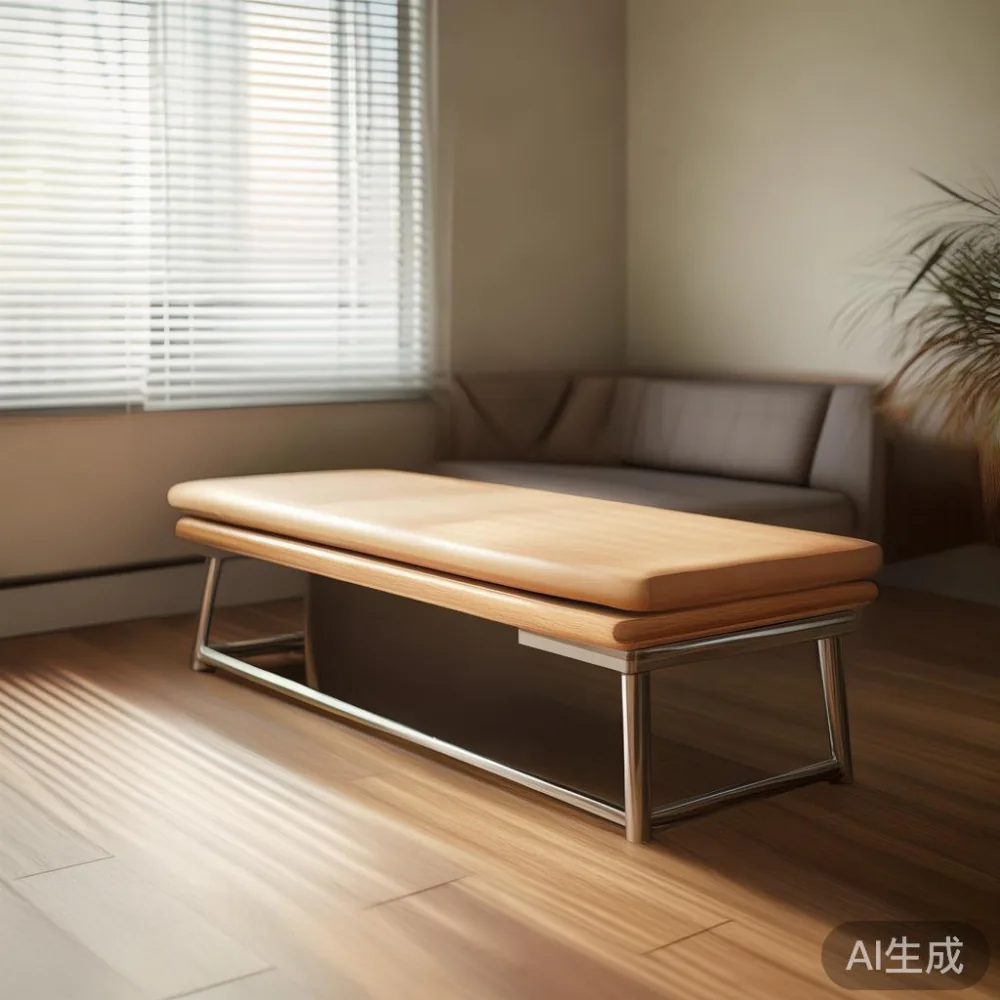
MIDHILL, a Foshan solid wood furniture maker established in 2008 and exporting to more than fifteen countries, builds benches with kiln-dried oak and ash frames. I tested their 150 cm oak storage bench in a Tampines HDB showflat last quarter and the lid action was smooth on a single finger, even after the showroom assistant told me the hinge had been cycled 20,000 times in factory testing. That kind of mechanical honesty is rare.
How to Measure Your Lift, Corridor, and Door Before You Spend a Single Dollar
Singapore lift cars are typically 1.1 m wide x 1.4 m deep x 2.1 m tall for passenger lifts in newer HDB blocks, and as small as 0.9 m x 1.2 m x 2.0 m in older blocks around Bedok Reservoir. Service lifts are larger but not always available to residents. Your corridor is usually 1.2–1.5 m wide, but the turning radius into your unit depends on which way your door swings and whether your neighbour has parked a stroller at unit 04.
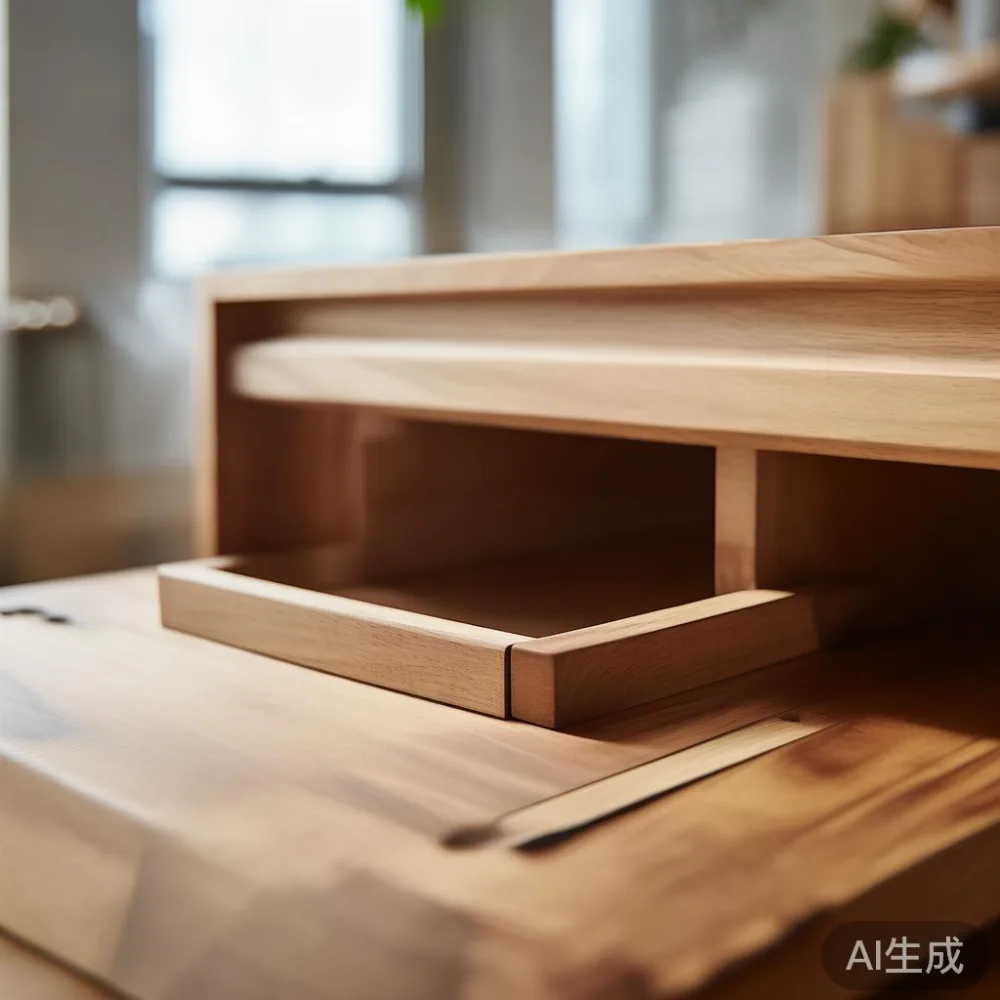
Take a phone, open the Measure app, and record three numbers before you order anything: lift door width, corridor turning width at the corner nearest your unit, and the diagonal of your front door frame. A storage bench in a flat-pack box should fit through all three. A sofa almost never will, unless it is a modular piece shipped in boxes under 80 cm wide. This is the part where my Tampines client lost three weekends returning a too-large sofa — and where a sensible storage bench would have arrived in one box, around 35 kg, and been carried up by one person.
What "Solid Wood" Actually Means — and Why It Matters for a Storage Bench
Engineered wood, MDF, and plywood are not bad in themselves, but for a lift-up storage bench they behave differently over time. A solid wood frame — oak, ash, rubberwood, or beech — holds a hinge anchor far better than particleboard. Particleboard strips after 4,000–6,000 lid cycles; solid oak survives 30,000+ cycles without a wobble. If you are storing 15 kg of blankets, that difference becomes audible within a year.
MIDHILL frames every storage bench in solid oak or ash from FSC-certified suppliers, with mortise-and-tenon corners rather than dowels and glue. That construction choice is one reason the brand can offer a 10-year structural warranty plus lifetime refinishing — a service almost no mid-range furniture maker in Singapore provides. The same joinery shows up in their bed frame, dining table, wardrobe, and nightstand lines, so the bench visually matches the rest of a light-luxury scheme.
Is American Accent Chair Furniture Worth It?
Yes, when the proportions are right and the construction is honest — American accent chair furniture is worth the premium for a Singapore HDB living room because it pairs oversized silhouettes with kiln-dried hardwood frames, eight-way hand-tied springs, and removable cushions, which together give you a 10–15 year service life that cheaper alternatives cannot match. The trick is to read the spec sheet, not the catalogue photo. A genuine American light luxury accent chair will weigh 22–32 kg, list a hardwood species (oak, ash, or maple), and offer a written frame warranty of at least five years. If those three signals appear, the price tag between S$1,400 and S$2,200 for an imported piece is justified by upholstery life alone. If they do not appear, you are paying for a label.
Within a light-luxury scheme — French light luxury, American light luxury, or the post-modern light luxury look that pairs brushed brass with pale oak — an accent chair should echo the storage bench's wood tone, not fight it. I keep a 1.2 m American-style accent chair in cream boucle next to a 140 cm oak storage bench in my own Bedok apartment, and the two pieces read as one composition rather than two purchases.
Foam Density, Fabric, and the Numbers Behind "Cannot Sit On"
A storage bench is technically a seat, so the foam specification matters even if you only sit on it twice a day. Look for a high-resilience foam core of at least 28 kg/m³, wrapped in a 200 g polyester wadding layer. Anything below 22 kg/m³ will bottom out within eighteen months in Singapore's 32 °C, 80 % humidity climate. For fabric, performance weaves with a Martindale rub count above 40,000 are safe for daily use; below 20,000 you will see pilling on the lid edge within a year.
If you want a bench that doubles as guest seating, request a 10 cm seat foam rather than the standard 6 cm. The cost difference is usually S$60–S$90, and the comfort difference is the gap between a usable perch and a prayer bench. For households that include pets — a point worth raising when clients ask about pet furniture for HDB living room layouts — choose a removable, washable cover in a tight weave. Cat claws and boucle are not friends.
Hardware, Hinges, and the Quiet Details That Decide Whether a Storage Bench Lasts Five Years or Fifteen
Lift-up lids live or die by their hinges. Soft-close hinges rated for 50,000 cycles cost S$40–S$80 more than basic friction stays, and they prevent the slam that shakes pictures off the wall in a Punggol BTO. Gas-lift struts are another upgrade, but only on benches under 120 cm — beyond that, the lid becomes too heavy for a single strut and you risk a controlled-failure scenario.
Drawer runners matter equally. Side-mounted, full-extension, soft-close runners rated to 45 kg are the baseline. Anything that skimps on the rating will sag after the second year. Check the corner brackets on a storage bench too: metal L-brackets add S$15–S$25 to the build but stop the frame from racking when the lid is forced open by a curious four-year-old. I have seen three broken benches in the past twelve months, and all three failed at the corner joint, not the lid or the hinge.
Delivery, GST, and the Real Cost of Getting a Storage Bench Into Your HDB
A solid oak storage bench from a Foshan factory direct-shipped to Singapore typically lands between S$780 and S$1,450 landed, depending on size and finish. Add 9 % GST on the landed value, plus S$60–S$120 for lift-up delivery to a fourth-floor walk-up in Bedok if the freight forwarder does not include it. MIDHILL, for example, quotes free shipping above US$350 (roughly S$480) and a 14-day return window, which gives you a buffer to check the piece against your actual room before committing. Most direct-from-factory benches take 18–28 days from order to doorstep by sea freight, plus 3–5 days for Singapore customs clearance and last-mile delivery.
If a local reseller quotes you S$1,800 for the same bench, ask what they are adding: showroom rent, local warranty, faster delivery (often 5–7 days), or simply margin. There is no wrong answer, but you deserve to know which one you are paying for.
How a Storage Bench Stops a Living Room From Looking Like a Warehouse
The underrated role of a storage bench is visual calm. In a 93 sqm HDB in Tampines, the average household owns 47 % more objects than the same household did in 2010 — books, vinyl, suitcases, seasonal clothing, pet supplies. Without a place to hide them, the living room turns into a stockroom. A storage bench absorbs the daily overflow — blankets, board games, the Dyson, three yoga mats — and lets the rest of the room breathe.
Pair the bench with a solid wood coffee table or a marble table in a light-luxury scheme and you have a composition that reads as curated rather than crowded. A marble table with a pale oak bench, a brushed brass floor lamp, and one American accent chair in boucle is a 12-square-metre living room that photographs like a 30-square-metre condo. I have walked three clients through that exact layout this year, and none of them have asked me for a sofa since.
Questions Singapore Buyers Ask Before They Click "Add to Cart"
Will the storage bench arrive fully assembled? Most direct-from-factory benches ship in one box with the lid detached and four legs to screw in. Allow 15–25 minutes and a power drill. Can I store heavy items inside? Yes, up to the manufacturer's distributed load rating — usually 80–120 kg for the lid and 150–200 kg for the base. Is the foam safe for children? Look for CertiPUR-US or Greenguard Gold certification; both are now standard on reputable Chinese factory exports. Can I refinish it later? MIDHILL offers lifetime refinishing on solid wood benches, which means a S$120–S$220 sanding-and-re-oiling service at year eight is possible rather than a replacement at year ten.
The honest answer to the original question — what to check before buying a sofa you cannot sit on — turns out to be surprisingly simple: measure the lift, measure the corridor, measure the door, then decide whether a 240 cm sofa or a 150 cm storage bench will serve your household better. For most HDB and condo layouts in Tampines, Bedok, and Punggol, the bench wins on storage, on access, on weight, and on long-term cost. The sofa loses on every count except the one thing you actually wanted it for — a place to sit — which is something a bench also does, just 30 cm lower.