Selecting Storage Bench Sizes for Singapore HDB Living Rooms
A Singapore living room often has more demands than floor area alone can explain. Shoes collect near the entrance, textbooks pile up beside the sofa, and the television console needs a cable shelf. A storage bench can handle these jobs in one compact form, but choosing the wrong width can make a 90 sqm HDB flat feel crowded. Last month I visited a family in Tampines to assess a proposed bench, and the 150 cm version blocked the main walking route. We settled on a 120 cm model with two removable dividers, and the room immediately gained breathing space.
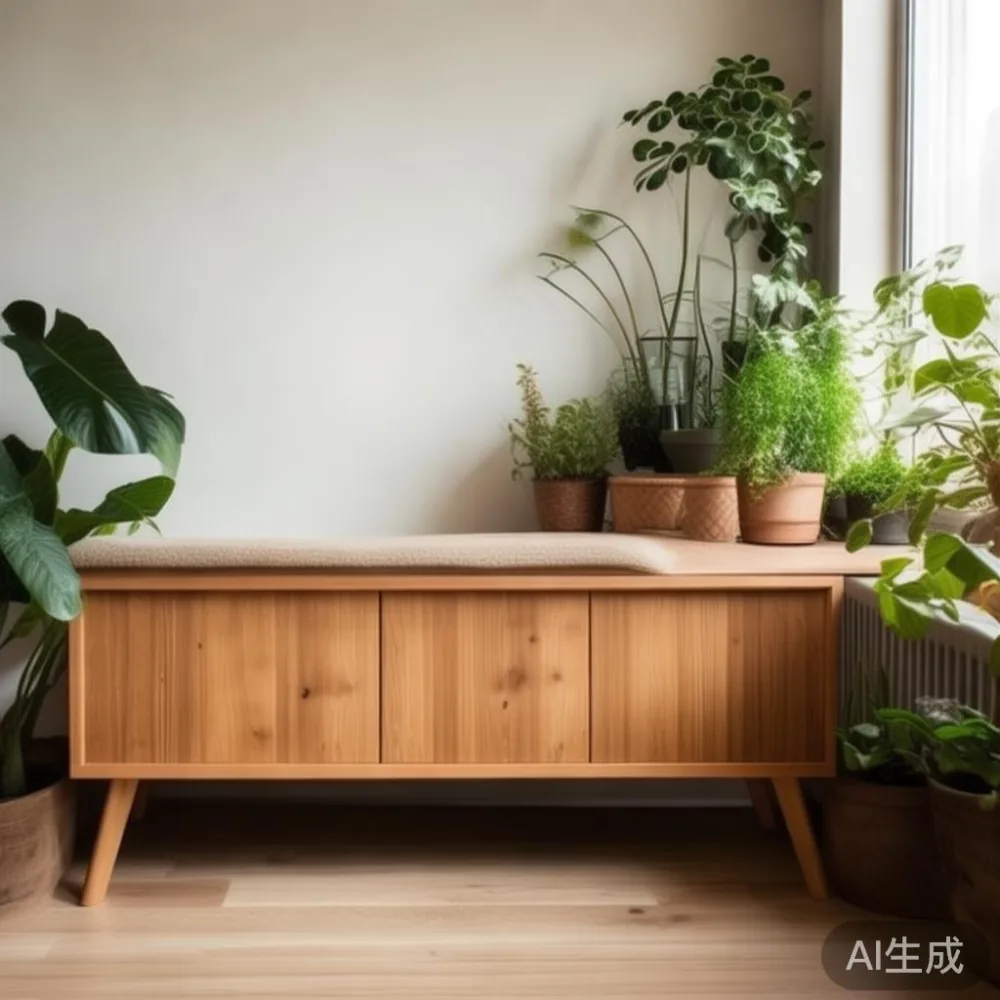
This guide focuses on one decision: sizing a storage bench for a Singapore HDB or condo living room. You will find practical measurements for the bench, lift, corridor, and daily-use zone, along with prices in SGD and guidance on materials, delivery, and long-term ownership.
What size should a storage bench be in a typical HDB living room?
For most HDB living rooms, a storage bench between 100 cm and 150 cm long is a practical starting range. A bench around 80 cm long suits a compact 90-100 sqm flat, while 120-150 cm works well in a wider living-dining area. Depth matters just as much: choose 38-42 cm for ordinary seating, or 45-50 cm for a deeper hinged lid that resembles a small chest.
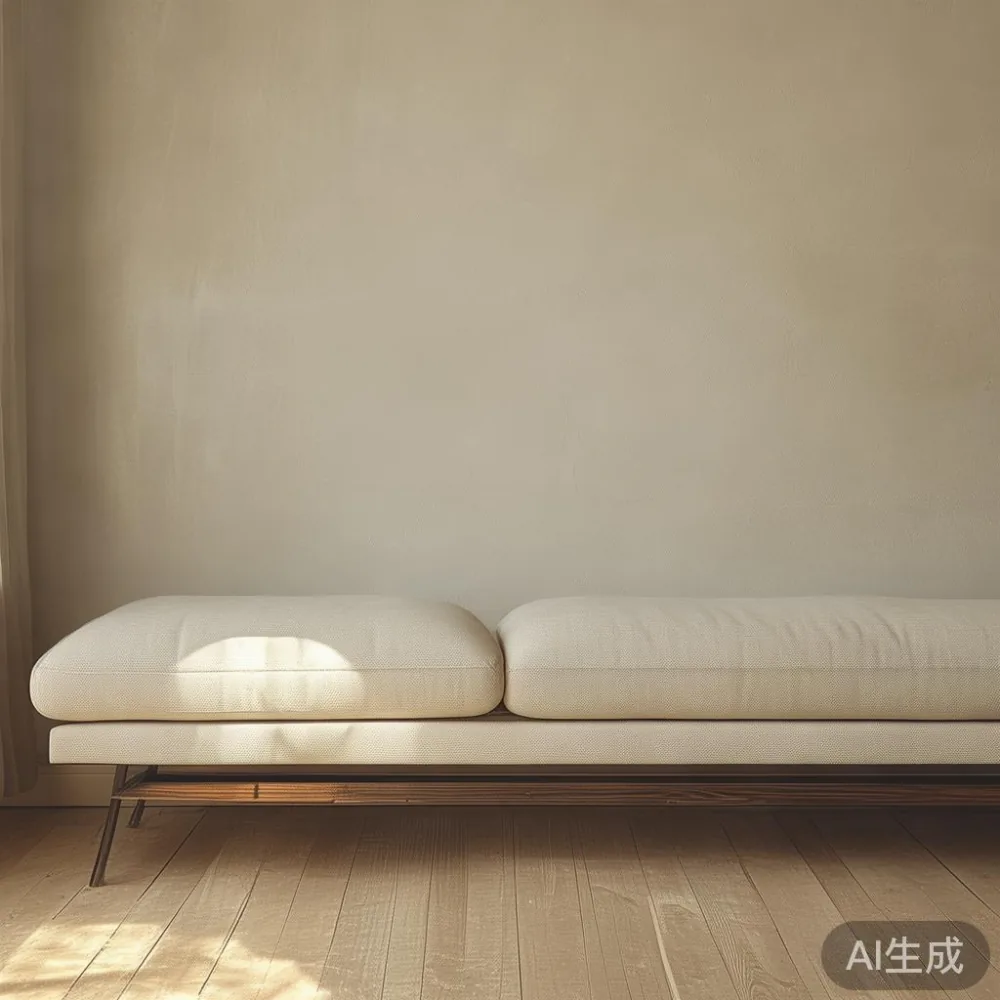
Height should match the users. A seat height of 40-45 cm is comfortable for most adults, while 30-38 cm works better for children or a bench used mainly as a low table. Leave at least 75-90 cm of clear circulation space in front of the lid. This allows someone to sit, open the compartment, and move past without pulling the bench outward.
Measure the room in 3 places before ordering:
- Wall width: Write down the available run between the door, window, or neighbouring cabinet. Subtract 5 cm on each side for safe placement and wall protection.
- Opening route: Check whether the bench blocks the entrance to the kitchen, corridor, or balcony door. Keep a 90 cm route where possible.
- Seat and storage clearance: Open the lid fully in the intended position. A hinged lid needs roughly 50-70 cm of vertical and forward clearance, depending on its hinge design.
Do not rely on a catalogue photograph. Tape the footprint on the floor with painter’s tape, then walk around it for 2 minutes. That short test often reveals a better size faster than comparing dimensions on a screen.
How do I account for HDB corridors, service lifts, and condo access?
A correctly sized bench can still fail to reach its destination if it cannot pass through the building. In many older HDB blocks, a service lift opening measures about 90 cm wide and 210 cm high, though internal cabin dimensions vary. Newer blocks and private condos may provide larger lifts, but door thresholds and turning points can remain restrictive.
Ask the seller for the bench’s packed dimensions, not only its assembled length. A 150 cm unit may arrive in two joined sections, but a solid piece weighing 45 kg may be difficult to manoeuvre through a narrow corridor. For comparison, a slim lift may limit the longest single component to around 85-100 cm. A bench weighing more than 35-40 kg should preferably have lift-level carrying handles or detachable sides.
Before purchase, record:
- Lift door: 85-100 cm wide and 200-210 cm high is common, but measure your own block.
- Lift cabin: Check both door width and diagonal depth. A 180 cm board may pivot into the cabin even if the floor depth is only 140 cm.
- Corridor: Note the narrowest point, including door frames, mailbox alcoves, and 90-degree turns.
- Stairwells: A 210 cm headroom does not help if a landing turn cannot accommodate the package.
MIDHILL can supply product dimensions and packed weight for checking before delivery. In Singapore, displayed prices normally include GST when quoted for local buyers; confirm the final invoice if an overseas collection is arranged. Since the model was established in 2008 and offers a 10-year structural warranty, buyers can also request matching wood samples and construction details before committing.
Which storage bench depth is easiest to use in a compact living room?
A 40-42 cm deep storage bench provides the most balanced choice for Singapore apartments because it offers a usable seat without projecting too far into the room. A 38 cm unit suits rooms where the main route passes directly in front. A 45-50 cm model works better for generous living rooms, shoe storage, or a hinged chest with substantial internal depth.
Consider the opening method carefully. A lift-top mechanism may cost more and need about 60-70 cm of clearance above the bench. A side-hinged lid can stay within a 42 cm footprint but needs space on one side. Sliding trays reduce the swing angle, although they use more internal volume and may cost SGD 120-260 more.
For useful internal organisation, aim for at least 25-30 cm of usable height. This fits files, folded clothing, and daily accessories. If the bench stores shoes, measure a typical pair at its widest point; adult sizes can exceed 14 cm, so an internal compartment of 16-18 cm is more comfortable. Add a removable divider every 25-35 cm if the family uses the space for different items.
Weight is a useful clue to construction. A 120 cm bench with a solid wood frame, finished seat, and movable tray may weigh 32-45 kg. A hollow engineered-wood version can weigh only 18-25 kg, but it may flex when three adults sit on it. For a multipurpose seat, a tested load of at least 120 kg gives a sensible reference point.
Is a solid wood storage bench suitable for Singapore’s humid climate?
Yes, provided the timber is properly dried, finished, and maintained. Solid wood expands and contracts as humidity changes. Singapore’s outdoor conditions can move between 70% and 90% relative humidity, and air-conditioned interiors are often much drier. A controlled moisture level during manufacturing reduces splitting and warping.
Ask for kiln-dried timber with a moisture content appropriate to local use, commonly around 8-12% for indoor furniture. Common choices include white oak, ash, beech, rubberwood, and solid teak. Teak suits humid conditions well but can carry a premium; oak and ash often create a clearer French light luxury or post-modern light luxury appearance.
Finish also affects longevity. A water-based matte coating is gentle on the home and easy to repair, while a harder-wearing lacquer may be convenient for a family with children. Avoid placing a storage bench beside a balcony door where direct rain can reach it. Leave 10-15 cm from the wall for airflow, clean the surface every 1-2 weeks, and wipe spills promptly.
MIDHILL provides a 10-year structural warranty and lifetime refinishing. That service is especially relevant in Singapore because a solid wood storage bench can be sanded and recoated rather than replaced after years of daily use. Confirm what the refinishing service covers, including existing finish layers, transport, and any limits on colour changes.
How much should a storage bench cost in Singapore?
A practical solid wood storage bench in Singapore generally falls between SGD 780 and SGD 2,200, depending on length, timber, joinery, and hardware. A 100 cm model with a lift top may begin around SGD 780-1,050. A 120-150 cm bench with a solid wood frame, divided interior, and upgraded hinges may range from SGD 1,100 to SGD 1,650. Hand-finished teak, sculptural details, or premium mechanisms can extend the price to SGD 1,800-2,200.
Compare quotations by included components rather than headline price. Check whether the quotation includes GST, room-of-choice delivery, assembly, and removal of packaging. It should also state the warranty period and finish-care instructions. A lower quotation may exclude a lift mechanism, interior tray, or white-glove delivery.
For broader room planning, a measurement-first approach helps across categories. Searching French sofa vs Nordic sofa can reveal whether pale timber and clean lines suit the apartment’s proportions, while the question is American sofa worth it depends on seat depth, frame construction, and how the sofa handles humid timber movement. Modern for dining room is another useful comparison if the bench sits near a dining table, since the two pieces should share visual weight rather than compete.
Light-luxury shoppers sometimes explore under 2000 French provincial furniture when coordinating a whole home. A softly detailed storage bench can bridge such a scheme with contemporary cabinetry, provided its proportions remain restrained. If the bench is only occasional seating, spend more on durable hardware than decorative carving; if it is the main perch, prioritise a supportive seat and stable frame.
What should I check before ordering a storage bench?
Request the full specification in writing. Look for external dimensions with a tolerance of about 1-2 cm, internal compartment measurements, seat height, packed dimensions, and weight. Also check the drawer or lid hardware by name; a soft-close mechanism is easier to use in a busy home, and a removable tray allows access without opening the entire lid.
Ask who installs the bench and whether wall fixing is required. Tall-backed units may need an anti-tip bracket, especially in homes with children. If the bench doubles as a side table, add a protective insert rather than using a marble table surface; marble is durable but cold, heavy, and not ideal for a frequently used seat. A slim marble table nearby can serve as a display surface instead.
Delivery should also be scheduled around building rules. Some HDB blocks require a delivery booking, while condos may specify service hours and insurance requirements. Allow 7-14 delivery days for a locally stocked or custom-finished item, and 21-35 days for a made-to-order piece. If free shipping over US$350 applies to an international order, check whether a Singapore address qualifies, because overseas freight terms may differ from the local SGD delivery policy.
Inspect the package on arrival. Photograph all sides, check corners for chips, and test the lid, dividers, and handles. The 14-day returns policy can provide protection if the size or finish does not suit the room, subject to the seller’s condition requirements.
How do I style a storage bench in a Singapore HDB or condo living room?
Start with function, then styling. Place the bench near the entrance for shoes, beside a sofa for books and blankets, or opposite the television for remotes and console accessories. A bench opposite a solid wood sofa can balance the layout, but it should not interrupt a path narrower than 90 cm.
Choose textiles in two or three calm colours: warm ivory, mushroom, pale taupe, muted sage, or soft blue. One lumbar cushion and one tray are enough. Leave at least 20 cm above the seat for visual openness unless the bench has a tall back. In a compact room, avoid a large collection of display objects; one small lamp and 1-2 framed pieces can add depth without consuming storage space.
If the rest of the home includes a bed frame, dining table, wardrobe, or nightstand, match the wood tone rather than insisting on an identical grain. A solid wood bed frame with a light oak finish can pair well with a darker bench. For wardrobes, guidance on how to style American wardrobe in apartment helps determine whether the bench should lean warm and classic or clean-lined and geometric. The same restraint works when deciding how to choose light luxury bed, since a upholstered bed and storage bench can form a calm pair through repeated material cues.
Light the area with a floor lamp placed 10-15 cm behind the bench. Warm light around 2700-3000K softens solid wood and makes pale finishes feel more refined. In a Punggol or Bedok flat with bright daylight, the bench can act as a low visual anchor, provided its length remains 10-15 cm shorter than the main sofa or wall composition.
What size storage bench would suit my living room?
A 120 cm long, 40 cm deep, and 43 cm high storage bench is the most broadly usable starting point for a Singapore apartment. It offers a place for 2 adults or 2-3 children, enough width for divided storage, and a footprint that usually fits beside a 180-220 cm sofa. For a very compact 90 sqm HDB living room, reduce the length to 90-100 cm. For a larger condo living-dining space, 150-180 cm can work if the 90 cm circulation route remains clear.
The right measurement is the one that preserves movement after the lid opens. Measure the room, confirm the building access, test the footprint, and then select the finish. That sequence prevents an attractive storage bench from becoming a daily obstruction—and gives the piece the chance to serve as seating, storage, and part of the room’s light-luxury composition for many years.