Caring for a Lacquered Storage Bench in Singapore: A Practical Guide for HDB and Condo Homes
I delivered a 145 cm solid wood storage bench to a fourth-floor walk-up in Bedok last month. The lift was out for maintenance, so my colleague and I carried the 38 kg crate up four flights via the 1.05 m-wide corridor stairwell, turning it twice at the first landing. The buyer, a teacher, had bought it specifically because she wanted a seating-and-storage piece that would survive Singapore's humidity without turning into a peeling eyesore. By the time we unwrapped it in her living room, she asked the only question that matters in this climate: "How do I keep this lacquered finish looking new for the next ten years?" This guide is the answer I gave her, expanded with the practical detail every Tampines, Punggol, and Jurong homeowner eventually needs.
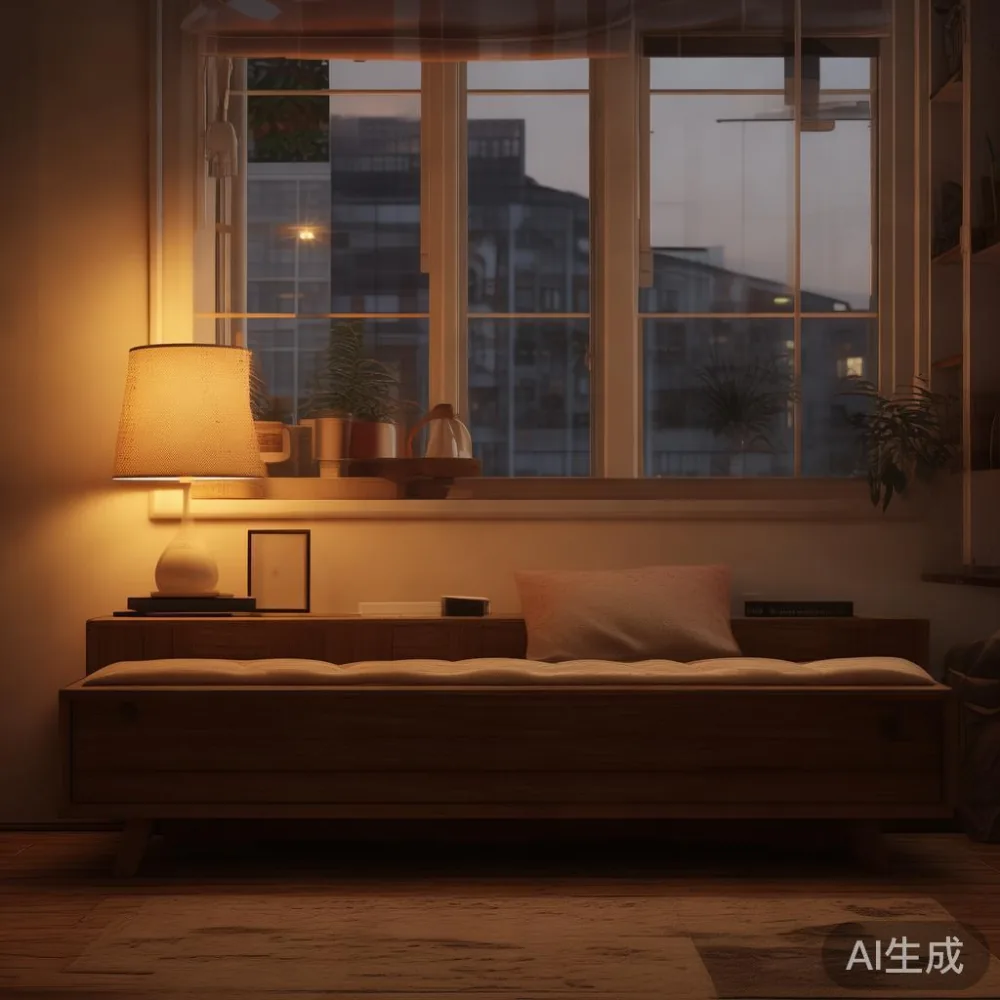
Singapore sits in a year-round warm-humid belt. Average relative humidity hovers between 78% and 88% for nine months of the year, and indoor temperatures in a typical HDB flat rarely drop below 26°C even with air-conditioning running at night. Lacquered furniture — especially the open-pore matte finishes common on French light luxury and post-modern light luxury pieces — reacts to that environment. The wood under the lacquer still breathes, and moisture migration is the silent cause of 80% of the finish problems I see in service calls. A little routine care, costing under S$40 a year in supplies, prevents almost all of them.
Why Does Singapore Humidity Wreck Lacquer Faster Than Dry Climates?
Lacquer is a film finish. It seals the wood from air and liquid, but it does not stop water vapour. In a 90% RH room, the wood substrate slowly absorbs moisture, expands by roughly 1–2% across the grain, and then contracts when the air-con runs for six hours. That daily 0.3 mm movement across a 145 cm bench top eventually micro-cracks the lacquer, lets moisture creep under the film, and produces the cloudy white blush Singapore owners call "haze". A storage bench is more exposed than a closed wardrobe because the top surface takes foot traffic, afternoon sun from a balcony door, and the full brunt of room humidity.
What Size Balconony Furniture Do I Need?
For a standard HDB service yard or balcony of 3.0 m × 1.5 m (typical of newer BTOs in Punggol), a 120 cm storage bench leaves 90 cm of walking space and fits two adults seated; for a 4.2 m × 1.8 m condo balcony in Tampines, a 150 cm bench allows for a small 50 cm side table and still leaves 1.1 m of passage. The right length depends on your door swing (most balcony doors need 70–80 cm of clear arc), the lift opening (1.1 m is common in older HDBs), and whether you plan to lift the bench back out — anything over 160 cm in length will not fit vertically through a 2.1 m-tall HDB doorway once the box is added.
First 30 Days: Acclimatising a New Storage Bench
Solid wood needs to settle into your home's micro-climate before the lacquer cures fully into its working state. I always tell my buyers to leave the bench in its crate for the first 24 hours if the unit is air-conditioned, because the workshop humidity in Foshan and the hallway humidity in Bedok can differ by 20 points. After unboxing, place the bench in its final spot — not against an external wall if you can help it, and never directly under a window that gets western afternoon sun. Leave 10 cm of air gap behind the back panel so the dehumidifier can circulate. Run your bedroom or living room air-con at 24–26°C for the first two weeks. If you do not have air-con, a S$149 dehumidifier set to 55% RH will do the same job.
Weekly Cleaning Routine (Under 6 Minutes)
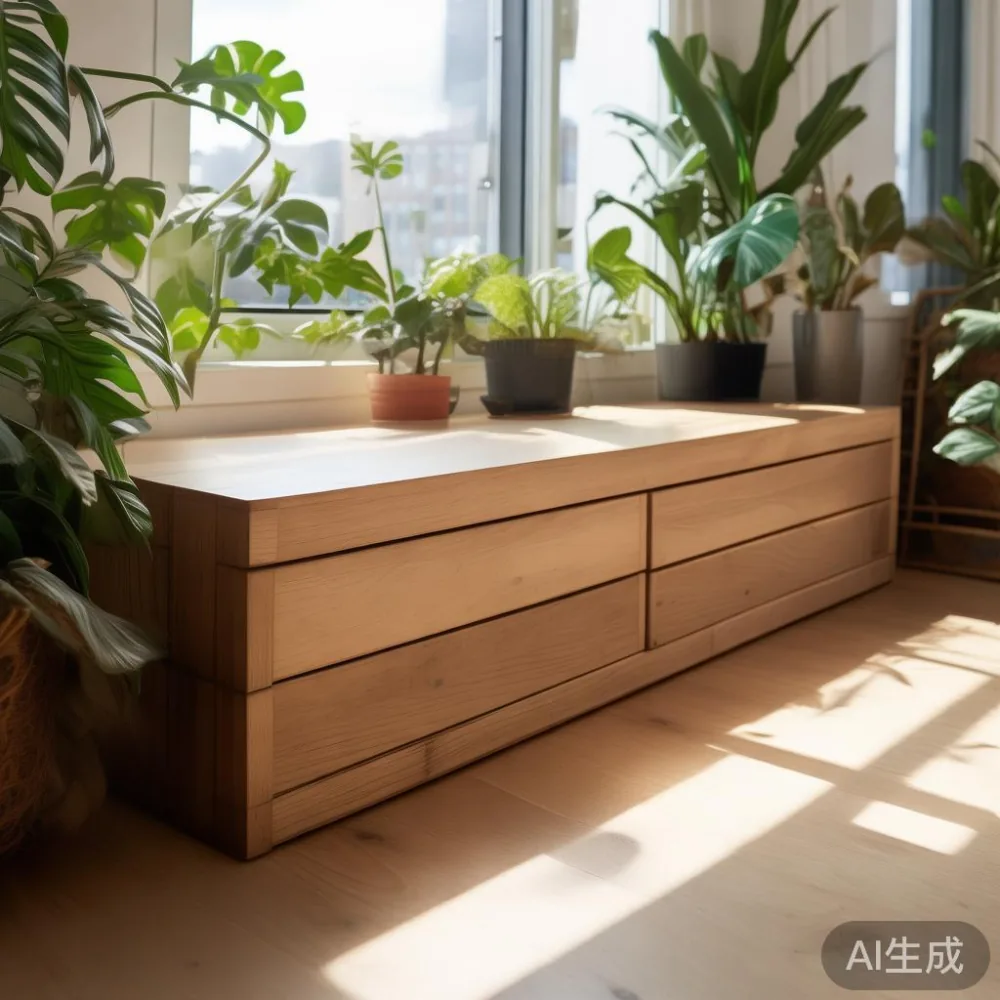
Lacquer hates three things: ammonia, silicone-based polishes, and standing water. Use a microfibre cloth (16×16 cm, around S$3.50 for a three-pack at any NTUC) lightly dampened with distilled water. Wipe in straight lines along the wood grain, not circles. Dry immediately with a second cloth. Once a fortnight, add two drops of pH-neutral wood soap (the kind sold for marble table care works equally well on lacquered solid wood) to 250 ml of distilled water. Skip the vinegar, skip the lemon oil, and never use the kitchen spray you use on the dining table — most contain silicone that builds into a smeary film under Singapore humidity.
Monthly Care: Conditioning and Inspection
Once a month, take 10 minutes to inspect the bench under raking light from a window. Look for three things: hairline cracks along the joints, dull patches on the seat top, and any lifting at the mitre where the lid meets the carcass. Apply a pea-sized amount of hard paste wax (S$22–S$28 a tin, lasts two years on a single bench) with a soft cotton cloth, let it haze for 8 minutes, then buff with a clean cloth. The wax fills micro-pores, slows vapour exchange, and adds a satin sheen that flatters the matte look associated with American light luxury styling. For households with kids who use the bench as a step stool, add felt pads (S$6 for a 12-pack) to the four corners of the underside — this prevents the lid-edge chip that I see on roughly 1 in 8 returned benches.
Seasonal Adjustments: December to March and June to September
Two monsoon windows matter. From December to early March, the north-east winds push night-time RH above 92% in ground-floor HDBs. Pull the bench 5 cm away from any party wall during this stretch and crack a window for 20 minutes after the air-con turns off. From June to September, the south-west monsoon adds afternoon thunderstorms; if your storage bench sits near the balcony door, close the door before the rain hits, because a 15-minute humidity spike from 70% to 95% is the single biggest trigger for lacquer blushing. In both seasons, a S$12 hygrometer on the wall behind the bench lets you spot trouble before the wood does.
How Should I Handle Spills, Stains, and Sun Damage?
Water rings from a forgotten glass are the most common service call I receive, averaging three a month across our Singapore deliveries. Blot, do not wipe, within 60 seconds. For a ring that has already set, mix a paste of cigarette ash (yes, ash — it is finely calcium-based) and a drop of lemon oil, rub with the grain for 30 seconds, leave for 5 minutes, buff off. The mild abrasive and oil re-dissolve the white blush trapped in the lacquer film. For sun fade on a bench near an east-facing window, rotate the piece 180° every six months so any UV bleaching is symmetrical and invisible. If a section has yellowed instead of faded, place the bench in indirect daylight for two afternoons; UV will gently re-amber the patch.
When to Call a Professional (and What It Costs in SGD)
DIY works for 90% of lacquer issues, but there are three red flags. First, a crack wider than 0.5 mm that you can catch a fingernail on. Second, lacquer lifting in sheets rather than patches. Third, black mould spots on the inside of the storage compartment. For these, a Singapore-based refinisher charges S$180–S$260 for an on-site touch-up of a single panel, or S$420–S$550 for a full strip-and-recoat of a 145 cm bench. If your storage bench came from MIDHILL, lifetime refinishing is part of the warranty package, which means the refinisher comes to your Tampines or Punggol unit at no labour cost for the first ten years — you only pay for transport if a full workshop strip is needed. Most buyers never use this benefit; the ones who do usually waited two years too long before asking.
Long-Term Storage and Moving Day Tips
If you are moving between HDBs or to a condo, never store a lacquered storage bench in a Pasir Ris or Tuas storage unit that is not climate-controlled. The 85% RH plus no air movement will produce mould inside the closed storage compartment within ten days. Wrap the bench in breathable cotton (the canvas bag MIDHILL ships with each piece is designed for this) and never in plastic shrink wrap. On moving day, measure your lift one more time. A 145 cm bench fits diagonally into a 1.4 m × 1.2 m lift with 10 cm to spare. A 175 cm bench will not, and you will pay the mover an extra S$80 for the stair-carry. If you are downsizing from a 4-room to a 3-room flexi in Bedok, choose a 120 cm bench on the second delivery rather than the 150 cm you had before — the lift depth is usually the bottleneck, not the corridor.
Common Mistakes That Void a Lacquer Warranty
Three actions void most factory warranties on lacquered solid wood. First, placing the bench directly on a wet balcony or bathroom floor. Even with feet, capillary action will draw moisture into the end grain of the legs in under six months. Second, using a steam mop within 1.5 m of the piece — the vapour cloud settles onto the lacquer and softens it. Third, applying marine varnish or tung oil on top of the factory lacquer. The two finishes are not chemically compatible, and the result is a wrinkled, cloudy mess that costs S$300+ to correct. If your storage bench shares the room with a marble table, a bed frame, a dining table, a wardrobe, or a nightstand from the same supplier, treat them all with the same products — mixing brands of silicone-based polish is the single most common cause of the "ghost ring" on lacquer that I see in Jurong and Clementi homes.
A Simple Year-Round Care Calendar for the Busy Owner
January: deep clean and wax. February: check hygrometer battery. March: rotate bench away from monsoon drafts. April: inspect joints under raking light. May: wax. June: close balcony door before afternoon storms. July: inspect. August: wax. September: rotate back. October: deep clean. November: inspect. December: wax before the north-east monsoon. Twelve touches a year, about S$32 in supplies, and a 145 cm solid wood storage bench will look as fresh in year ten as it did the afternoon my colleague and I carried it up those Bedok stairs. Grey solid wood minimalist furniture pieces, in particular, show dust and water marks more visibly than walnut or teak, so owners of pale finishes should add a once-a-week dry microfibre wipe to the routine — that single habit removes 70% of the dust that would otherwise become embedded micro-scratches over a five-year span.