Storage Bench Tips: Finding the Perfect Fit
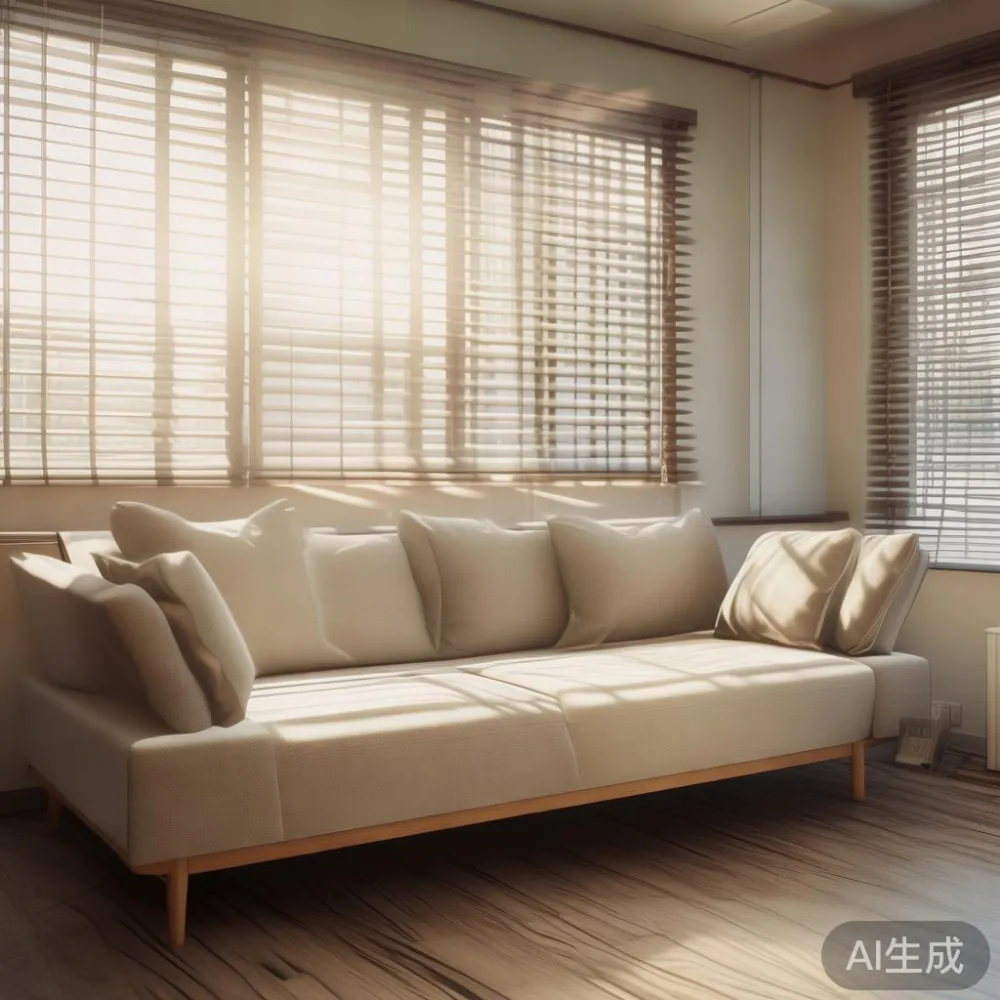
A sofa that looks appealing in a showroom can still be a poor fit for a Singapore home. The photograph may show generous seating, but the real dimensions could make it impossible to clear a lift door, turn through a HDB corridor or fit beside the dining table without blocking the walkway. If the piece is intended mainly as a display surface rather than a seat, it may be classified as a decorative bench or storage bench, yet it still needs to be measured with the same care as a solid wood sofa.

Storage benches are often chosen for the entrance, living room, bedroom or dining area because they combine a visual ledge with concealed storage. They can hold shoes, toys, folded blankets, books, cushions or dining accessories. Their popularity in compact flats is understandable: one object can define a space while reducing visible clutter. The challenge is that a decorative form may look substantial in a catalogue while offering no practical seating, and its construction may not suit humid conditions or frequent family use.
Before buying, I would measure the route, examine the frame, test every hinged or sliding component, clarify the finish and check the delivery terms. These checks matter whether you are considering a solid wood sofa, a bed frame, a dining table, a wardrobe, a nightstand or a marble table. This guide explains what to look for when choosing a sofa you cannot sit on, with particular attention to Singapore access, GST, local delivery and light-luxury design.
Can a storage bench fit through the lift, corridor and front door?
Start with the delivered dimensions, not the dimensions shown in the product gallery. Ask for the packed length, width and height in centimetres, plus the weight of the packaged unit in kilograms. A bench may leave the factory at 120 × 45 × 48 cm and arrive in a carton measuring 132 × 58 × 52 cm because of protective foam, corner guards and the outer box.
For an HDB block, inspect the lift doorway rather than relying on the building’s stated internal dimensions. A common open lift car may measure roughly 110 cm wide and 140 cm deep, but the usable opening can be smaller. Check the distance between the open doors, the ceiling height and the space opposite the lift. For a condo, confirm the basement car park route, turnstiles, service corridors and any security-access gates.
Use the largest required dimension as a planning guide, but do not assume that a 45 cm-wide bench can simply travel diagonally. At the final doorway, you may need to remove the door panel, tilt the carton or turn the piece on its side. Ask the supplier in writing whether the package can be split, whether assembly is included and whether failed delivery due to access restrictions is chargeable.
Give yourself a margin of at least 5 cm on tight measurements. You also need clearance to open the front door and enough room to manoeuvre the carton without scraping walls. I learned this during a furniture delivery in Tampines last month: my colleague had measured the bench at 98 cm wide, but a protective plywood frame made the carton 106 cm wide. It cleared the lift only after the carton was turned vertically, an adjustment that had not appeared in the original plan.
Measure the intended position too. Leave at least 75–90 cm between a storage bench and a dining table for a usable walkway. In a Punggol or Bedok flat where the living room doubles as the main circulation area, 80 cm of clear passage is a sensible target. Do not sacrifice daily movement simply to fit an oversized decorative piece.
Is the seat actually designed to be used?
A sofa you cannot sit on is not necessarily a defect. A storage bench may be designed for occasional perching, styling or temporary display, while its main function is storage. The product listing should state this clearly. Look for a maximum load, seat height, edge construction and cushion information. If it is not rated for sitting, do not treat it like a conventional sofa or assume it can hold two adults.
For occasional sitting, a solid seat surface should provide at least 38 cm of usable depth and around 40 cm of height, subject to the design. A load rating of 80 kg gives a reasonable reference for one light adult; a stated limit of 100 kg is more appropriate where a teenager may perch on it. Check whether the manufacturer permits sitting on the lid, since a hinged storage top may have a lock or support mechanism intended to prevent accidental movement.
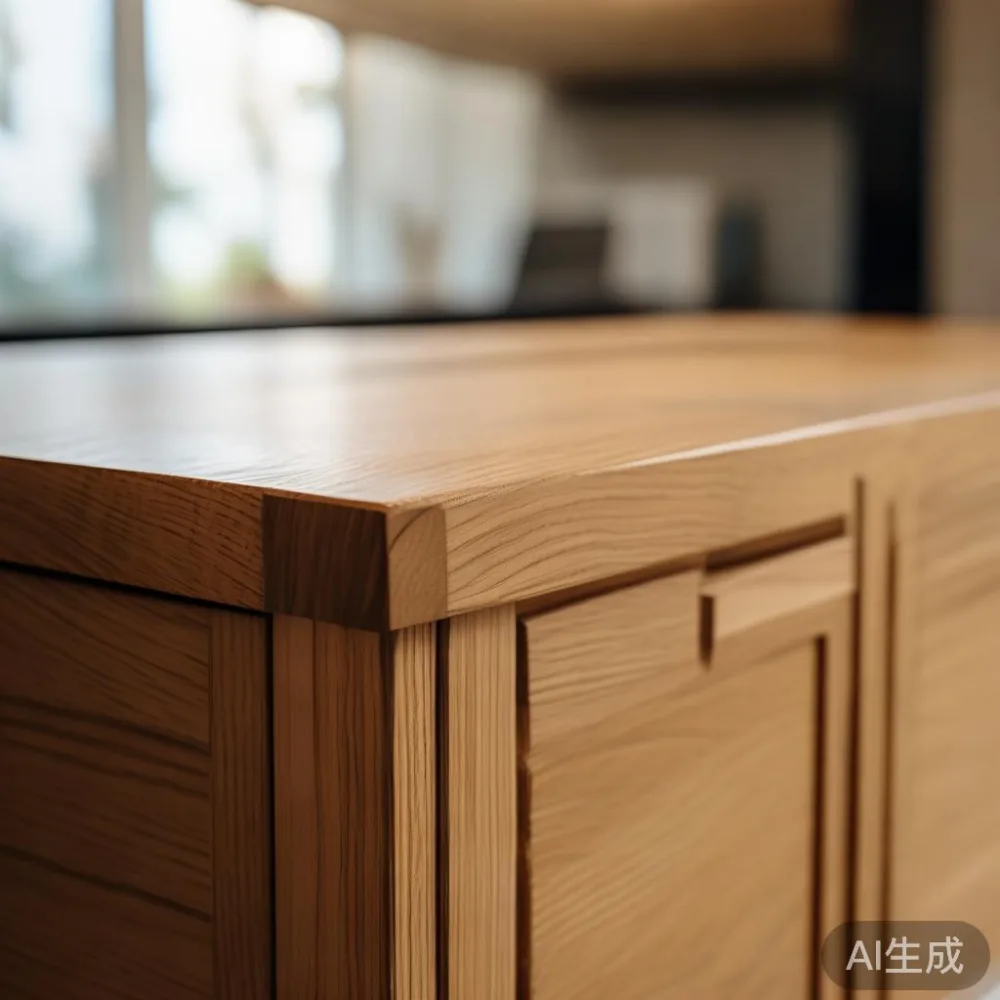
Ask the seller how the structure behaves under weight. A bench with thin MDF panels may flex more noticeably than one built with kiln-dried solid timber and sound joinery. Solid wood sofa construction is not automatically suitable for every storage format, but the material should be named specifically. Terms such as “wood construction” can conceal a mixture of solid wood, plywood, particleboard and veneer.
Check the storage access as well. A lift-up seat may suit soft items, whereas drawers are more convenient for small objects that must be retrieved without lifting the whole lid. Full-extension runners, soft-close hinges and removable dividers are useful details. For a dining setting, measure the internal compartment against the dimensions of the items you plan to store.
What should I inspect in the frame, joints and finish?
Look for straight rails, tight joints and an even surface around all edges. Open and close the lid three times. It should move without drifting, scraping or catching. If the bench has wheels, confirm that they are load-rated, floor-safe and suitable for the type of flooring installed in the home. A heavy storage bench may need two people even if it normally carries only one person.
Pay attention to moisture protection. Singapore’s humidity commonly reaches 70–80% throughout much of the year, while air-conditioned rooms may become much drier. Ask whether the timber is kiln-dried to a stated moisture level, usually around 8–12% for indoor furniture. Check for stable rear bracing, solid joints and a finish that can tolerate routine wiping with a lightly damp cloth.
MIDHILL describes a 10-year structural warranty on its furniture range, and its lifetime refinishing service is another point to clarify. Find out which components are covered, whether the claim can be made by the original purchaser, and what documentation is required. The relevant period is years, not vague assurances of future care.
For a pale French light luxury treatment, inspect the colour under neutral and warm light. Post-modern light luxury styling may pair a curved seat with restrained hardware and a softer upholstered touch. A lighter finish shows dust, fingerprints and edge marks sooner, so the sample should be handled and wiped before approval.
American light luxury often favours clean profiles, deep-toned woods and generous proportions. The aesthetic should not distract from practical checks. A bench that appears refined but has exposed sharp corners, unprotected end grain or a finish that peels easily will age poorly in a busy family entrance.
How should style and proportions be checked in the actual room?
Request a photograph with dimensions, then place the bench footprint on a scaled floor plan. Compare it with the dining table, sofa and television console. A storage bench that is too low can look accidental, while one that is too high may resemble a bar counter without the necessary clearance. The top should generally sit within 5–10 cm of nearby seating for visual continuity, although exact proportions depend on the room.
Ask for fabric, timber and finish samples where possible. If the piece has upholstery, inspect the reverse side, seams and cushion support rather than judging only the visible face. These details often reveal whether the bench was made for occasional use or only as a sculptural shell.
Design references can help narrow the options. A search for Mid-century modern for guest room projects may lead toward tapered legs, warm timber and compact proportions. Another useful search is how to style Japanese sofa in room, especially when pairing a low, restrained bench with simple textiles and uncluttered storage. Neither style excuses poor access planning or weak construction.
The broader 2026 light luxury furniture market includes many decorative statements, but scale remains a practical requirement. The same applies to an Italian light luxury sideboard, a marble table or a designer light luxury furniture scheme. Decorative objects can still be measured and used responsibly.
Do not rely on visual matching alone. Paint colours, wood grain and marble veining vary between batches. Photograph the room in morning and evening light, and place fabric or finish swatches against the wall. If a matching wardrobe is also being replaced, research the best Italian light luxury wardrobe for 2026 and the best Italian light luxury wardrobe for 2026 separately; naming standards and internal construction should be judged independently of the fashionable description.
How much will delivery, GST and returns actually cost?
Confirm whether the displayed price includes GST. Singapore GST is currently 9%, and a taxable price of SGD 2,000 becomes SGD 2,180 before delivery or installation charges. Ask for a written breakdown so that the final amount is clear. A quoted bench price of SGD 1,680 plus 9% GST is SGD 1,831.20, for example, before any access or assembly fee.
Check the estimated delivery window in working days, rather than accepting an imprecise arrival date. A typical lead time might be 20–35 days for a made-to-order finish, with Singapore delivery expected within 3–7 days after production. Out-of-stock pieces may take 6–10 weeks. Ask what happens if the bench arrives damaged, scratched or with a faulty hinge.
MIDHILL offers free shipping on orders over US$350, although the exact conversion and exclusions should be confirmed for Singapore. More useful than a generic threshold is knowing whether a custom-finished piece qualifies, whether lift or doorstep delivery is included and who carries the package upstairs. For a 35–60 kg unit, two-person delivery may cost an additional SGD 40–SGD 120.
Review the 14-day returns policy carefully. Customised dimensions, special finishes and made-to-order upholstery may be excluded. The question to ask is simple: “Under what conditions can this storage bench be returned, and are the original delivery and collection charges refundable?” Keep the packaging until the bench has been inspected.
What should be checked before the final payment?
Use a short written checklist. Confirm the finished dimensions in centimetres, the packaged dimensions, the approximate weight in kilograms, the maximum sitting load, the internal storage measurements, the timber species, the finish type and the delivery lead time. Check whether visible surfaces are solid wood or veneer, and ask for a close-up image of the underside, rear bracing and joinery.
For mixed furniture projects, match lead times carefully. A MIDHILL bed may arrive on a different production schedule from a solid wood sofa or dining table. A wardrobe may need 8 weeks, while a nightstand can be ready in 3 weeks. Coordinating delivery dates prevents one item from being left in the corridor while another is still being made.
Inspect the finished storage bench within 24 hours of delivery. Photograph the carton, corners, lid, hinges and drawers before assembly. Confirm that the lid opens fully, the frame sits level and the finish matches the approved sample. Keep the invoice, warranty documents and delivery record for at least the length of the stated 10-year structural coverage.
A sofa you cannot sit on can still be a useful and attractive storage bench if its purpose is honest and its proportions are right. The strongest purchase is not simply the most decorative option; it is the one that clears the lift and corridor, stands securely in the intended location, stores what the household actually needs and arrives without a surprise charge. Measure first, test the mechanics and settle every detail before paying, and the piece should serve its real role for years rather than merely look convincing in a photograph.