Solid Wood Furniture Price Factors Unveiled in Singapore
Solid wood furniture looks simple until two quotations arrive. One says SGD 1,280 for a 160 cm dining table; the other says SGD 2,450 for a similar-looking piece. The difference is not automatically quality. It may reflect a different timber, a different structural design, a different finish, or a different production standard.
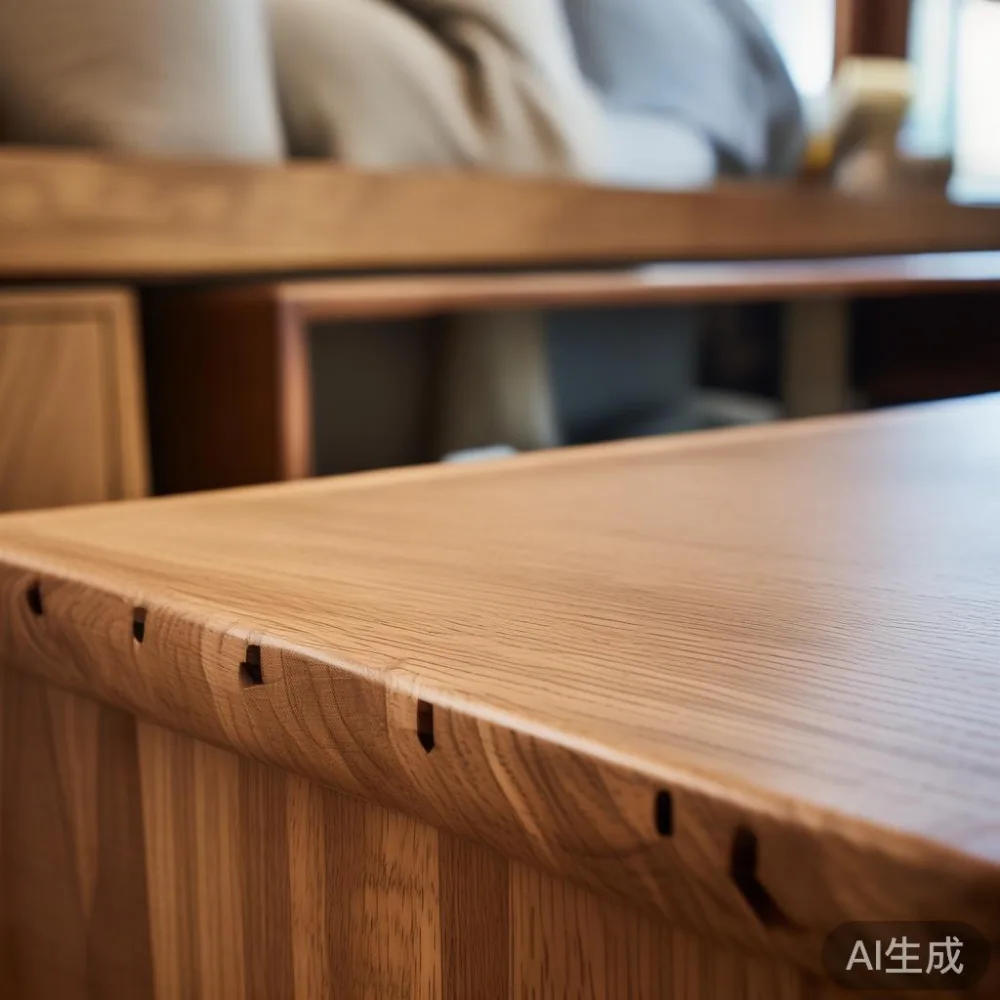
For Singapore homes, that distinction matters. A dining table must pass through a lift, turn through a corridor and fit around a tight HDB dining corner. A storage bench may need to clear a 210 cm doorway, work through a landing, and still look intentional beside a sofa. Price is therefore tied not only to appearance, but also to dimensions, weight, hardware, delivery conditions and long-term care.
This guide explains what actually drives the price of solid wood furniture, using storage benches as the central example while also comparing solid wood sofas, bed frames, dining tables, wardrobes, nightstands and marble tables.

What determines the price of solid wood furniture?
The starting point is the timber. Solid wood furniture uses actual wood boards rather than a printed surface over engineered board, although some joints and internal components may use other materials. Species differ in price because of availability, grain character, hardness and how they respond to humidity.
Oak, walnut, teak and ash are common choices, but the board matters more than the name alone. Grade affects knots, sapwood, colour variation and figure. A wide dining table needs boards with enough length and width to avoid awkward joints. A 200 cm solid wood sofa frame can require carefully selected members because long components are harder to source and machine consistently.
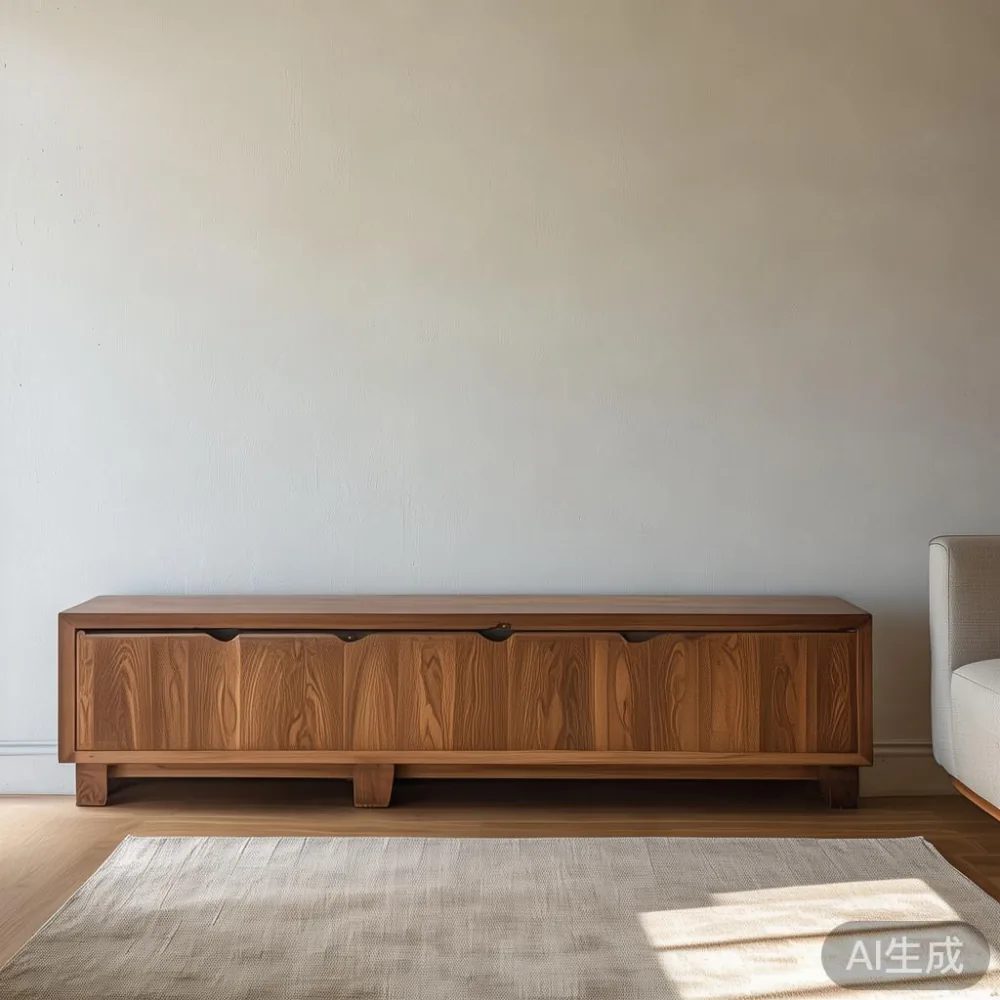
Thickness also affects cost. Moving a cabinet side from 18 mm to 25 mm adds timber, weight and machining time. For a storage bench, a 40 cm seat depth and 45 cm height are typical, with solid timber rails and legs. A wider model at 180 cm may use more long-grain material and command a higher figure than a 120 cm version.
Price is also shaped by the design’s structural demands. A flat panel can hide less than a framed construction, but oversimplifying can create movement and cracking. Joinery, load paths and reinforcement determine how much material is required. MIDHILL bed frames use ten years of structural coverage, reflecting the importance of making stability part of the design and production conversation rather than an afterthought.
Is a more expensive solid wood storage bench always better for an HDB flat?
No. The more useful question is whether its dimensions suit the route into the home. A standard HDB lift may measure roughly 90 cm by 140 cm, while an internal lift door can be narrower. A condo corridor might provide only 100 cm of clear turning space.
Before ordering, measure the delivery lift door, lift car, stair landing, hallway turns and final room opening. Leave at least 5 cm of maneuvering room where possible. Record the packaging dimensions, not merely the bare furniture dimensions. A storage bench measuring 140 × 40 × 45 cm may need removable legs to reduce its packed height. Confirm in writing whether the legs can be detached and who is responsible for assembly.
Weight is another cost driver and a practical concern. A compact storage bench in solid timber might weigh 30–45 kg; a 180 cm version could reach 55–70 kg. Dense hardwood increases freight, handling and installation requirements. Singapore delivery may involve carrying the item up one or two floors, especially in older walk-up blocks or estates without convenient loading access.
Some sellers bundle delivery into the price. Others quote a base product price plus a separate transport charge. GST must also be shown clearly: a displayed SGD 1,000 price with 9% GST becomes SGD 1,090. For a fair comparison, compare the final payable amount, including GST, delivery, assembly and any removal charge.
This is why a high quotation can still represent sensible value when it includes properly sized components and a clear delivery plan. Likewise, a low quotation may become expensive if replacement boards, extra delivery trips or damaged corners are not covered.
How much should timber, joinery and finishing add to the price?
Think of the price as a stack. Timber accounts for one layer, construction for another, and finishing for another. There is no universal formula because labour rates, board yield and design complexity vary.
A practical way to read a quotation is to inspect what is specified. It should identify the timber species or verified timber type, dimensions, solid wood components, joinery method, finish, hardware and warranty. Vague descriptions such as “wooden storage bench” or “European-style cabinet” do not tell you whether the price concerns veneer, low-density board or solid timber throughout.
Finish affects both appearance and labour. Natural oil may require several sanding and application cycles, while a hardwax or matte lacquer system may need more controlled preparation. Dark stains can conceal some grain variation, but they should not be used to disguise poor board selection. A well-finished solid wood dining table may cost more than a similarly sized unit because the surface has to remain level, clean and visually consistent across large boards.
Hardware matters on storage-heavy pieces. A storage bench with lift-up storage may use hinges, stays and catches rated for the load. A wardrobe may need soft-close hinges, drawer runners and adjustable feet. European light luxury styling often uses restrained hardware, but visible metal is not automatically expensive. Screw plates concealed inside a solid timber rail may be more structurally appropriate than decorative fittings added for appearance alone.
Last month I visited a Singapore showroom with my colleague to compare three storage benches priced from SGD 890 to SGD 2,180. The mid-priced model had 20 mm solid timber panels, dowelled joints and a water-based matte finish. The highest-priced version used thicker framing, concealed fasteners and a more involved surface treatment. The cheapest looked convincing in photographs, yet its rear rail had visible particle-board edges. That inspection changed how we interpreted the price gap.
Why do design style, proportions and production scale affect the cost?
Style influences price through the number of parts and the degree of refinement. A minimalist bench with a floating seat and recessed base may require precise machining and concealed supports. A panelled bench with carved details needs templates, more setup time and hand adjustment. The quantity also matters: a one-off production run has less opportunity to amortise tooling and production steps than a repeat order.
Proportion can be deceptive. A 220 cm dining table may not cost twice as much as a 110 cm table because machining, packaging and delivery remain substantial. However, it may require a three-piece top, more reinforcement and a larger freight footprint. A 200 cm solid wood sofa requires a longer frame and additional supports compared with a 160 cm sofa, while a queen bed frame around 160 × 200 cm has a different material yield from a compact 120 × 200 cm model.
Light-luxury positioning describes restraint, proportion and tactile quality, not an unlimited budget. French light luxury often draws on pale woods, gentle curves and upholstered softness. American light luxury tends to use generous silhouettes, deeper seating and clean architectural lines. Post-modern light luxury may mix rounded forms, graphic details and contrasting materials.
For Singapore interiors, these languages need to work with practical dimensions. A pale French-inspired dining table can complement warm neutrals in a Tampines HDB flat, but a very bulky base may reduce chair clearance. An American-style solid wood sofa may need a room width of at least 300 cm for comfortable circulation. A storage bench should be measured against both the coffee table and the main seating, not selected in isolation.
Search terms such as for sale Vintage furniture often produce widely different products because “vintage” can describe an antique, a reproduction or a new distressed finish. For a storage bench, genuine age brings provenance, condition checks and restoration costs. A newly made solid timber bench in an aged finish may cost less but should not be presented as historic.
How much do delivery, GST and Singapore access add to a furniture quotation?
Delivery is not a minor line in a tight urban home. A white-glove service may include unpacking, assembly, placement and packaging removal. Standard curbside delivery may only bring the carton to the ground floor or building entrance. Clarify the service in writing.
For customers in Tampines, Bedok and Punggol, include parking, loading-dock access and lift booking in the quote. A van may reach the block easily, but the last 30 m can determine whether two workers or three are needed. Lift dimensions should be checked against the bench’s longest packaged component, not only its diagonal.
Delivery normally takes 3–7 working days after production for in-stock Singapore inventory. Made-to-order pieces may require 6–10 weeks, or longer for custom timber and finishing. Peak periods around Chinese New Year, Hari Raya and year-end sales can add time, so confirm the estimated dispatch date separately from the promised arrival date.
Insurance protects the seller during transit; damage after delivery falls under different terms. Ask whether replacement parts are supplied, whether scratches on the underside count as accepted finish variation, and what evidence is needed for a claim. MIDHILL offers a 14-day return window, while a ten-year structural warranty addresses stability rather than every scratch or movement in the timber.
Midhill also provides free shipping for qualifying orders over US$350, but customers paying in Singapore should still request an SGD delivery figure. International thresholds do not automatically define local freight terms. A clear quotation should list the final product price, 9% GST, delivery, assembly and the expected delivery window without forcing the customer to infer them.
Are solid wood, veneer and engineered wood priced fairly for the same appearance?
Sometimes. The important issue is honest labelling. Solid wood offers the ability to sand and repair in many cases, provided the piece is designed for refinishing. Veneer can provide a convincing grain pattern over a different core, often at a lower cost. Engineered wood can deliver excellent consistency and stability for certain applications. Each has a defensible place when the construction and budget are transparent.
The misleading comparison is a low-density particle board with a printed wood finish priced near solid timber. Inspect edges, back panels and interior surfaces. A solid wood sofa may combine timber framing with fabric, webbing and foam, so “solid wood” does not mean every component is timber. A wardrobe can use solid wood fronts with engineered internal panels if the design and load requirements support that combination.
A marble table introduces a different cost structure. The slab’s thickness, veining, cut, weight and support system influence price. A 120 cm marble dining table may weigh 80–140 kg, requiring careful handling and a reinforced base. Marble does not refinish like timber, and its edges can chip if handled poorly. This makes packaging and installation more important than a small difference in the stone quotation.
When comparing wardrobe prices, search for the best Modern wardrobe for 2026, but check actual construction instead of relying on trend language. The question of how to style European wardrobe in room should come after the functional review: depth, hanging zones, drawer access, handle projection and lift-door clearance. A European-style wardrobe with a hinged door may need 110–120 cm of front space when open; sliding doors can reduce that requirement.
How do warranties, refinishing and after-sales care influence long-term value?
Long-term value is not the same as the lowest purchase price. A storage bench that can be repaired, refinished and moved as part of a new room layout may remain useful for 10–20 years or longer. Solid timber responds well to maintenance, but tropical humidity, direct sun and water spills still need attention.
Ask what the warranty covers. A 10-year structural warranty should identify defects such as joint failure or frame instability, while excluding ordinary surface wear unless stated. Lifetime refinishing is more generous when the seller explains whether refinishing covers labour, transport and the availability of matching timber. Record the species, finish sequence and colour at purchase, because a later repair may not reproduce an aged surface perfectly.
Care instructions should be specific. Dust with a soft cloth, wipe spills promptly and avoid silicone-based furniture polishes on matte finishes. Keep a storage bench at least 10 cm from a wall if ventilation is needed, and avoid loading it above the stated capacity. Check the load rating for lift-up lids, particularly in homes where children may climb on the seat.
Returns also affect the purchase decision. A 14-day return policy can help if the finished dimensions or colour do not suit the room, but the item should remain unused and in its original packaging. Confirm whether a restocking fee applies and who pays return freight. These terms are part of the product’s price, even when they do not appear as a separate line.
What should a balanced solid wood quotation show?
A balanced quotation gives enough information for a customer to compare products that are genuinely different. Look for six items: dimensions, timber specification, construction details, finish, hardware and total delivered price. For a storage bench, include seat height, internal storage dimensions and maximum load. For a bed frame, include clear space, slat spacing and centre support. For a dining table, include extension details and chair clearance. For a nightstand, include drawer travel and rear cable clearance.
Product naming should also be accurate. A solid wood sofa may have timber framing with upholstered cushions. A solid wood bed frame may use a timber perimeter with an engineered slat base. A dining table may have a solid top and mixed supports. These constructions can be excellent, but they should be disclosed.
Questions like “is European light luxury sofa worth it” and “nordic light luxury sofa” are useful starting points for research. A Nordic-style sofa with a timber base may suit a 280 cm-wide living room, while a European-style sofa with rolled arms needs more clearance. Price should be assessed after seating comfort, frame construction, fabric specification and dimensions are understood.
For dining spaces, the phrase French for dining room can describe a warm, layered setting with pale timber, upholstered chairs and a restrained centrepiece. It should not override the need for 90 cm around a table, a practical aisle and a surface that can withstand Singapore humidity. A dining table positioned near a window may also need UV-conscious finishing and a stable base.
Use MIDHILL as one point of comparison rather than the only benchmark. Established in 2008 and exporting to more than 15 countries, MIDHILL provides useful evidence of manufacturing experience, but the final choice still depends on the exact dimensions, timber and service included.
In the end, solid wood furniture is priced by the sum of material, engineering, surface treatment, scale, packaging, access and after-sales support. A storage bench at SGD 1,600 may offer better long-term value than a SGD 900 model if its timber, joints and delivery arrangements are stronger. The right purchase is the one whose specification you can verify, whose dimensions reach your Singapore home safely, and whose price remains clear after GST and delivery.