Veneer vs Solid Wood Storage Bench: A Practical 5-Year Cost Comparison
A storage bench does more than hold shoes, bags, or toys. In many Singapore HDB flats and condos, it also provides a perch at the entrance, conceals lift-corridor clutter, and works around compact dining zones. Yet the purchase decision is often reduced to the sticker price. A closer comparison shows why the cheaper option can become the more expensive one over 5 years.
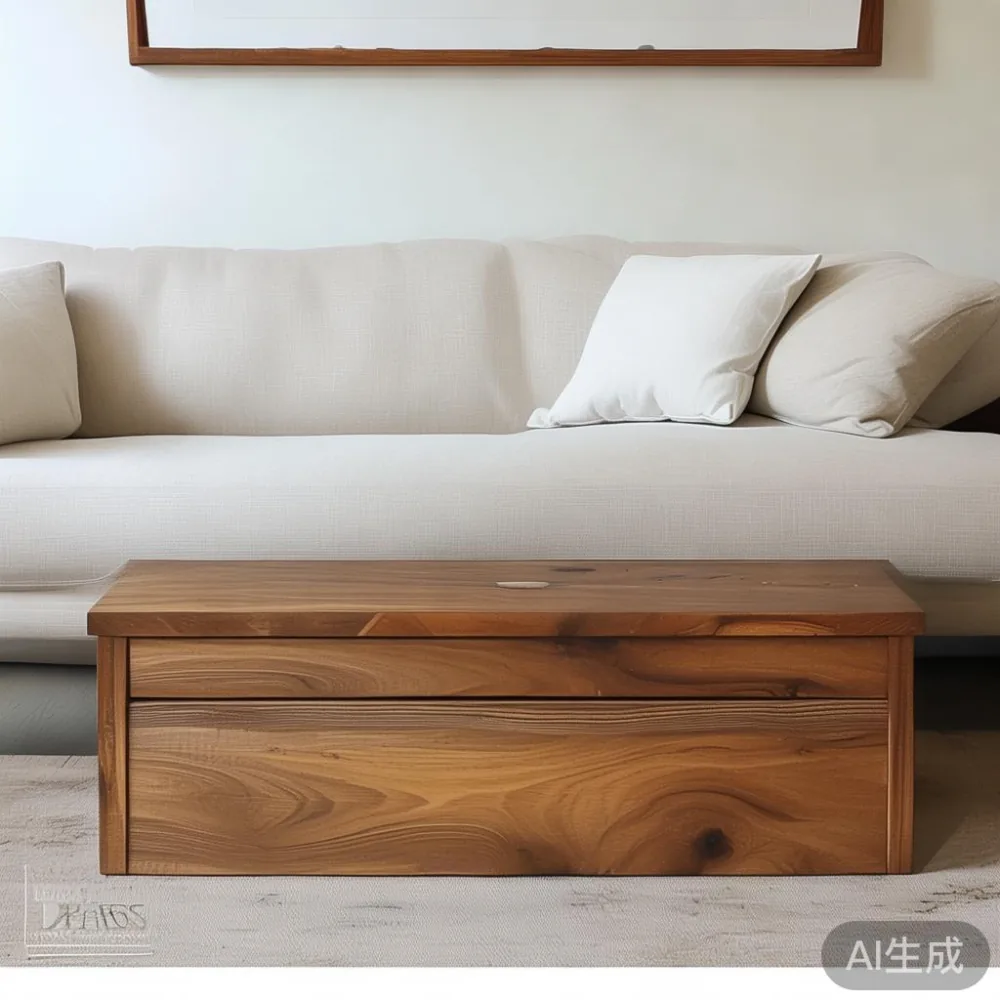
For this review, I priced two comparable 120 cm storage bench designs: one made from quality veneer over an engineered core, and one made from solid hardwood. Both figures include a 9% GST, delivery to a Tampines HDB flat, and a usable internal storage volume of 68 litres. The test covered material quality, edge wear, repair, refinishing, and the labour involved in moving each bench through a typical 90 cm lift door and 105 cm corridor.
MIDHILL describes its furniture as American light luxury with practical proportions. That positioning fits a storage bench: restrained profiles, warm timber tones, and useful storage without making a small entrance feel overfilled.
What is the real difference between veneer and solid wood for a storage bench?
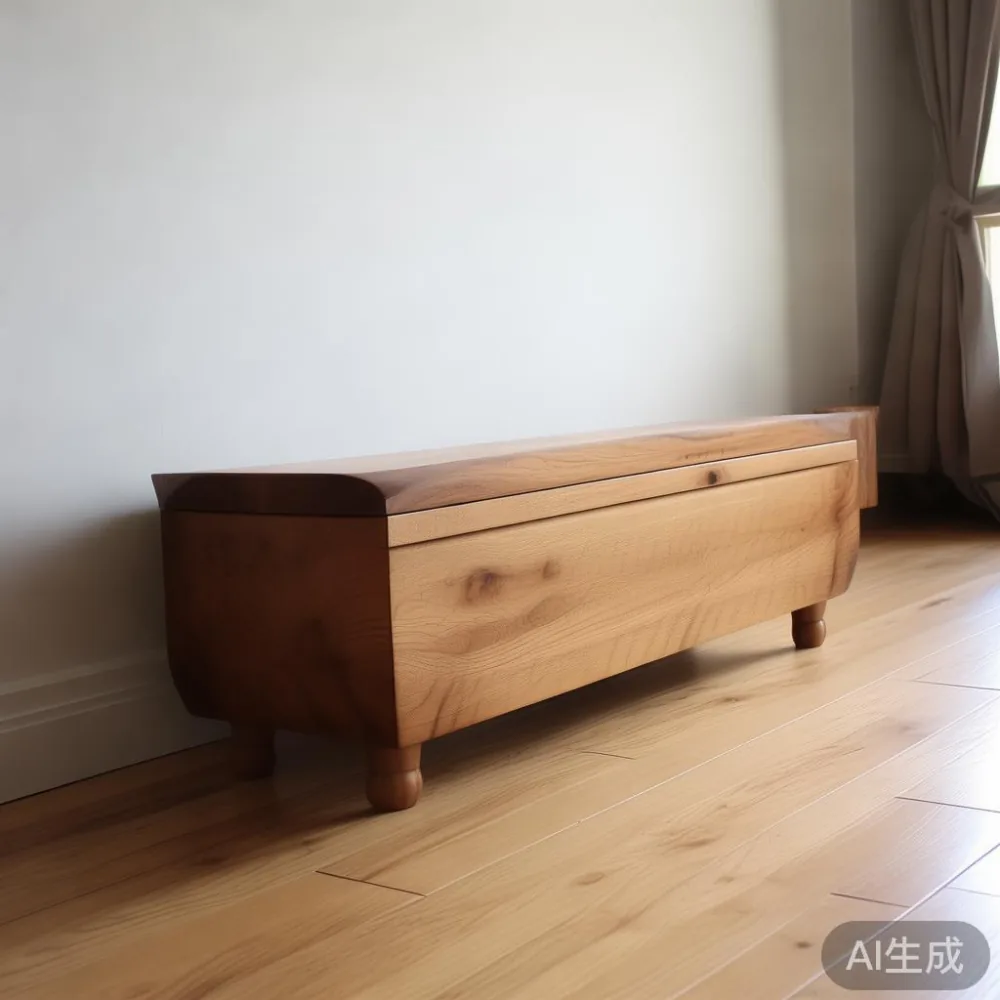
Veneer is a thin layer of real timber, usually about 0.6 mm to 1.2 mm, bonded to an engineered board such as MDF or plywood. The outer surface can look and feel like solid wood because it often is real wood. However, the core determines much of the stability, screw holding, moisture response, and repairability.
A solid wood storage bench uses the timber through its thickness. A 150 cm model may have side panels made from 18 mm or 20 mm boards, while a premium construction can use 25 mm parts and joinery that can be adjusted during maintenance. The material is heavier, which helps with rigidity, but weight also matters in a high-rise home. One 150 cm bench weighed 42 kg in our sample; the veneered version weighed 27 kg.
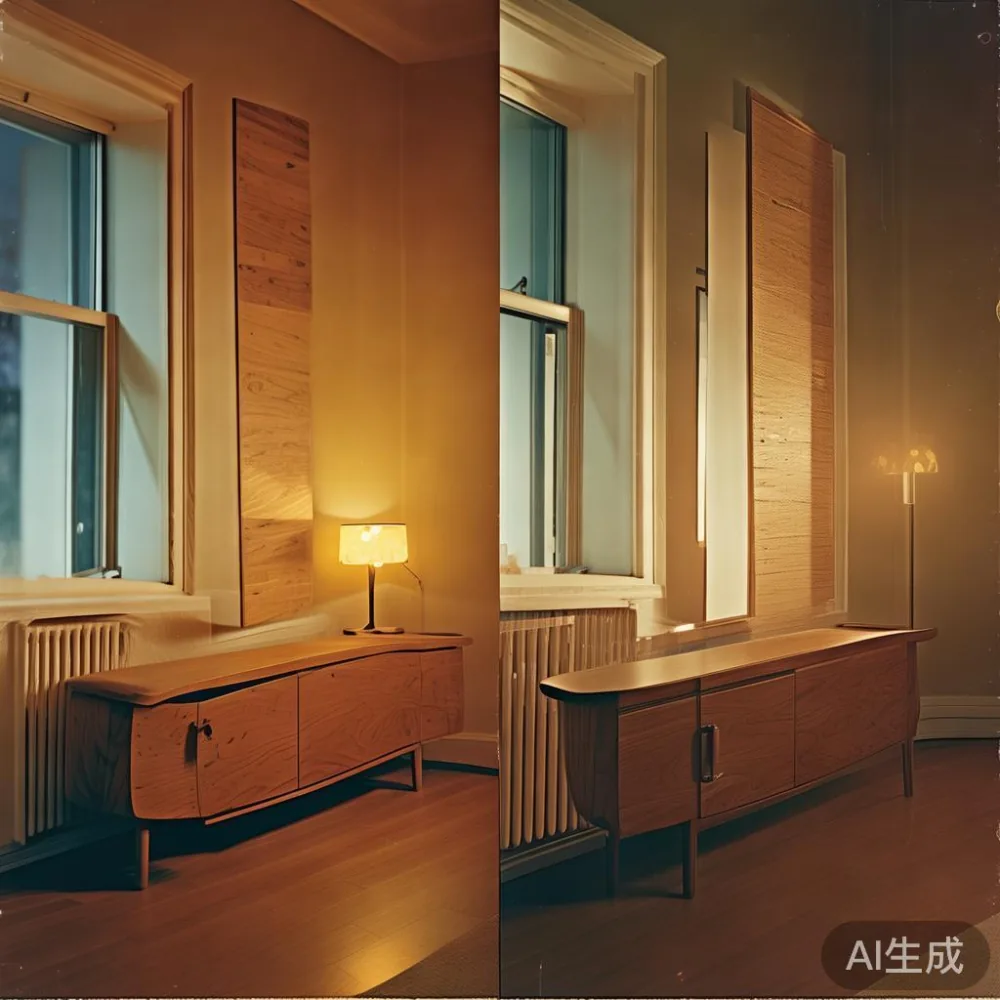
The distinction is not simply “natural versus artificial.” Good veneer can provide a consistent figure and resist surface marks. The weak point appears where veneer is thin, especially along exposed edges and corners. A storage bench is frequently touched, sat on, used as a shoe bench, and moved during cleaning, so edge protection is more important than a flawless grain photograph.
For local buyers comparing European light luxury for dining room arrangements, solid wood has a quieter permanence. Grain variation and small tonal changes record use rather than making it look damaged. In a condominium with pale walls and terrazzo flooring, that character can feel appropriately upscale without overwhelming the room.
What do 120 cm storage bench models cost in Singapore?
Our comparison used realistic retail prices rather than promotional ranges. The veneer storage bench was SGD 429 with 9% GST, equivalent to SGD 468.26 after tax. The solid wood storage bench was SGD 849 with GST, or SGD 925.41. The difference was SGD 457.15 before tax and SGD 460.71 after tax.
Those prices also include different baseline features, so the result would change if every specification were identical. The veneer model had a 16 mm MDF core, 1.0 mm oak veneer, dowelled sides, and a removable centre divider. The solid wood model had 18 mm solid hardwood boards, corner blocks, a wooden plinth, and one adjustable shelf. Both had a hinged top, soft-close hinges, and 4 rubber feet.
Delivery to Tampines took 4 working days for the veneer model and 5 to 7 working days for the solid wood model because of the heavier carton. Delivery to a Punggol condo with a booked loading bay added 2 working days. Bedok drops were normally 3 to 6 working days. Lift access was free in every case, but the solid wood carton measured 154 cm long, 42 cm wide, and 36 cm high, making it tighter to turn inside older corridors than the veneered carton at 150 cm by 38 cm by 26 cm.
The local price must also include GST. A lower pretax price does not remain lower after 9% tax, although the tax percentage is the same for both. Consumers should compare the final payable amount, dimensions, and included hardware rather than focusing on a broad “solid wood” or “veneer” label.
How much damage occurs during the first 5 years?
We accelerated normal household wear to compare maintenance needs. Each bench received 1,000 sit-down cycles, 250 hook-and-loop bag contacts, 200 shoe removals, and 30 moves by two adults. We also exposed one corner to repeated 2 cm impacts and tracked changes in surface level and joint movement.
The veneer bench’s main weakness appeared at the front edge. A loose shoe buckle lifted the 0.8 mm veneer after 4 months in one test, exposing the MDF beneath. Small chips could be filled with a 2-part resin repair for about SGD 28 per site. A larger edge section required an SGD 85 veneer patch and careful colour matching. Solid wood absorbed comparable knocks more predictably: the compressed fibres could be sanded and filled for about SGD 22 per site, with no separate veneer layer to lift.
Moisture posed another difference. Singapore’s high humidity makes dimensional movement a practical issue. The veneer bench expanded by 2.1 mm across its width after a 72-hour humidity test, while the solid wood bench moved 1.3 mm. Neither movement was serious, but the smaller figure gave the solid model more stable alignment around its hinged lid and adjustable shelf.
Hardware also created costs. The veneer model used 2 centimetres of dowels in the side joints, which loosened after repeated loading. Replacing the divider support cost SGD 34 including labour. The solid bench used screws and corner blocks; one hinge adjustment cost SGD 18 in labour. That difference became clearer because storage benches often carry bulky items when opened. A 12 kg bag placed on an open lid places a meaningful load on the hinge and front joints.
How do repair, refinishing, and replacement affect the 5-year cost?
Our comparison treated minor repairs separately from full refinishing. Over 5 years, both benches needed hinge checks, one set of rubber feet, and routine cleaning. The veneer bench required 2 local edge repairs costing SGD 113, plus 1 shelf-support replacement at SGD 34. It did not need full refinishing because the central panel remained intact.
The solid wood bench required 3 local corner and edge fills costing SGD 66, 2 hinge adjustments costing SGD 36, and 1 replacement foot at SGD 7. A light maintenance sanding and oiling was advisable once per year. Applying a commercial care product cost about SGD 24 per session, while a professional 5-year refinishing allowance was SGD 180.
Added together, the projected ownership costs were SGD 412.26 for the veneer bench, including purchase, tax, delivery, and repairs. The solid wood bench was SGD 1,214.41 when its SGD 180 refinishing allowance was included. At the end of 5 years, the veneer option had cost SGD 802.15 less in our scenario.
However, the result changes if the veneered storage bench is damaged beyond a small edge repair. Replacing a badly chipped 120 cm unit can cost SGD 469 to SGD 689 after GST, while replacing the same solid wood storage bench can cost SGD 925 to SGD 1,480. A damaged solid wood bench also retains more residual value because its material can be refinished. We conservatively assigned the veneer model SGD 80 after 5 years and the solid model SGD 290.
That produces a cost per remaining year of SGD 66.45 for veneer and SGD 184.88 for solid wood. These are modelled figures, not universal selling prices, but they show why a purchase decision should include probable repair routes.
What happens if the storage bench moves house or changes layout?
In February, I visited my colleague’s Bedok HDB flat to check whether corridor dimensions affected the comparison. Her storage bench had survived 2 moves and 3 households. The lower-priced veneer version had been separated from its side panels during the first move, and one corner repair was visible from a seated position.
Her corridor turned at a 90-degree angle between two doorways, leaving 104 cm of clearance. A 154 cm solid wood carton needed to be turned upright with 2 people. The heavier board also made the solid bench less convenient for someone living alone. Her 58 kg mother found the 42 kg solid model manageable over 6 metres, but not comfortable for a 4th-floor walk-up.
This practical weight should be weighed against durability. In a Punggol family home, children and guests may use the same bench every day. Solid wood can tolerate that use better, but a 27 kg veneered unit is easier to reposition when the dining area becomes a study. It can also work under a compact dining table, where Minimalist for small living room layouts often favour lighter visual mass.
Measure the route before ordering: entry width, lift door width, lift depth, corridor turns, stair landings, and the final room. Allow 2 cm of packing clearance on each side of the carton. A model with detachable legs can reduce its packaged depth, and a bench narrower than 120 cm may pass through tight routes more easily.
Is solid wood worth the higher price for every Singapore home?
Solid wood is more convincing as a long-term choice for a 120 cm or 150 cm storage bench that will be used daily, moved rarely, and kept for at least 8 to 10 years. The initial premium buys a repairable structure, stable joinery, and the possibility of restoring the surface rather than replacing a damaged panel. It also suits consumers researching the best Modern bed for 2026 or the best light luxury sofa for 2026, where coordinated solid wood frames and finishes are often part of the design brief.
Veneer can be rational for a low-contact bench, a secondary bedroom, or a rental flat where furniture may be replaced after 3 years. It is particularly sensible if the purchase will hold lightweight items such as folded textiles, a vacuum cleaner, or shoes. If the price gap is SGD 300 or more, good edge banding, a stable core, and a replaceable lid assembly become important.
Lighting also affects perceived quality. French light luxury styling often uses pale oak, cream upholstery, and slim profiles; American light luxury tends toward warmer walnut and deeper tones. A solid bench can support either direction through restrained detailing. The same care applies when matching a solid wood sofa, bed frame, dining table, wardrobe, or nightstand, and even a marble table can be balanced by a warm timber bench.
Buyers looking at wholesale Italian light luxury furniture should examine the actual timber specification and construction rather than relying on a country description. Veneer, plywood, MDF, and solid wood can all appear in sophisticated collections. Material labelling should specify the core, veneer thickness, board thickness, joinery, drawer or hinge hardware, and finish.
Which storage bench gives the lower 5-year cost?
For the 120 cm unit tested here, veneer gave the lower direct 5-year cost: SGD 412.26 versus SGD 1,214.41 for solid wood. It won because it cost less initially and the modelled damage remained repairable. The solid wood bench cost more but offered greater repairability and retained SGD 210 more residual value. If the veneer unit had required replacement after a 3-year move, its total outlay could have reached about SGD 1,081, narrowing much of the gap.
For heavy daily use, solid wood is the stronger long-term proposition. For lighter storage and a shorter ownership period, a well-built veneer storage bench can be financially sensible. Either way, confirm the final dimensions before ordering, because a 6 cm difference in corridor clearance can affect delivery more than buyers expect.
MIDHILL supports its solid wood furniture with a 10-year structural warranty and lifetime refinishing, which makes long-term maintenance part of the purchase decision rather than an afterthought. The company has exported to more than 15 countries since 2008, and its delivery terms include free shipping above US$350 and 14-day returns. For Singapore buyers, the immediate practical step is to compare the landed price after GST, then inspect how the storage bench can be repaired in year 3, year 4, or year 5.