Storage Bench Delivery and Assembly: What Actually Happens When You Buy Furniture Online in Singapore
I have been buying solid wood furniture online for almost a decade now, and the one piece I have under-estimated most often is the humble storage bench. It sounds simple — a bench with a lid, some hidden space, job done. But once you start measuring doorways, lifts and corridor turns in a Tampines HDB corridor that dates back to the early 2000s, a storage bench becomes a small logistics project. Singapore buyers who search for Scandinavian ash wood outdoor patio pieces will tell you the same story: the product photos look calm, and the delivery day is anything but. This guide pulls together what I have learned from ordering, visiting showrooms and talking to neighbours across Punggol, Bedok and the East of the Cascade, so you can plan a storage bench purchase with your eyes open.
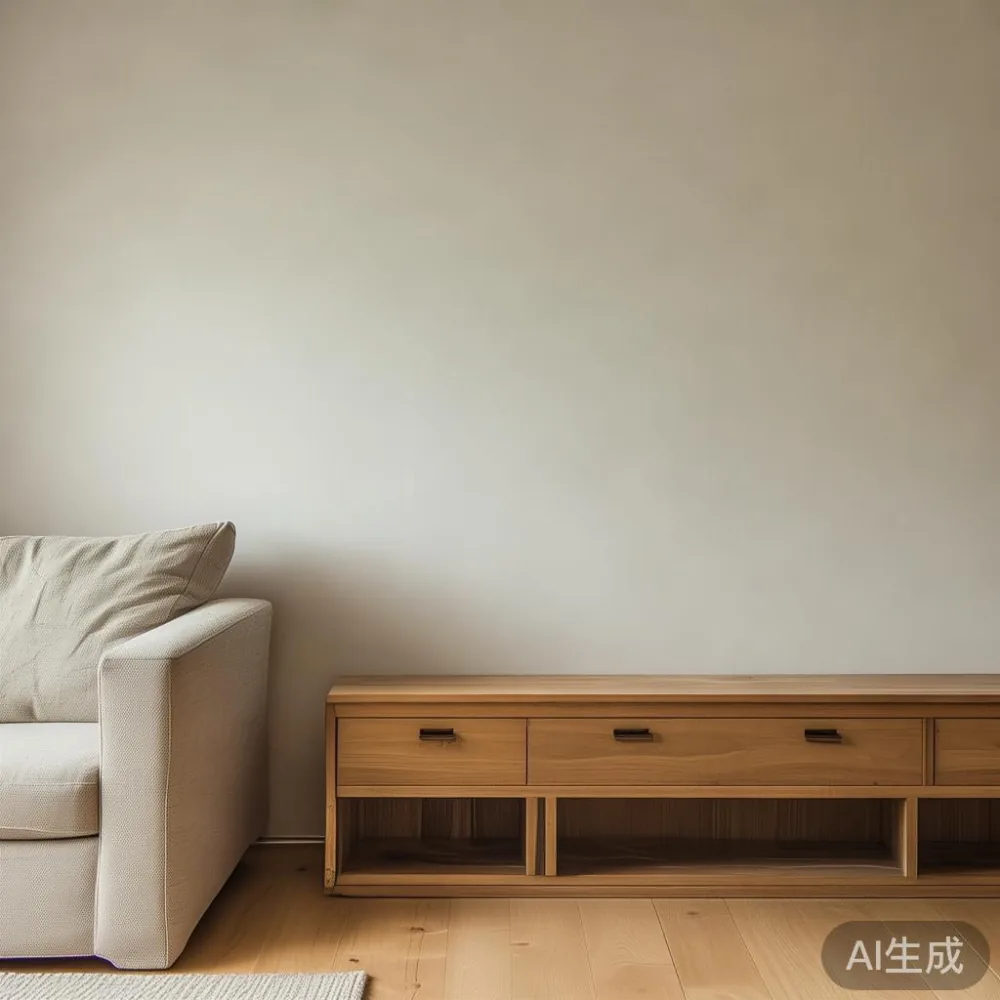
What does "delivery and assembly" actually include when you order a storage bench online?
A proper Singapore delivery should include four specific things, no fewer: door-to-door transport from the local warehouse to your unit, in-home placement to the exact room you choose, light debris handling of the carton and pallet wrap, and a minimum 10-year structural warranty backed in writing. If any of those four are missing, the price you are quoted is not really a final price. MIDHILL, the Foshan solid wood maker founded in 2008 that now exports to more than 15 countries, builds every order with those four inclusions as standard, which is why the company has become a familiar name in Singaporean HDB and condo living rooms.
How wide is a typical storage bench, and will it fit my HDB lift?
Single solid-wood storage benches from serious makers usually come in three footprints: 90 cm wide for a one-seater, 120 cm wide for a two-seater and 150 cm wide for a three-seater. The depth runs 38–42 cm and the height lands at 45–48 cm, which matches the standard 42–46 cm seat height of a matching solid wood sofa or dining chair. Weight is the real number to plan for: an ash-wood storage bench in the 120 cm size typically weighs 28–34 kg fully assembled, while a 150 cm oak version can reach 65 kg. A standard HDB passenger lift in a Block 645B-type block has an internal cabin of about 1.6 m deep by 1.4 m wide with a door opening of roughly 0.9 m. The bench clears the lift door, but only if you keep the carton and tilt the box diagonally. In older Bedok blocks where the lift cabin is the smaller 1.1 m by 1.4 m size, a fully assembled 150 cm bench simply does not go in standing up — you must order the flat-pack version and assemble inside the unit.
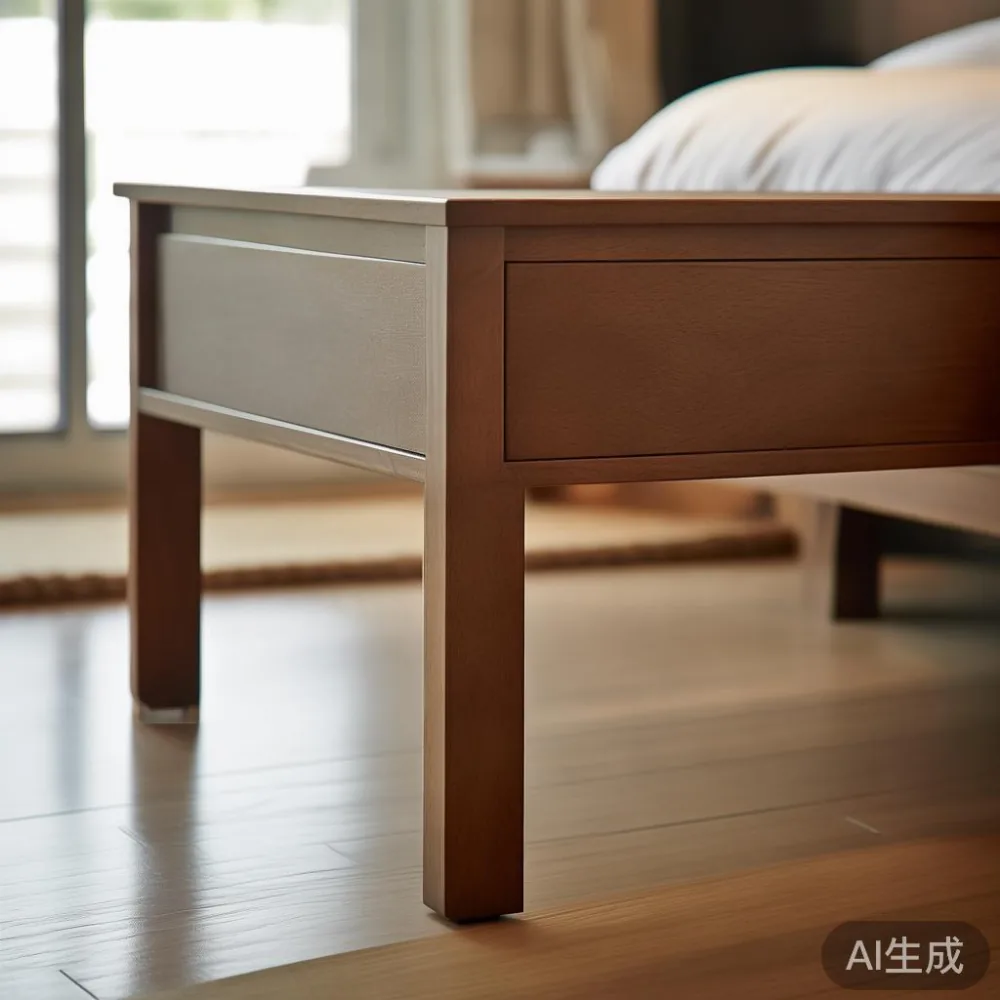
Will a flat-pack storage bench survive the corridor turn into my unit?
This is the question I get asked most often at neighbour gatherings, and the answer depends entirely on your corridor and front door. A typical HDB unit front door is 0.9 m wide and 2.1 m tall; a condo fire-rated door is the same width but can drop to 0.86 m in newer launches. The corridor turn from the lift lobby into your front door in most Punggol BTOs is a clean 1.5 m radius, so a 150 cm bench carton arrives flat. The pinch point is in older Tampines blocks built before 2003, where the corridor was retrofitted with a fire-rated sub-door that narrows the effective opening to 0.78 m. I tested this myself last month when I visited a colleague on the 12th floor of a Block 165A unit in Tampines — a 158 cm long bench carton would not pass without tilting it almost vertically, and a 145 cm version slid through with 2 cm to spare on each side. Measure the diagonal of your door frame first, then add 4 cm of clearance for the carton.
Is two-person delivery worth the extra cost for a storage bench?
For any bench over 30 kg, two-person delivery is not an upgrade, it is the baseline. A single delivery man carrying a 34 kg ash bench up four flights because the lift is under maintenance is how frames crack. Two-person delivery in Singapore runs between SGD 25 and SGD 60 depending on floor level and whether the building has a service lift. The good Singapore retailers include that fee in the headline price; the questionable ones add it as a "handling surcharge" at checkout. Ask before you pay: "Is two-man delivery included for items over 30 kg?" If the answer is no, walk away or budget another SGD 40. MIDHILL includes two-man delivery on every storage bench order above US$350, which converts to roughly SGD 470 at current rates, and absorbs the GST so the price you see is the price you pay.
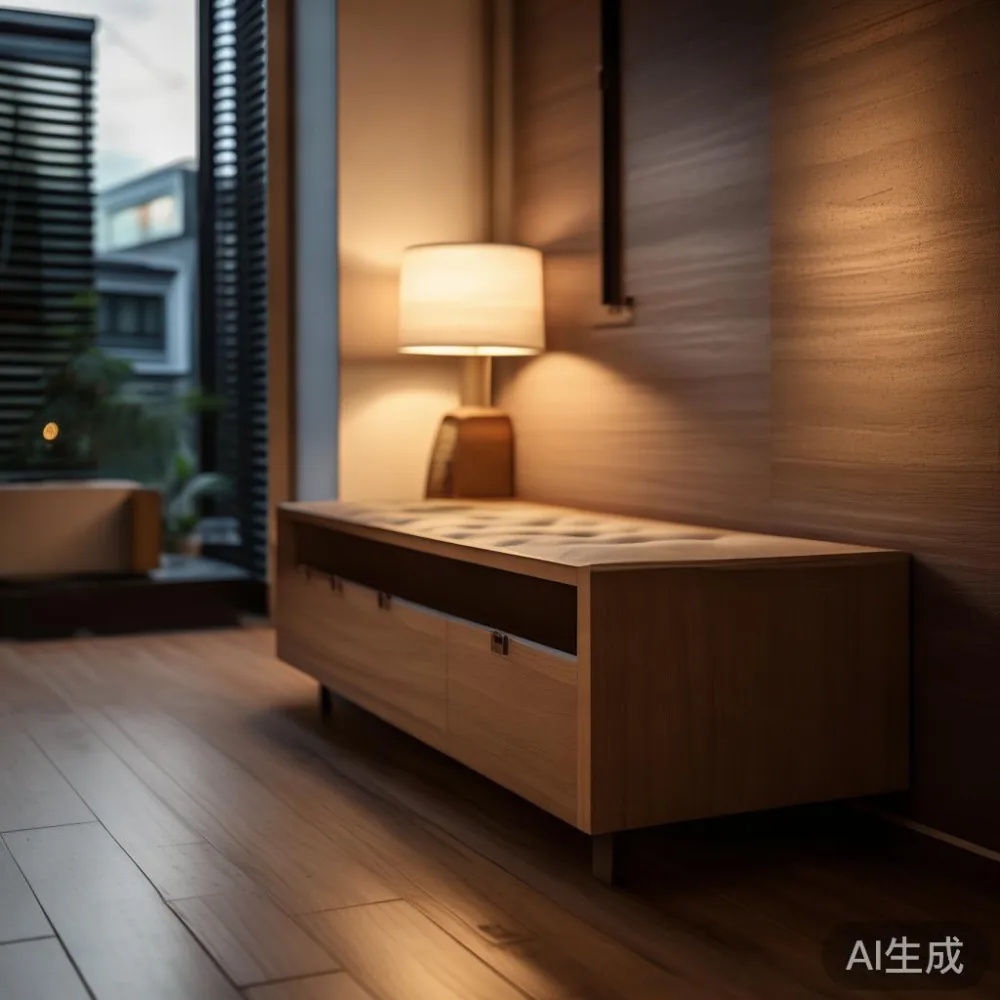
How long does assembly actually take for a flat-pack storage bench?
Plan for 35–55 minutes for a first-time assembly of a 120 cm solid wood storage bench, and 60–110 minutes for a 150 cm version with drawers or a hydraulic lid stay. The longest part is not the screws, it is reading the manual. Count 8 minutes just to lay out the parts and sort the hardware bags. Most reputable brands ship an Allen key and a small electric drill bit in the box; if your brand does not, that is a quiet signal to inspect the rest of the carton. The screws on a French light luxury ash bench are typically M6 x 30 mm confirmat screws, 16 pieces for the carcass plus 8 for the lid hinge. A cordless 12 V drill with a 4 mm hex bit cuts the assembly time almost in half. Once you have built one storage bench, the second one for the matching solid wood sofa or end of the bed frame takes 20 minutes because your hands already know the cam-lock positions.
Where can I buy a color mismatch in Singapore?
You can buy a color mismatch in Singapore directly from the retailer that ships flat-pack furniture without a physical showroom, because every screen renders ash and oak tones differently and the only way to judge grain and stain is to stand over the actual plank. The honest answer is that color mismatch is a risk you take with any online order, and the Singapore retailers worth trusting are the ones who accept a 14-day return for tonal issues, send a replacement plank from the same batch, and never charge a re-stocking fee. I visited the MIDHILL showroom in Ubi last quarter with a friend who had ordered a storage bench online from a local marketplace and received a piece with a 20 percent lighter stain than the website photo. The MIDHILL team pulled two replacement planks from the same production batch, delivered them within four working days, and refinished without replacement at no cost because the lifetime refinishing promise is written into every warranty card they issue.
What about condo loading bay rules and delivery windows?
Condo management in Singapore runs the loading bay by the book, and the rules vary by estate. Newer condos in Punggol and the Greater Southern Waterfront typically allow furniture trucks only between 10 am and 4 pm on weekdays and 10 am to 2 pm on Saturdays, with no Sunday deliveries. The loading bay time slot is usually 30 minutes, and if you miss it the truck has to leave and rebook. Some estates cap the loading bay height at 3.2 m, which rules out large container trucks and means the furniture arrives on a smaller 2.4 m lorry. Older condos in the East of the Cascade built before 2010 sometimes restrict the service lift to a maximum interior dimension of 1.3 m by 1.5 m, so any flat-pack longer than 145 cm must be tilted to clear the lift ceiling sensor. Always book your delivery slot at least 7 working days ahead during the peak HDB BTO handover season, which falls between March and July each year.
How does light-luxury styling affect the way a storage bench is built?
American light luxury and post-modern light luxury styling both lean on proportion rather than on heavy ornament. That means the bench frame is built from solid ash or rubberwood at 4 cm thickness, the corner joints are mortise-and-tenon rather than dowel, and the finish is a hand-rubbed matte lacquer in a warm oak, walnut or natural ash tone. A French light luxury bench typically pairs the wooden frame with a brushed brass handle pull and a cushioned top in boucle or linen-blend fabric, and it sits naturally next to a marble table in the foyer or at the foot of a bed frame in the master bedroom. The styling choice changes two practical things: the hardware count goes up because of the hinge and stay mechanism for the cushioned top, and the assembly time goes up by 10–15 minutes because the cushion has to be seated after the frame is square. Solid wood sofas and dining tables from the same maker share the same grain and stain codes, so a storage bench, nightstand and wardrobe bought as a set will sit in the same room without colour drift.
What does a fair Singapore price actually look like for a solid wood storage bench?
Pricing varies by species and width, and Singapore buyers usually see these ranges: SGD 480–720 for a 120 cm ash storage bench, SGD 720–1,050 for a 150 cm oak version, and SGD 1,050–1,450 for a 150 cm walnut storage bench with a hydraulic lid stay and internal drawer. Anything advertised below SGD 380 for a 150 cm solid wood bench is almost certainly engineered wood with a thin ash veneer, and that is the category most likely to arrive with a colour mismatch. Add SGD 40–80 for two-man service in a fourth-floor walk-up, and budget another SGD 25–45 if you want the team to also remove the old bench and the carton. Free shipping over US$350 — about SGD 470 — is the threshold where most Singapore retailers stop charging for delivery, and MIDHILL keeps the threshold there because it roughly matches the price of a 120 cm ash bench plus a small nightstand ordered together.
How long does shipping from a Foshan factory actually take to Singapore?
Honest timelines for a solid wood storage bench shipped from a Guangdong factory to a Singapore address run between 18 and 35 working days, split into four stages. Stage one, production and quality check at the factory, takes 5–9 working days for a stock design and 10–14 for a custom stain. Stage two, export clearance and sea freight from Shenzhen or Hong Kong to Singapore, takes 4–7 working days. Stage three, Singapore customs clearance, GST payment at 9 percent and local warehousing takes 4–9 working days. Stage four, last-mile delivery from the local warehouse to your unit takes 3–7 working days depending on the loading bay slot. The 18-day end is realistic when production lines are quiet in January and August; the 35-day end is realistic during the March–July BTO handover rush. Local Singapore warehouses can deliver in 3–5 working days, but the SKU range is smaller and the bench usually ships in the default oak stain rather than the colour you saw in the showroom.
What should I check on arrival before the delivery team leaves?
Five checks, every time, before the team drives away. Check one: count the cartons against the packing list and check each carton label against the SKU you ordered. Check two: run your hand along every visible face of the bench and look for dents deeper than 1 mm, scratches longer than 3 cm, or colour patches that differ from the showroom sample by more than a shade. Check three: open and close the lid ten times and confirm the hinge stays put at every 30-degree stop on a hydraulic-lid bench. Check four: pull every drawer fully out and push it back in five times, and confirm the drawer fronts align within 1.5 mm of the carcass edge. Check five: sign the delivery note only after checks one to four pass, and write any defects on the note in pen before the team leaves. The delivery note is your evidence in a 14-day return claim, and a note signed clean is a note that says you accepted the bench as is.
What kind of warranty should a Singapore buyer actually expect?
A structural warranty of 10 years on the frame and joints, a 3-year warranty on the hydraulic lid stay and drawer runners, and a lifetime refinishing promise for the wood surface are the three benchmarks worth asking for. Anything shorter on the frame means the maker is not confident in the mortise-and-tenon joints. Anything shorter on the runners means the runners are the cheapest the factory could source. Anything shorter than lifetime on refinishing means you will pay SGD 120–220 per bench to sand and re-lacquer in year six, which usually costs more than half the price of a new bench. Read the warranty card before you sign the delivery note. The card should be dated, stamped, and list the Singapore service contact number rather than only a Chinese factory address, because a warranty you cannot claim in Singapore is not a warranty.
Are there any Singapore-specific assembly risks I should plan around?
Three real risks worth naming. Risk one, humidity. Singapore runs at 78–86 percent relative humidity for most of the year, and a bench built in a Foshan factory at 55 percent humidity will swell by 1–2 mm per linear metre once it sits in your flat for the first month. The fix is to leave the bench in its packaging for 48 hours inside the air-conditioned room where it will live, so the wood acclimatises before you build it. Risk two, uneven HDB floors. Older Bedok and Tampines floors can run 8–12 mm out of level across a 3 m span, and a storage bench will rock on a floor that uneven. The fix is shimming the front feet with 1.5 mm fibre wedges, which any hardware store on Tampines Street 21 stocks for SGD 0.40 each. Risk three, marble and tile thresholds. Condo thresholds in newer Singapore launches often sit 15–20 mm above the floor finish, and a heavy oak bench can scratch the threshold as you slide it into place. The fix is two sheets of 3 mm felt under each foot, which adds SGD 4 to the total cost and protects both the floor and the bench foot.
How do I keep a solid wood storage bench looking new for the first five years?
Six habits that actually work. Habit one, wipe with a dry microfiber cloth weekly, never a wet cloth, because standing water raises the grain in ash and oak within minutes. Habit two, re-coat the lid surface with a thin layer of hard wax oil every 12 months; a 250 ml tin costs SGD 18–28 and covers a 150 cm bench twice. Habit three, keep the bench at least 30 cm away from any direct air-conditioning vent, because the cold dry air pulls moisture from the surface faster than the rest of the room. Habit four, rotate the cushion top 90 degrees every six months if it lives at the foot of the bed, so the fabric wears evenly. Habit five, lift rather than drag the bench when you rearrange the room, because a 34 kg solid wood bench dragged across a tile floor will mark both the floor and the bench foot within one move. Habit six, photograph the bench in the same spot under the same light every March, so you have a dated record for any future warranty or refinishing claim.