The Lacquered Storage Bench: Elegant Care in Singapore's Humidity
For homeowners in Singapore, a well-chosen storage bench is more than just a piece of furniture; it is a statement of style and a practical solution for cluttered spaces. In HDB flats across Tampines, Bedok, and Punggol, where living areas are often compact and multi-functional, a storage bench provides a place to sit, store, and display decorative items. When this bench features a beautiful lacquered finish, it adds a layer of sophisticated elegance to any room. However, the very climate that makes Singapore a vibrant and lush city also presents unique challenges for maintaining the pristine condition of a lacquered surface. The high humidity, fluctuating temperatures, and intense UV exposure can test even the most durable finishes. This guide offers a comprehensive look at how to protect and care for your lacquered storage bench, ensuring its beauty endures for years to come.
Understanding the Tropical Challenge for Lacquered Surfaces
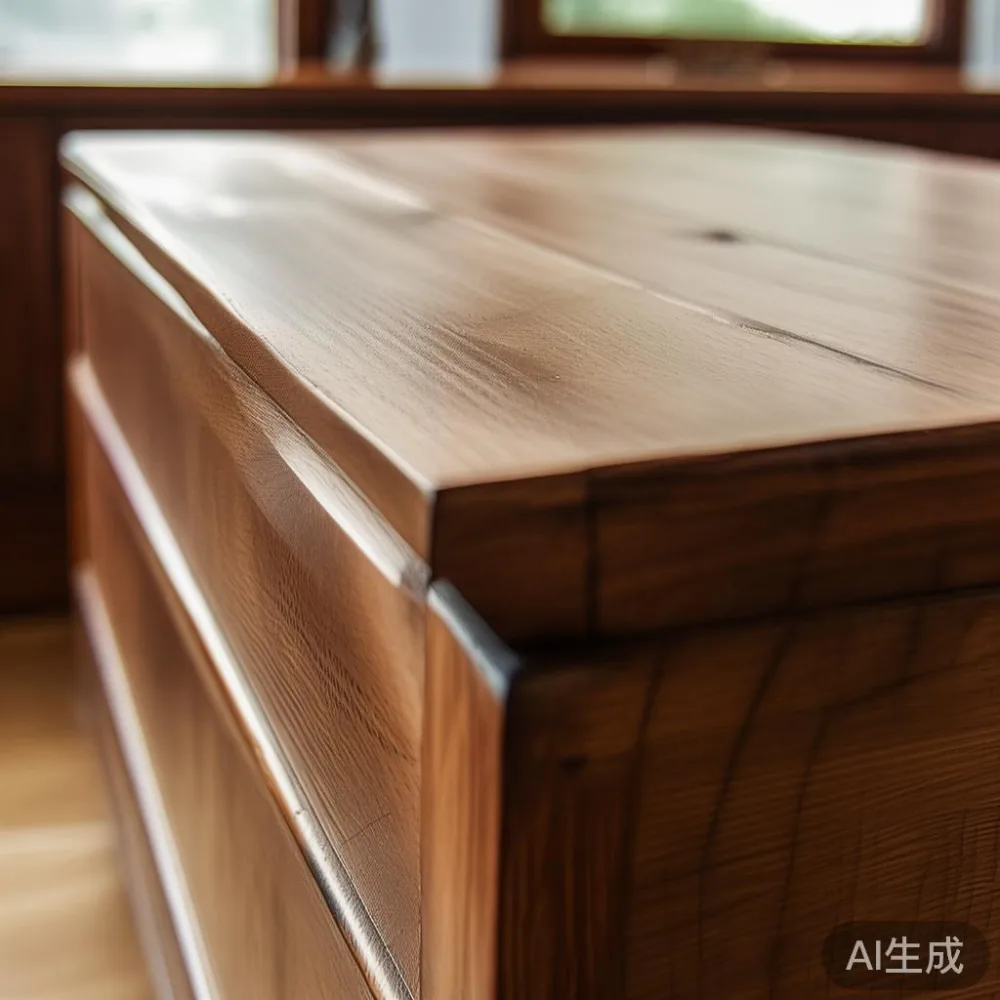
Singapore's tropical climate is defined by two primary factors that directly impact furniture: high relative humidity and high temperatures. The average annual humidity in Singapore hovers around 80%, with levels often exceeding 90% during the monsoon seasons. This constant moisture in the air can be absorbed by the wood beneath the lacquer. Wood is a hygroscopic material, meaning it absorbs and releases moisture from the air. When the humidity is high, the wood fibers expand. When it drops, they contract. This constant cycle of expansion and contraction, sometimes happening over the course of a single day as air-conditioning cycles on and off, puts immense stress on the lacquer finish. Over time, this can lead to hairline cracks, a phenomenon known as 'checking,' or in more severe cases, the lacquer can peel away from the wood substrate.
Temperature is the second major factor. Singapore's ambient temperature rarely falls below 25°C, but the real culprit is heat from direct sunlight. A lacquered storage bench placed near a window, especially one with a west-facing exposure, can experience surface temperatures that reach 50°C or more. This intense heat accelerates the chemical breakdown of the lacquer, causing it to become brittle and lose its glossy sheen, a process known as 'yellowing' or 'crazing.' The combination of heat and humidity creates a perfect storm for furniture deterioration. For instance, a storage bench placed in a sunny corner of a Punggol apartment might show signs of fading within 6 to 12 months, whereas one in a more shaded, air-conditioned environment might take several years to show similar effects.
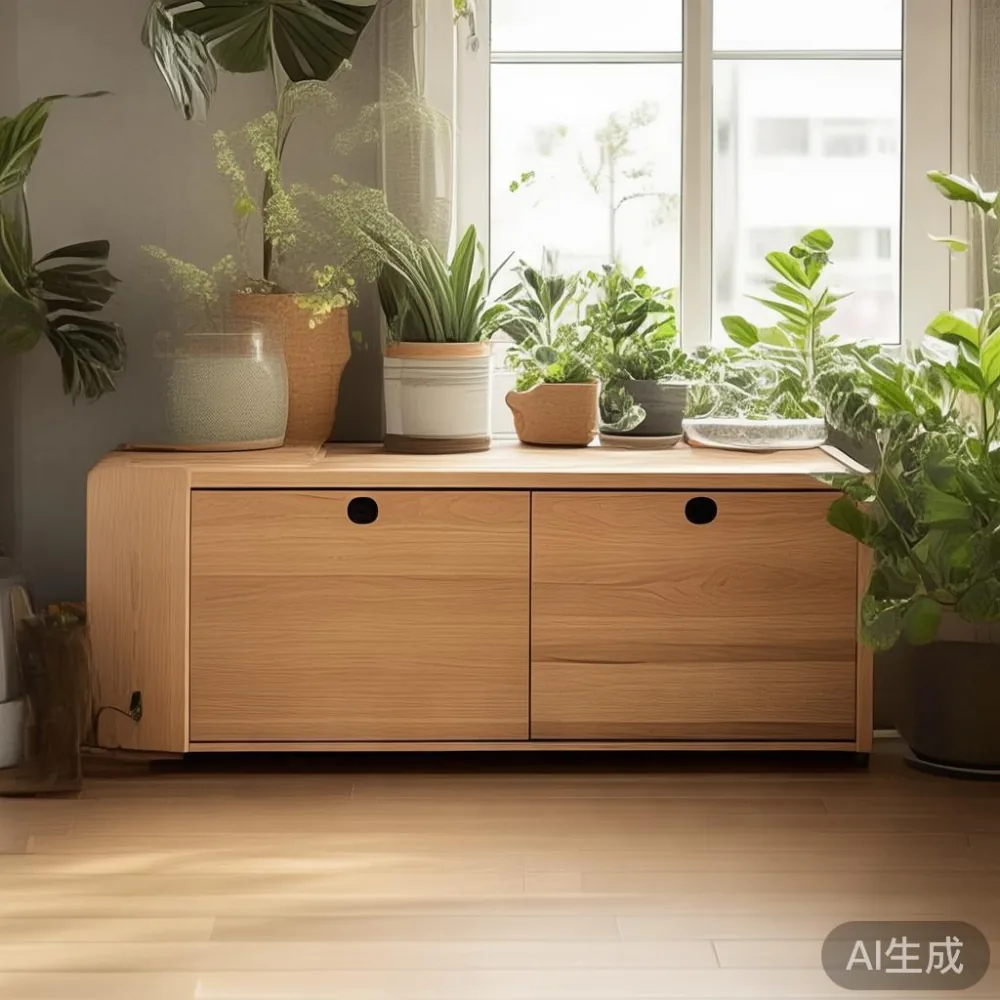
Also, the physical environment of Singaporean homes adds another layer of consideration. The standard lift width in most HDB blocks is 120 cm, and corridor widths are typically 90 cm. This means that a large storage bench, perhaps one measuring 150 cm in length, must be maneuvered carefully during delivery. The journey from the ground floor to a fourth-floor apartment in Bedok requires precision to avoid nicks and scratches to the delicate lacquer finish even before it settles in its final position.
Daily and Weekly Maintenance: Your First Line of Defense
Proactive, gentle care is the most effective strategy for preserving a lacquered finish. The goal is to prevent dirt, dust, and moisture from ever having a chance to damage the surface. Establishing a simple routine can make a significant difference over the life of your storage bench.
Dusting: The Simple, Non-Negotiable Step
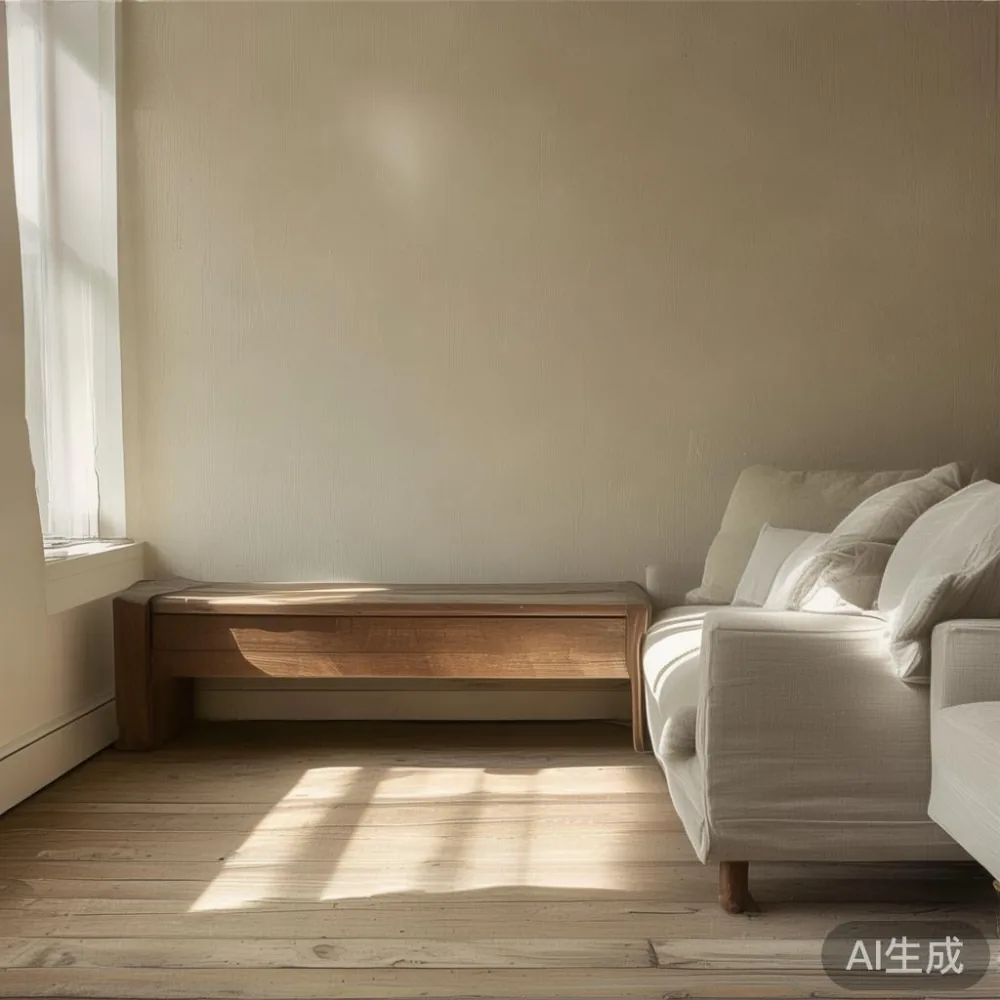
Dust is abrasive. Tiny particles of silica and other materials can act like fine sandpaper on your lacquer, creating micro-scratches that dull the surface over time. For daily or at least twice-weekly dusting, use a high-quality, lint-free microfiber cloth. A cloth made of split-fiber microfiber is ideal because its positively charged fibers attract and trap dust particles instead of just pushing them around. Gently wipe the surface of the storage bench in a straight line, following the grain of the wood if it is visible beneath the lacquer. Avoid circular motions, as these can create fine swirl marks. For hard-to-reach areas, like the intricate carvings on a post-modern light luxury storage bench, use a soft-bristled brush, such as a clean makeup brush or a dedicated furniture brush, to dislodge dust without applying pressure.
Spill Response: Act Immediately and Correctly
Accidents happen. A spilled glass of water, a drop of coffee, or a splash of juice requires immediate attention. The longer a liquid sits on the lacquer, the greater the chance it will seep into the microscopic pores and cause a stain. When a spill occurs, grab a clean, soft cloth or paper towel. Press it firmly onto the spill to absorb as much liquid as possible. Do not rub, as this can spread the stain and push it into the finish. Once the bulk of the liquid is absorbed, take a second cloth, slightly dampened with distilled water, and gently blot the area. Distilled water is preferred because it lacks the minerals found in tap water, which can leave behind a white film. After blotting, immediately dry the area with a third, dry, soft cloth. For stubborn stains like wine or oil, a specialized wood cleaner formulated for lacquered surfaces may be necessary, but always test it on an inconspicuous area, such as the inside of a drawer or the underside of the storage bench, first.
Polishing: Adding a Protective Layer
While modern lacquers are highly durable, occasional polishing can help restore shine and add a thin, protective layer. However, it is critical to choose the right product. Never use a furniture polish that contains silicone or wax. These ingredients can build up on the lacquer over time, creating a cloudy, sticky film that is difficult to remove and can actually attract more dust. Instead, opt for a polish specifically designed for lacquered or high-gloss finishes. Apply a small amount to a soft cloth and rub it onto the surface in a thin, even layer. Allow it to dry according to the product's instructions, which is usually a few minutes, and then buff the surface with a clean, dry cloth to achieve a brilliant shine. A good rule of thumb is to polish your storage bench once every two to three months, or more frequently if it is in a high-traffic area.
Environmental Control: Protecting Your Bench from its Surroundings
Where you place your storage bench is almost as important as how you clean it. Strategic placement can significantly reduce the environmental stressors that cause damage.
Positioning: Avoiding Sunlight and Heat Sources
This is perhaps the most critical environmental factor. Position your storage bench away from windows that receive direct, unfiltered sunlight. UV rays are the primary cause of lacquer fading and yellowing. If placing the bench near a window is unavoidable, invest in high-quality, UV-blocking window film or use heavy, lined curtains to block the sun during peak hours (10 am to 4 pm). Similarly, keep the bench away from direct heat sources. This includes air-conditioning vents, which can cause uneven drying and stress the finish, as well as radiators or fireplaces, which are less common in Singapore but still a consideration in some condos. A safe distance is at least 50 cm from any direct airflow or heat source.
Humidity Management: The Singaporean Conundrum
Maintaining stable humidity levels is a constant battle in Singapore. While you cannot control the weather, you can control the climate inside your home. The ideal relative humidity for wooden furniture is between 40% and 60%. Most Singaporean homes, especially those running air-conditioning 24/7, can drop below this range, causing wood to contract and potentially crack the lacquer. To combat this, use a humidifier in the same room as your storage bench. A small, ultrasonic humidifier can be placed discreetly nearby and set to maintain a humidity of around 50%. Conversely, during the humid monsoon season, if you don't use air-conditioning, a dehumidifier can help pull excess moisture from the air. Placing desiccant packs inside the storage bench's compartments can also help absorb any moisture that gets trapped inside.
Placement in Singaporean Homes
Consider the specific layout of your home. In a typical 4-room HDB flat in Tampines, the living room might measure 4.8 meters by 4.2 meters. A 1.5-meter storage bench placed against a long wall can look elegant and functional. However, ensure it is not placed directly opposite a balcony door where it would be in the path of a draft. In a condo apartment, where you might have more space, you have more flexibility, but the principles of avoiding sunlight and drafts remain the same. The key is to find a spot that is both aesthetically pleasing and environmentally kind to your furniture.
Deep Cleaning and Restoration: When the Surface Needs More Than a Wipe
Despite your best efforts, over time, a lacquered surface may accumulate fine scratches, water marks, or a loss of luster. When regular dusting and polishing are no longer sufficient, it may be time for a deeper cleaning or even minor restoration.
Tackling Fine Scratches and Water Marks
For very fine scratches that have not penetrated the lacquer layer, you can sometimes buff them out. Apply a small amount of specialized scratch remover or a mild polishing compound to a soft cloth. Gently rub the area in a circular motion with very light pressure. The goal is to gently abrade the surface around the scratch, allowing it to blend in. Be patient and work in small sections. For minor water marks or white rings (caused by condensation from a cold glass), you can try applying a small amount of mayonnaise or petroleum jelly to the spot. Let it sit for several hours or overnight, then wipe it off with a soft cloth. This method can sometimes draw out the moisture trapped beneath the finish. For more stubborn stains, a product like 'Carnauba wax' can be applied to fill and mask the imperfection.
The Refinishing Process
When the lacquer finish is significantly damaged, with deep scratches, peeling, or widespread dullness, refinishing may be the only option. This is a complex process that should ideally be handled by a professional. The professional will first assess the extent of the damage. They will then carefully strip the old lacquer finish using a chemical stripper or sanding. Once the bare wood is exposed, it will be sanded smooth to prepare it for a new finish. The new lacquer is then applied in multiple thin coats, with drying time in between. Finally, the piece is buffed to a high gloss. This process is expensive, often costing several hundred Singapore dollars, but it can restore a beloved storage bench to its original condition. Many manufacturers, including those with a reputation for quality like Foshan furniture makers, offer lifetime refinishing services as part of their warranty, making it a worthwhile consideration at the time of purchase.
Professional vs. DIY
While there are DIY kits available for refinishing furniture, they are not recommended for a valuable or intricately designed piece. A DIY refinishing job requires a controlled environment (a dust-free room), specialized tools, and a significant amount of skill. An amateur job can easily result in an uneven, bubbly, or orange-peel finish that looks worse than the original damage. For a storage bench that is a key piece in your home, investing in a professional refinisher is the safer and more reliable choice to ensure a high-quality result.
Is a Lacquered Storage Bench the Right Choice for Your Singapore Home?
Given the challenges of the local climate, it is fair to question whether investing in a lacquered storage bench is a wise decision. The answer is a qualified yes, but with the right expectations and care. A high-quality lacquered finish, applied by a skilled craftsman using advanced materials, is exceptionally durable. Modern lacquers, particularly those used by established manufacturers, are formulated to be more flexible and resistant to UV damage than older varnishes. They create a hard, non-porous barrier that is highly resistant to spills and stains. The key is choosing a piece from a reputable source. A cheap, mass-produced storage bench may have a thin lacquer coat that will fail quickly in Singapore's climate. However, a well-made piece, like those from brands that focus on designer Modern light luxury furniture, is an investment that can last for decades with proper care.
The aesthetic benefits are undeniable. A lacquered finish imparts a sense of glamour and sophistication. It reflects light beautifully, making a room feel brighter and more spacious. This is particularly advantageous in smaller Singaporean apartments, where European light luxury for small living room can make a significant impact. The high-gloss surface is also very easy to clean, which is a practical benefit for busy households. While it requires more maintenance than a matte or oiled finish, the rewards in terms of visual appeal are substantial. Ultimately, if you love the look and are willing to commit to the care routine outlined in this guide, a lacquered storage bench can be a stunning and functional addition to your home, offering a timeless elegance that other finishes cannot match.
Real-Life Experience: A Customer's Journey in Bedok
To understand the practical realities of owning a lacquered storage bench in Singapore, I spoke with Mr. Chen, a resident in a Bedok HDB flat. Last month, I visited his home to see a storage bench he had purchased 18 months ago. 'I was drawn to the high-gloss finish,' he explained. 'It matches the marble table in my living room and makes the space feel very upscale.' His bench, measuring 120 cm in length, sits neatly in his corridor, which is exactly 90 cm wide, a perfect fit. Mr. Chen shared his experience: 'For the first year, I was very careful. I dusted it every other day with a microfiber cloth and kept the curtains closed to avoid the afternoon sun. But I noticed something interesting. The area right under the air-conditioning vent started to look a little duller than the rest of the bench. I think the constant, cool air was drying it out faster.' He also mentioned a minor incident with a spilled cup of bubble tea. 'I panicked, but I remembered the advice to blot, not rub. I used a dry cloth first, then a damp one with just water, and it came out perfectly. You can't even tell it happened.' Mr. Chen's experience highlights that with awareness and prompt action, the challenges of a tropical climate can be managed effectively, allowing the beauty of the lacquer to shine through.
Comparing Lacquer Finishes: What to Look For When Buying
If you are in the market for a new storage bench, understanding the different types of lacquer and application methods can help you make a more informed decision. Not all lacquers are created equal, and their quality will directly impact their performance in a humid environment like Singapore.
| Feature | Standard Lacquer | Premium / PU Lacquer | Water-Based Lacquer |
|---|---|---|---|
| Durability | Moderate. Prone to yellowing and cracking with temperature/humidity changes. | High. Very flexible and resistant to UV rays and moisture. Ideal for tropical climates. | Good. Less flexible than PU but more environmentally friendly and resistant to yellowing. |
| Appearance | Can have a slight yellow tint over time. High-gloss finish. | Clearest finish, maintains a brilliant, deep shine for years. High-gloss or matte available. | Clearest finish, does not yellow. Available in various sheens, including matte. |
| Cost | Lower. Common in mass-market furniture. | Higher. Associated with high-end, designer furniture. | Mid to High. Becoming more common in quality furniture. |
| Best For | Budget-conscious buyers in less harsh environments. | Discerning buyers who want a long-lasting, high-performance finish. The best choice for Singapore. | Buyers who prioritize an eco-friendly product and a crystal-clear, non-yellowing finish. |
When shopping, ask the retailer about the type of lacquer used. A reputable seller will be able to tell you if it's a polyurethane (PU) lacquer, which is generally considered the gold standard for durability. Also, inquire about the warranty. A 10-year structural warranty and a lifetime refinishing policy, like those offered by some makers of Foshan furniture, provide peace of mind and indicate the manufacturer's confidence in their product's ability to withstand the test of time and climate.
How to Style Your Lacquered Storage Bench for Maximum Impact
Once you have mastered the art of caring for your lacquered storage bench, the next step is to style it in a way that complements your home's decor. The reflective, glossy surface of the lacquer provides a wonderful canvas for creating dynamic and sophisticated looks.
Pairing with Complementary Furniture
The beauty of a lacquered storage bench is its versatility. It can serve as a bridge between different furniture styles. For instance, you might place it at the foot of a bed. In a bedroom with a solid wood bed frame, the reflective surface of the bench can create a beautiful contrast with the natural, matte texture of the wood. This combination works exceptionally well with a how to choose French provincial bed, as the sleekness of the lacquer complements the elegant curves of the bed frame. Similarly, in a living room, a lacquered storage bench can sit opposite a sofa. The way it catches and reflects light can make the entire space feel more open and airy, a key consideration when trying to achieve European light luxury for small living room.
Accessorizing with Texture and Color
To prevent a lacquered surface from feeling too cold or clinical, accessorize with items that add warmth and texture. Placing a small tray made of natural materials, like bamboo or slate, on top of the bench is a great idea. You can then arrange objects on the tray: a stack of art books, a small potted plant like a succulent, or a sculptural object. The key is to avoid clutter. A few, well-chosen items are more impactful than many small ones. For texture, consider a plush cushion in a rich velvet or linen fabric. The softness of the fabric against the hard, glossy surface of the lacquer creates a pleasing tactile contrast. When selecting a cushion, choose a color that either complements or provides a bold pop against the bench's finish.
Lighting is Key
Because a lacquered surface is reflective, it interacts dramatically with light. To enhance its beauty, consider the lighting in the room. A floor lamp placed nearby can cast interesting highlights and shadows across the bench's surface. Under-cabinet lighting, if the bench is in a dining area or hallway, can create a stunning 'uplit' effect, making the bench glow from below. This technique is particularly effective with a designer Modern light luxury furniture piece, as it emphasizes its sculptural qualities. Avoid placing a powerful spotlight directly above the bench, as this can create a harsh glare. Instead, aim for indirect, ambient lighting to create a warm and inviting atmosphere that showcases the bench's elegant form and finish.
Why a Quality Storage Bench is a Smart Investment for Singaporean Homes
In a market where space is at a premium, every piece of furniture should earn its keep. A storage bench does more than just look good; it provides important storage space, reducing clutter and making your home feel more organized and serene. But beyond its utility, a high-quality storage bench is a financial investment. Unlike fast furniture that needs to be replaced every few years, a well-made piece from a reputable brand is built to last. Solid wood construction, sturdy joinery, and a high-quality lacquer finish mean the bench will withstand the rigors of daily life for decades. This longevity makes it a more cost-effective choice in the long run.
Also, a beautiful storage bench can add value to your property. In Singapore's competitive real estate market, homes that are tastefully and thoughtfully furnished tend to command higher prices or rental values. A storage bench that complements your other pieces, like a solid wood sofa or a European light luxury dressing table, contributes to a cohesive and high-end interior aesthetic. The peace of mind that comes with a long warranty, such as a 10-year structural guarantee and a lifetime refinishing offer, is also invaluable. It protects your investment and ensures that if any issues do arise, they will be taken care of. For a homeowner in Singapore, who may pay 9% GST on their purchase, having this level of assurance makes the initial investment far more palatable. It transforms a simple piece of furniture into a lasting asset for your home.
Is a Lacquered Storage Bench Difficult to Maintain?
This is a common question from potential buyers. The perception is often that a high-gloss finish is high-maintenance. While it is true that a lacquered surface requires more care than a matte or oiled one, it is not difficult to maintain. The care routine is simple: regular dusting and prompt spill cleanup. It does not require any special or complicated treatments. The key is consistency and gentleness. By following the basic steps outlined in this guide—using the right cloths, avoiding harsh chemicals, and managing the environment—you can easily keep your lacquered storage bench looking like new. The small amount of extra effort is a worthwhile trade-off for the unparalleled elegance and sophistication that a beautiful lacquer finish brings to a home. It is about developing good habits rather than performing difficult tasks.
The Long-Term Vision: Caring for Heirlooms
Ultimately, the goal of proper furniture care is to create heirlooms. A storage bench, when well-maintained, can be passed down through generations, carrying with it the stories of your family and the history of your home. Imagine a storage bench that sits in the hallway of your condo in 20 years, its lacquer finish still glossy and perfect, having weathered countless Singaporean rainy seasons and sunny days. This is the promise of quality furniture. It is an investment in beauty, utility, and legacy. By understanding the challenges of your local climate and committing to a simple care regimen, you can ensure that your storage bench remains a source of pride and beauty in your home for a lifetime. It becomes more than just furniture; it becomes a part of your family's story.