Lacquer Storage Bench Maintenance Tips for Singapore’s Climate
A lacquered storage bench brings order to an entryway, bedroom, or living room while providing a useful surface for bags, shoes, folded throws, or household odds and ends. In Singapore, the challenge is not simply wiping down furniture; it is controlling moisture, ultraviolet exposure, salt-laden air, heat, and the daily transfer of grit from shoes and bags. A well-finished bench can retain its crisp lines for years, but only when its lacquer is cleaned, protected, and inspected with care.

MIDHILL designs solid wood furniture for practical homes, including storage bench models that suit the compact proportions common in HDB flats and condos. The lacquered surface should be treated as a sealed skin rather than an impervious barrier. A short routine every 2 weeks, combined with a deeper check every 6 months, can prevent small marks from becoming permanent defects.
Why does lacquer need special care in Singapore?
Singapore’s climate keeps relative humidity high for much of the year. Outdoor temperatures often sit around 30–33°C, while air-conditioned rooms may drop to 22–25°C. Repeated shifts between these conditions can stress lacquer, adhesives, and timber. Direct afternoon sun can add another problem: ultraviolet light may pale a finish, accelerate yellowing, and weaken the visual depth of a clear lacquer.
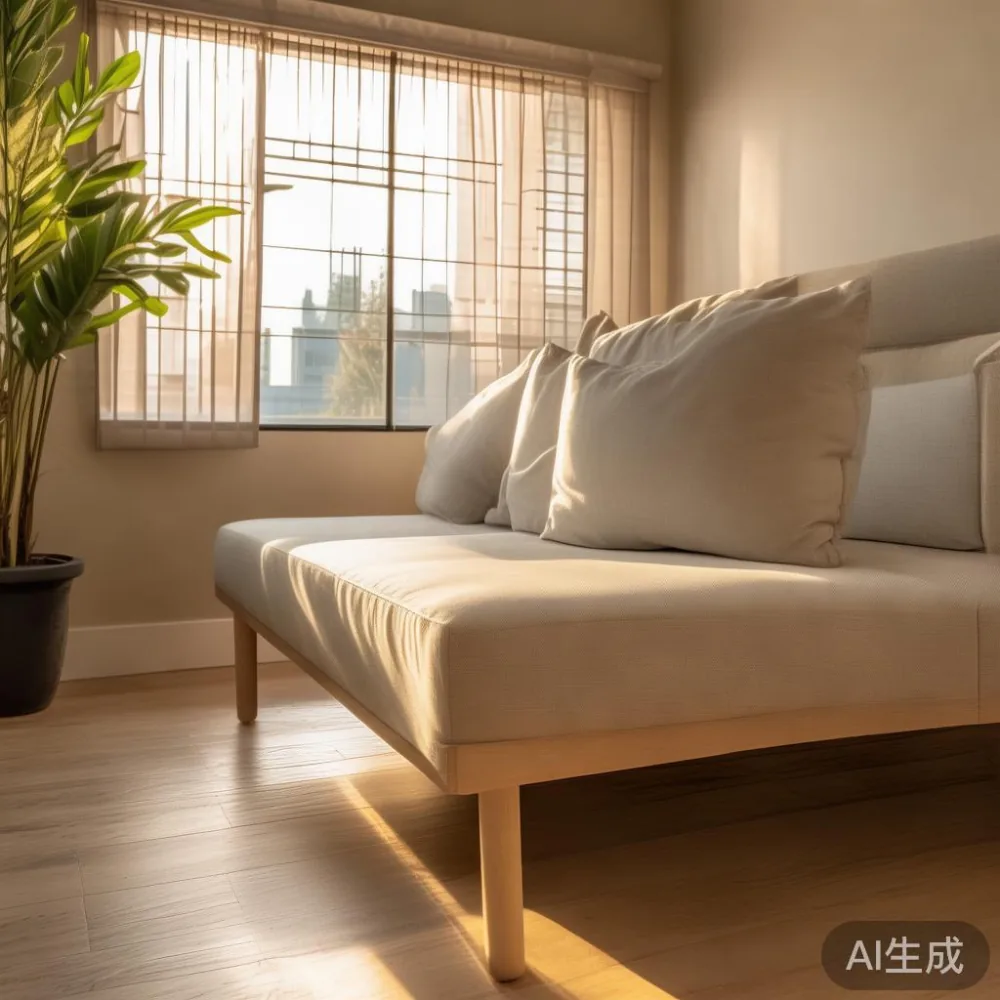
A storage bench in a Tampines HDB corridor may encounter warm reflected light and narrow circulation space. A bench in a Bedok condo balcony may face stronger sunlight, sea air, and occasional rain-driven humidity. A Punggol apartment with east-facing windows may receive sharp morning light across its finish. The location matters because the same bench can age differently in a sheltered bedroom and beside an open balcony door.
Many Singapore homes also use a lift and shared corridor. A bench delivered as part of a whole-home order should be checked before it enters these tight access routes. Leave at least 5 cm clearance around a storage bench when positioning it near a wall or curtain, and avoid trapping damp laundry against the lacquered panels.
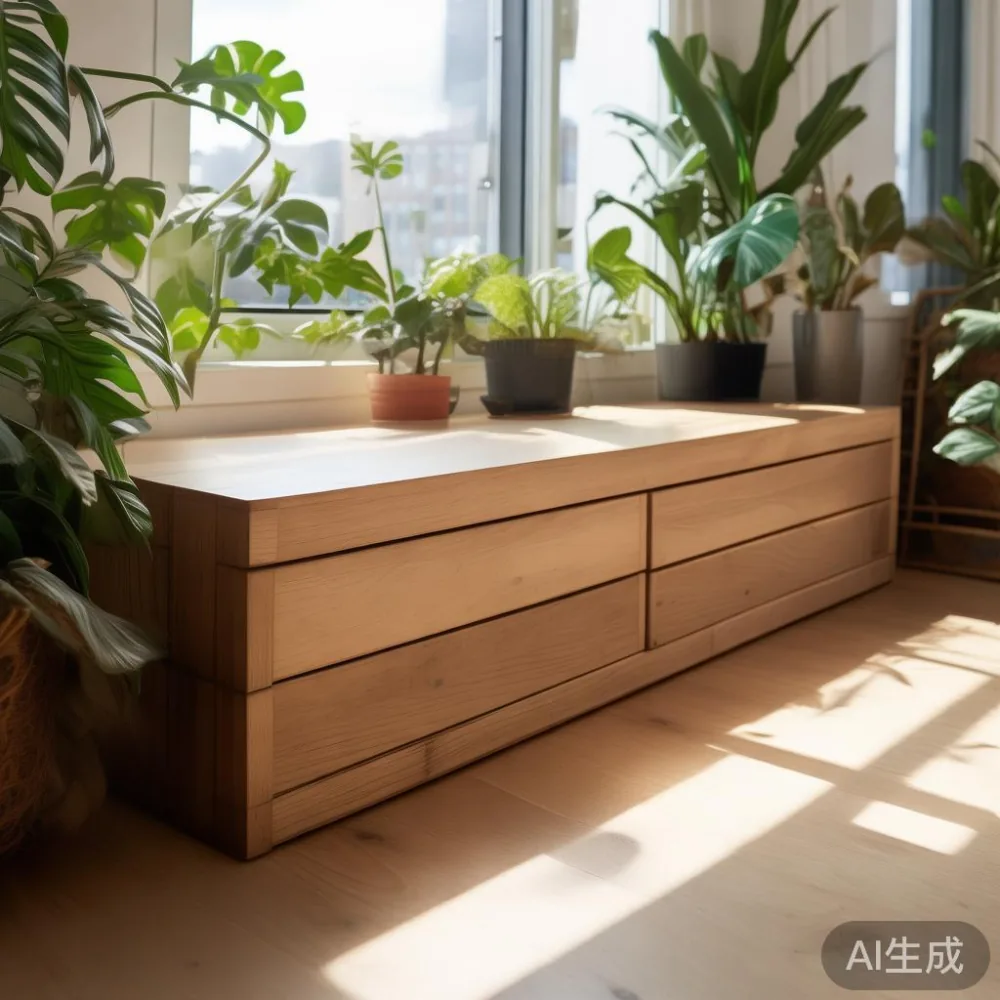
What materials and products should I use?
Begin with a soft, lint-free cotton cloth and a small amount of mild pH-neutral soap diluted in water. A practical mixture is 5 ml of dishwashing liquid in 500 ml of lukewarm water. Wring the cloth thoroughly: it should feel damp, not wet. Test the solution on a concealed area measuring about 5 cm by 5 cm, then wait 24 hours before treating the full surface.
Paper towels can leave fibres, while abrasive pads, steel wool, and scouring powders can scratch lacquer. Avoid silicone-based sprays, ammonia, bleach, acetone, furniture polish with heavy wax, and oil-based products. These may leave a greasy film that attracts dust, soften the finish, or interfere with future refinishing.
For a bench with a marble table top, keep acidic liquids away from the stone and clean the two surfaces separately. A marble surface may etch if exposed to vinegar, citrus juice, cola, or acidic hand sanitiser. Use a neutral cleaner and blot spills within 10 minutes. The relationship between a solid wood sofa, marble table, and lacquered storage bench also depends on stable placement: furniture should not be dragged across a polished floor, since grit trapped beneath one leg can scratch both the floor and the bench.
How should I clean a lacquered storage bench?
Dust the bench every 7 days with a clean microfiber cloth. For routine cleaning, wipe the top, seat, sides, and inside compartments once every 2 weeks. Keep the cloth moving in the direction of the grain or coating, and avoid circular scrubbing. Dry each section with a separate soft cloth so moisture does not sit in joints, drawer runners, or the gap between a storage bench’s lid and base.
For shoe compartments, remove shoes at least once a week and inspect for damp soles or coloured dirt. Use a separate brush with soft bristles, measuring about 15 cm long, to lift grit from grooves. A storage bench placed in an entry should have an outdoor mat no more than 60 cm from the front edge. This catches most grit before it reaches the lacquer, although a barrier mat should never be used as a substitute for cleaning.
Spills require prompt attention. Blot rather than rub, using 4–6 clean paper towels. If the spill is oily, dilute a few drops of mild soap in 250 ml of water and apply it to the cloth rather than the bench. If the surface becomes sticky, repeat the process with clean water. Do not use a wet vacuum, pressure washer, or steam cleaner near lacquered furniture.
How can I prevent scratches, heat damage, and fading?
Place a storage bench away from direct sun wherever practical. A simple test can identify sun exposure: leave a cardboard strip with a temperature-sensitive strip on the bench for 1 hour. If the surface exceeds approximately 32°C during the day, move the bench 30–60 cm away from the window or add a sheer curtain. UV-filtering film on exposed glass can reduce fading without blocking natural light.
Protect the top from hot objects. A ceramic mug can reach 60°C or more, and a laptop can create a concentrated hot spot. Use a trivet with at least 2 cm of clearance underneath, and do not leave shopping bags containing ice packs or takeaway containers on the bench for more than 30 minutes. Coasters should have a felt or cork underside; bare rings can leave marks that cleaning may not remove.
Use the bench as intended. It is suitable for light household storage, but a weight limit of 40–50 kg is a sensible working guide for an adult-sized solid wood storage bench unless the manufacturer specifies otherwise. Do not use it as a step, and keep heavy suitcases on the floor. The rule also applies to adjacent products: a bed frame should not be pushed against the bench, and a nightstand should not have its drawer pulled hard against the bench’s side.
For design comparisons, the question of American sofa vs Italian light luxury sofa often comes down to finish character, while the contrast in European light luxury bed vs Mid-century modern bed shows how different forms handle proportion and texture. These distinctions can help when matching a storage bench to a French provincial TV console or when considering Nordic for dining room schemes. The same disciplined approach applies to a dining table: its finish should be protected from heat and grit rather than treated as disposable.
How do humidity and seasonal checks affect the finish?
A hygrometer is useful in a storage bench’s room. Aim for roughly 40–65% relative humidity, with an ideal band near 50%. In a typical Singapore home, place the meter on the same level as the bench and check it at the same time each morning for 7 days. If readings repeatedly exceed 70%, improve ventilation and air circulation. If they fall below 40%, consider a modest humidifier rather than raising the heat.
Give lacquered furniture 15–20 cm of ventilation space from external walls. Avoid placing it directly beneath an air-conditioning vent, where condensation and dust may collect. A bedroom storage bench can be moved 10 cm away from skirting boards for airflow, provided the change does not obstruct a corridor. In a lift lobby or shared corridor, do not leave the bench outdoors overnight, even under a covered porch.
Inspect the finish every 6 months. Look for hairline cracks around handles, drawer edges, lid hinges, and exposed end grain. A flashlight held 20 cm from the surface can reveal bubbles or lifting. If lacquer has separated from the wood, stop using that section and arrange an assessment rather than applying another coat over the problem.
Can scratches and dull patches be repaired?
Small scuffs can sometimes be reduced with a clean, soft cloth and mild soapy water, but polishing should not be the first response. Household metal polish and abrasive wax can create shiny patches that do not match the original lacquer. Likewise, a nail file, sandpaper, or sharp object can turn a 2 mm mark into a larger damaged area.
For minor marks, try a clean microfiber cloth lightly dampened with water, working along the coating for no more than 10 seconds. Test first on the underside. If the mark remains, photograph it in daylight and record its approximate length, perhaps 8–15 mm. This information helps a refinisher match the lacquer system and decide whether spot treatment or a complete refinishing is more suitable.
For larger scratches, peeling, or widespread dullness, professional refinishing is the safer route. Do not strip the coating at home. A lacquer thinner used indoors can create strong fumes, and overspray may affect nearby upholstery, a wardrobe, or painted corridor walls. MIDHILL offers lifetime refinishing on qualifying pieces, so buyers should retain the order record and check the specific coverage before assuming that every scratch is included.
One recent experience reinforced the value of simple habits. Last month, I visited a colleague’s three-room flat in Tampines and inspected a lacquered storage bench positioned near the main door. The lacquer was dull but intact after 4 years of daily use. Beneath the bench were 3 dried grains of rice, a strip of masking tape, and a faint ring about 14 mm wide. A dry cloth removed the loose grit, while diluted mild soap and a lint-free cloth lifted the residue. The bench was then moved 25 cm away from the sunlit corridor wall. Within 20 minutes, the surface looked cleaner, and no abrasive product had been needed.
How do I keep a storage bench attractive between deep cleans?
Use a 3-zone care system: shoe control at the entrance, surface care every 2 weeks, and an inspection every 6 months. In the first zone, a 60 cm mat traps grit before it reaches the bench. In the second, a dry microfiber cloth removes dust, followed by a lightly soaped cloth only when needed. In the third, inspect hinges, joints, lacquer edges, and the underside for moisture or pests.
Coordinate the bench with the room rather than crowding it. For a compact apartment, maintain at least 60 cm of clear walking space where the bench opens into a passage, and keep door swings from contacting the lacquer. When researching how to style Japandi wardrobe in apartment layouts, pay the same attention to clearances: pale timber, restrained handles, and uncluttered circulation make a storage bench look integrated rather than installed.
Buyers comparing for sale Scandinavian furniture should examine coating quality, drawer movement, corner protection, and after-sales terms. A French provincial TV console may suit a more decorative room, while a modern lacquered storage bench can bridge a solid wood sofa and marble table without competing with either. MIDHILL’s 10-year structural warranty addresses construction rather than accidental surface damage, so documented care remains part of ownership. Confirm the dimensions before ordering, especially for HDB lift and corridor access; delivery timing in Singapore commonly takes 7–14 days after stock confirmation.
For purchases above US$350, MIDHILL provides free shipping under the stated threshold, and Singapore orders are shown in SGD at checkout. Returns can be requested within 14 days, subject to the product condition and applicable rules. Include GST in the displayed total, check the lacquer colour against a physical sample if possible, and photograph the bench on arrival from 4 angles.
What should I do if lacquer begins to fail?
Stop placing objects on the affected area, keep the room dry, and contact the supplier with close photographs. Record the issue in a fixed format: purchase date, room location, approximate humidity, mark size, and whether the defect is a scratch, bubble, stain, or separation. Clear information supports a practical assessment and avoids unnecessary replacement.
For long-term care, keep temperatures moderate, humidity near 50%, and direct sunlight off the surface. Use soft cloths, diluted neutral soap, and immediate spill removal. Most importantly, treat lacquer as the protective outer layer of solid wood, not as a surface that can absorb heat, moisture, grit, and chemicals without consequence. With consistent care, a storage bench can remain a refined, functional part of an apartment for many years.