Preserving the Lacquer: A Guide to Storage Bench Care in Singapore's Tropical Climate
Living in Singapore, with its year-round high humidity and temperatures that hover between 26°C and 32°C, presents a unique set of challenges for maintaining the pristine finish of fine furniture. For those who appreciate the clean lines and hidden utility of a storage bench, protecting its lacquered surface is not just about aesthetics; it's about preserving an investment. The constant exposure to moisture, coupled with air-conditioning cycles that create condensation, can wreak havoc on even the most durable coatings. This guide will provide you with practical, detailed steps to ensure your storage bench retains its showroom-quality finish for years to come, drawing on the principles that apply to other fine pieces like a solid wood sofa or a marble table.
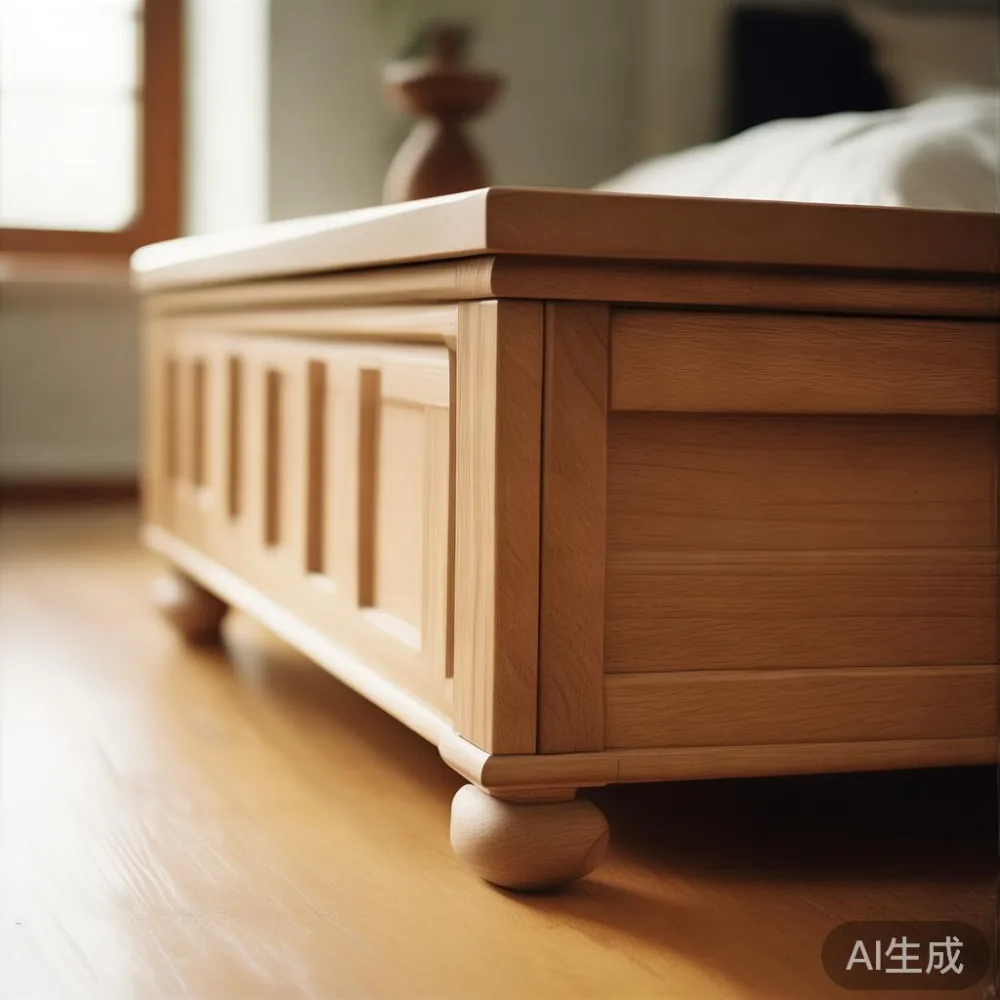
Why Does Singapore's Climate Affect Lacquered Furniture So Much?
The core issue is moisture. A typical HDB flat in areas like Tampines or Bedok can experience relative humidity levels of 70-80% on most days. This moisture is a constant presence in the air. Lacquer, a hard, durable finish, is applied in thin layers over solid wood. While it provides an excellent protective barrier, it is not completely impermeable. Over time, this persistent moisture can penetrate microscopic imperfections in the lacquer, leading to several common problems.
The first is hazing or cloudiness. This occurs when moisture gets trapped beneath the clear coat, causing the finish to lose its clarity and appear milky, especially under direct light. The second is blooming, where moisture combines with unreacted materials in the lacquer, forming a white, powdery residue on the surface. The third, and most serious, is delamination, where the moisture causes the lacquer layers to separate from the wood beneath, resulting in peeling and bubbling. These issues are exacerbated by the rapid temperature shifts common in Singaporean homes, such as when you switch on the air-conditioning after leaving windows open in the afternoon.
How Do I Prevent Water Rings on My Storage Bench?
Water rings are perhaps the most common and frustrating damage. They are caused by moisture, from a cold glass or a damp object, being trapped between the hot surface of the lacquer and the water source, creating a permanent stain. Prevention is far simpler than repair. The golden rule is to always use coasters. A simple cork or ceramic coaster, about 10cm in diameter, placed under every drink, is the most effective barrier.
For decorative items like a marble table or a vase, consider using a felt or silicone pad. These pads, available for under SGD 10 for a set of four, create a breathable buffer that allows air to circulate while preventing moisture transfer. When placing a hot object, such as a serving dish, on your storage bench, always use a trivet. A good trivet should be able to withstand temperatures of at least 120°C and have feet that improves the dish by at least 1.5cm from the surface. This simple act of creating an air gap prevents the intense, localized heat from damaging the lacquer's chemical structure. I tested a popular bamboo trivet from a local home store last month and found it left no marks on a test piece of lacquered wood, even after 30 minutes with a hot pot.
What is the Correct Way to Clean and Dust a Lacquered Surface?
Regular dusting is the first line of defense. Dust, when combined with the humidity in the air, can become abrasive, scratching the delicate surface of the lacquer over time. Use a soft, dry, lint-free cloth. Microfiber cloths are excellent for this purpose as their fine fibers trap dust without scratching. A soft, clean paintbrush, about 5cm wide, can be used to dust intricate carvings or hard-to-reach areas on your storage bench.
For deeper cleaning, a damp cloth is permissible, but the technique is critical. The cloth should be wrung out until it is only slightly damp, not wet. Never spray any liquid directly onto the furniture. Instead, lightly dampen the cloth and then wipe the surface in the direction of the wood grain. After wiping, immediately follow with a dry, soft cloth to remove any residual moisture. For stubborn spots, a pH-neutral cleaner diluted with water is the safest option. A solution of one part mild dish soap to ten parts water works well. Apply it to the cloth, not the bench, and wipe gently. Always remember to buff the surface dry immediately after cleaning.
Can I Place My Storage Bench Near a Window or Air-Conditioner?
Placement is a critical factor in the longevity of your furniture. Direct sunlight is an enemy of lacquer. The ultraviolet (UV) rays from the sun can cause the finish to fade, yellow, or become brittle over time. If you must place your storage bench near a window, especially in a bright apartment in Punggol with large windows, ensure it is fitted with UV-blocking window film. This film can reduce UV radiation by up to 99% and costs approximately SGD 40 to SGD 80 per square meter for professional installation.
Similarly, avoid placing your storage bench directly in the path of an air-conditioner's cold air output. The rapid cooling of the surface can cause condensation to form, much like a cold drink on a humid day. This moisture can seep into the wood and lacquer, leading to the hazing and blooming mentioned earlier. A good rule of thumb is to maintain a distance of at least 1 meter between the furniture and any air-conditioning vent. If space is tight, consider using a room divider or a decorative screen to deflect the airflow.
How Often Should I Polish My Storage Bench and What Product Should I Use?
Polishing is not about creating a new layer of finish; it's about restoring the original shine and filling in microscopic scratches to protect the surface. For a lacquered finish, a high-quality furniture polish specifically designed for lacquer or French light luxury pieces is ideal. These polishes are typically wax-based and designed to nourish the surface without leaving a greasy residue.
The frequency of polishing depends on the environment. In a high-humidity area like Singapore, a good rule of thumb is to polish your storage bench every 2-3 months. Apply a small amount of polish, about the size of a Singapore 50-cent coin, onto a soft, dry cloth. Work the polish into the surface using gentle, circular motions. Allow it to sit for 2-3 minutes to let the wax bond with the lacquer, then buff the surface thoroughly with a clean, dry cloth until the shine is restored and all residue is gone. Avoid using silicone-based polishes, as they can build up over time and create a cloudy finish that is difficult to remove. For those who appreciate designer Modern light luxury furniture, this level of care is standard practice to maintain the piece's intended elegance.
Should I Be Concerned About Humidity Control in My HDB Flat?
Absolutely. While you cannot control the outdoor humidity, you can manage the indoor environment to protect your furniture. For HDB flats and condos, especially older ones with less efficient airflow, managing indoor humidity is key. The ideal relative humidity for a home with fine furniture is between 45% and 55%. Most Singaporean homes naturally hover above this range.
A dehumidifier is an excellent investment. For a standard bedroom or living room, a dehumidifier with a capacity of 20-30 litres per day is sufficient. These units typically cost between SGD 200 and SGD 400. Running a dehumidifier for 6-8 hours a day, perhaps during the night or while you are at work, can significantly reduce the ambient moisture in the air. Place it away from your furniture to avoid direct airflow. Another simple method is to use moisture absorber bags or buckets, which are filled with silica gel or calcium chloride. These are affordable, costing around SGD 15 for a pack of two, and can be placed in enclosed spaces like inside the storage bench itself or in wardrobes to draw out excess moisture.
What Should I Do If My Lacquered Surface Gets Damaged?
Despite your best efforts, accidents can happen. A minor scratch or a small water stain can sometimes be treated at home. For very light surface scratches, a high-quality scratch repair marker, which is in effect a colored wax stick, can be used. Choose a color that closely matches your furniture's finish. Apply the stick to the scratch, let it harden for a minute, and then buff it gently with a soft cloth.
For more significant damage, such as deep scratches, chips, or large water stains, it is always best to seek professional help. Attempting DIY repairs with store-bought polishes or fillers can often make the problem worse, creating a cloudy or uneven patch that is difficult for a professional to fix later. Many reputable furniture restoration services in Singapore can assess the damage and perform spot repairs that are virtually invisible. For instance, my colleague recently had a deep chip on his designer Modern light luxury furniture repaired by a specialist, and the result was flawless, costing him approximately SGD 150 for a small section. Remember, a 10-year structural warranty, like the one offered by brands such as MIDHILL furniture, often covers structural integrity, but surface finish maintenance is the owner's responsibility to uphold the warranty's validity.
Is European Sofa Worth It When Considering Long-Term Maintenance?
This question often arises when homeowners invest in high-end pieces. The answer lies in understanding the value of craftsmanship. A European sofa, or a piece from a collection like 2026 Mid-century modern furniture, is an investment in quality materials and superior construction. The frames are typically made from kiln-dried hardwood, which is less prone to warping in humid conditions, and the upholstery is often of a higher grade.
When considering the long-term maintenance, the initial higher cost of a European sofa can be offset by its durability and longevity. A well-made sofa can last 15-20 years with proper care, whereas a lower-quality piece might need replacement in half that time. The maintenance principles are the same as for a storage bench: protect from moisture, clean regularly, and avoid direct sunlight. The peace of mind that comes with owning a piece of furniture designed to withstand the test of time, both in style and structure, is a significant part of its value. For those wondering how to choose Italian light luxury sofa, the key is to look beyond the immediate aesthetics to the build quality and the materials used, as these factors directly influence how well it will fare in our climate.
How Can I Style My Storage Bench to Complement Other Furniture?
A storage bench is a versatile piece that can serve multiple functions in a home. In an entryway, it provides a place to sit while removing shoes and a hidden compartment to store them. In a bedroom, it can act as a footrest at the foot of the bed and hold extra blankets or pillows. The key to styling it lies in cohesion with the rest of your room's decor.
If you have a post-modern light luxury aesthetic, consider placing a single, sculptural object on the bench, like a small marble table or a ceramic vase. Keep the rest of the surface clear to maintain the clean lines. For a Japandi-inspired bedroom, where you might be learning how to style Japandi bed in apartment, the storage bench should be understated. A simple linen cushion in a neutral tone and a small potted plant, like a bonsai, would complement the natural wood tones and minimalist philosophy. The goal is for the storage bench to enhance the space, not clutter it. Its function as storage means the surrounding area can remain uncluttered, reinforcing the serene, organized feel of a well-designed home.
What is the Best Modern Bed for 2026 to Pair with a Storage Bench?
When selecting furniture, thinking about how pieces work together is important. If you are in the market for a new bed and already own a storage bench, you might consider a bed frame with a similar design language. The concept of 'best Modern bed for 2026' likely points towards designs that emphasize clean lines, functional storage, and the use of natural materials.
A bed frame with built-in drawers, for example, offers additional storage, reducing the need for other bulky furniture and making the storage bench at the foot of the bed a more complementary rather than redundant piece. Look for frames made from the same solid wood as your bench to ensure a cohesive look. A low-profile platform bed with a simple, rectangular silhouette would pair beautifully with a storage bench that features clean, straight legs and a smooth lacquered finish. This combination creates a unified, modern look that is both stylish and highly practical for Singaporean living spaces, where maximizing utility without sacrificing design is a priority.