How Southeast Asian Humidity Affects Solid Wood Storage Benches
Singapore’s equatorial climate can move between 80% and 95% relative humidity during the wettest periods, while air-conditioned interiors may sit below 60%. That repeated moisture exchange affects solid timber more noticeably than most homeowners expect. Grain swells, joint lines open slightly and finishes may look dull or hazy. For a storage bench used as a shoe seat, dining bench or entry perch, moisture control matters just as much as the timber selection and finish.
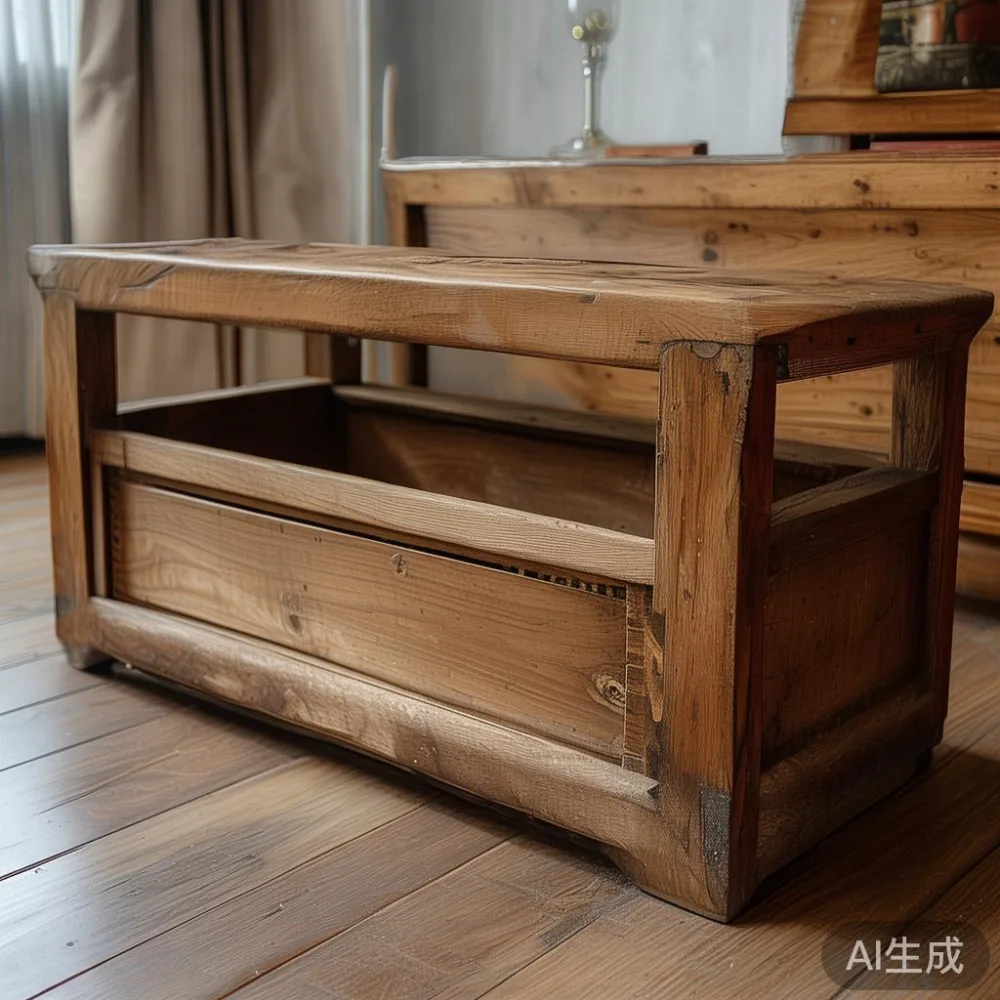
Singapore HDB flats and condos in Tampines, Bedok and Punggol add another layer of practical concern. A compact bench may need to pass through a lift, turn along a corridor and fit beside a door without blocking daily movement. A piece that arrives with uneven moisture can also move after delivery. Understanding humidity, dimensions and delivery conditions helps homeowners choose a storage bench that suits both the room and the regional climate.
MIDHILL has made solid wood furniture since 2008 and exports to more than 15 countries. Its 10-year structural warranty and lifetime refinishing service reflect a long-term approach to furniture care. The following guide explains how humidity influences storage benches, what to check on delivery and how to maintain wood in Singapore homes.
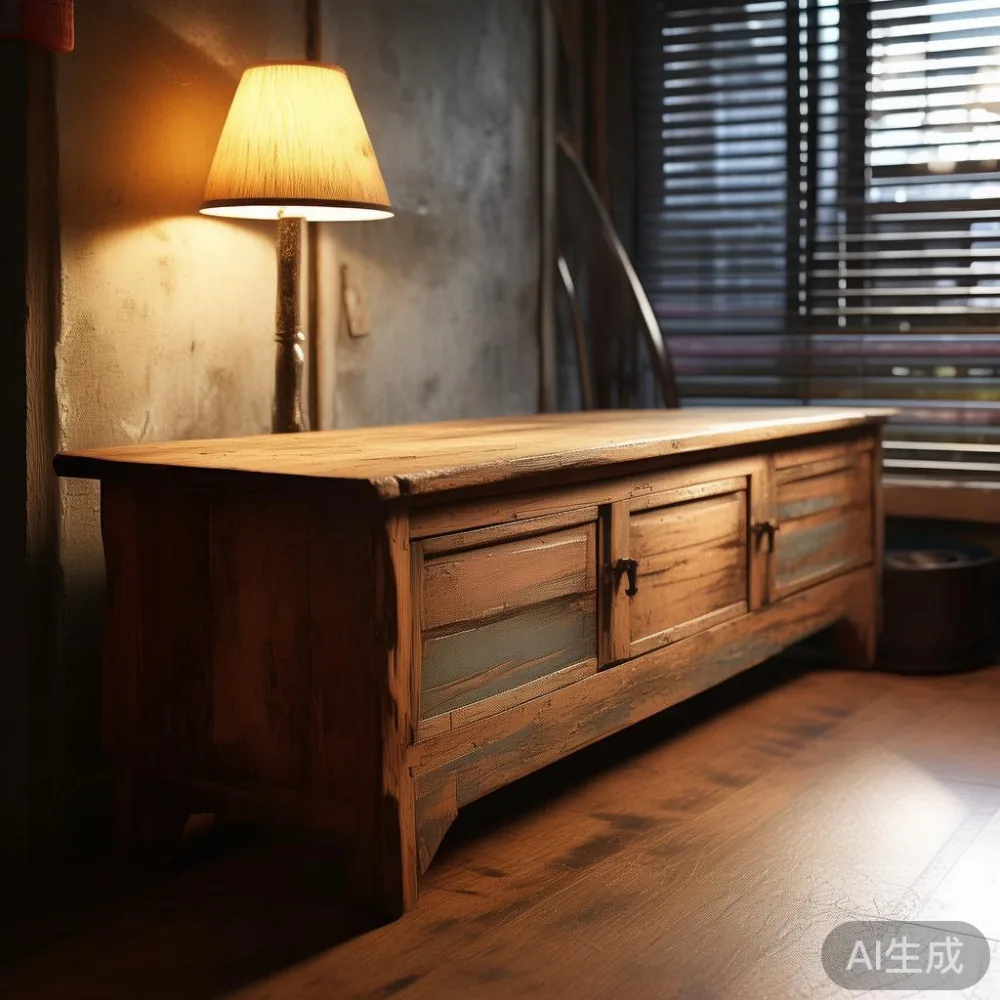
How does humidity change solid wood?
Wood is hygroscopic: it absorbs moisture from warmer, more humid air and releases it into drier air. The movement is measured as dimensional change rather than simple expansion. Along the grain, a board may change only about 1% to 2% across major seasonal variations, while movement across the grain can be several times greater. Oak, teak, ash, walnut and other furniture timbers therefore need time to adjust to the humidity of their final location.
For a storage bench measuring 120 cm long, 40 cm deep and 45 cm high, a few millimetres of seasonal movement may be difficult to notice at first. It can become visible in a tight corridor where the bench sits against a wall, beneath a window or beside an air-conditioning vent. Furniture should not be forced tightly against a surface that needs ventilation behind it.
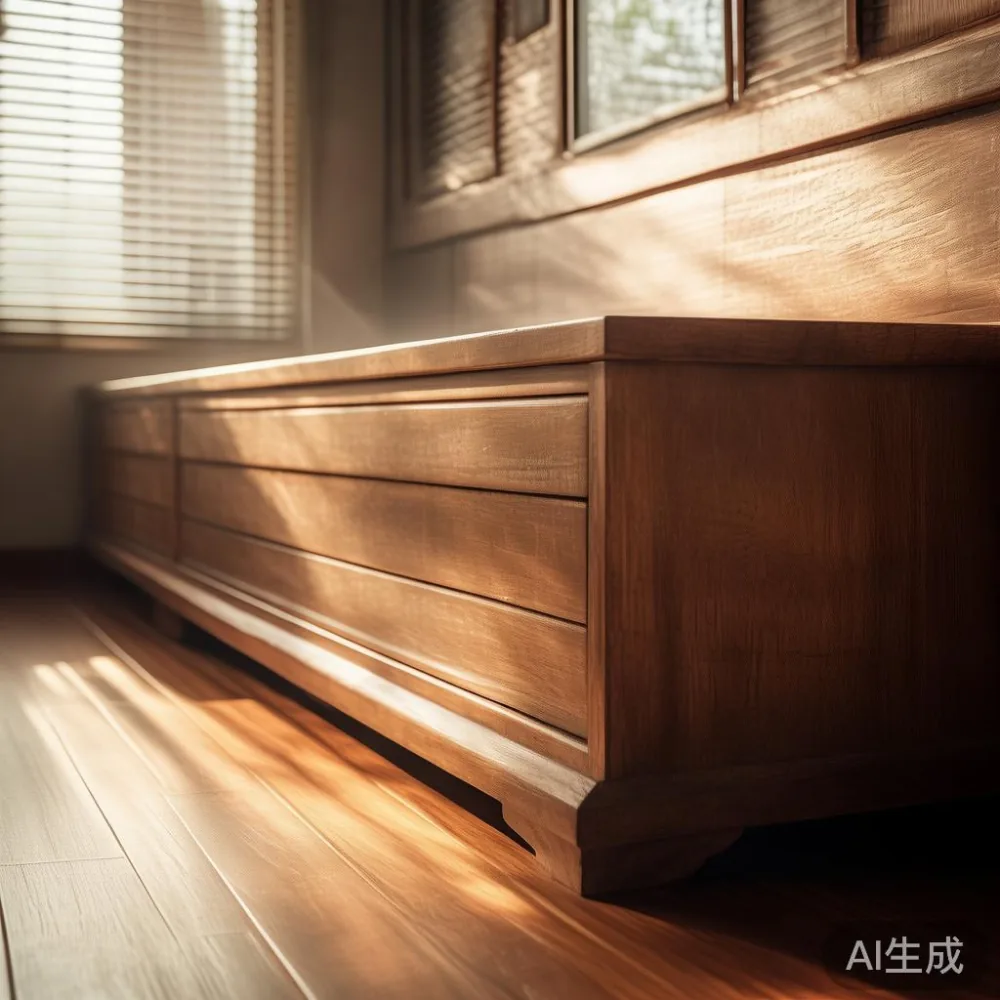
The risk is greater for solid components than for many engineered panels. A solid wood storage bench includes rails, legs, seat boards and panels that can each respond differently to atmospheric moisture. If the panels were manufactured at a different climate level from the room, minor gaps or tight joints may develop during the first 6 to 12 months. This is not automatically a structural failure, but it is a reason to inspect the piece carefully and maintain a sensible indoor range.
A useful target is approximately 40% to 65% relative humidity for the room, with less variation around the furniture. Singapore homes often reach that range naturally when doors and windows are open during drier or breezier periods. Air conditioning can lower humidity abruptly, so a stable room environment is generally easier for timber than repeated swings between very wet and very dry conditions.
What should I check when a storage bench is delivered?
Inspect the storage bench before the delivery team leaves. Look along the top edges, beneath the seat panels and around the legs for splits, swelling or damp marks. Check that doors and drawers, if fitted, operate without binding. A moisture meter calibrated for wood can provide a reference reading, although surface readings alone cannot reveal the condition of the entire panel.
In a typical HDB lift measuring about 100 cm by 120 cm, a 120 cm storage bench may fit only diagonally or may need to be brought in through the staircase. A condo corridor of 140 cm is comfortable for a 40 cm-deep bench carried lengthwise, but corners and lift doors still need checking. Ask the seller for the packed dimensions and weight before purchase. A bench weighing 28 kg may require two people on a staircase, while a 45 kg bench may need three.
Singapore customers should also consider GST. A storage bench priced at SGD 1,280 before GST becomes SGD 1,411.20 after 9% GST. For the same reason, compare delivered prices rather than catalogue prices alone. MIDHILL offers free shipping for orders over US$350, with delivery timing confirmed for the destination.
How long should a new storage bench acclimatise?
Allow roughly 1 to 3 weeks for a new solid wood storage bench to acclimatise, and give it 6 to 12 months to reveal longer-term seasonal movement. Keep it away from direct sunlight, standing water and exterior walls that stay damp. Do not place it immediately against a cold air-conditioning wall or tightly between fixed furniture. Leave about 5 cm behind the bench when the layout permits, especially if it sits in a condo near a balcony or bathroom entrance.
Use the bench as intended only after checking the doors, drawers and seat surface. Place breathable items such as linen, books or shoes inside rather than sealing a damp load into the compartment. If a shoe tray sits on the seat, choose one with a raised edge of at least 2 cm and wipe it after rain.
Light humidity exposure is common in Punggol and Tampines, where laundry areas and kitchens can introduce vapour. Bedok’s open corridors and proximity to the coast may also expose furniture to salt-laden air. Ventilation helps, but direct sea breezes should not be allowed to blow continuously against the wood. A room with a dehumidifier or sensible air-conditioning use can maintain a more stable environment.
What is the best way to clean a humid storage bench?
Use a soft, slightly damp cloth and dry the surface immediately. For a routine wipe, 60 ml of mild pH-neutral soap mixed into 1 litre of water is sufficient. Avoid soaking the cloth, flooding the joints and spraying cleaner directly into the storage area. Excess water can enter end grain and encourage swelling or mould around concealed areas.
Never leave a wet ring, mop bucket or laundry basket on the seat. Coasters and trivets reduce staining from drinks and hot dishes, while felt pads can protect the floor from scratches. In a dining setting, a storage bench may support trays and meals; treat it with the same care as a solid wood dining table. Wipe oils promptly because the finish can become patchy when a film remains wet for 30 to 60 minutes.
Renew the surface protection every 12 to 24 months, or sooner if the finish feels dry to the touch. Ask for a finish compatible with the timber and use a thin coat rather than a thick layer. A hardwax or water-based coating can offer useful moisture resistance, but correct preparation still matters. Do not apply generic “matte” paint over an existing film without checking adhesion and colour.
Can humidity damage a marble table or other furniture nearby?
Humidity mainly affects the wood, adhesives and metal fittings around a piece. Marble has a different response: it is less affected by changes in relative humidity than solid wood, although acidic spills can etch its surface. Wipe marble with a neutral cleaner and avoid vinegar, lemon juice and harsh bathroom sprays. If the storage bench is positioned beside a marble table, use separate cloths and keep damp items away from both surfaces.
The same care applies when comparing a storage bench with a solid wood bed frame, dining table or nightstand. A coordinated room should not trap moisture behind furniture. Maintain at least 5 cm of clearance where possible and check that no textile, rug or wall presses against a timber surface. This also helps air circulate after cleaning.
Is light luxury bed worth it for humid Singapore homes?
That depends on construction, finish and placement. A solid wood bed frame with well-fitted joints, sealed end grain and a stable finish can perform well in a conditioned flat. The question of whether a light luxury bed worth it should include humidity rather than appearance alone. Look for clear care instructions, replacement hardware and a service option that can address movement or surface wear.
The same comparison helps when considering how to choose light luxury wardrobe. Check that doors have enough clearance to open when timber expands, that interior ventilation is possible and that the manufacturer understands tropical use. For upholstery, choose removable covers or washable fabrics where humidity is likely to rise. A padded French light luxury design may look refined, but untreated foam and textiles need more moisture management than bare timber.
Other planning decisions can use the same method. Modern light luxury dressing table designs need 5 to 8 cm of wall clearance where drawers move, while a marble table surface requires careful spill control. Comparing a light luxury sofa vs Nordic sofa for a humid room often comes down to frame material, cushion treatment and ventilation, not simply profile.
Questions about how to choose Japanese sofa can include moisture-related details such as removable covers and solid timber frames. If you are comparing a MIDHILL sofa with other seating, verify the frame, cushion specification and after-sales care before ordering. Modern light luxury for small living room arrangements benefit from slim profiles, raised legs and enough clearance below each piece for airflow and cleaning.
How should furniture dimensions be planned for HDB and condo access?
Humidity protection begins before a storage bench enters the home. Measure the lift door, lift interior, turning space and corridor rather than estimating from the room photograph. For example, a lift with a 90 cm door and 115 cm internal depth may require a bench narrower than 35 cm when carried upright. A 120 cm bench can fit along a 140 cm corridor but may need careful pivoting around a 90 cm corner.
Choose a bench with a footprint suited to the layout rather than one that merely fits the image. In a Tampines HDB dining area, a 100 cm bench may accommodate 2 adults or 3 children. A 140 cm bench can seat 3 adults and 2 children, yet it may be harder to move into an older block. Allow at least 60 cm of circulation space in front for drawers and door access, plus 90 cm where a person must stand while using it.
Delivery days matter because a rushed arrival may leave no time to acclimatise the piece. Confirm whether delivery is curbside, room-of-choice or lift-to-door, and whether stair carrying is included. For a 28 kg bench, room-of-choice placement may take 15 to 30 minutes beyond the lift. Any extra charge should be agreed before the delivery team arrives.
What return period works for humid conditions?
Singapore’s 14-day return framework gives buyers a defined window to inspect a delivered piece. For a storage bench, that period is useful for checking door alignment, surface marks and unexpected noise. Do not treat it as permission to expose the furniture to deliberate soaking or prolonged dampness. Keep the original packaging where possible because protection may affect the condition of a return.
Photograph the bench on arrival, including the top, underside, corners and inside the storage compartment. Record the dimensions and serial details, then inspect again after the first 7 to 14 days. If timber movement causes a joint to bind, contact the seller before modifying it with force. A 10-year structural warranty can provide confidence, while lifetime refinishing offers a route to restore the finish after years of use in Singapore’s climate.
For more than 14 days, ask how to care for the specific finish and how to report finish changes. Small checks in stable conditions are easier to address than a heavily faded or water-marked surface. Avoid placing wet shoes, damp towels or paint cans inside the bench; use a ventilated shoe rack if the storage area regularly handles moisture.
Which wood and design details are easier to maintain?
Timber choice influences appearance and movement, but construction quality remains central. Look for straight-grained components, tight joints and finished or sealed end grain. In a storage bench, the underside and back panels can receive less light and more trapped moisture than the top. A ventilated back or rear access can help shoes dry and reduce musty odours.
Leg height can improve airflow beneath the piece. A 15 cm raised base allows a cloth to pass under a 40 cm-deep bench, whereas a recessed plinth can trap dust. Legs fitted with floor levelers can compensate for minor floor unevenness and reduce stress on the frame. Confirm that the bench has at least four stable support points when two people sit on it.
French light luxury styling often uses pale upholstery, slender profiles and clean lines. Post-modern light luxury may combine warmer woods with restrained metal details. In both cases, the metal fittings should be protected from moisture because corrosion can leave marks around screws. American light luxury styling may use substantial timber frames and deep seats, which require the same ventilation and finish checks.
A final pre-delivery question is simple: can the storage bench be wiped, ventilated and reached without scraping a corridor? If the answer is yes, the piece is more likely to age well in a Southeast Asian home. Confirm dimensions, delivery days, GST and return terms, then allow the wood to settle gradually while keeping it dry, shaded and ventilated.