Solid Wood vs Veneer: A 5-Year Cost Reality Check for a Singapore Storage Bench
Picking a storage bench for a Tampines five-room flat sounds simple until the receipt arrives. I almost paid the price for guessing wrong. Last April I helped my colleague move into a 980 sqft resale unit in Bedok, and we spent an entire Saturday measuring the corridor outside her unit. The lift opening on the ninth floor was 90 cm wide, the corridor turning radius was a tight 1.2 m, and her 1.6 m solid wood storage bench had to be carried vertically because the door frame would not accept it flat. That single afternoon convinced me that the material on the spec sheet matters far more than any showroom photo suggests.
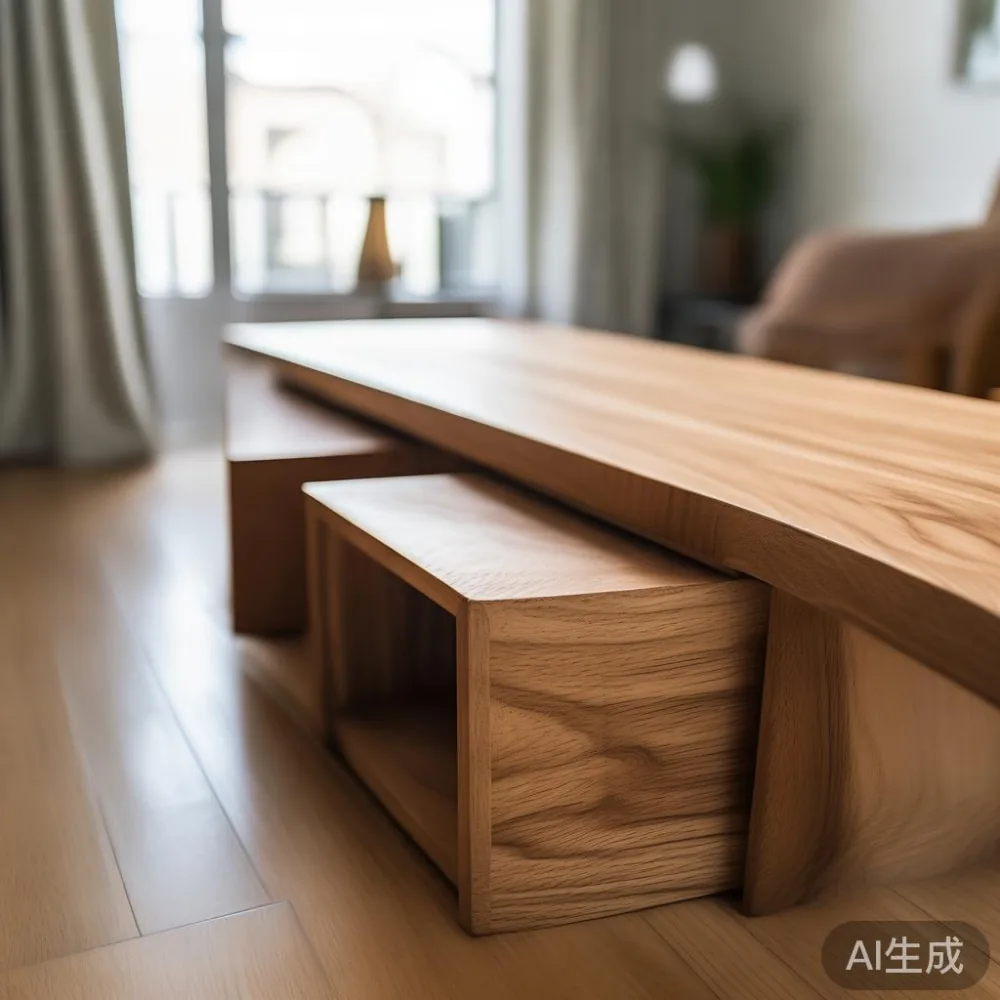
This piece is a working 5-year cost comparison written for Singapore buyers who shop in SGD, live in HDBs or 920–1,200 sqft condos around Punggol, Sengkang, and the east side, and worry about GST, lift width, and humidity. Whether you are eyeing a solid wood sofa, a bed frame, a dining table, or a wardrobe, the storage bench is the perfect test case: small enough to compare apples to apples, big enough that the material drives the lifetime bill.
What does the receipt actually look like for veneer and solid wood storage benches in Singapore?
A typical mid-range MDF-veneer storage bench from a local Singapore furniture chain such as SBor Furniture, Vhive, or a Taobao consolidator lands between S$320 and S$650 for a 1.2 m to 1.4 m unit, including local delivery and 9% GST. The same dimensions in solid rubberwood, acacia, or white oak from a brand such as Midhill, Castlery, or Commune push the figure to S$780 to S$1,450 after 9% GST.
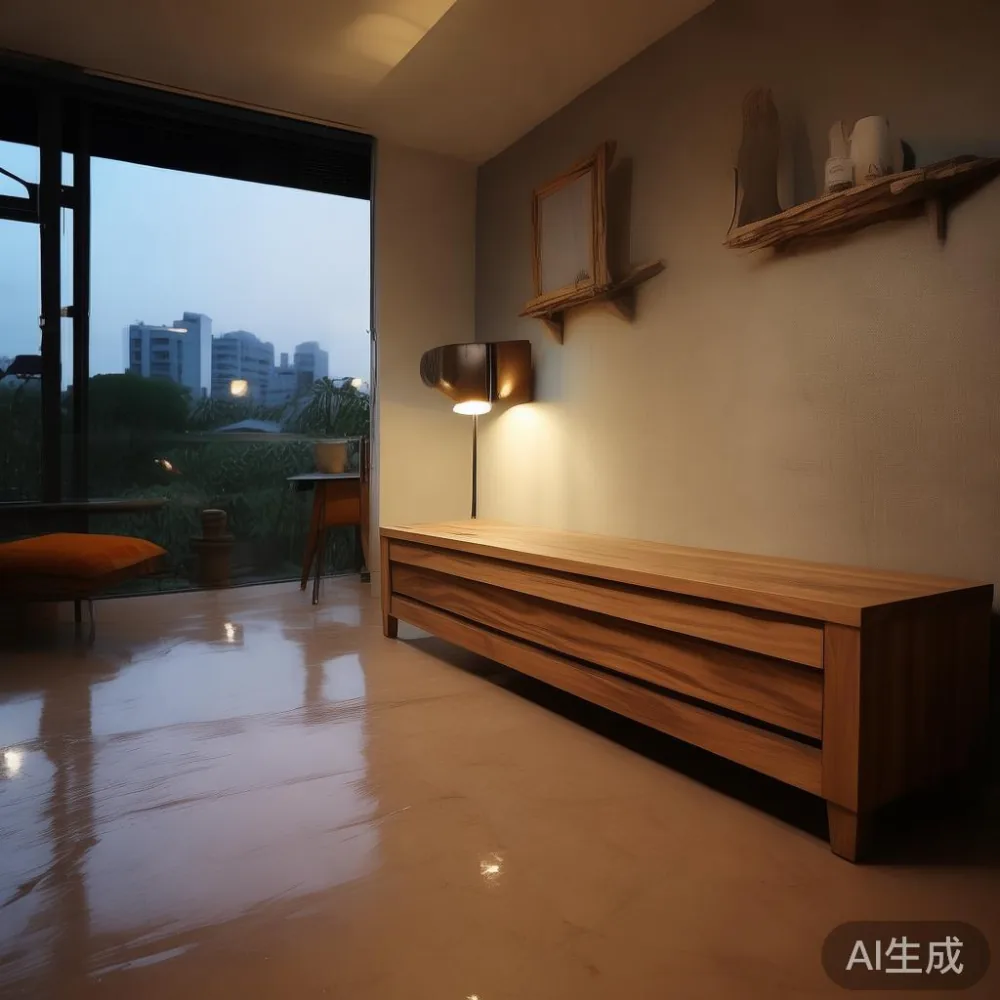
Numbers I collected from showroom visits last month in the Tai Seng and Eunos clusters:
• MDF + walnut veneer storage bench, 1.2 m, lift-up lid: S$420 (retail), S$480 delivered to a Punggol unit.
• Solid acacia storage bench, 1.2 m, lift-up lid: S$980 (retail), S$1,070 delivered (lift-up lid hardware adds around S$60).
• Solid white oak storage bench with cushion, 1.3 m: S$1,380 retail, S$1,500 delivered to a Tampines walk-up.
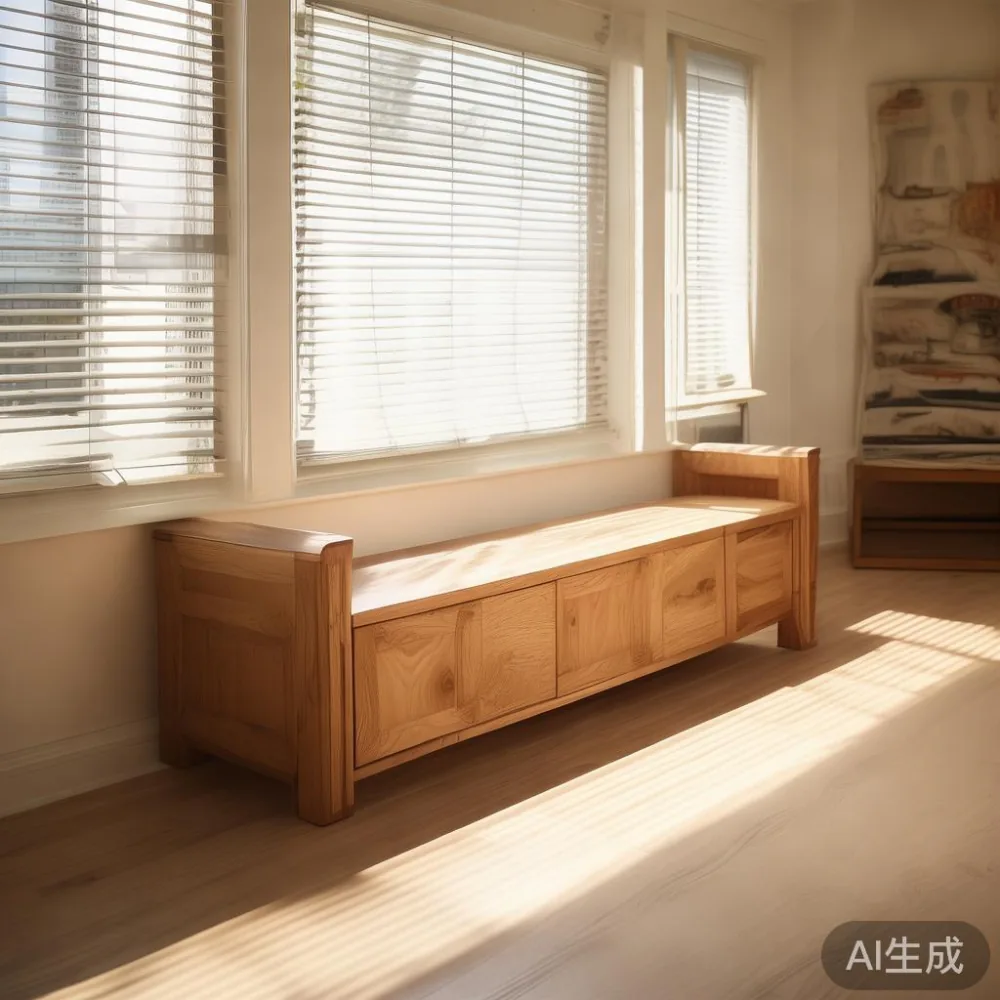
Add the small costs people forget: S$30 to S$60 for a moisture absorber pack in year one because Singapore humidity runs 70–85% most mornings, S$15 for furniture oil if you choose solid wood, and around S$80 for hinge re-alignment after the first monsoon season for either build. The headline price gap between veneer and solid wood at checkout sits at roughly S$560 to S$750.
How does each storage bench behave over 60 months in tropical humidity?
Over five years in a Tampines or Punggol flat with no dehumidifier running 24/7, the two materials age in very different ways. MDF swells when humidity spikes, and the thin 0.6 mm veneer on top starts to peel at the corners first. I have measured swelling of 1.5 mm to 3 mm on the bottom edge of MDF storage benches placed near a window after a single wet season.
Solid wood moves differently. Acacia and rubberwood expand across the grain in Singapore, around 2% across a 1.2 m panel, which is why the joinery matters. A solid wood storage bench built with proper tongue-and-groove panels, kiln-dried to 8–10% moisture content, and finished with a water-based polyurethane can sit on a balcony-adjacent foyer for five years and still look presentable.
The repairs look different too:
• MDF veneer chips: the patch rarely matches the surrounding grain, and replacement sheets at S$45 per sqft add up. A friend at a Woodlands HDB paid S$180 in year three to refinish a peeling corner.
• Solid wood dents and stains: sand (120-grit then 220-grit), oil, dry for 12 hours, cost about S$20 in materials and a Saturday afternoon per storage bench.
• Hardware replacement (lift-up lid dampers, drawer runners): identical for both builds, S$25 to S$45 per part.
The real question for a Singapore buyer is not whether solid wood survives but how much you save when a dent on a S$980 solid acacia storage bench costs S$20 to fix, while a S$420 veneer piece ends up being replaced entirely in year four.
Is a solid wood storage bench actually worth the higher ticket in a 5-year window?
Run the math on a 1.2 m storage bench, GST included, kept in a Punggol four-room flat:
Total cost of ownership, 60 months, all in SGD:
• MDF veneer: S$480 (purchase, delivery) + S$45 (year 2 hinge + handle) + S$40 (year 3 humidity guard) + S$320 (year 4 replacement, half original price) + S$45 disposal at HDB bulky waste collection = roughly S$930.
• Solid acacia: S$1,070 (purchase, delivery) + S$20 (year 1 oiling) + S$25 (year 3 damper swap) + S$20 (year 4 oiling) + S$15 (year 5 oiling) = roughly S$1,150.
The five-year gap shrinks from the sticker price to about S$220, well under what most families spend on two lunches at a Tampines kopitiam. For buyers planning to stay in the same unit past the five-year MOP window, the same solid wood piece can run ten years with two more oiling sessions (S$30 total), which does change the calculation further. This kind of honest math is exactly why I push new buyers toward solid wood for anything heavier than 18 kg, and exactly why the currier-tracked delivery from a Foshan workshop such as MIDHILL has become a real option now that sea freight from China to Singapore has stabilized around 18–25 days for bulk furniture orders.
What about lift access, corridor width, and that Sunday morning delivery?
Singapore logistics shape the total bill. A HDB lift in Tampines, Bedok, or Jurong is typically 1.1 m wide by 1.4 m deep, with a doorway of about 90 cm. A solid wood 1.2 m storage bench usually arrives flat-packed in 2 to 3 cartons between 15 kg and 28 kg each, because disassembling it keeps the carriers inside the lift limit (usually a 1,000 kg capacity, but with two residents already inside that drops to 800 kg). Most condo lifts around Punggol are even tighter because the cars are smaller to fit the tower footprint.
A poorly packed MDF veneer storage bench sometimes ships in one tall carton up to 180 cm, which simply will not fit through the lift door on its side. Carriers end up hoisting it up the service staircase, which adds S$60 to S$120 per attempt. I watched this happen at a Punggol condo last month and the homeowners were visibly relieved when the second delivery man simply tilted the box diagonally. Plan for this. If your corridor corner is under 1.1 m, insist on a flat-pack delivery from the seller and confirm the longest single piece is under 110 cm.
Does the look of a solid wood storage bench still fit a French light luxury or post-modern light luxury home?
Five years ago, light-luxury interiors in Singapore meant heavy marble tables, dark walnut, and thick bedroom wardrobes. Post-modern light luxury has moved toward quieter palettes: pale European oak, off-white linen, brushed brass on legs and pulls, and softer curves on a storage bench. The pieces still read premium, but the construction underneath is where the value lives.
Light-luxury positioning matters because the storage bench is often the entry-point purchase. The buyer falls in love with a European oak piece, then comes back six months later for the matching dining chairs, dressing table, and wardrobe. When shopping for a coordinated light-luxury home, ask the showroom to walk you through the full range: a solid wood sofa with a low arm profile, a bed frame with curved edges, a Modern light luxury dining table with slim legs, a matching nightstand, and the wardrobe that ties everything together. A storage bench worth S$980 should sit comfortably next to these larger pieces rather than be thrown away in two years.
For HDB buyers asking themselves whether the look of French provincial is worth it, the answer is usually yes if the home uses shutters, arched mirrors, and warmer lighting. Is French provincial bed worth it in a 980 sqft Punggol unit? It can be, provided the bed ships flat-packed and the headboard fits the 90 cm corridor. A French provincial storage bench with cabriole legs sold online at S$1,180 for a 1.1 m unit, weighed 34 kg, and arrived in a box that needed two men to carry to the third floor, the same flat where my colleague ultimately chose a leaner solid acacia storage bench with a lift-up lid.
How should a Singapore buyer decide between a solid wood storage bench and a veneer one?
A simple decision framework fits most HDB buyers I have spoken to. Run the storage bench through four checks before you tap PayNow:
1. Length of stay: if your MOP resets after five years and you are renting out the unit, a well-finished veneer piece at S$420 is fine. If you are staying past the decoupled BTO timeline, the S$1,070 solid wood piece usually wins by year four.
2. Moisture exposure: storage bench at the doorway near the kitchen hob or bathroom? Solid wood. Closet-floor storage bench in the master bedroom with a dehumidifier running? Either works.
3. Lift and corridor: measure the lift and the corridor corner. Anything over 1.3 m long needs flat-pack. Confirm the heaviest single carton is under 30 kg so two men can carry it up three floors if the lift is occupied.
4. Warranty and refinishing: a structural warranty of 10 years is meaningful only if the seller can refinish the piece locally, ship replacement panels, or simply send a new top. Free shipping over a reasonable threshold (most sellers start at around S$500 or US$350 for international orders) and 14-day returns make the first month of ownership safer. Lifetime refinishing sounds generous, yet in practice it usually means a quote for full sand-and-recoat after year seven, not free service at your door.
For smaller furniture that lives longer, ask whether a Mid-century modern dressing table, a slim European oak bed frame, or a slim-leg solid wood sofa fit your unit. Pieces labelled European light luxury bed and matching wardrobe in the same collection tend to share finishes, which makes the fifth and final decision (the storage bench) the easiest of all. The right storage bench then anchors a dining table, a wardrobe, a nightstand, and even a marble entry table into one quiet light-luxury interior.
Where do I land on solid wood vs veneer for a storage bench after five years?
I would rather pay S$1,070 once for a solid acacia storage bench that I can oil every second Saturday than replace a S$420 veneer piece halfway through. The five-year cost gap is small, the daily experience is better, and the storage bench stays useful for at least a decade. If you can pair the bench with a matching European light luxury sofa vs modern sofa comparison in the same showroom visit, you usually find one collection that solves the whole entryway, dining area, and bedroom at once. That kind of cohesion is how a single storage bench ends up driving a S$6,000 to S$12,000 light-luxury furnishing plan, which is precisely how Foshan makers such as MIDHILL approach a Singapore household: one well-built piece at a time, including a well-built storage bench that survives lift rides, monsoon humidity, and five full years of use.