Caring for Singapore’s Lacquered Storage Bench
A lacquered storage bench looks calm and architectural in a Singapore home, but the combination of heat, humidity, ultraviolet light, and frequent wiping can age the finish sooner than owners expect. The bench may live in an HDB flat at Tampines, beside the bed frame in a Bedok condo, or double as a landing place in a compact Punggol unit. Good care is less about elaborate routines and more about controlling moisture, friction, and direct sun.

MIDHILL builds solid wood storage benches with a 10-year structural warranty and supports lifetime refinishing. Those services make lacquer care practical for long-term ownership: surface damage can be assessed, and refinishing can restore the protective finish when daily cleaning is no longer sufficient. For delivery, orders over US$350 qualify for free shipping, although a Singapore delivery quote should be confirmed directly because local GST, lift access, and corridor measurements can affect the final SGD cost.
What Makes Lacquer Care Difficult in a Tropical Climate?
Singapore’s humidity often sits around 70–85% during wet periods, while daytime temperatures can reach 30–34°C. Lacquer is generally more resistant to water than bare solid wood, yet prolonged humidity can affect seams, joints, and the substrate beneath the film. A bench placed against an air-conditioned exterior wall may also experience condensation when temperature changes quickly.
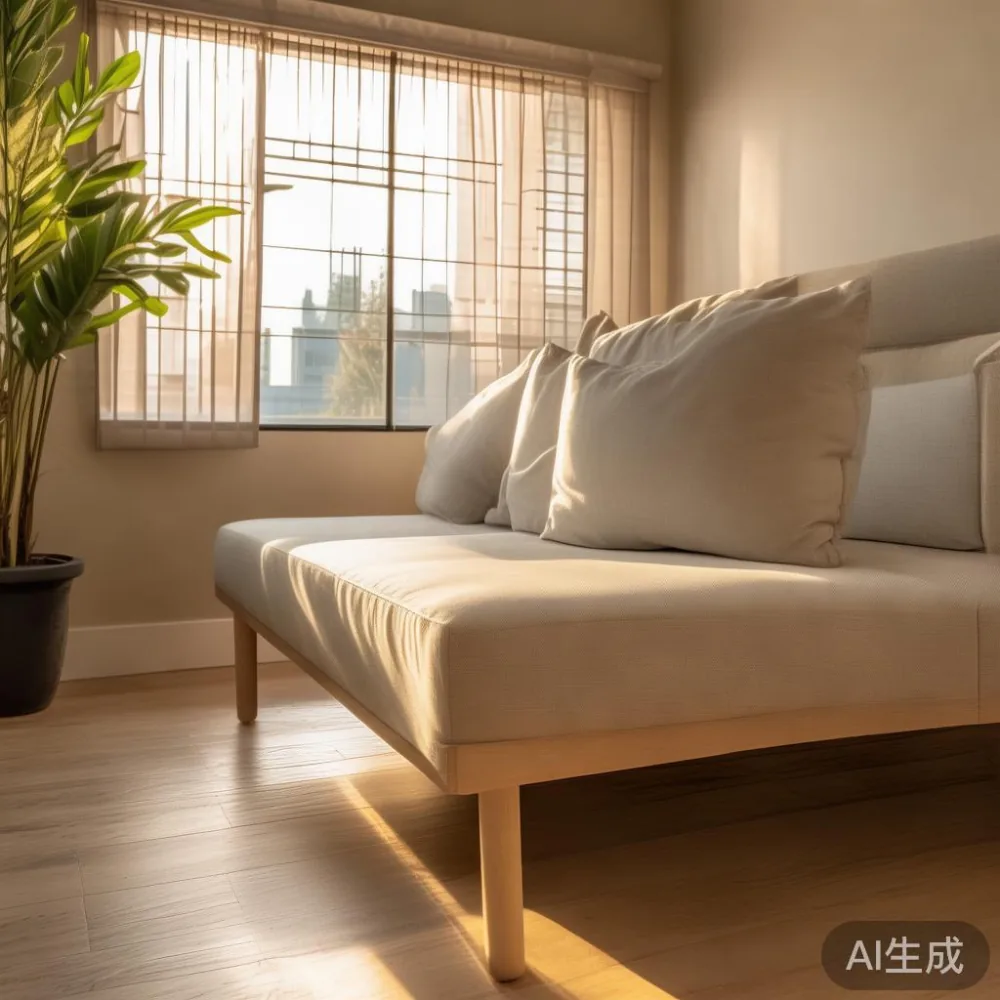
Direct sunlight adds another risk. Ultraviolet exposure can fade pigments and make some clear finishes look uneven, particularly along a top edge that receives reflected light from a window. Dirt, pet grit, and abrasive clothing can scratch lacquer when it is dragged across the surface.
Choose a bench that is stable in its intended position. For a typical storage bench, seat height is around 45–50 cm, depth is 38–45 cm, and length is 90–150 cm. Confirm the packed weight before moving it; a solid timber model may weigh 25–50 kg. Measure both the doorway and the lift door. A common HDB lift opening is about 90 cm wide, but older blocks vary, and tight corridors may require the carton to be turned on its side.
How Should I Clean a Lacquered Storage Bench?
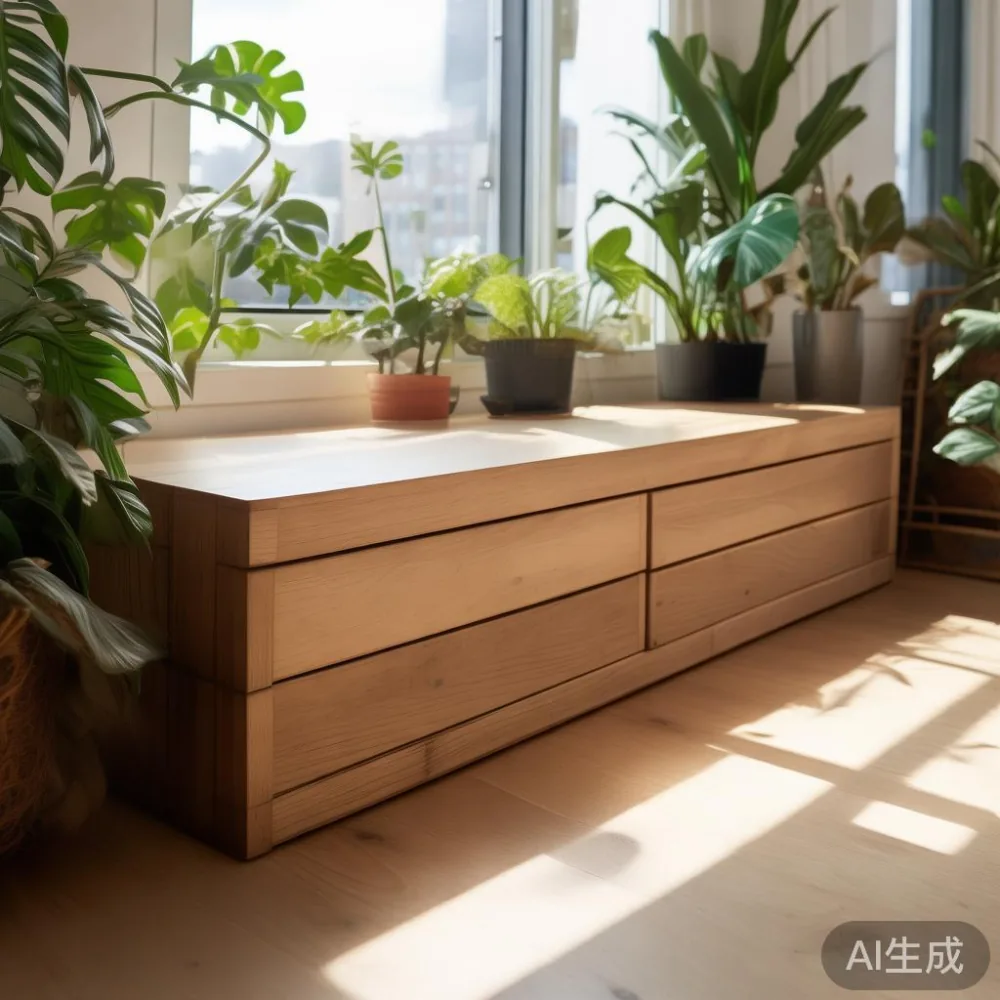
Clean lacquer gently with a soft, slightly damp microfibre cloth. Use plain water or a solution of approximately 5 ml of mild dish soap in 500 ml of water. Wipe along the grain, then dry immediately with a clean cloth. Avoid soaking the surface, flooding the gaps between panels, or spraying cleaner directly onto the bench.
Clean the storage bench every 1–2 weeks during humid months, or sooner after spills. Wipe food oils, sunscreen, and fingerprints promptly because they can form a sticky film. A separate soft brush can remove dust from joints, but it should not scratch. Test any cleaner on a concealed 10 cm × 10 cm area for 24 hours before using it over the full surface.
Do not use household bleach, ammonia, alcohol, abrasive powder, steel wool, or rough scouring pads. Even diluted vinegar can dull some polished lacquers, and acidic cleaners may leave dull patches. A silicone-based furniture polish is not necessary for routine maintenance; it can create a slippery seat and attract dust.
For spills, blot rather than rub. If red wine, cola, or paint lands on the finish, remove it within 15 minutes. Keep cleaning pads separate from kitchen cloths that contain detergent or bleaching residue. This habit protects a lacquered storage bench as effectively as it protects a lacquered dining table.
How Often Should a Storage Bench Be Checked for Wear?
Inspect the finish every 3 months under normal household use. Look for 4 common signs: a cloudy patch, a fine scratch, a lifting edge, or a change in sheen. Pay attention to the seat perimeter, lift lid, footrests, and the area where shoes are removed. A bench in an entryway may need checking monthly because grit and moisture arrive with footwear.
Place a washable mat under hot appliances, wet umbrellas, and heavy toolboxes. Do not set steaming laundry directly on lacquer; trapped moisture can swell the timber below the coating. Use trays for plants and coasters for drinks. A 3 mm gap beneath tableware is enough to prevent rings, while coasters should be at least 10 cm across for a cup and saucer.
Minor marks can sometimes be addressed with a lacquer-safe repair product. Follow its instructions precisely, work in a ventilated area, and wear gloves. Deep scratches, flaking, or a widespread dull finish are better handled through refinishing. MIDHILL’s lifetime refinishing policy provides a useful route for restoring a well-made solid wood storage bench rather than replacing it after 10 or 15 years of service.
Should a Storage Bench Be Kept Away from Air-Conditioner Vents?
Yes, keep the bench at least 1–2 m from a direct air-conditioning vent where practical. Cold airflow can repeatedly expand and contract the wood, while sharp temperature differences may encourage condensation. The same rule applies to a solid wood sofa, bed frame, wardrobe, or nightstand positioned beside a window air conditioner.
Aim for stable indoor conditions around 22–27°C and 45–65% relative humidity. A hygrometer placed near the bench gives a more useful reading than a phone weather app because it measures the room rather than a forecast for another district. In a compact HDB flat, control ventilation with doors and windows opened when outdoor humidity allows, and run the air conditioner when moisture begins to settle.
Leave at least 5 cm of clearance behind the bench if it sits against a wall. This allows inspection and airflow. If the storage bench includes doors, open them for 15–30 minutes after a shower-heavy day to release trapped humidity. For upholstered pieces nearby, such as a solid wood sofa with fabric cushions, use breathable covers and remove loose cushions when cleaning.
How Much Space Does a Storage Bench Need in an HDB Flat?
A storage bench needs enough clearance for use, not merely enough space to fit through the lift. For an entryway, reserve at least 80 cm in front of the lid and 5 cm behind the back. A common 120 cm bench has a seat height of 45 cm and can provide 35–45 cm of enclosed storage. If it doubles as a bench beside a dining table, allow 60–75 cm of walkway so people can sit down and reach the compartment without blocking the route.
Some owners search for a best European wardrobe for 2026 while reviewing European-style storage ideas. Whether the storage bench is paired with a Japanese-inspired bedroom, a French-inspired sitting room, or an American light-luxury apartment, the care principles remain the same. The phrase is Japandi wardrobe worth it also appears in bedroom comparisons, but wardrobe selection has little effect on the lacquer care required for the bench.
For spatial planning, list measurements in centimeters before ordering. Check the lift door, turning space at the landing, stair corners, and the narrowest corridor. Standard HDB rooms can be compact, so a 100–120 cm storage bench often functions better than a 160 cm model. If the home has an 80 cm passage, consider a bench no deeper than 35 cm and removable legs that reduce its packed length by 4–6 cm.
Delivery in Singapore typically takes 3–7 working days after stock confirmation, though made-to-order pieces may require 30–60 days. Request the final price in SGD and check whether GST is included. Lift or corridor handling fees may apply if the access point is difficult.
Can Humidity Damage the Lacquer or the Wood Beneath It?
Humidity can damage both. A sound lacquer film slows moisture movement, but it is not a permanent vapour barrier. Scratches, lifting edges, and failed seals can allow damp air and liquid into the timber. Once absorbed, wood may swell slightly, causing tight joints to move and leaving a visible “wavy” surface under reflected light.
Good lacquer care in Singapore is therefore a balance. Do not leave the bench wet, but do not make it bone dry either. Rapid heating can crack lacquer, so avoid placing a hot pan directly on it. Use a trivet rated for at least 60°C and wait 20 minutes before setting a heavy object on a recently wiped surface.
I tested a similar lacquered storage bench last month in a Bedok condo. I left one coaster containing 20 ml of water on the bench for 2 hours and another for 30 minutes, then measured around both. The short exposure left a faint ring; the longer exposure left a visible dull patch after 24 hours. A lightly damp cloth and immediate dry wipe removed both marks. The test showed why coasters and prompt wiping matter more than frequent application of polish.
How Do You Prevent Scratches and Peeling?
Prevention begins with habits. Lift objects instead of sliding them across the lid. Use felt pads beneath decorative items, and replace pads every 6–12 months as they collect grit. Keep grit off the floor, especially if the bench doubles as a shoe station. For children’s toys, use a 2 mm-thick felt layer; for cast-iron equipment, use a wider protective mat so the weight does not dent the lacquer.
Choose clothing-aware routines after outdoor activities. Sit on the bench rather than balancing on its edge, and do not drag shoes across the seat. Sharp belt buckles, watch faces, and pet claws can scratch clear lacquer. If pets use the bench, place a machine-washable runner over the seat and launder it every 1–2 weeks during humid weather.
French light luxury often combines pale woods, restrained profiles, and reflective lacquer details. Post-modern light luxury may mix matte panels with polished surfaces. In both cases, contrast can reveal scratches because the sheen changes under angled light. A neutral 4000–5000 K lamp helps the surface look consistent during the day, while curtains with a UV filter can reduce fading at the window.
What Should I Know Before Buying a Light-Luxury Storage Bench?
Check the frame, finish, movement, and warranty as one system. Ask whether the top, sides, and drawer components are solid wood or veneer, and look for stable joinery rather than only decorative edges. For a solid wood dining table, solid wood sofa, bed frame, wardrobe, or nightstand, the same standards of moisture control apply inside the case or frame.
Reviews of the top 10 light luxury furniture can help define a style target, while a guide to how to choose light luxury sofa offers useful questions about comfort and proportion. For the bench itself, confirm lacquer type, cleaning guidance, expected colour variation, and refinishing terms. Also check that the finish can be renewed without replacing the complete piece.
Look at practical dimensions: 2–3 cm solid rails, drawers that run on dampers, a reinforced lid, and hardware rated for at least 5,000 cycles if the bench is opened daily. Test the storage access before signing for delivery. A 45 cm-deep interior can hold shoe pairs or seasonal linen, but avoid damp towels and heavy tools that can distort a base panel.
Design searches sometimes include Industrial for small living room or French for guest room. These phrases can narrow the visual direction, yet a compact home should never sacrifice access. Ensure at least 30 cm of clear opening space at the front and measure the largest item the bench must store. Allow another 5 cm above a lift lid when it opens fully.
What Is the Simple Care Routine for a Lacquered Storage Bench?
Use a 3-step routine: dust with a dry microfibre cloth, clean with a lightly damp cloth, and dry immediately. Perform the routine every 7–14 days, wipe spills within 15 minutes, and inspect the finish every 90 days. Keep the bench away from direct sun and air-conditioner vents, and control room humidity where possible.
A lacquered storage bench suited to a Tampines, Bedok, or Punggol home should feel practical, durable, and visually composed. With coasters, careful lifting, stable humidity, and periodic inspection, the finish can retain its clear depth for many years. MIDHILL’s 10-year structural warranty and lifetime refinishing support add a practical layer of reassurance without changing the need for sensible daily care.