The True Cost of a Storage Bench: A 5-Year Veneer vs. Solid Wood Analysis for Singapore Living
For residents of Singapore's HDB flats and condominiums, from the narrow corridors of Tampines to the compact layouts of Punggol and Bedok, furniture choices are a balance of function, space, and long-term value. A storage bench is one such piece that offers immediate utility—providing a place to sit, store shoes, bags, or seasonal items, and often acting as a console table. But beneath the surface, a significant choice exists: veneer or solid wood? This material choice dictates not just aesthetics but also durability, maintenance, and ultimately, the total cost of ownership over five years. This article breaks down the financial and practical implications of each option, using concrete figures and local context to help you make an informed decision.
Understanding the Materials: Solid Wood and Veneer Explained
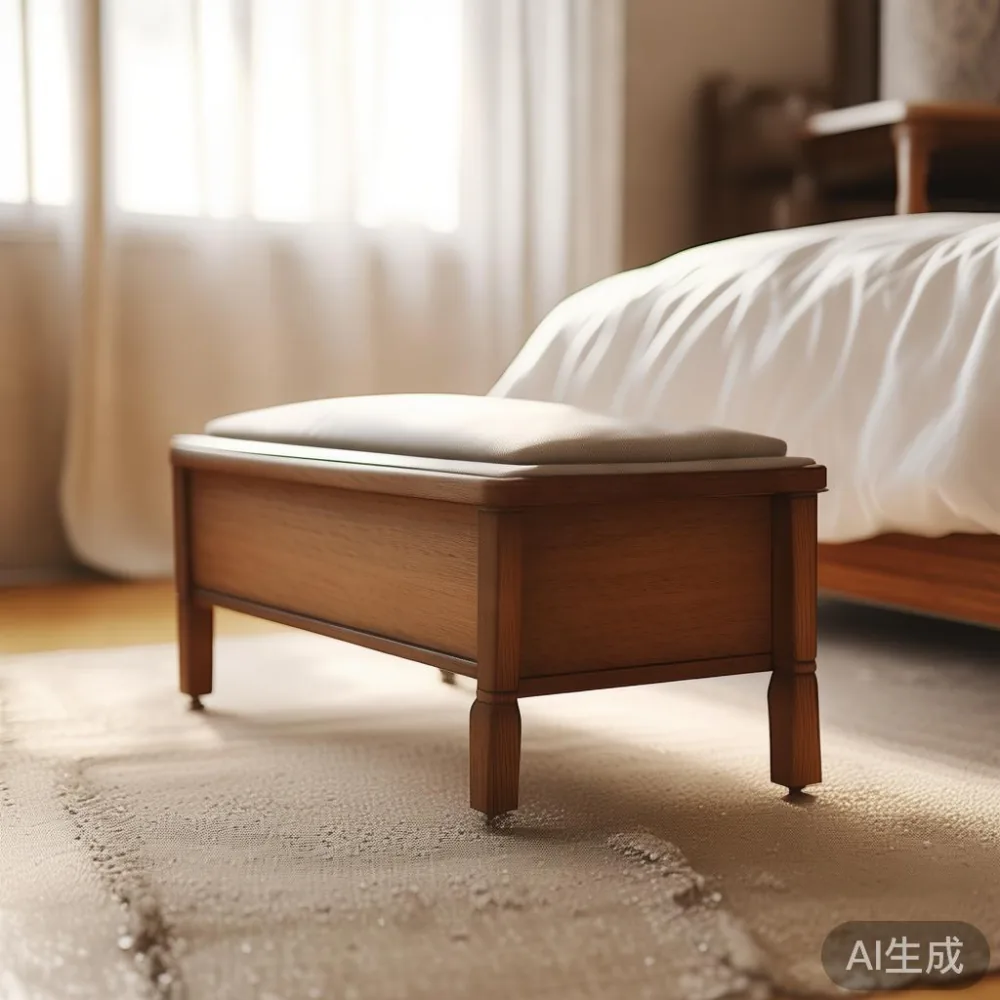
Before comparing costs, it is important to understand what these terms mean. Solid wood furniture, like the pieces crafted by a Foshan-based maker established in 2008, is constructed entirely from genuine timber. A solid wood storage bench, for example, might be made from oak, mango wood, or sheesham. The entire structure, from the legs to the top panel and the internal storage compartment, is a single piece or joined pieces of solid lumber. This material is valued for its natural grain, strength, and ability to be refinished multiple times over its lifespan.
Veneer, on the other hand, is a thin layer of real wood applied over a core panel, typically made of engineered wood like Medium-Density Fibreboard (MDF) or plywood. The veneer provides the look and feel of solid wood at a lower material cost. However, the underlying structure is the critical point of difference. The core material determines the bench's weight, stability, and how it responds to changes in Singapore's humidity, which can be significant throughout the year. A veneer storage bench might look identical to a solid wood one on the showroom floor, but its long-term performance tells a different story.
Initial Purchase Price: The Upfront Investment
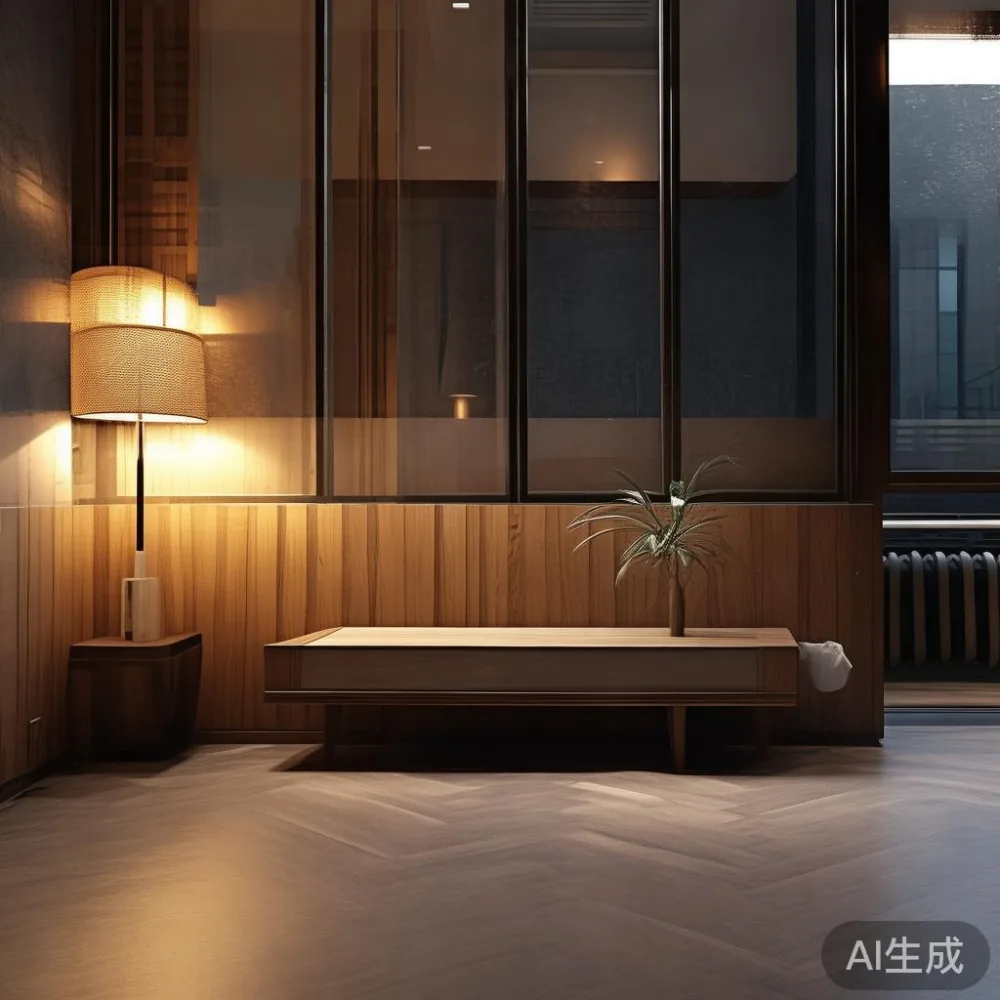
The most immediate difference between veneer and solid wood storage benches is the price tag. In the Singapore market, a veneer storage bench typically starts from around SGD 350. For this price, you can expect a functional bench with a reasonable finish. A solid wood storage bench, however, commands a premium. A well-constructed piece from a reputable manufacturer will generally start from SGD 800 and can go up to SGD 2,000 or more, depending on the wood species, design, and craftsmanship.
For example, a standard 120 cm long veneer storage bench might cost SGD 380. A comparable solid mango wood storage bench from the same collection could be priced at SGD 950. This initial price difference is the most significant factor for many buyers. However, viewing it as a simple cost comparison is misleading. The price of a storage bench is not just for a place to sit; it's an investment in a piece of furniture that will occupy a prime spot in your home for years.
Longevity and Durability: The 5-Year Test
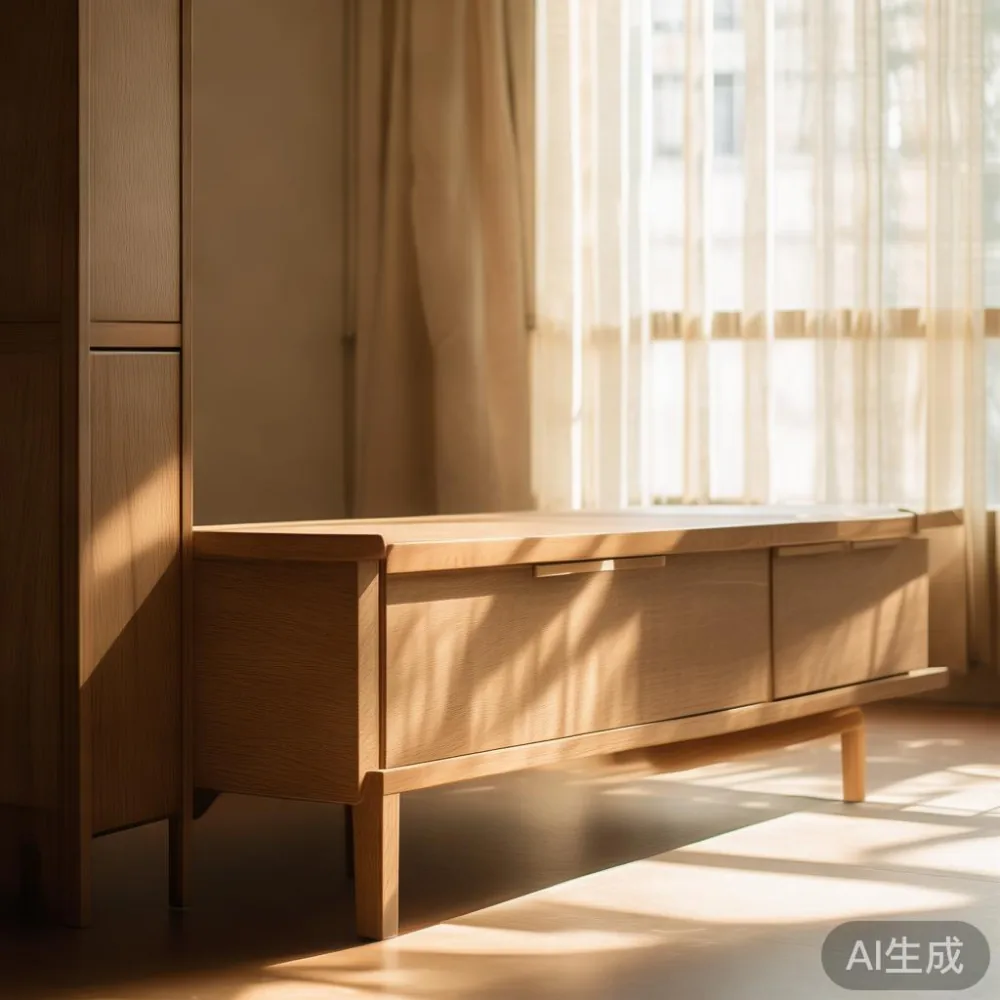
Over a five-year period, the durability of the material becomes a major factor in the total cost of ownership. Solid wood is inherently more durable. It can withstand the rigours of daily use, such as sitting, placing heavy items on top, and occasional bumps. It is also more resistant to moisture damage if spills are wiped up promptly. A solid wood storage bench is less likely to suffer from structural failure, such as leg joints weakening or the top panel sagging under weight.
p>Veneer furniture is more susceptible to wear and tear. The thin wood layer can chip, scratch, or peel, especially at the edges. The engineered wood core is more vulnerable to moisture. A small, unaddressed spill can seep into the MDF, causing it to swell, warp, and lose its structural integrity. This is a common issue in Singapore's humid climate, especially in HDB flats where air conditioning is not always on in common areas. A veneer storage bench that starts looking shabby after three years will need to be replaced, adding to its long-term cost, whereas a solid wood piece remains functional and aesthetically pleasing.Repair and Maintenance Costs: Keeping Your Bench Looking New
When damage inevitably occurs, the cost and feasibility of repairs differ greatly. A solid wood storage bench can be easily repaired. Minor scratches can be sanded out and the wood re-oiled or re-waxed. Deeper gouges can be filled with wood putty and blended in. Because the piece is solid wood through and through, refinishing is a viable option. A high-end manufacturer often offers a lifetime refinishing service, meaning you can sand down the entire surface and apply a new finish, restoring the bench to its original condition decades later. This potential for restoration adds immense long-term value.
p>Repairing a veneer storage bench is far more difficult and costly. If the veneer layer is damaged, it is challenging to patch smoothly without the repair being noticeable. If the engineered wood core is damaged, the repair is often impossible. The entire panel may need to be replaced, a complex and expensive process that may not be cost-effective for an inexpensive piece of furniture. Over five years, a veneer bench might accumulate a series of small, irreversible damages, diminishing its appearance and function, while a solid wood bench can be maintained with minimal effort and cost.What About Resale Value? The Hidden Financial Factor
While most people do not plan to sell their storage bench, its potential resale value is part of its financial equation. Solid wood furniture holds its value remarkably well. A five-year-old solid wood storage bench, if well-maintained, can still fetch a significant portion of its original price on the second-hand market. Its timeless appeal and durable construction make it desirable for buyers looking for quality used furniture.
p>A five-year-old veneer storage bench, conversely, has virtually no resale value. It is often seen as a disposable item. By the five-year mark, it may show clear signs of wear, and its engineered wood core makes it less appealing. When you decide to replace it, you will likely have to dispose of it, with no financial return. This hidden cost—the complete loss of your initial investment—should be factored into the total cost of ownership.Is a Solid Wood Storage Bench Really Worth the Higher Price?
This is the question many homeowners in Singapore ask when faced with the price difference. The answer lies in your priorities and how you use the piece. If you need a temporary solution for a rental property or a children's playroom where durability is not the primary concern, a veneer storage bench might suffice. However, for a main living area, a hallway in a permanent HDB flat, or a condominium in Tampines or Punggol, a solid wood storage bench offers a better return on investment.
p>Consider the experience of my colleague, Sarah, who lives in a Bedok HDB flat. She bought a veneer storage bench for SGD 350 three years ago. It looked nice initially but developed a noticeable chip on the corner within the first year. Last month, a small water leak from her aircon unit caused the veneer on the side to bubble and peel. The MDF core underneath is now soft and warped. The bench is structurally unsound and needs to be replaced. Her total cost over three years was SGD 350 for the purchase and SGD 0 for repairs, as it is beyond repair. She now wishes she had spent SGD 800 on a solid wood option that would have lasted for decades.Making the Right Choice for Your Singapore Home
When choosing a storage bench, consider the environment it will live in. The standard lift and corridor widths in most Singapore HDBs and condos are around 80-90 cm, so a bench wider than 120 cm may be difficult to manoeuvre. A solid wood bench, being heavier, requires careful handling during delivery. However, many manufacturers offer free shipping over SGD 350, which is easily met by even a single solid wood piece.
p>Also, factor in the Goods and Services Tax (GST). The price you see is usually inclusive of GST. A more expensive item will naturally have a higher GST component, but the value you receive is also greater. A solid wood storage bench is a purchase that aligns with the principles of designer light luxury furniture—pieces that are not just beautiful but are built to last and become a cherished part of your home's story.Where to Find Quality Solid Wood Furniture in Singapore
For those who decide that a solid wood storage bench is the right investment, sourcing a quality piece is key. Look for brands with a proven track record. A company that has been exporting to 15+ countries since 2008, for instance, likely has the experience and quality control to produce reliable furniture. Check their warranty offerings; a 10-year structural warranty is a strong indicator of confidence in the product's durability. A policy like free shipping over SGD 350 and a 14-day return window also provides peace of mind, ensuring you can receive your purchase risk-free and have time to assess it in your home.
p>When you are ready to furnish your bedroom, you might ask yourself how to choose French bed. The same principles apply: look for solid wood construction, joinery quality, and a reputable warranty. The same goes for styling; learning how to style light luxury bed in bedroom involves choosing pieces that complement each other in material and design. A solid wood storage bench can be the perfect anchor piece in an entryway, complementing a solid wood sofa or a marble table in your living area.Conclusion: A Bench for Life, Not Just for Now
Over a five-year period, the financial equation shifts decisively in favour of solid wood. While the initial cost of a solid wood storage bench is higher, its superior durability, lower maintenance costs, and potential for refinishing make it a more economical choice in the long run. The veneer option, with its low upfront price, often leads to a cycle of replacement and additional spending. For the discerning homeowner in Singapore, whether in a Punggol apartment or a Bedok maisonette, a solid wood storage bench is not just a piece of furniture. It is a long-term investment in quality, beauty, and functionality that will serve your home for years to come.