A 5-Year Cost Comparison: Veneer vs Solid Wood Storage Benches in Singapore
For Singapore homes, the price tag on a storage bench is only the first cost. The model must also fit a lift, survive humid corridors, fit an HDB flat or condo, and still look convincing after 5 years of daily use. Veneer and solid wood can both suit a storage bench, but their long-term financial outcomes differ. This comparison uses realistic Singapore figures in SGD, including purchase price, delivery, maintenance, repair, and likely replacement timing.
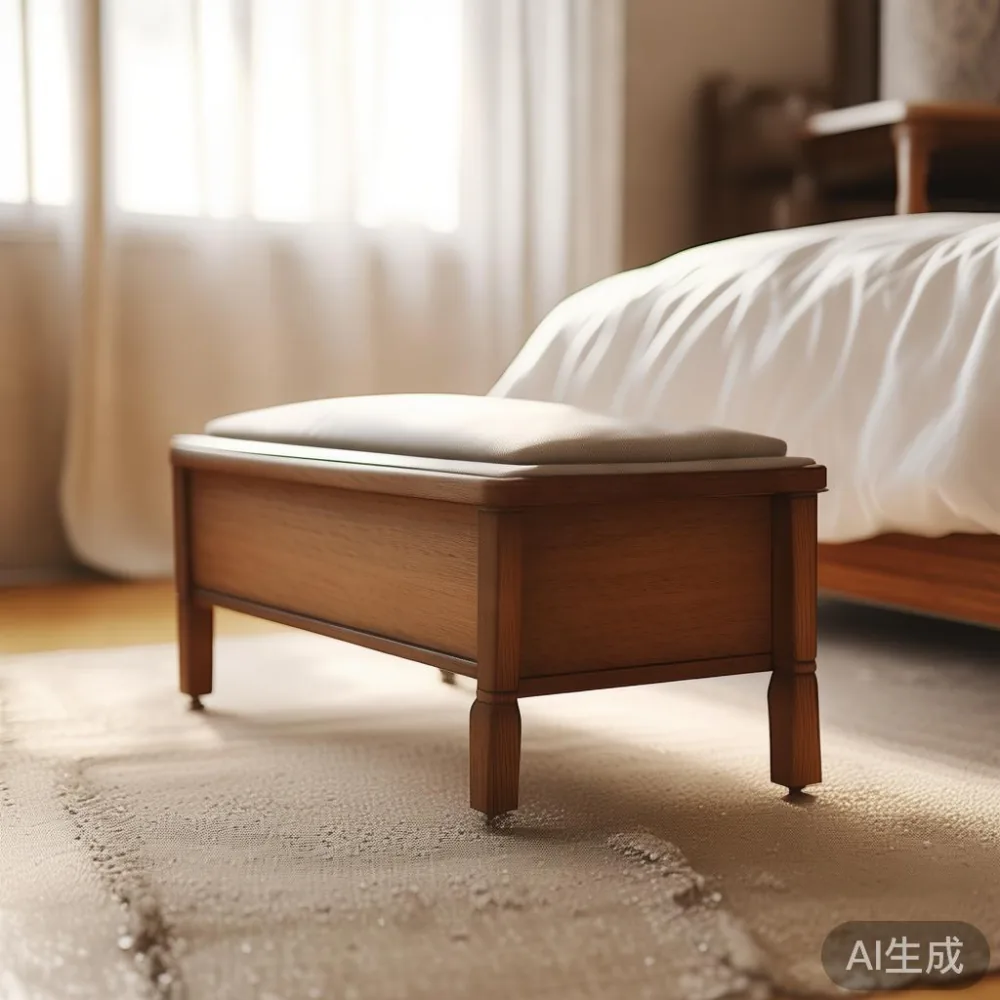
The practical example is a 120 cm wide, 40 cm deep, and 45 cm high storage bench with a lift-up seat, 2 drawers, and a total weight of about 34 kg for veneer or 52 kg for solid wood. The dimensions suit many Bedok and Tampines HDB living rooms, while a narrower 100 cm version can work in a Punggol condo corridor. Every estimate below is in SGD and excludes the 9% GST shown separately for registered Singapore businesses.
What does a storage bench cost over five years in Singapore?
A mid-range veneer storage bench may cost SGD 520 before GST, while a comparable solid wood storage bench may cost SGD 1,080. The wood version may use rubberwood, pine, ash, or oak veneer over engineered board; the solid wood version uses one species throughout, apart from occasional drawer runners and hardware.
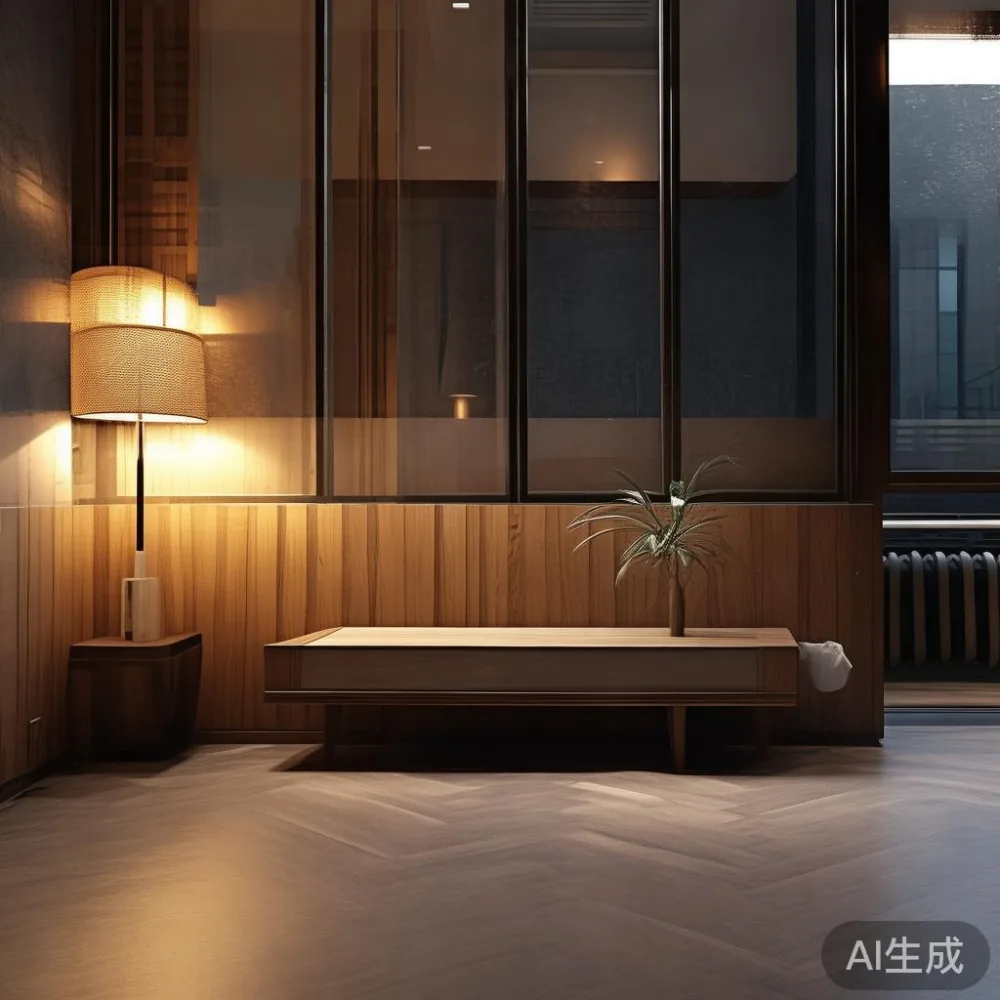
Over 5 years, the veneer example has a modeled total cost of SGD 771 after adding delivery, 2 minor repairs, 1 partial replacement, and the residual value of the used bench. The solid wood example has a modeled total cost of SGD 1,398 because its purchase price is higher, but it retains more usable value at the end of year 5.
The comparison assumes a 9% GST rate for business purchases, delivery within Singapore, and no coupon. It also treats minor repairs as occasional rather than annual. A bench that fails badly or is discarded early can produce a different total.
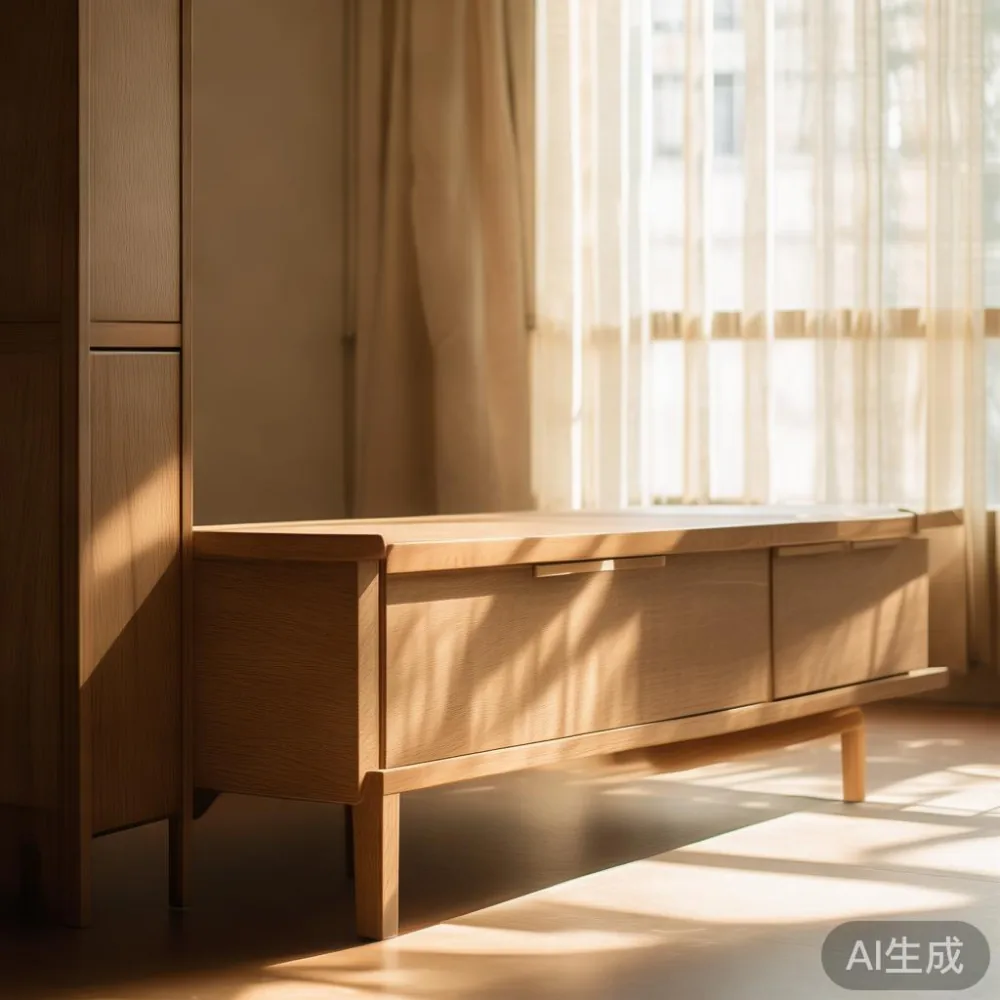
5-year cost summary:
- Veneer: SGD 520 purchase + SGD 47 GST + SGD 60 delivery = SGD 627 before maintenance.
- Solid wood: SGD 1,080 purchase + SGD 97 GST + SGD 60 delivery = SGD 1,237 before maintenance.
- Veneer projected 5-year outlay: SGD 771, with about SGD 180 residual value.
- Solid wood projected 5-year outlay: SGD 1,398, with about SGD 450 residual value.
In cost-per-year terms, the veneer model averages about SGD 154 a year over 5 years. The solid wood model averages about SGD 280 a year. Solid wood becomes easier to justify when resale or continued use beyond year 5 matters, while veneer can suit a measured budget and a low-impact room.
How does veneer perform in Singapore humidity?
Veneer is a thin layer of real wood, commonly about 0.3 mm to 1.2 mm, bonded to an engineered core. That core may contain particleboard or MDF. A 120 cm storage bench weighs roughly 30 to 38 kg. Veneer can chip at corners, scratch on the seat, or show water marks if its finish is breached.
The main humidity risk is not always the wood face. The adhesive and core can respond to repeated moisture and heat. In an HDB flat, benches may sit beside an air-conditioned living room, near a balcony door, or in a corridor exposed to humid air. Avoid placing a veneer storage bench directly against a cold exterior wall or under a laundry drying rack.
A solid wood storage bench in this size may weigh 48 to 58 kg. Its weight gives it stability, but it can move more slowly through a narrow HDB corridor and be harder to carry upstairs. Before ordering, measure the actual lift door rather than estimating from the building floor plan. A lift entrance of 80 cm may require careful turning, while a 90 cm opening gives more room.
Singapore’s relative humidity commonly ranges from about 65% to 85%, with higher readings during wet periods. Neither material needs to be treated like a permanently wet-zone product. Wipe spills within 10 minutes and keep at least 20 cm of ventilation space when the bench is placed against a wall.
For solid wood, allow the bench to acclimatise for 48 to 72 hours after delivery. Remove the protective packaging gradually, especially during the first humid week. Veneer needs the same controlled unpacking, but its edges deserve particular attention because the core is less forgiving of knocks.
What maintenance does each storage bench need?
Veneer usually needs less expensive cosmetic work, yet damage can progress quickly. A deep scratch may need patching and refinishing rather than a simple polish. Budget around SGD 35 to SGD 60 for a small corner repair, SGD 80 to SGD 140 for drawer alignment, and SGD 180 to SGD 320 for a seat-panel replacement with matching veneer. Matching an old shade can be difficult after 3 years of sunlight and cleaning.
Solid wood repairs can cost more per visit but often have more options. A drawer runner may cost SGD 45 to SGD 90, hinge hardware SGD 25 to SGD 60, and a professional surface restoration SGD 90 to SGD 180. A larger board replacement can reach SGD 220 to SGD 420 depending on the species and finish.
Refinishing schedules vary by use. A veneer bench used as a shoe bench may receive light care, while a solid wood bench used as a dining table and storage bench may need more frequent cleaning. A soft cloth, pH-neutral cleaner, and coasters reduce damage. Avoid silicone-based polish, which can build up and alter sheen.
This is where MIDHILL’s lifetime refinishing policy changes the comparison if its terms apply to the purchased model and finish. A customer can restore a worn solid wood storage bench without treating a new purchase as a separate expense at year 3. For eligibility and coverage, confirm the written terms with the supplier before ordering.
My colleague visited a Tampines HDB flat last month to inspect a 110 cm bench that had served 18 people during a family gathering. Its old veneer seat had split along a lower edge, but the drawers still ran correctly. A comparable solid wood unit in the same flat had a marked top and one loose runner. After sanding and refinishing, the solid wood surface looked usable again; the veneer edge needed a more visible patch. The example showed that repairability can outweigh the lower initial price over time.
How much do delivery, GST, and fitting add?
Singapore delivery can add SGD 40 to SGD 80 for a normal doorstep service, while a carry-up service in a condo may cost SGD 80 to SGD 150. Standard delivery commonly takes 7 to 14 calendar days after dispatch. Made-to-order production can take 30 to 45 days, followed by another 3 to 7 days for local delivery.
At MIDHILL, free shipping applies to qualifying orders over US$350, or approximately SGD 465 before conversion fees. Payment exchange rates, bank charges, and destination terms can affect the final amount, so Singapore buyers should check the checkout total. This article uses a separate SGD 60 local delivery allowance for a like-for-like comparison.
GST adds 9% to a Singapore business invoice, or SGD 46.80 on a SGD 520 veneer purchase. The same tax adds SGD 97.20 to a SGD 1,080 solid wood purchase. A household buying with a card may not add GST visibly to the displayed price, but the tax remains part of the business customer’s acquisition cost.
Access planning is part of the cost. A 52 kg solid wood storage bench may need 2 people on a staircase and a trolley with load capacity above 70 kg. Add SGD 40 to SGD 120 if a third-party mover is required inside the unit. A veneer bench may need only 1 person for a level corridor, though the drawers should still be removed before lifting.
Measure 3 clearances: the lift door, the turning space at the landing, and the intended bench position. A 40 cm deep storage bench leaves enough passage in many HDB corridors, but a 50 cm depth is less convenient beside a main door. Allow at least 5 cm behind the bench if wall fixings or skirting are involved.
Which material has the lower five-year cost?
The direct answer depends on whether the bench is expected to remain in use. On a simple cash-out basis, veneer wins for the first few years. It costs about SGD 460 less at purchase before maintenance. If the veneer unit must be replaced in year 4, the expected 5-year outlay can reach SGD 1,050 to SGD 1,320, especially if matching its finish proves difficult.
Solid wood generally carries the higher five-year cost under this model, but it also offers stronger repairability and residual value. If the bench survives with refinishing rather than replacement, its average annual cost can fall below SGD 250 after year 5. If resale value is excluded, that advantage is smaller.
Choose veneer when the storage bench has a defined role, the budget is controlled, and replacement after 4 to 6 years is acceptable. Choose solid wood when the bench will be used daily, moved less often, sold with a home, or expected to remain beyond 5 years.
Style should not be confused with construction. French light luxury, American light luxury, and post-modern light luxury can all use solid wood, while veneer can also imitate a pale oak or walnut surface. Product references such as a solid wood sofa, bed frame, dining table, wardrobe, nightstand, or marble table help buyers judge material consistency across a home, although marble remains a separate stone surface.
For broader room planning, the question of how to style light luxury bed in room can influence the surrounding furniture palette, including a storage bench with warm timber tones. A buyer comparing an American bed vs Italian light luxury bed may focus on shape and finish, but should confirm whether drawers, frames, and panels use actual solid wood or veneer.
How do I compare a storage bench fairly before ordering?
Ask for 6 written details: the core material, veneer species and thickness, solid wood species, finish type, moisture precautions, and repair scope. Confirm whether “solid wood” applies to the frame, seat, drawer boxes, or all visible and structural parts. The term can describe different constructions.
Request a 120 cm sample or a close-up image showing edges, underside, and drawer interior. A high-quality solid wood storage bench should reveal consistent grain direction and joined construction where expected. Veneer should have tight seams without visible gaps darker than 1 mm.
For a coordinated living room, compare the bench with the shortlisted best Modern light luxury sofa for 2026, using proportion, leg height, and colour temperature rather than matching every grain pattern. The phrases light luxury sofa vs Italian light luxury sofa, light luxury sofa vs Nordic sofa, and European light luxury sofa vs Nordic sofa describe different visual directions, but they do not establish whether the bench is solid wood or veneered.
Finally, price the complete package. For the solid wood route, use SGD 1,080 + SGD 97 GST + SGD 60 delivery + SGD 161 estimated maintenance over 5 years, less about SGD 450 retained value, producing a modeled cost of SGD 948? No: when retained value is treated as an offset, the net cash cost is SGD 948. The gross outlay is SGD 1,398. For clarity, the comparison table treats residual value as a separate asset line, not hidden inside the expense figure.
A buyer who keeps either bench for the full 5 years should choose according to the material and service terms they understand. The lower upfront price is not the same as the lowest financial commitment. The higher upfront price can still produce more usable furniture years if the surface can be maintained and refinished.
Is solid wood worth the extra cost for a storage bench?
Solid wood is worth considering when the storage bench will work as a permanent fixture, a daily seat, and a place to display books or tableware. Its heavier construction can resist small knocks, while repairable surfaces can extend its useful life. Veneer is more reasonable when the bench serves a temporary room, a rental property, or a short-term storage need.
For most Singapore buyers, the decision is not simply “wood versus fake wood.” It is a choice between a lower initial purchase and a more durable asset. Measure the route into the home, calculate the GST and service costs, and obtain repair terms in writing. MIDHILL was established in 2008 and exports to more than 15 countries, giving buyers access to an international production network; its 10-year structural warranty and 14-day return window should be checked against the selected storage bench specification.
Those details matter because a 5-year cost comparison is ultimately about the day the bench arrives, the years it remains useful, and what happens when the first scratch appears. A clear specification and dependable after-sales support can make either material a sound choice, provided the expected 5-year ownership plan matches the room.