The Anatomy of a Price Tag: Understanding Solid Wood Furniture Costs
Walking through the furniture districts of Singapore, from the showrooms in Tampines to the high-end boutiques in Orchard, one question consistently surfaces from homeowners: why does a simple storage bench command such a wide range of prices? A piece that seems straightforward—wood, a cushion, and a place to store things—can cost anywhere from SGD 250 to over SGD 2,500. The answer is not a simple matter of markups. The price of a solid wood storage bench is a complex equation, built from the raw materials, the hands that shape them, the journey they take, and the promise they carry long after they arrive in your HDB flat or condominium.
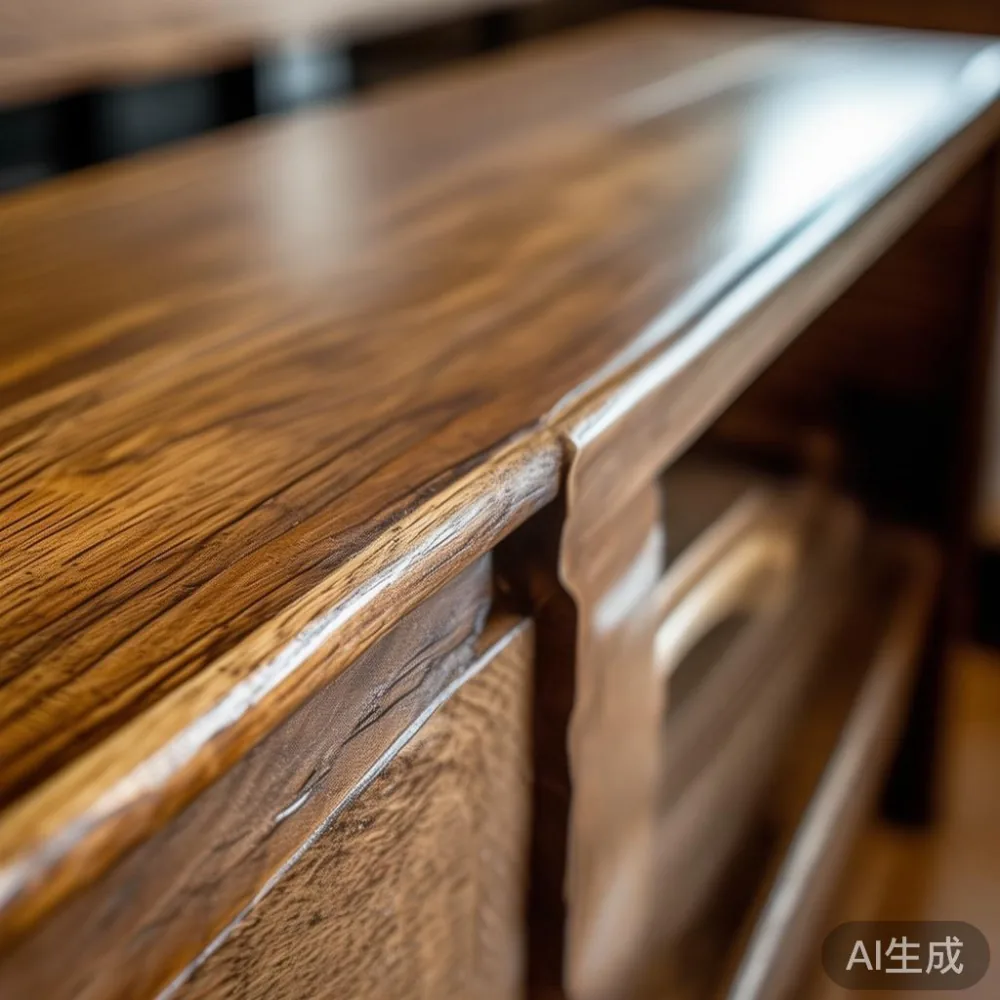
Why Does a Storage Bench Cost So Much? The Material Foundation
The most fundamental component of any solid wood furniture piece, including a storage bench, is the wood itself. Not all wood is created equal, and this is where the first major divergence in price begins. For a storage bench, manufacturers typically choose from three main categories of wood: solid hardwood, solid softwood, and engineered wood.
Solid hardwoods like Oak, Walnut, and Mahogany are the premium choice. Oak is celebrated for its durability and distinctive grain patterns, often costing between SGD 80 to SGD 150 per board foot. Walnut, with its rich, dark tones, can command SGD 120 to SGD 200 per board foot. These woods are dense, resistant to wear, and age beautifully, developing a patina over decades. This makes them ideal for a storage bench that will see daily use in a hallway or living room. The weight of a solid oak storage bench, for instance, can easily reach 25-30 kg, a proof of its density.
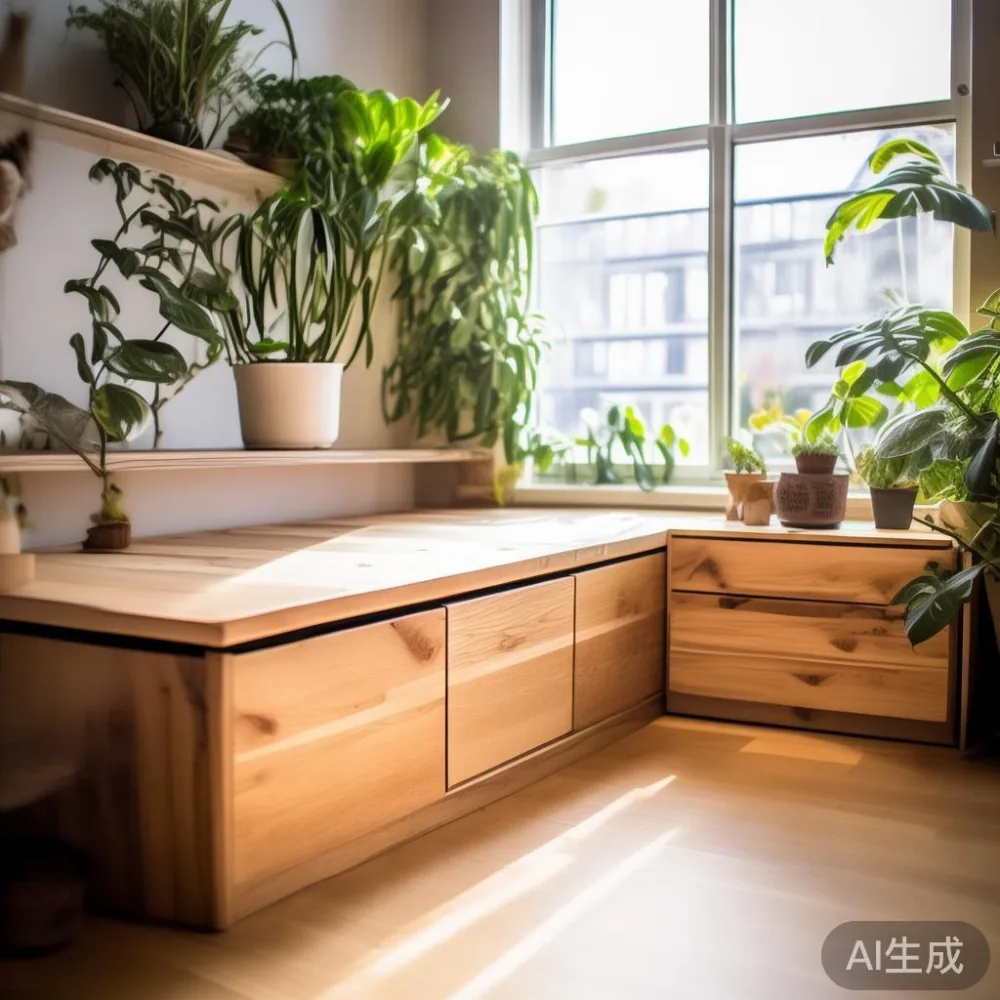
On the other hand, solid softwoods like Pine or Rubberwood are more affordable. Pine is a popular choice for its lighter weight and more rustic appearance, with costs typically ranging from SGD 30 to SGD 60 per board foot. A storage bench made from solid pine might weigh only 15-20 kg. While durable, softwoods are more susceptible to dents and scratches. They offer a different aesthetic, often associated with a more casual, Scandinavian or coastal style. For someone in a Bedok HDB flat looking for a functional and budget-friendly option, a solid pine storage bench provides excellent value.
Engineered wood, such as MDF (Medium-Density Fiberboard) or plywood, forms the base of more affordable furniture. A storage bench with an MDF frame and a wood veneer finish might be priced under SGD 300. The wood veneer provides the look of solid wood without the cost of the solid material itself. However, these materials lack the structural integrity and longevity of solid wood. They are more susceptible to moisture damage and cannot be refinished in the same way, which is a key consideration for the lifetime value of a piece.

The Singaporean Context: Space, Style, and GST
The price of a storage bench in Singapore is also shaped by the unique context of our living spaces. The standard width of a corridor in an HDB flat is typically 1.2 meters, while a condominium corridor might be slightly wider. A storage bench must fit within these dimensions to be practical. This means a standard storage bench is usually designed to be around 100 cm to 120 cm in length, 40 cm in depth, and 45-50 cm in height. These specific dimensions are not arbitrary; they are a direct response to the spatial constraints of local homes.
Style also plays a significant role in pricing. The demand for light luxury aesthetics has seen a rise in pieces that blend functionality with sophisticated design. For instance, a storage bench featuring a marble tabletop or brass inlays will naturally cost more than a simple, all-wood model. The French light luxury style, for example, emphasizes elegant curves, soft curves, and luxurious fabrics, which can add to the material and labour costs. Similarly, a post-modern light luxury storage bench might feature clean lines and a monochromatic palette, requiring precise craftsmanship that commands a higher price point.
Then there is the Goods and Services Tax (GST). At 9%, GST is a non-negotiable component of the final price. A storage bench listed at SGD 1,000 will have an additional SGD 90 added at checkout. This tax applies to all furniture sold in Singapore, and it is a standard factor that consumers must account for when budgeting for their home.
Why is Hand-Made Furniture More Expensive?
While a machine can cut and assemble a storage bench in minutes, handcrafted furniture tells a different story. The price difference between a mass-produced and a handcrafted piece is substantial, and it reflects the investment of human skill, time, and attention.
Consider the process of creating a solid wood storage bench. It begins with the selection of the wood planks. A skilled craftsman will look for boards with straight, consistent grains and minimal knots to ensure the final piece is both beautiful and strong. This careful selection is a time-consuming process that machines cannot replicate.
Next comes the joinery. This is where the true artistry lies. Instead of relying solely on screws and nails, a high-quality storage bench will feature traditional joinery techniques like mortise and tenon, dovetail joints, or finger joints. These methods create incredibly strong and durable connections that allow the wood to expand and contract with changes in humidity—a critical factor in Singapore's tropical climate. A dovetail joint, for example, requires precision cutting and fitting, a skill that takes years to master. This meticulous process adds hours, if not days, to the production time of a single storage bench.
My colleague, who visited a workshop in Foshan last month, observed this firsthand. He watched a master carpenter spend three full days hand-sanding a single storage bench, moving through progressively finer grits of sandpaper to achieve a perfectly smooth surface that requires no filler. This level of care is simply not feasible in a high-volume factory setting. The value of this skilled labour is directly embedded in the price of the finished product.
How Does Shipping and Warranty Factor In?
A storage bench does not magically appear in your living room. It travels a long journey, and every step of that journey adds to the final cost. For a Singaporean customer, this journey often starts in Foshan, China, a major hub for furniture manufacturing.
International shipping is a significant expense. A single 40-foot container can hold approximately 150-200 storage benches. The cost of sea freight, including customs duties, port handling, and local delivery, can add SGD 50 to SGD 150 to the price of each piece. This is why many furniture companies offer free shipping over a certain threshold, such as SGD 350. It incentivizes customers to consolidate their orders, spreading the shipping cost across a larger purchase and making the value more attractive.
The delivery process within Singapore also has its own costs. Furniture must be maneuvered through narrow corridors, up elevators, and into apartments. The standard width of a residential lift in an HDB block is about 1.1 meters by 1.4 meters. A storage bench, typically packaged in a box of 120 cm x 45 cm x 30 cm, can fit, but it requires careful handling. Professional delivery teams are trained to work through these spaces without damaging the furniture or your walls. This service, often included in the price, adds another layer of cost but provides immense peace of mind.
Finally, there is the warranty. A 10-year structural warranty on a storage bench is a powerful promise. It protects the consumer against defects in materials and workmanship for a decade. This warranty is underwritten by the manufacturer's confidence in their product. It implies that the joinery is sound, the wood is properly kiln-dried to prevent warping, and the construction is built to last. Offering a lifetime refinishing service further extends the value, allowing the storage bench to be restored to its original condition years down the line. These services are not free; their cost is factored into the initial price of the furniture.
What About the Cost of Returns and Customer Service?
When a customer buys a storage bench online or from a showroom, they are not just buying a physical object; they are buying an experience. This includes the potential for returns and the ongoing support of the company. These services have a real cost that is reflected in the price of the furniture.
A 14-day return policy, for example, is a significant commitment. It means a company must have systems in place to process returns, inspect the returned goods, and manage logistics. If a storage bench is returned because it doesn't fit in the corridor or doesn't match the room's aesthetic, the company may not be able to sell it as new. This potential loss is a cost of doing business that is built into the pricing model for all customers. It is the price of offering flexibility and reducing the risk for the buyer.
Customer service also has a cost. Answering questions about wood types, delivery times, and assembly requires a dedicated team. Providing after-sales support for warranty claims or refinishing inquiries involves staff time and resources. A company that prioritizes excellent customer service will have higher overheads, and this is reflected in a slightly higher price point. However, this investment in service builds trust and ensures a positive ownership experience, which is invaluable for a piece of furniture meant to be in your home for many years.
Is a More Expensive Storage Bench Always a Better Investment?
After examining the factors of materials, labour, shipping, and service, the final question is whether a higher price automatically translates to a better purchase. The answer depends entirely on your needs, your budget, and your long-term vision for your home.
For a young family in a Punggol rental apartment, a functional and affordable storage bench made from solid pine might be the perfect choice. It provides necessary storage without a significant financial commitment. The lower price point makes it a practical solution for a temporary or evolving living situation. The key is to ensure it is well-made, even at a lower price, with sturdy joinery and a durable finish.
For a homeowner planning to stay in their Tampines HDB flat for the next 20 years, a more expensive, handcrafted solid oak storage bench becomes a long-term investment. The higher initial cost is offset by its longevity. A well-made oak storage bench can be passed down to the next generation. Its durability means it won't need to be replaced, saving money in the long run. The lifetime refinishing service means it can be refreshed to look new, adapting to changing interior design trends. This piece becomes a part of the home's history, not just a piece of furniture.
Ultimately, the value of a storage bench is determined by how well it serves its purpose in your specific space. A storage bench that fits perfectly in your entryway, provides the storage you need, and complements your decor is a valuable asset, regardless of its price. Understanding what drives that price allows you to make an informed decision, balancing your immediate needs with your long-term vision for a comfortable and stylish home.