The Silent Enemy: How Humidity Affects Wood Furniture in Southeast Asia
Singapore, with its year-round average humidity of 80-85%, presents a unique challenge for homeowners. The air is thick with moisture, a condition that can play havoc with improperly cared for wood furniture. For those living in HDB flats in Tampines or modern condos in Punggol, the choice of furniture isn't just about aesthetics; it's about longevity and practicality. A beautiful solid wood sofa or a sleek marble table can quickly lose its charm if it can't withstand the climate. The key to preserving your investment lies in understanding the relationship between wood and humidity, and choosing furniture designed for this specific environment.
Why Does Humidity Affect Wood So Much?
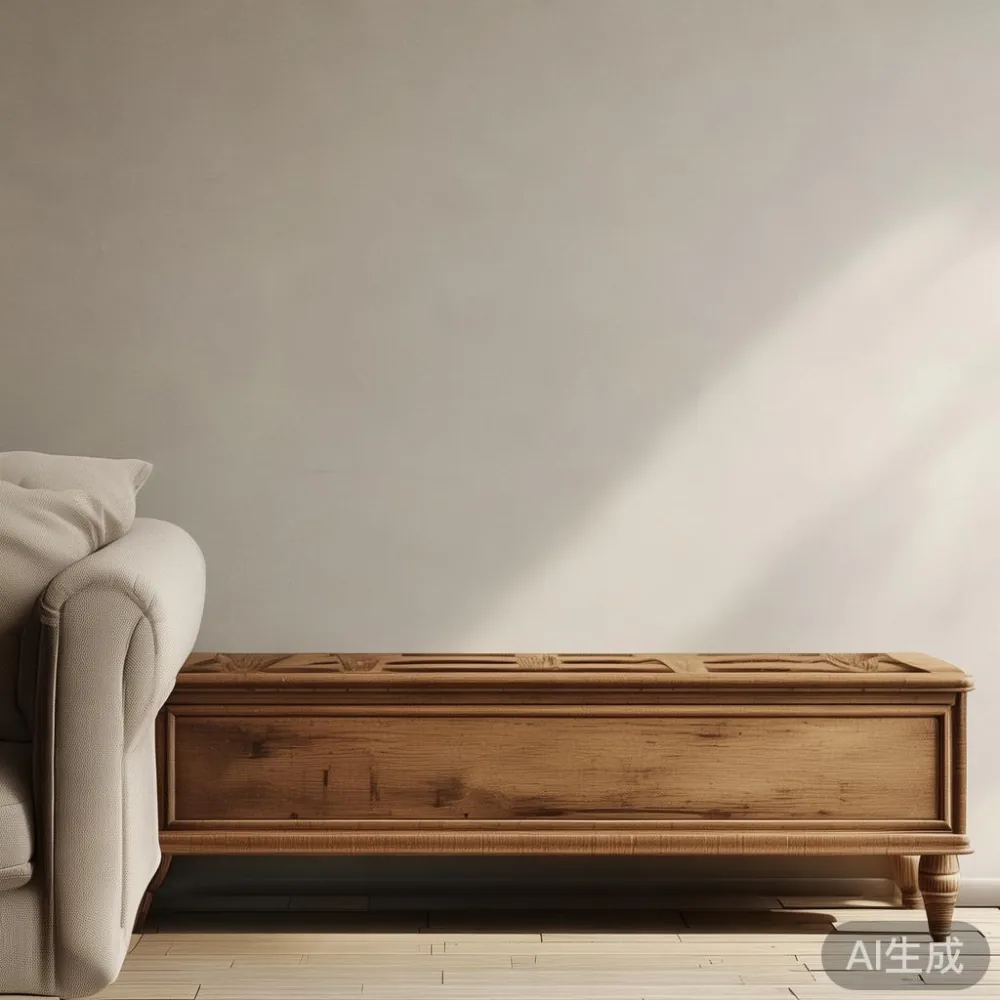
Wood is a hygroscopic material, which means it naturally absorbs and releases moisture from the air. Think of it like a sponge, but much denser and more stable. In Singapore's high humidity, wood absorbs moisture, causing its cells to expand. This process, known as swelling, can lead to a host of problems. Doors in a wardrobe might begin to stick, drawers in a nightstand become difficult to open, and the surface of a dining table can develop a rough, uneven texture. Conversely, during the slightly drier months, the wood releases moisture and contracts, which can cause gaps to appear between panels or even lead to cracking if the process is too extreme. This constant cycle of expansion and contraction is the primary reason why humidity is the silent enemy of wood furniture.
How Humidity Warps, Cracks, and Damages Your Furniture
p> The effects of high humidity are not always immediate, but they are cumulative and can be devastating. One of the most common issues is warping. A solid wood bed frame, for instance, might develop a slight bend over time, compromising its structural integrity. The legs of a dining table can splay outwards, making the table wobble. This isn't just a cosmetic issue; it can render the furniture unusable. Cracking is another serious concern. As wood dries too quickly or unevenly, it loses moisture faster than its structure can handle, resulting in deep, unsightly cracks. This is particularly problematic for thinner components like the slats of a bed frame or the legs of a nightstand. Fungal growth, such as mould, is a third major risk. In the perpetually damp conditions of a bathroom or an apartment near the sea, mould can grow on the surface of the wood, staining it and creating a potential health hazard.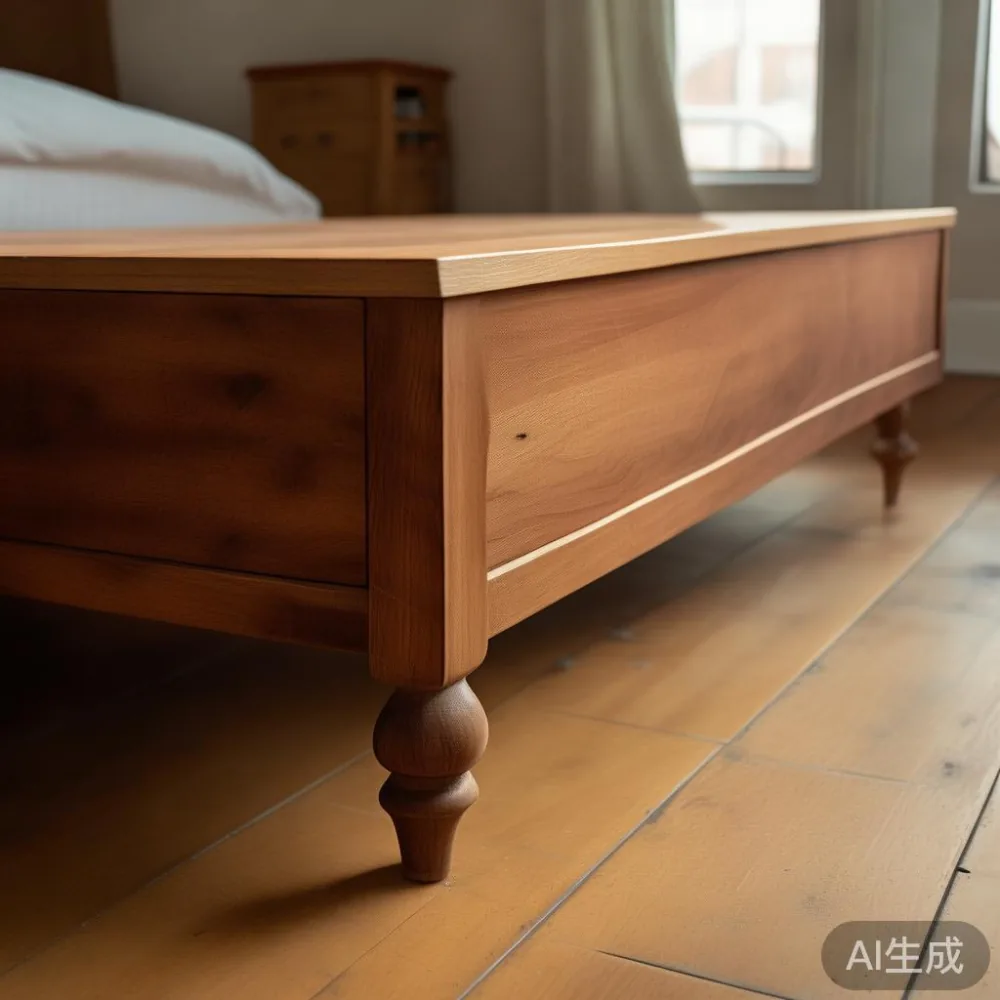
How to Style a European Wardrobe in Your Bedroom?
When considering a large piece of furniture like a wardrobe, the climate is a critical factor. The question is French wardrobe worth it depends entirely on its construction. A cheaply made wardrobe, even if it looks elegant, will suffer in Singapore's humidity. The panels will swell, the doors will warp, and the internal drawers may jam. A well-made European wardrobe, however, is constructed using techniques that account for wood movement. Look for furniture that features a solid wood frame and panels made from engineered wood like MDF or plywood with a wood veneer. These materials are more stable and less prone to the extreme expansion and contraction of solid wood. For a bedroom in a Bedok HDB flat, a wardrobe with a width of 120 cm and a depth of 60 cm offers ample storage without overwhelming the space, and a stable frame ensures it remains functional for years to come.
My Experience with a Humidity-Damaged Bed Frame
Last month, I visited a client in a Punggol condominium. They had purchased a beautiful American light luxury bed frame from a local retailer two years ago. The frame was crafted from solid oak and had a stunning, natural finish. When they first bought it, it was perfect. But over time, the high humidity in their master bedroom took its toll. The footboard and headboard, which were made from solid wood panels, had begun to cup and warp. The gaps between the panels had widened, and the finish had developed small cracks. The owners were frustrated, as the bed, which cost them SGD 3,500, was now looking worn and felt unstable. This experience reinforced a key point: for a piece of furniture as central as a bed frame, investing in a product designed for the climate is not a luxury, but a necessity. A European light luxury bed vs Italian light luxury bed often comes down to the specifics of their joinery and finish quality, both of which are paramount for humid climates.
What Makes a Storage Bench the Perfect Humidity-Resistant Solution?
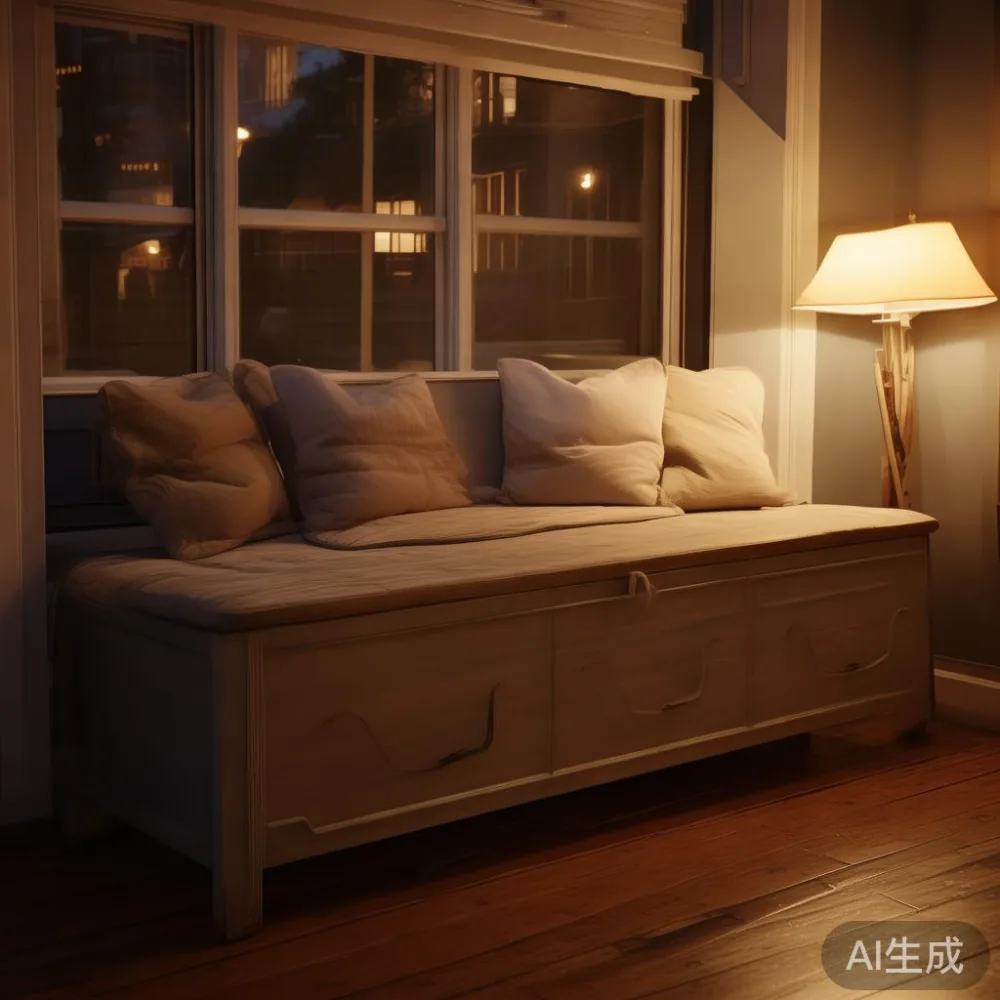
A storage bench is an incredibly versatile piece of furniture, and it is particularly well-suited for the challenges of a Singaporean home. Unlike a solid wood sofa or a large wardrobe, a storage bench is typically smaller, which means its individual components are less prone to warping on a large scale. Many high-quality storage benches are constructed with a combination of solid wood for the frame and more stable materials for the panels and seat. The key is the design. A good storage bench will have a slatted back or panels with a small gap between them, allowing air to circulate and preventing moisture from getting trapped. This design is far more forgiving than a solid, enclosed panel. For an HDB corridor, a storage bench with dimensions of 120 cm in length, 45 cm in height, and 40 cm in depth provides a practical place to sit while putting on shoes, and the storage compartment is perfect for stowing away blankets or shoes, keeping the space tidy.
How to Choose the Right Storage Bench for Your Home
When selecting a storage bench, there are several factors to consider beyond just its appearance. First, look at the material. Solid wood is durable, but ensure it is paired with a stable finish. A high-quality lacquer or oil-based finish creates a protective barrier that helps regulate moisture transfer. Second, examine the construction. Dovetail joints on the drawers and a mortise-and-tenon frame for the main structure are signs of superior craftsmanship that will hold up better over time. Third, consider the interior. A bench with a removable cushion is easier to air out, preventing mould and mildew from building up. For a condo in Tampines with a modern, post-modern light luxury aesthetic, a storage bench with clean lines and a light oak finish would complement the space beautifully while providing practical, humidity-resistant storage.
Can a Storage Bench Really Protect My Belongings?
Yes, a well-made storage bench can offer significant protection for your belongings, but it depends on how you use it. The enclosed space of the bench can become a humid microclimate if items are stored damp inside. For instance, putting away wet towels or shoes directly into the bench will trap moisture, potentially leading to mould growth on the bench's interior and on the items themselves. To maximize protection, always ensure items are completely dry before storing them. The bench itself acts as a shield for its contents. Storing extra bedding, seasonal clothes, or children's toys inside protects them from dust and general wear and tear. A colleague of mine recently bought a storage bench for SGD 580 for his entryway. He uses it to store his family's shoes and sports equipment, keeping the floor clear and the items neatly organized. He found that improving the bench slightly with small felt pads allows for better air circulation underneath, which helps keep the contents dry.
Where to Find Quality, Humidity-Resistant Furniture in Singapore
Finding furniture that is both stylish and built to withstand Singapore's climate requires sourcing from manufacturers who understand the local conditions. This is where brands with a strong foundation in furniture-making come into play. For instance, sourcing wholesale Mid-century modern furniture from a reputable Foshan-based company means you are getting products that have been engineered for a range of humid environments. These manufacturers often have years of experience in creating pieces that balance aesthetics with durability. When looking for a piece like a marble table, it's important to ensure the wood base is treated and constructed to handle the humidity, as the marble itself is non-porous and won't be affected. Similarly, finding a supplier for a wholesale Midhill coffee table wholesale can connect you with pieces that are not only on-trend but also built to last. The delivery process is also a consideration; many reputable sellers offer free shipping over SGD 350 and a 14-day return policy, allowing you to test the furniture in your home environment risk-free. For a large item like a wardrobe, understanding the logistics is key; a delivery time of 7-10 business days is standard for custom pieces, and ensuring it fits through your HDB lift (typically 110 cm wide) and corridor is a practical step before ordering.
Is a Minimalist Sofa the Best Choice for a Humid Home?
The search for the best Minimalist sofa for 2026 should heavily favour materials that are resistant to humidity. While the minimalist aesthetic focuses on clean lines and simplicity, the materials used are paramount. A solid wood sofa might look stunning, but the large, flat surfaces are prone to warping. A better choice is a sofa with a metal or powder-coated steel frame, paired with high-performance, moisture-resistant fabrics like microfiber or certain types of tightly-woven synthetic blends. These materials do not absorb moisture and are easier to clean, making them ideal for Singaporean homes. For those who prefer the warmth of wood, a sofa with a wood frame should have a thick, multi-layered lacquer finish that provides excellent protection. The key is to avoid porous, unfinished wood. A minimalist approach to furniture often aligns well with the practical needs of a humid climate, as it favours functional, unadorned designs over ornate details that can trap moisture.
Final Thoughts on Furnishing for the Climate
Furnishing a home in Southeast Asia is a balancing act between creating a beautiful space and ensuring your furniture can endure the local climate. High humidity is a constant factor, but it doesn't mean you have to sacrifice style for durability. By choosing pieces that are intelligently designed—like a well-constructed storage bench—and made from suitable materials, you can create a home that is both elegant and resilient. Understanding how wood behaves, looking for quality craftsmanship, and practising simple care habits are the keys to protecting your investment. Whether you're furnishing a new condo in Punggol or updating your HDB flat in Tampines, making informed choices will ensure your furniture remains beautiful and functional for years to come.