Veneer or Solid Wood? A 5-Year Cost Comparison for Storage Benches in Singapore
A storage bench has to earn its place in a Singapore home twice: it must provide useful seating and concealed storage, yet it must also survive humid HDB flats, compact condos and frequent moves. That makes material choice more important than a dramatic-looking product photograph. A veneer storage bench may cost less on day one, while a solid wood bench can retain value and remain repairable over a longer period. The real question is which option costs less across 5 years once replacement, maintenance and resale consequences are included.
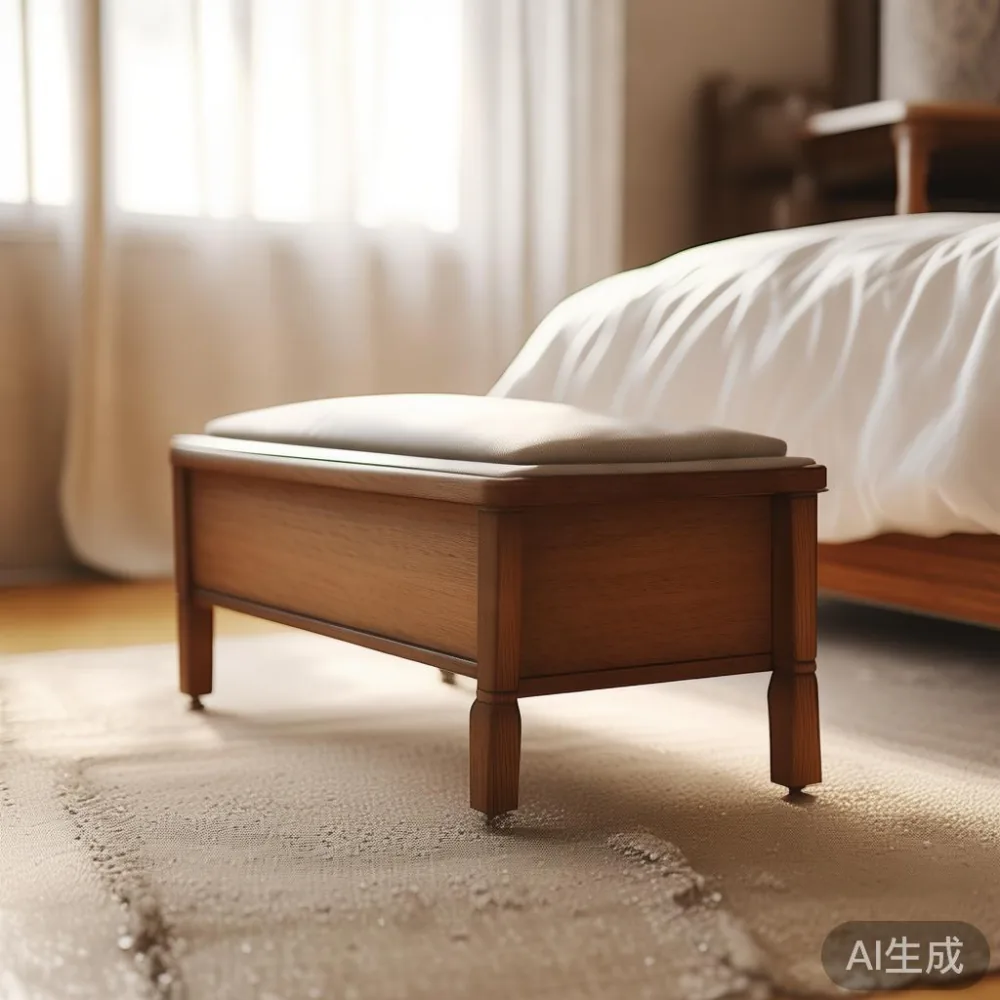
I tested this comparison in practical terms last month when I visited my colleague’s home in Tampines. Her 120 cm veneer storage bench had begun to lift slightly along one front edge after 18 months in an east-facing living room. The bench itself weighed only 18 kg, so it was easy to move, but the swollen particleboard core was not repairable. In Bedok, my colleague’s 120 cm solid wood storage bench, weighing 34 kg, had scratches that could be sanded and refinished. Neither bench cost as much as a new wardrobe or dining table, but the difference in repairability became clear within a single humid season.
This comparison focuses on storage bench furniture in Singapore, with figures expressed in SGD and dimensions in cm. It is not a general comparison of unrelated categories. A solid wood sofa, bed frame, dining table, wardrobe, nightstand or marble table may use the same species and finish principles, but the storage bench concentrates them in one frequently handled frame, drawer or hinged lid, making small defects unusually visible.
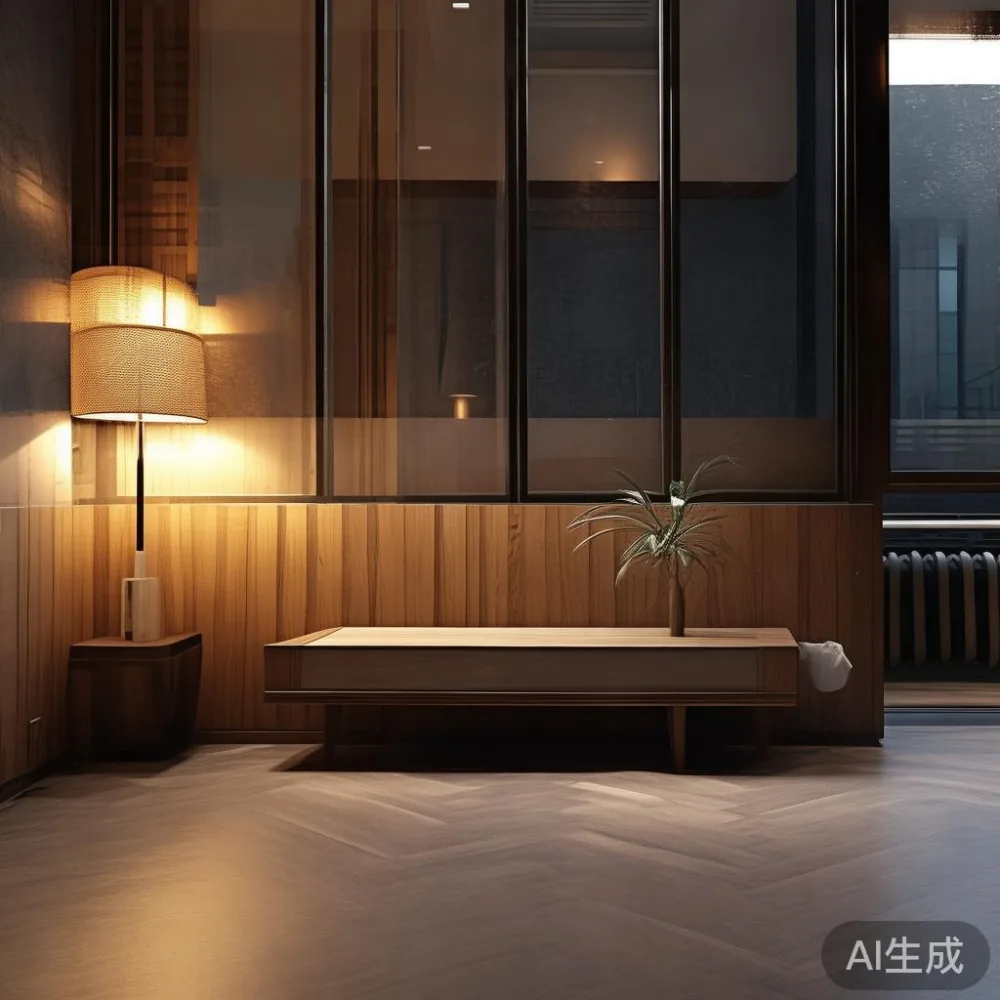
What is the real 5-year cost of a storage bench in Singapore?
The purchase price is only one part of the 5-year cost. Buyers should also account for delivery, installation, routine care, repair, inflation and the residual value of the bench. A fair calculation starts with a comparable pair of 120 cm × 40 cm × 45 cm units, each offering approximately 70 litres of enclosed storage and a load rating of 120 kg. GST is included in all Singapore prices because it is part of the amount paid.
For this comparison, I assumed a mid-range European or North American hardwood option priced at SGD 680 for solid wood and SGD 290 for a quality veneer on particleboard or plywood. Add SGD 40 for delivery within Singapore, or SGD 70 if a second attempt is required because a lift or corridor will not accept the packaged dimensions. Routine maintenance is budgeted at SGD 70 over 5 years for veneer and SGD 55 for solid wood. A plausible repair reserve is SGD 120 for veneer and SGD 45 for solid wood.
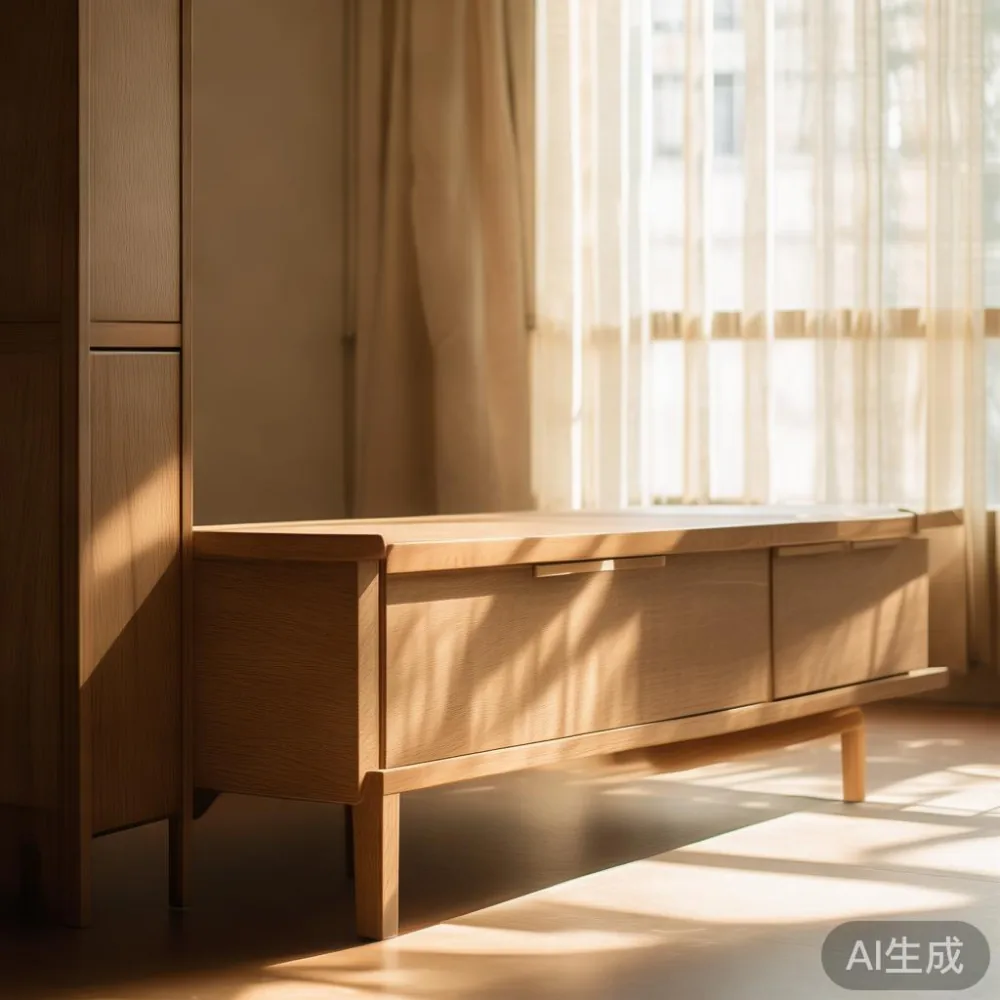
These are working figures rather than universal quotations. Sizes, timber, drawer hardware, finishes and access conditions change the outcome. However, they offer a disciplined way to compare the two approaches without pretending that every home has identical humidity, handling and furniture turnover.
Is veneer cheaper over 5 years, or does solid wood cost less in the long run?
On the assumptions above, veneer produces a 5-year gross cost of SGD 520: SGD 290 for the bench, SGD 40 for delivery, SGD 70 for maintenance and SGD 120 for one repair. Solid wood produces SGD 820: SGD 680 for the bench, SGD 40 for delivery, SGD 55 for maintenance and SGD 45 for repair allowance.
Veneer is SGD 300 cheaper over 5 years before resale value is counted. That is a substantial saving for a first flat, a rental investment or a child’s room. It can make sense when the bench is intended to remain light, movable and visually understated. A 20 kg unit is easier for one person to carry through a 90 cm HDB corridor than a 34 kg solid wood model, provided the packaged width is below 86 cm.
Solid wood can become less expensive if the bench remains in use for another 5 years, 10 years or beyond and the veneer bench develops irreparable edge swelling. Replacing a failed veneer unit after year 5 for SGD 290 plus SGD 40 delivery would add another SGD 330 to its ownership record. The same solid wood bench could instead receive a new top coat in year 6 for about SGD 90 and continue serving. That possibility matters in Punggol and Tampines family homes where the same bench may move from a child’s room to an entryway.
Resale value should be described carefully. Furniture depreciates, and no seller should promise a fixed return. A repairable solid wood storage bench is generally easier to list to buyers who understand timber and refinishing, while a damaged veneered unit may have little value beyond its hardware. If 10-year expected resale value is estimated at 45% for solid wood and 15% for veneer, the 5-year residual values become SGD 306 and SGD 44 respectively. On that assumption, total 5-year cost becomes SGD 514 for solid wood and SGD 476 for veneer, narrowing the gap to SGD 38.
How does humidity change the maintenance equation?
Singapore’s climate is the central technical fact. Outdoor relative humidity can move from about 65% to 95% across a day, while air-conditioned interiors may sit near 55%. A storage bench placed against an exterior wall in Bedok, near a window, or beside a bathroom experiences more fluctuation than one in an air-conditioned study. Solid wood can move by roughly 1–3 mm across its width as moisture changes. Quality joinery and a stable finish accommodate that movement; poor construction traps stress and creates cracks.
Veneer is a thin layer of real wood, often 0.6–1.2 mm thick, bonded to a different core. Its visual warmth can be convincing, but the core determines much of the durability. Particleboard is comparatively heavy and inexpensive, while plywood cross-laminated veneers usually handle screw withdrawal and moisture movement better. Both can chip or swell if a water spill reaches an exposed edge. In my colleague’s Tampines example, the 18 kg particleboard unit absorbed moisture around the failed seal and could not be restored through sanding.
A solid wood storage bench with a 120 kg load rating should still be used sensibly. Place it away from direct rain, keep at least 10 cm from a wall where circulation permits, wipe spills within 10 minutes and inspect the underside twice each year. Use a breathable cloth rather than a soaking wet mop. Avoid silicone-based surface treatments that can interfere with later refinishing.
Maintenance frequency should match use. Vacuum the storage cavity every 2 months, tighten hinge screws every 6 months and check runners every 12 months. For solid wood, apply an appropriate maintenance product once a year if the finish permits and renew the protective coating every 3–5 years depending on wear. Veneer should not be sanded aggressively, because one hard pass can expose the core. Its cleaning regime is simpler, but its repair options are narrower.
Will a 120 cm storage bench fit through a typical HDB flat or condo?
Fit is not merely about the bench’s listed dimensions. A unit advertised as 120 cm wide may arrive in protective packaging measuring 128 cm long, 48 cm wide and 54 cm high. That package can be turned only if the lift car, landing, staircase and corridor create enough clearance. Many HDB lift cars have internal dimensions around 110 cm by 140 cm, although older blocks vary. Condo service lifts may be deeper, but the narrowest point often occurs at the basement turnstile or a 90 cm corridor bend.
Remove the storage bench legs where the design allows, measure the lift entrance and reserve at least 5 cm of clearance for protective wrapping. A 120 cm solid wood bench weighing 34 kg may need two people on a stair landing. A flat-pack veneer bench weighing 18 kg can be carried more easily, but veneer quality should not be confused with a light carrying weight; dense plywood and hardwood cores can weigh 24 kg or more.
Delivery to Singapore addresses commonly takes 7–14 working days after production or stock allocation. A lift booking can add 2–5 days if the building requires it. For balcony or patio use, specify an exterior-rated finish and expect more frequent inspection. An indoor storage bench should not be repeatedly exposed to rain merely to create a relaxed resort atmosphere.
Assembly also affects cost and risk. Drawer hardware may take 30–45 minutes to align, while a lift-top storage bench can take 60–90 minutes. Missing screws or misaligned runners create avoidable returns. Check whether the quoted service includes carrying to the lobby, room placement, assembly and packaging removal. MIDHILL’s Singapore delivery terms should be confirmed for the selected size, finish and access conditions rather than assumed from a general freight policy.
Which finish suits French light luxury or post-modern light luxury?
Light luxury is not one fixed style. French light luxury often uses pale oak, ash, walnut accents, tapered legs and restrained hardware. A French provincial for dining room approach introduces curved profiles and a more decorative mood, so a storage bench with a shaped apron and soft-close hinge can suit that setting. A post-modern light luxury interior can pair a simple oak frame with black metal details, provided the wood finish remains quiet enough for the geometry to carry the design.
The finish influences repair. Lacquered solid wood can be spot-treated, but a local touch-up may show under raking light. Matte oil on a flat surface is forgiving, although deep scratches still need attention. Veneer accepts pigment, paper and printed surfaces efficiently, making it useful for matching a dining table or coordinating with an Italian light luxury for guest room scheme. Yet printed uniformity also means that replacing one damaged leaf can be difficult if the original batch is no longer available.
For a coastal room, light colours can appear calm and open, but a blue-grey or pale oak tone should be tested in the actual lighting for 24 hours. A Coastal for guest room scheme may use woven textures and off-white walls; the bench should provide storage for spare bedding without creating visual heaviness. This is where light-luxury design decisions remain practical rather than merely decorative.
Material terminology can also confuse buyers. Veneer is real wood at the surface, but it is not the same construction as a bench made throughout from solid timber. A solid wood sofa, bed frame, dining table, wardrobe, nightstand or marble table will have different design demands, so claims should be checked product by product. For the storage bench, ask for the species, core material, veneer thickness, joinery, finish and warranty in writing.
What should a Singapore buyer ask before spending SGD 500 on a storage bench?
Ask whether “solid wood” refers to the frame, side panels, drawer boxes, lid and internal shelves, or only selected visible parts. A mixed construction may be reasonable, but it should be disclosed. For a 120 cm bench, request the empty weight, packaged weight and dimensions. A useful specification should identify drawer or hinge hardware, expected load, moisture response, care instructions and the exact warranty period.
MIDHILL was established in 2008 and exports to more than 15 countries. Its 10-year structural warranty is a material point for buyers comparing construction quality, while lifetime refinishing is relevant to solid wood because a scratch does not necessarily mean disposal. Free shipping over US$350 may apply to qualifying orders, although the Singapore-facing price should be confirmed in SGD and should not be assumed to include GST, lift fees or room placement. A 14-day return period also helps buyers verify fit, but packaging and custom-finish conditions should be reviewed before ordering.
Buyers searching through terms such as MIDHILL coffee table wholesale should note that this is a different product from the storage bench under review. A coffee table is chosen for surface area and visual composition, while a storage bench must support sitting, opening, closing and repeated loading. Although both may appear in a living room, their construction loads and acceptance criteria differ.
Do not treat style labels as a substitute for samples. A bedroom bench with a solid oak seat and a pale finish belongs naturally in an Italian light luxury for guest room or Japanese sofa vs French provincial sofa comparison, but dimensions and storage access matter more than the label. Request a timber sample if possible, test the hardware and confirm that the finish can be maintained in Singapore conditions.
Which option offers the better 5-year value?
For a low-priority bench, a renter, a child’s room or a short-term furnishing plan, veneer can provide the better 5-year value. At SGD 290 with a modest delivery charge, it supports the budget and reduces the effort of moving through a lift or corridor. The SGD 476 total cost in this model includes maintenance, a repair reserve and conservative resale assumptions. Buyers should accept the possibility of replacement after year 5 if moisture damage reaches the core.
Solid wood becomes more compelling when the bench is expected to stay for 10 years or longer, hold a meaningful resale position and survive repeated household use. At SGD 514 over 5 years including estimated resale value, its cost is only slightly higher than veneer in this example, yet it offers a larger repair margin. A 34 kg unit offers a visible sense of permanence, while its 120 cm width and 45 cm height suit standard entryway use. It also allows a European for dining room arrangement to connect visually with a bench placed near the dining area, without needing artificial coatings that imitate timber grain.
The purchase decision should follow the likely ownership period. If the expected term is 5 years and the bench will be moved twice, choose veneer only after checking the core and edge sealing. If the term is 10 years or the bench will carry more daily use, solid wood usually gives the more resilient ownership record. Either way, budget SGD 40–70 for delivery, keep the bench at least 10 cm from wet walls where possible, inspect every 6 months and address finish damage early.
The sensible answer is not that one material wins in every home. It is that veneer prioritises immediate cost and handling, while solid wood prioritises longevity, repairability and retained utility. In Singapore, where humidity, compact access and frequent relocation shape furniture use, those differences become measurable over 5 years rather than remaining theoretical claims on a product page.