Veneer vs Solid Wood: A 5-Year Cost Comparison for Storage Benches
Choosing a storage bench for a Singapore HDB flat or condo is rarely only about the purchase price. A 120 cm bench may need to fit through a 90 cm common corridor, clear a 100 cm lift doorway, and fit beside a dining table without blocking the walkway. Then there are cleaning, humidity, repairs, and resale decisions over 5 years. Comparing veneer and solid wood through actual ownership costs gives Singapore buyers a clearer picture than the showroom ticket alone.
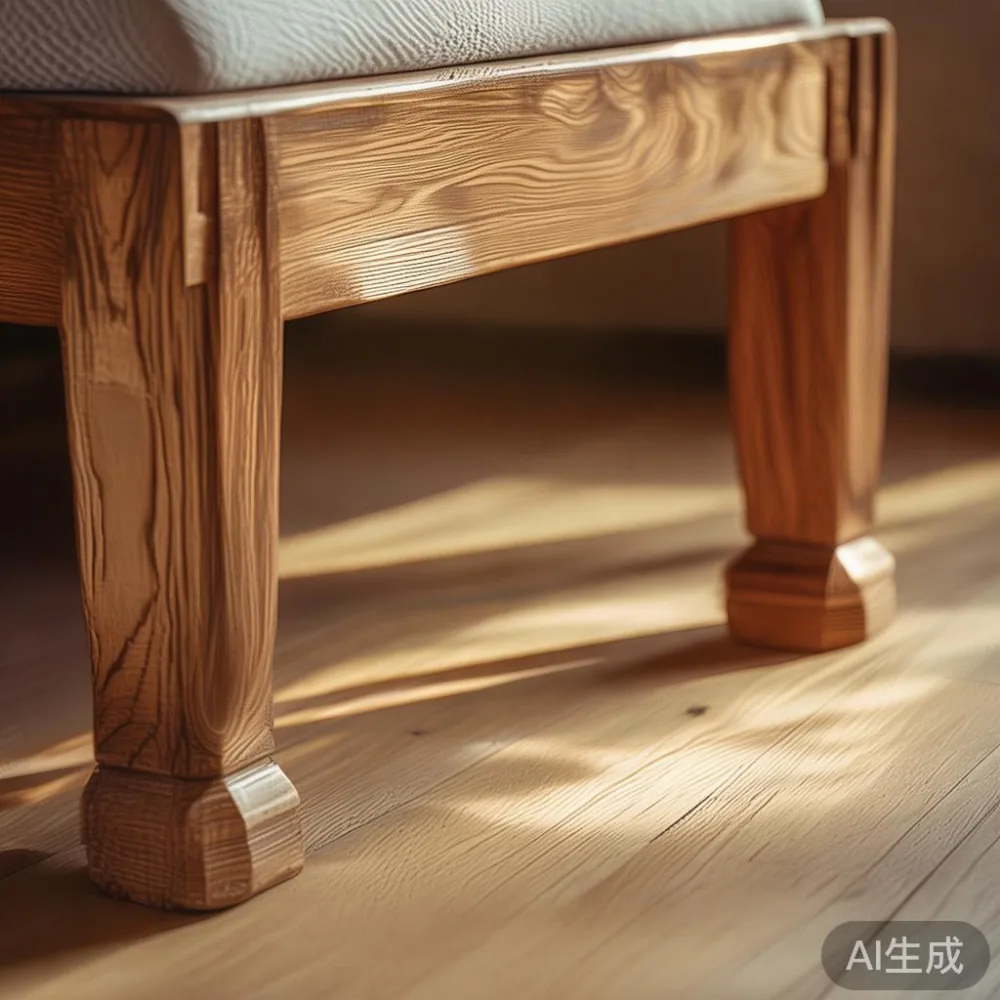
MIDHILL makes solid wood furniture for customers in markets including Singapore, with a 10-year structural warranty and lifetime refinishing. That makes solid wood a reasonable option for a frequently used storage bench, but it is not automatically the economical choice in every home. The right answer depends on construction, placement, local humidity, and how much maintenance the household expects to perform.
What does a storage bench cost in Singapore?
A practical entry-level storage bench in Singapore may be priced from SGD 280 to SGD 450. A better-grade solid wood storage bench with drawers, adjustable shelving, or a wider seat often falls between SGD 520 and SGD 1,080. Veneer options commonly sit around SGD 240 to SGD 420, while premium veneer products can reach SGD 700 because of detailed edges, metal hardware, and reinforced frames.
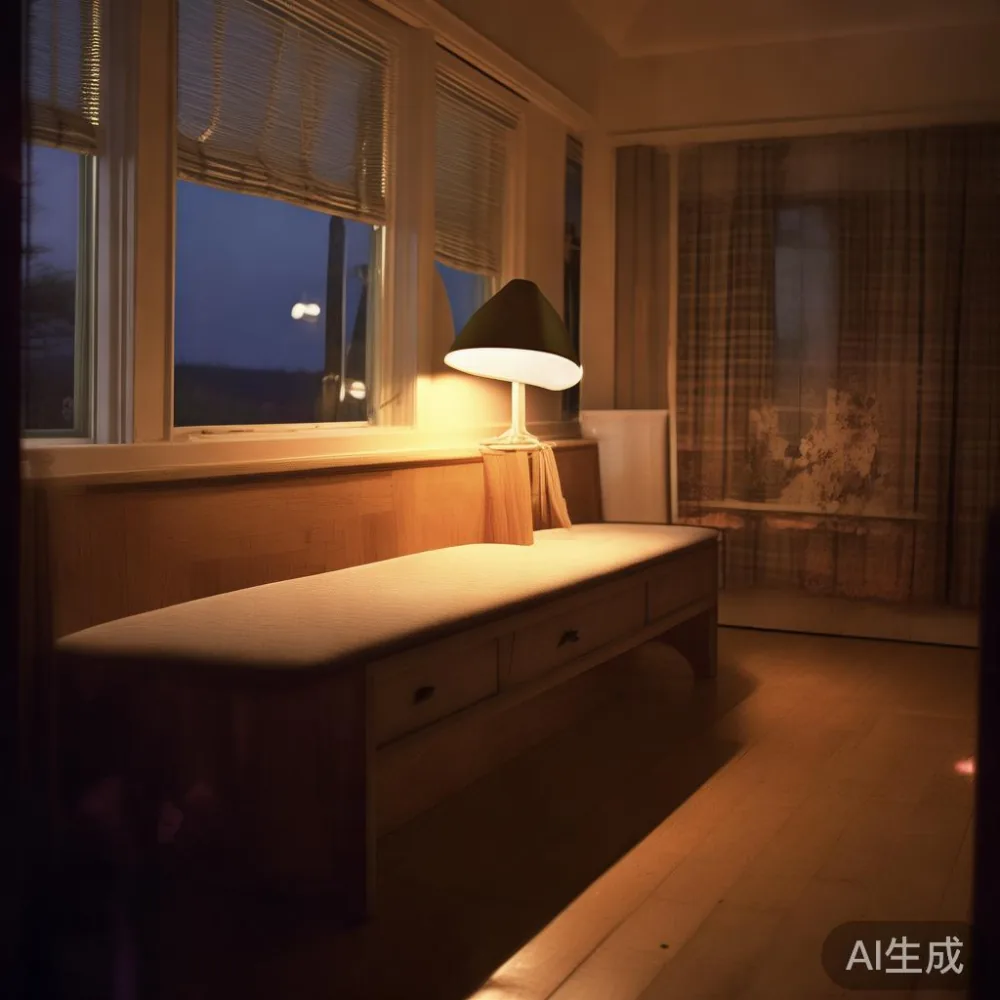
The dimensions affect both price and delivery. A typical bench measuring 120 cm wide, 40 cm deep, and 45 cm high weighs about 28 kg if built from solid timber, compared with roughly 22 kg for a comparable veneer unit. That difference matters in HDB blocks. A 120 cm solid wood bench may turn diagonally through a 90 cm corridor, but a lift with an internal width of 110 cm and a door opening of 90 cm may require the carton to be split or the bench to be delivered flat-packed.
Standard delivery across Singapore usually takes 3 to 7 days after stock confirmation. Delivery to the lobby is generally included above SGD 350, as MIDHILL offers free shipping over that threshold. For a single storage bench, the courier may still need a lift booking, while a shop fitting can add SGD 60 to SGD 120. A 14-day return window offers useful protection, but returning a large item can involve SGD 80 to SGD 180 in collection or freight charges.
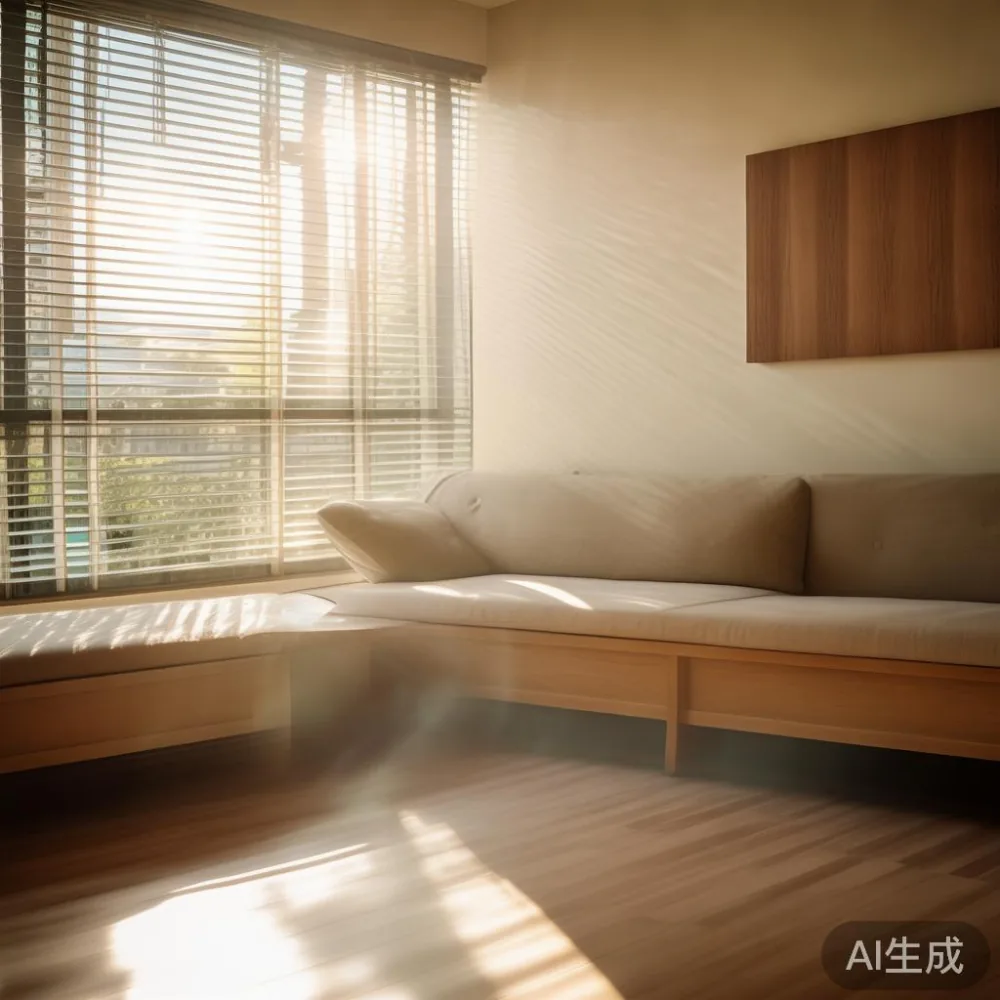
Which material has the lower 5-year cost?
Consider a mid-range comparison: a veneer storage bench at SGD 360 and a solid wood storage bench at SGD 680. Over 5 years, a solid wood unit may need refinishing or spot repair twice, at approximately SGD 60 to SGD 120 per service. Veneer may need edge repair once, at around SGD 40 to SGD 90. If the veneer carcass begins to swell or delaminate after 4 years, a full replacement or substantial board replacement could cost SGD 220 to SGD 420.
On simple arithmetic, the veneer bench has an initial saving of SGD 320. Allowing SGD 100 for one repair and SGD 200 for a partial replacement produces an estimated 5-year cost of SGD 660. The solid wood bench, with two repairs costing SGD 180 in total, reaches SGD 860. The veneer option is therefore SGD 200 cheaper in this example. However, that result changes if the veneer failure affects the top, drawers, or structural rails and the full bench must be replaced at SGD 360.
This is why material labels need more precision. A 20 mm solid oak or solid ash storage bench is different from a mixed unit with solid wood framing, plywood drawers, and veneered panels. “Solid wood” should identify the main load-bearing parts, not merely a decorative face. Veneer quality also varies: a 0.6 mm veneer on a stable plywood or blockboard core may perform differently from a very thin decorative sheet on particleboard.
A useful Singapore calculation is to separate purchase price from eventual repair cost, delivery charges, maintenance supplies, and the probable resale value. Over 60 months, spending SGD 20 per month on refinishing sounds modest, but it becomes SGD 1,200 over 5 years. Conversely, wiping a veneered storage bench with a damp cloth may cost only SGD 3 per month, or SGD 180 across 5 years.
Is veneer cheaper in the long run?
Veneer can be cheaper in the long run when the bench is kept in a dry, stable room, lightly loaded, and free from construction defects. It is also lighter. A 140 cm veneer storage bench might weigh 24 kg, while the same size in solid wood may weigh 34 kg. Lower weight can reduce strain on lift thresholds and make a move between Tampines, Bedok, and Punggol easier.
The climate changes the maintenance equation. Singapore’s outdoor relative humidity often ranges from 65% to 90%, with daily changes that can cause timber movement. A storage bench near an HDB corridor, next to an air-conditioning vent, or beside a frequently opened balcony door will see more fluctuation than one inside a bedroom. Solid wood can expand, contract, and check slightly as its moisture level changes. Good joinery and a protective finish reduce visible movement, but no unfinished timber is immune to it.
Veneer has a different weakness. Its paper or synthetic face can peel, bubble, or stain if moisture reaches the adhesive or core. End-grain edges and drawer runners often show wear earlier than broad, flat panels. If a family uses the storage bench as a dining bench with one person sitting at each end, the exposed edges may receive more pressure than the centre.
Cleaning costs are small in either case. A damp microfibre cloth and mild soap may handle routine marks at SGD 2 to SGD 5 per month. Solid wood may need wax or oil every 8 to 12 months, using approximately SGD 15 to SGD 35 of product each time. Veneer may need a compatible polish, although not every coating is safe; an abrasive silicone polish can produce patchy shine.
How does light luxury affect the 5-year cost?
Light-luxury design often favours pale woods, restrained profiles, tapered legs, linen upholstery, and carefully finished joinery. This can suit French light luxury, American light luxury, and post-modern light luxury interiors without filling a compact flat with oversized furniture. A storage bench in light oak or warm ash can bridge a French provincial accent chair and a Modern light luxury dining table, especially when both share a warm, quiet palette.
The term light luxury describes visual refinement, not a fixed construction standard. A French provincial for office search may lead to desks and formal storage, while its curved lines and pale timber can influence a bench in the same home. A reference to top 10 Boho furniture may suggest rattan, woven textures, and natural fibres; combining those ideas with a clean-lined storage bench can keep the result composed rather than overly decorated.
For a dining setting, an Italian light luxury dressing table or a marble table may use veined stone and reflective finishes. A solid wood storage bench provides a warmer contrast, while a marble surface placed directly on a solid wood bench can create a heavy load. A stone-topped storage bench may weigh 55 to 75 kg, making corridor angles and lift dimensions more important.
The aesthetic value should be included in the calculation, but assigned carefully. If a French provincial-inspired bench makes a dining room feel better every day for 5 years, a modest subjective value can justify part of the price difference. It should not replace facts such as drawer-box construction, corner reinforcement, finish thickness, and warranty terms.
Can a solid wood storage bench handle daily use?
A well-built solid wood storage bench can handle daily use better than a low-cost veneer alternative when its frame, joints, and drawer components are properly engineered. A solid wood sofa or solid wood bed frame demonstrates the same need for stable joints and durable timber, though a bench has a different duty: it stores objects, supports sitting, and resists repeated loading at the centre of the seat.
Test the storage bench rather than relying on appearance alone. Push the drawer runner laterally; it should not rack. Sit in the centre for 30 seconds; the rails should not flex audibly. Open and close each drawer 20 times; the action should remain aligned. A raised or blocked drawer should not rely on the drawer face to carry the load. The top should also resist flexing under a 70 kg test load.
Last month I visited a colleague’s Bedok condo to assess a 140 cm bench after a light delivery mishap. Its carton had been left in a corridor at 7:30 p.m., where moisture collected on one end. By the following morning, the veneer top showed a 12 cm ripple near the edge. The bench had cost SGD 390, and replacing the top and resealing the affected section was quoted at SGD 260. The cost was still below the original price, but the repair took 19 days.
In the same flat, a solid ash bench measuring 150 by 38 cm had survived 2 years of daily use. Its finish had worn slightly around one leg, but the frame and drawer boxes remained stable. A local refinisher restored the leg for SGD 85. This real example illustrates the difference between a surface failure and a structural failure; one damages appearance, while the other can make the whole storage bench impractical.
For long-term ownership, consider MIDHILL’s 10-year structural warranty and lifetime refinishing terms. Warranty documents should state what “structural” covers, whether veneer delamination is included, and what shipping or labour charges apply. A warranty is useful only if its scope and claim procedure are clear.
What are the hidden costs of buying a storage bench?
Delivery is the first hidden cost. A standard lift surcharge may be SGD 20 to SGD 80, while carrying a bench to the 12th floor may add SGD 40 to SGD 100. If the bench is heavier than 35 kg, two movers may be required at roughly SGD 120 for 30 minutes. Narrow corridors may make the bench impossible to rotate without removing its legs or doors.
Measure before buying: check the door opening, lift depth, lift width, hallway corners, and the route from the car park. Allow at least 5 cm clearance for packaging. A removable storage bench seat can solve one fitting problem, but removable hardware may loosen after repeated use. Confirm that spares are available and ask whether the manufacturer will supply the relevant screw in the first 5 years.
Protective materials are another cost. A breathable felt pad set under a bench may cost SGD 12 to SGD 25 and protect a glossy floor from scratches. A floor mat for a corridor may add SGD 35 to SGD 80. Neither replaces stable placement away from direct sun and water.
Returns should also be costed. If the bench does not fit through the lift, a 14-day return can be helpful, but the original delivery charge and return freight may not be recoverable. Confirm carton dimensions, assembled dimensions, and whether assembly is required. A storage bench that arrives flat in 2 cartons may cost SGD 20 less to deliver but take a first-time buyer 45 to 90 minutes to assemble.
How should a Singapore buyer compare veneer and solid wood?
Compare like-for-like specifications across 3 areas: structure, surface, and service. For structure, ask whether the side panels, top, rails, drawer boxes, and back are solid wood, plywood, blockboard, or particleboard. For the surface, note the veneer thickness, core material, edge treatment, and finish. For service, check the structural warranty, refinishing coverage, replacement-part charges, and delivery terms.
Then run a 5-year estimate. For veneer, add the purchase price, delivery, 2 cleaning kits at SGD 15 each, and one probable repair at SGD 80. For solid wood, add the purchase price, delivery, 3 finish-maintenance sessions at SGD 25 each, and one partial refinishing job at SGD 100. Apply a conservative resale deduction of 10% to 20% for both, because the condition and market demand at the end of year 5 are uncertain.
A numerical example makes the decision clearer. A veneer storage bench costing SGD 360, plus SGD 40 delivery and SGD 190 maintenance, reaches SGD 590 over 5 years before resale. A solid wood bench costing SGD 680, plus SGD 60 delivery and SGD 175 maintenance, reaches SGD 915. The solid wood option has a 5-year ownership premium of SGD 325, or about SGD 65 per year.
If the household expects to keep the bench for at least 7 years, pass it to relatives, or use it daily as seating, that premium may be reasonable. If the bench will mainly conceal wires, toys, or spare bedding in a dry bedroom and be moved every 2 years, the lower-weight veneer option may be more practical. No material removes every ownership cost; the goal is to match construction quality to the room and the expected use.
Which storage bench is right for your Singapore home?
Choose solid wood when the storage bench will be used as a seat, placed in a high-traffic dining area, or expected to remain in the home beyond 5 years. Check the timber species, the thickness of the top, the type of drawer runners, and the structural warranty. A European sofa vs Mid-century modern sofa comparison similarly depends on frame quality and proportions rather than a style label alone.
Choose veneer when the storage bench has a light duty, the budget is fixed, and the unit can stay away from damp corridors or direct sunlight. Inspect the edges closely, because thin edging is often the first area to fail. If both options perform the same price and construction are not disclosed, ask for drawings and a sample rather than accepting vague descriptions.
Across HDB flats and condos, the decisive issue is often the route to the room. In a Tampines block with narrow common corridors, a compact 110 cm storage bench may be easier to bring upstairs than a 150 cm model. A Punggol lift with a 90 cm door may accept a compact carton but reject a fully assembled wide frame. Bedok lifts vary by block, so measure the actual car, lift, and door openings before ordering.
The final decision is not veneer versus solid wood in the abstract. It is a 60-month ownership plan for one storage bench in one particular space. Confirm dimensions in centimetres, total weight in kilograms, delivery time in days, warranty in years, and every extra charge in SGD. With those figures recorded, the higher purchase price can be judged against realistic maintenance, repair, and moving costs.